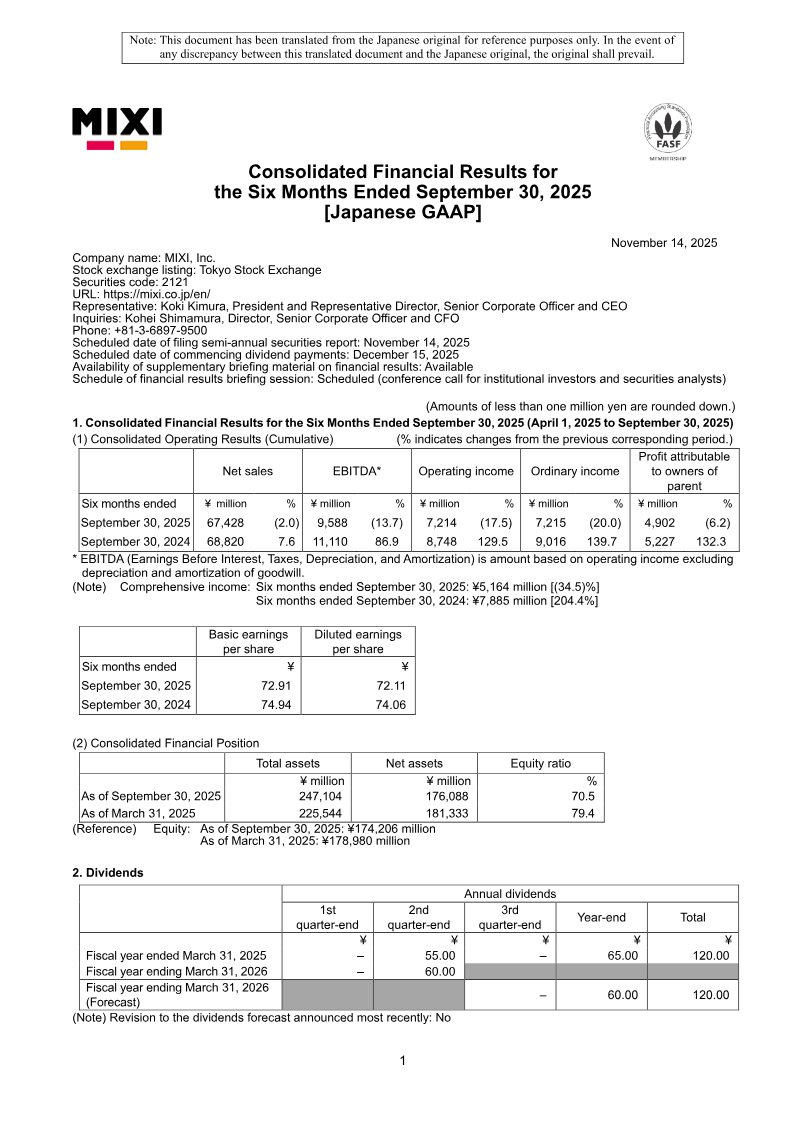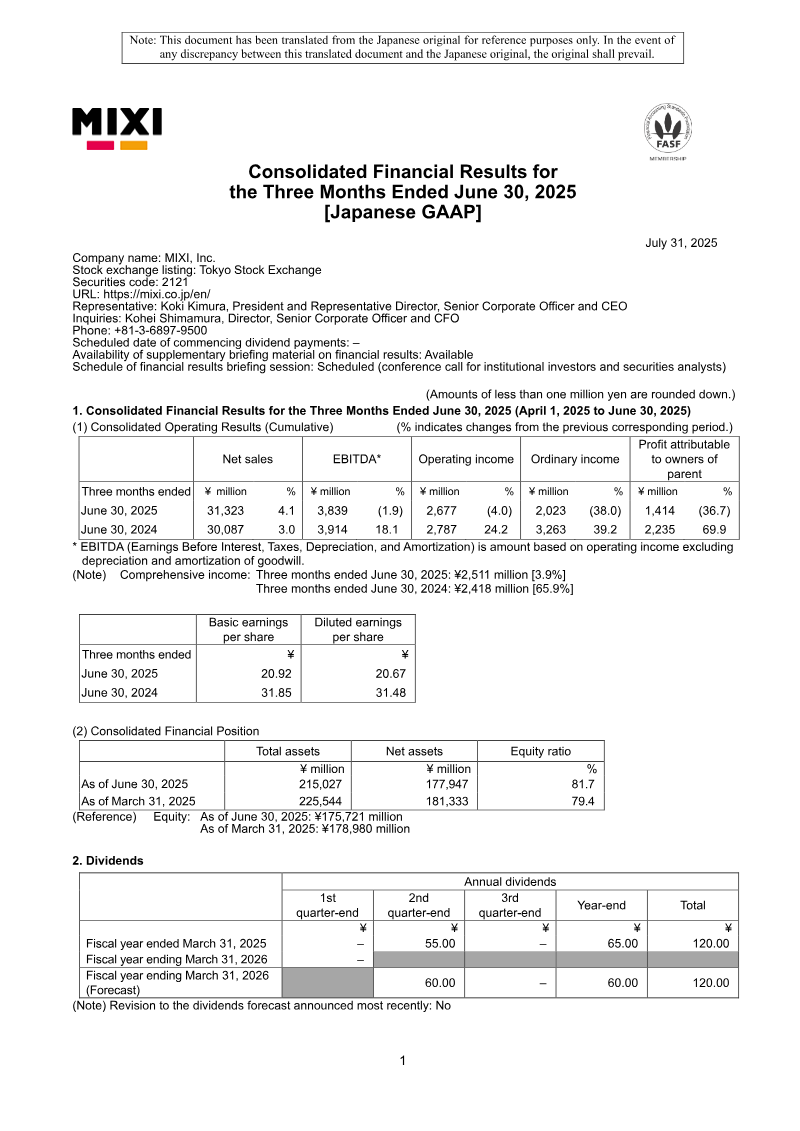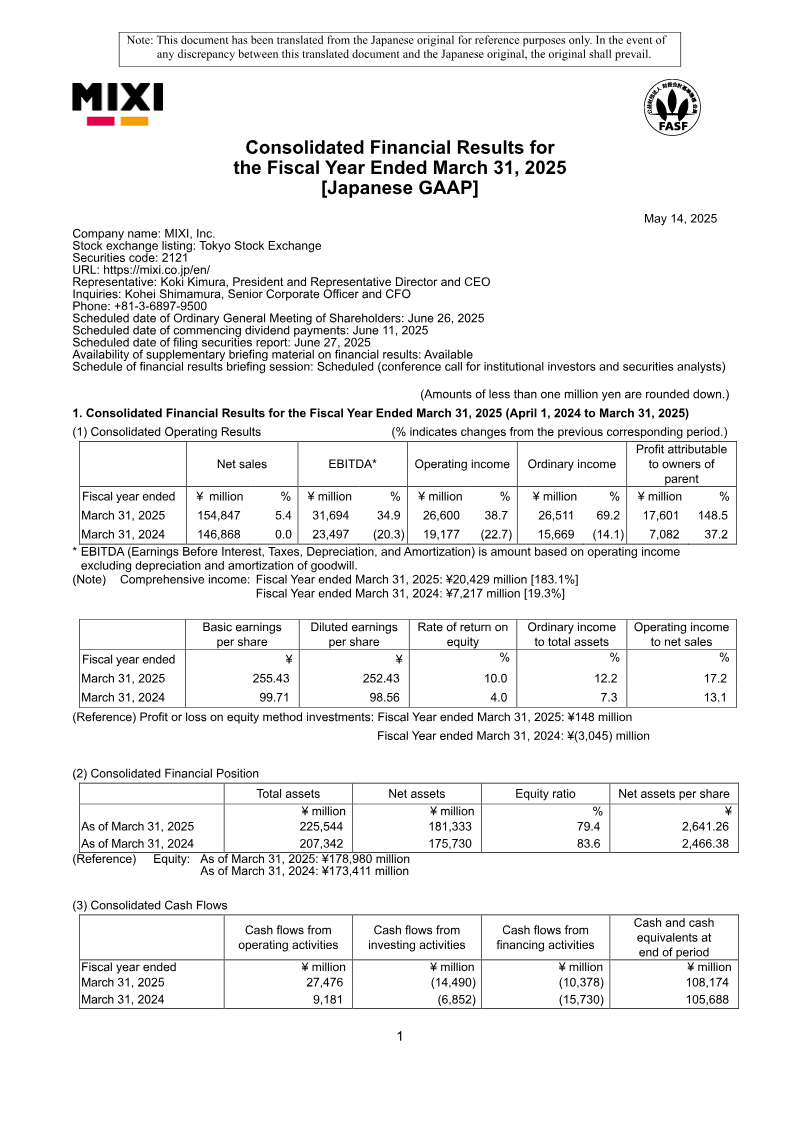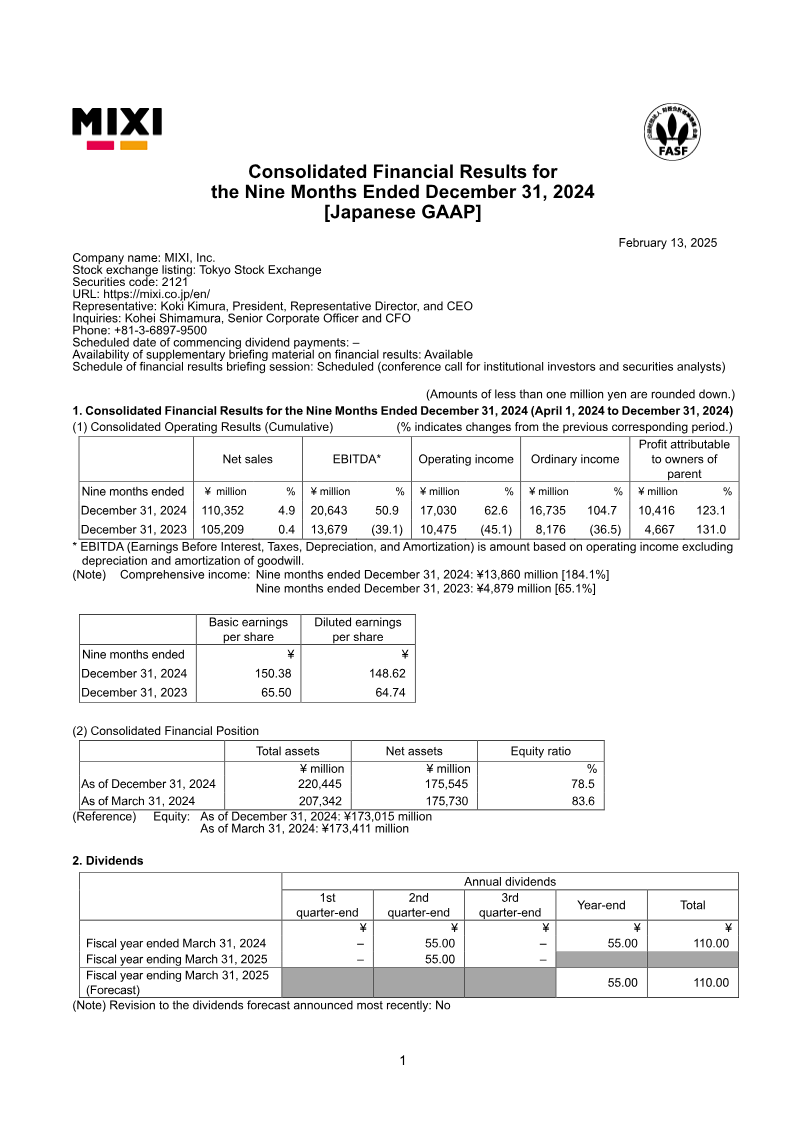
Key insights
7 slides
Strategic framework
AI will increase leisure time and heighten the value of shared experiences.
The We-Time Economy serves as the central strategic framework for future growth. It is predicated on the belief that artificial intelligence will increase leisure time and heighten the value of shared, trust-based human experiences.
Market size. The global market is estimated at US$10–15 trillion.
Page 7 of the reportUS$10–15 trillion
Estimated global market size for the We-Time Economy
Growth target
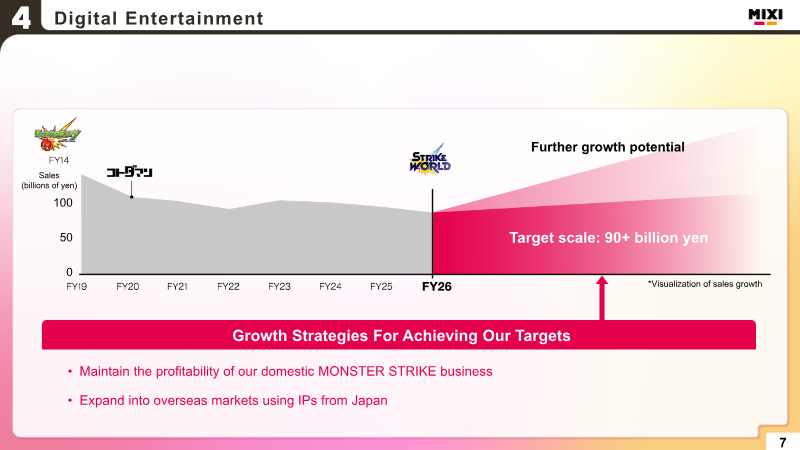
The company aims to double net sales to 300 billion yen.
Financial targets for the medium term include doubling net sales to 300 billion yen. There is a specific focus on scaling the sports and lifestyle segments.
Profitability targets
The company is committed to raising the EBITDA margin to 20%.
Operational efficiency and shareholder value are prioritized through a commitment to raising the EBITDA margin to 20%. The company also targets a 15% return on equity.
Portfolio management
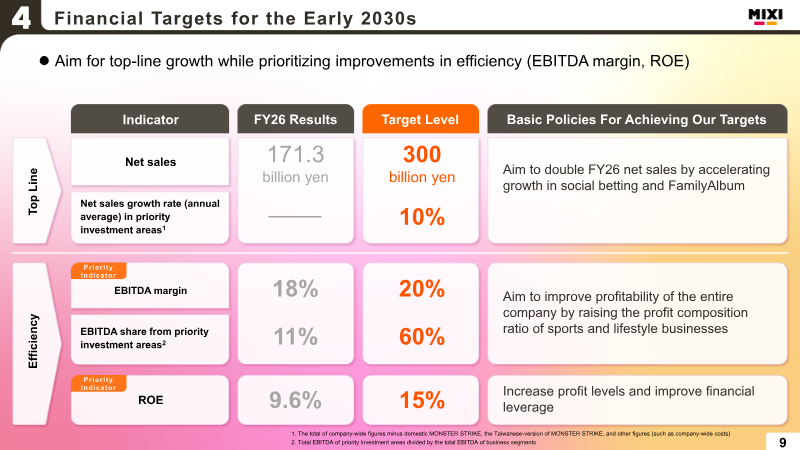
Capital allocation evaluates business units against a 6.18% weighted average cost of capital.
A rigorous business portfolio management strategy classifies business units based on growth potential and profitability. Resources are dynamically allocated to high-growth areas, while underperforming units are subject to restructuring or divestment.
Growth drivers
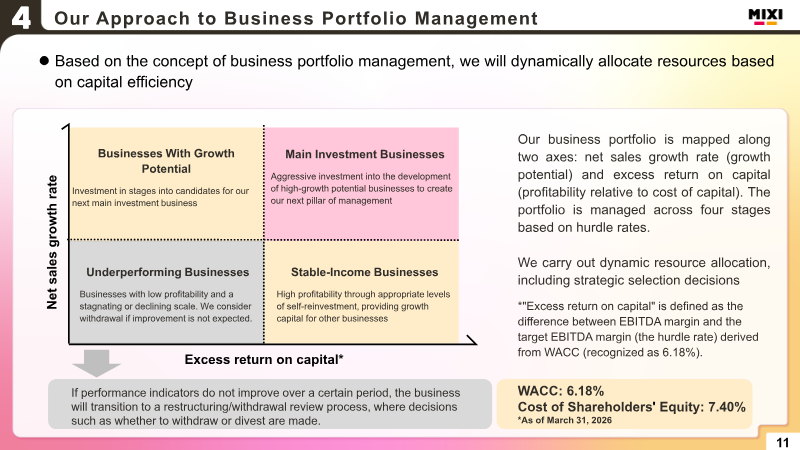
Key growth drivers include the global expansion of social betting via PointsBet.
Key growth drivers include the global expansion of social betting through PointsBet. The scaling of the FamilyAlbum economic sphere and the continued monetization of domestic intellectual property like MONSTER STRIKE are also key.
Page 5 of the report- 01PointsBetGlobal expansion of social betting
- 02FamilyAlbumScaling the economic sphere
- 03MONSTER STRIKEContinued monetization of domestic IP
Shareholder returns
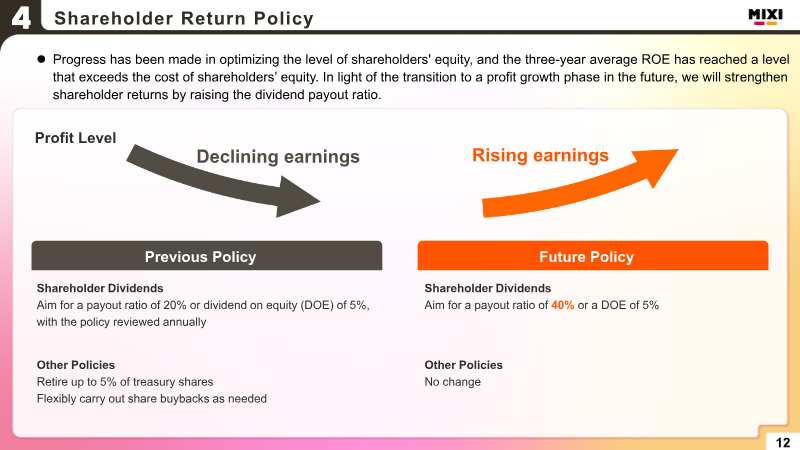
A new shareholder return policy targets a 40% dividend payout ratio.
The company has committed to a more robust shareholder return policy. It targets a 40% dividend payout ratio to reflect its transition into a phase of sustained profit growth.
Governance reforms
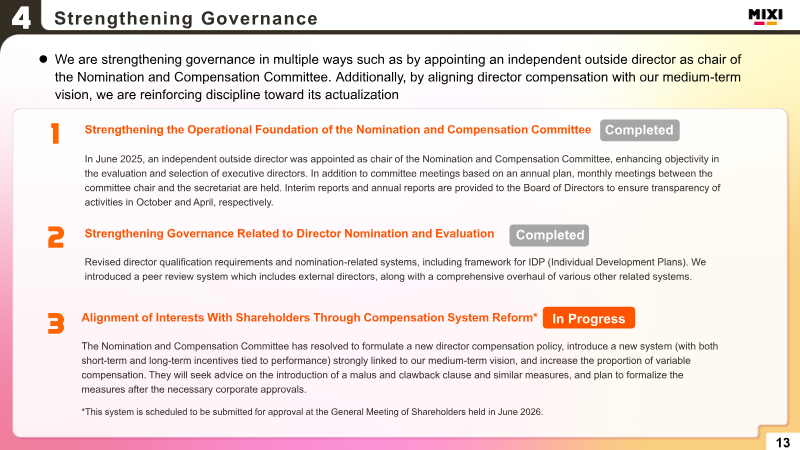
Governance reforms align executive incentives with long-term performance.
Governance reforms have been implemented to align executive incentives with long-term performance. This includes the appointment of independent directors to lead compensation committees.
1 / 7
Ask AI about this report