
DeNA is undergoing a strategic evolution to diversify its portfolio into two primary pillars: "Entertain," comprising Games and Live Streaming, and "Serve," focusing on Healthcare and Sports. This transition is supported by core competencies in artificial intelligence, agile in-house development, and a regional "Home Base" strategy centered in Yokohama. By leveraging high-potential technologies such as Web3 and health big data, the organization aims to balance stable cash flow from established entertainment properties with high-growth opportunities in medical data and global streaming markets.
Financial performance in fiscal year 2021 reflects this transition, with profit attributable to owners reaching 30.5 billion yen and a return on equity of 13.2%. While the Game Business experienced a revenue decline to 74.7 billion yen due to a lack of new hits, the Live Streaming segment saw a 1.4x revenue increase, and the Healthcare segment achieved its first quarterly profit. Strategic capital moves, including the sale of approximately half of the company's Nintendo shareholdings and the acquisition of subsidiaries like IRIAM and DATA HORIZON, have been implemented to increase asset efficiency and expand the medical database to over 15 million insured individuals.
Operational and governance structures have been modernized to support this multi-sector growth. The January 2022 establishment of a cross-departmental Product Development Department and a new Group Executive System aims to accelerate business execution and talent cultivation. Personnel strategies now emphasize specialized technical rankings to attract top-tier engineers, while executive compensation is increasingly linked to mid-to-long-term growth indicators. Looking ahead, the strategy focuses on releasing three to five global game titles annually, expanding the Pococha streaming service into the United States and India, and deepening the long-term strategic partnership with Nintendo to secure a robust global presence.
DeNA Co. · 2025

DeNA Co., Ltd · 2023
DeNA Co.

DeNA Co.
DeNA Co.
GREE · 2023

Sensor Tower · 2026

SocialPeta · 2026

BITKRAFT Ventures · 2026
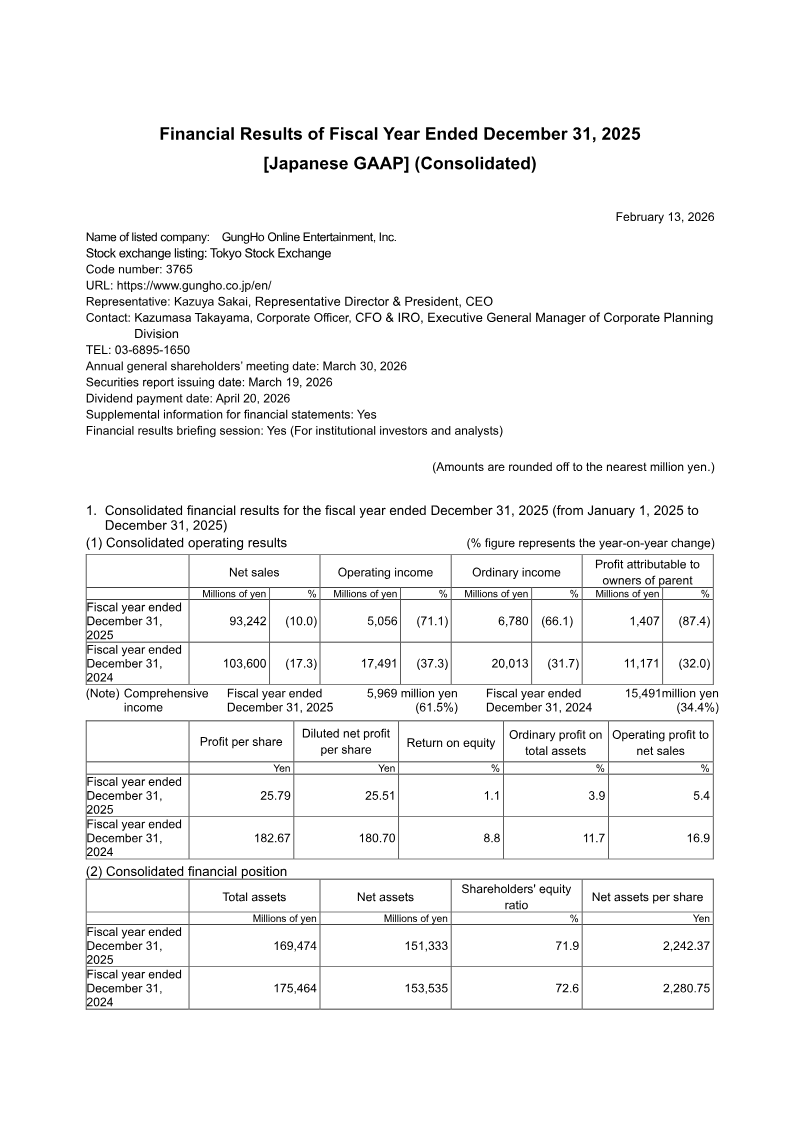
GungHo Online Entertainment · 2026
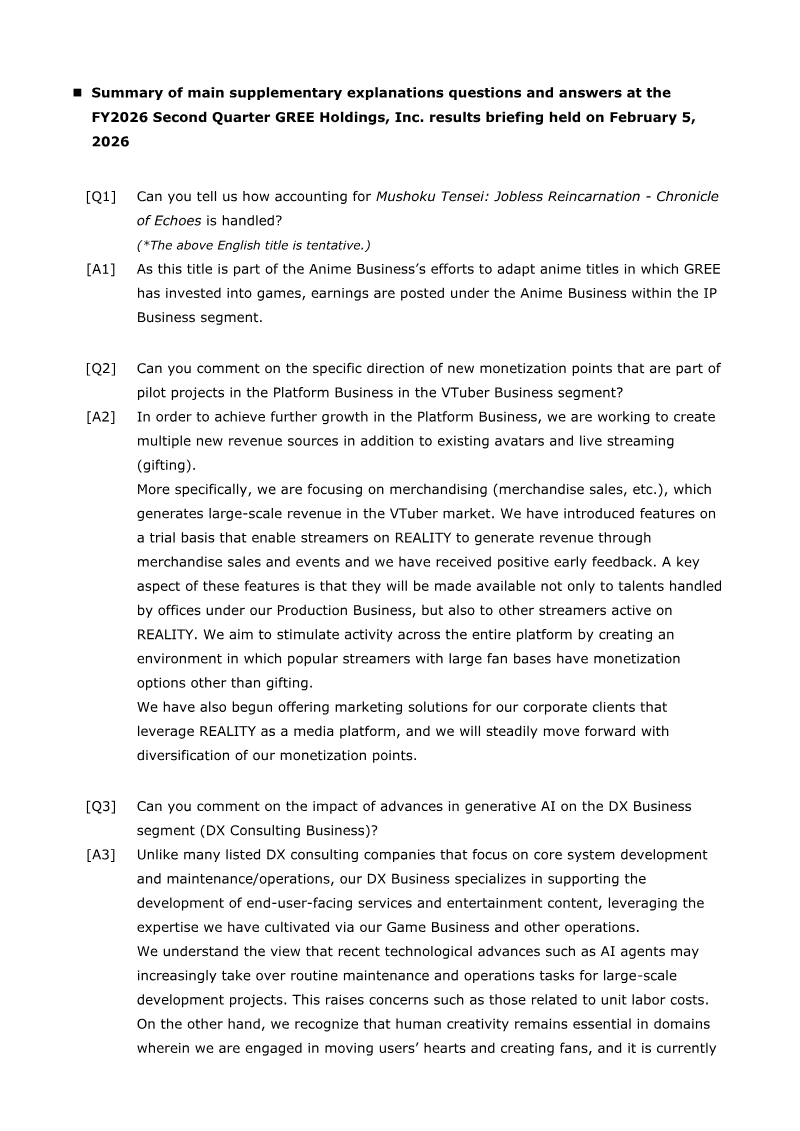
GREE · 2026
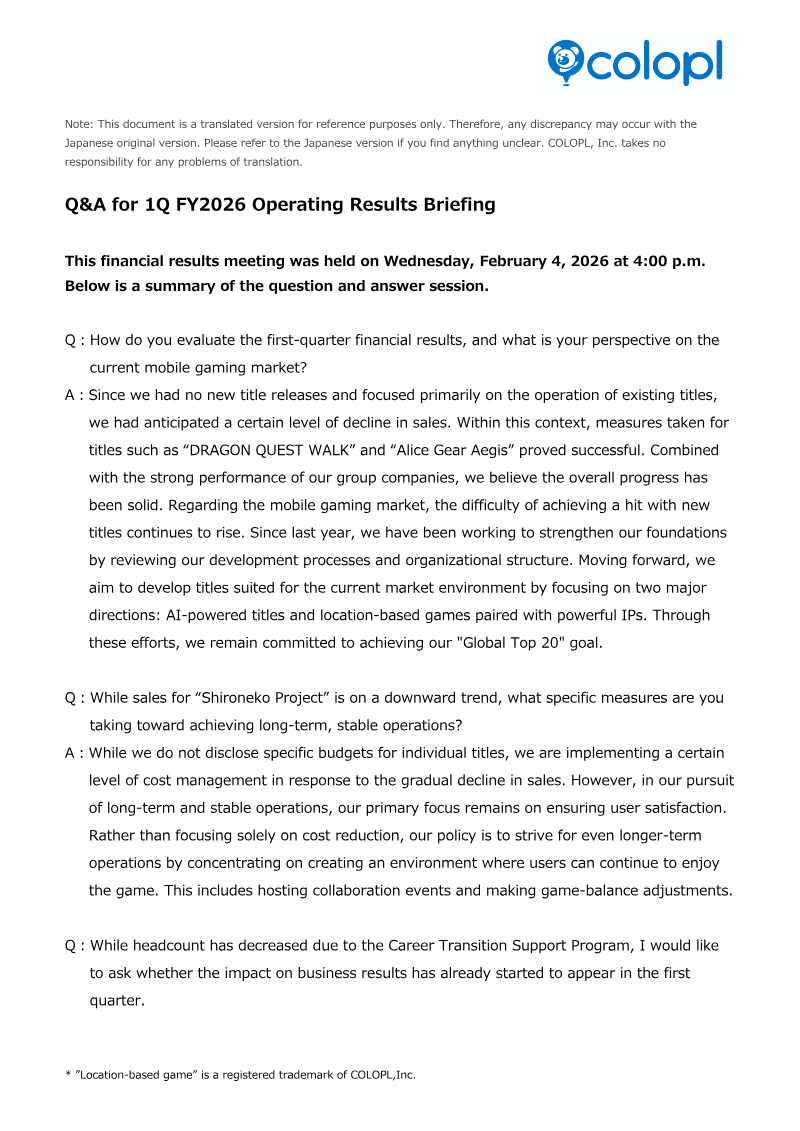
COLOPL · 2026

SocialPeta · 2026

Adjust · 2026

SocialPeta · 2025
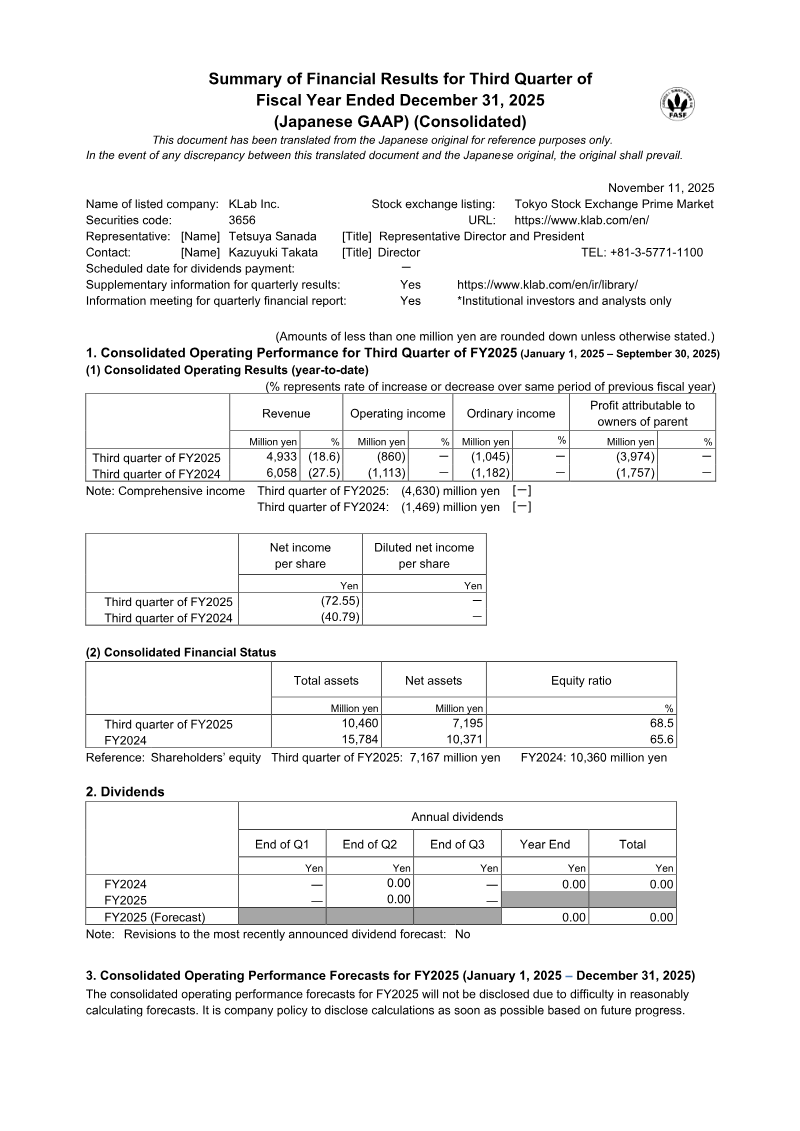
KLab · 2025
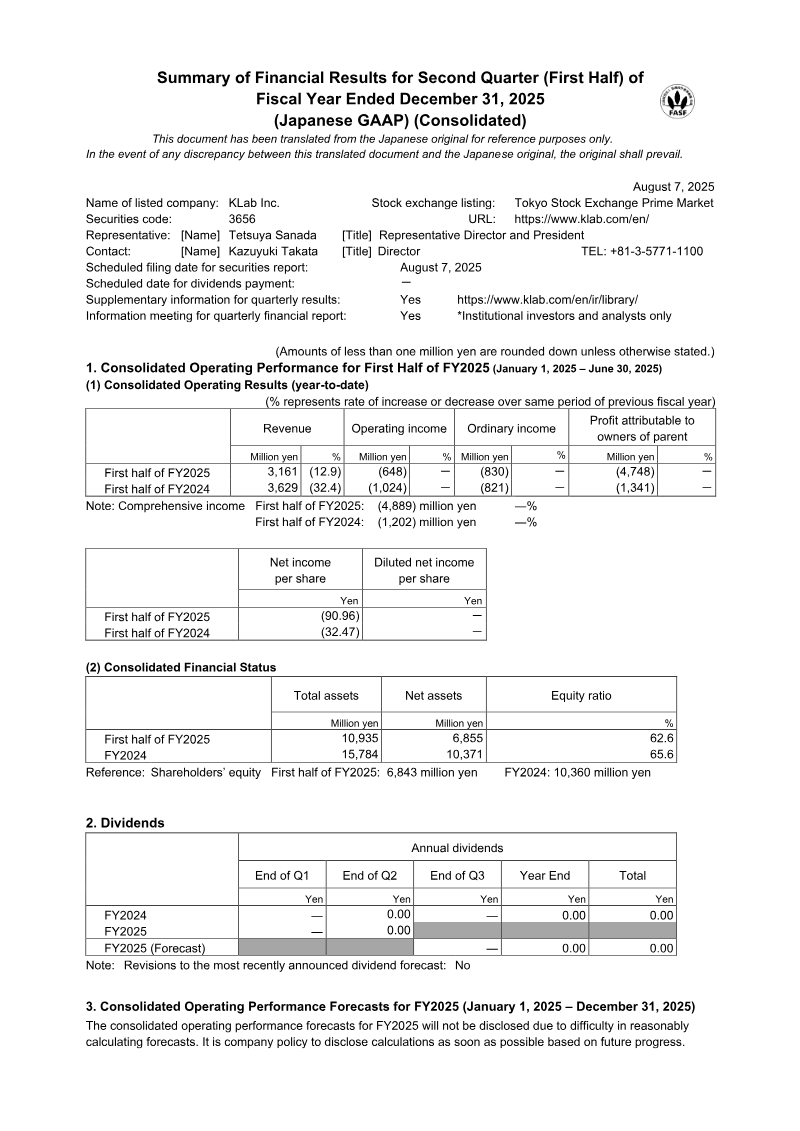
KLab · 2025