
Korea's Game Developers and AI: What Changes in Licensing Contracts
1 pages~3 min full read
The integration of generative artificial intelligence has become a defining characteristic of the South Korean game industry, fundamentally altering development workflows and the legal landscape for licensing agreements. As of 2025, the gaming sector leads all other Korean content industries in AI adoption, with 70% of game companies actively utilizing the technology. Notably, half of these organizations have transitioned from departmental experimentation to company-wide deployment, signaling a permanent shift in production methodologies.
This widespread adoption necessitates a reevaluation of standard licensing contracts, particularly regarding intellectual property and due diligence. Because AI-generated assets introduce complexities concerning copyright ownership and potential infringement, buyers must now implement rigorous vetting processes when acquiring Korean game titles. The analysis emphasizes that the shift toward AI-driven development requires buyers to incorporate specific due diligence checklists into their procurement strategies to mitigate legal risks associated with AI-generated content.
The findings are derived from the 2025 Fourth-Quarter and Annual Content Industry Trend Analysis Report and the 2025 Game Industry White Paper, both published by the Korea Creative Content Agency (KOCCA) in early 2026. By examining the intersection of technological advancement and contractual obligations, the research provides a framework for stakeholders to navigate the evolving requirements of the global game market. These insights serve as a critical guide for international partners seeking to maintain compliance and security when licensing content from a rapidly digitizing Korean market.
KOCCA – Korea Creative Content Agency · 2025
KOCCA – Korea Creative Content Agency · 2025
KOCCA – Korea Creative Content Agency · 2025
KOCCA – Korea Creative Content Agency · 2025
KOCCA – Korea Creative Content Agency · 2025
KOCCA – Korea Creative Content Agency · 2025
KOCCA – Korea Creative Content Agency · 2025
KOCCA – Korea Creative Content Agency · 2025
KOCCA – Korea Creative Content Agency · 2025
KOCCA – Korea Creative Content Agency · 2025
KOCCA – Korea Creative Content Agency · 2025
KOCCA – Korea Creative Content Agency · 2024
Game Developers Conference · 2025
Google Cloud · 2025
Informa · 2024
Drake Star Partners · 2024

Perforce · 2024
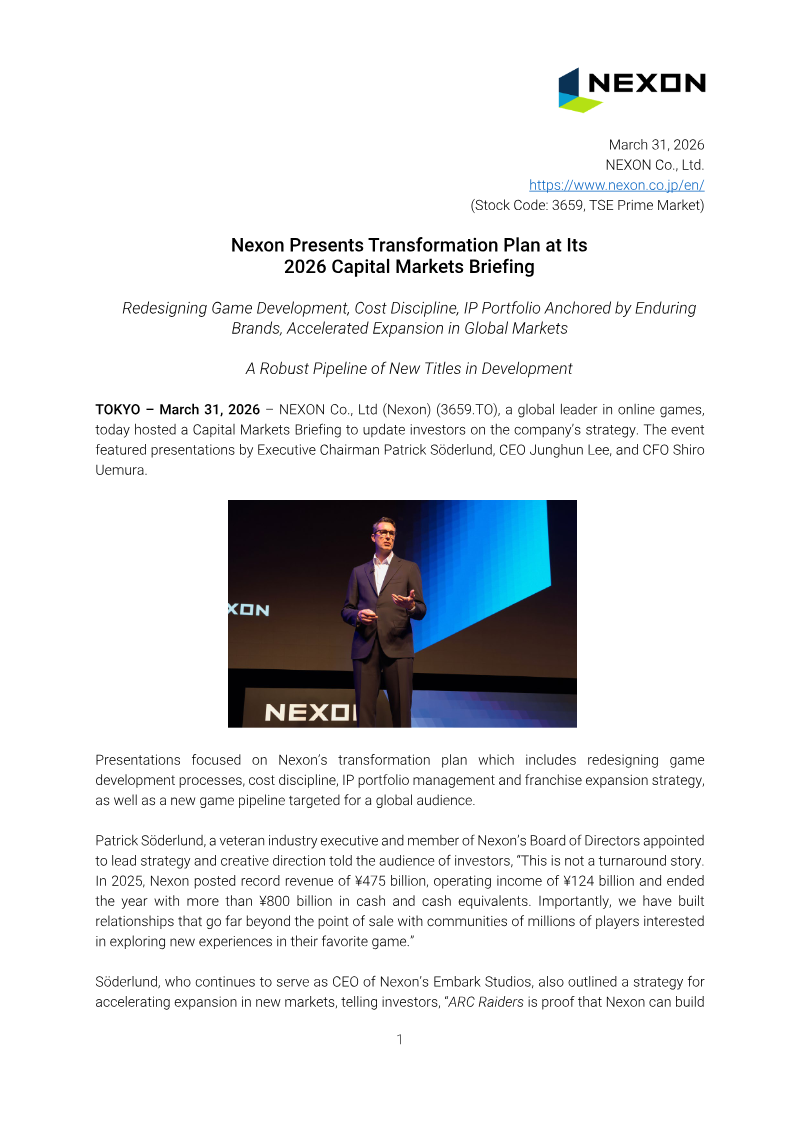
NEXON Co.
GDC
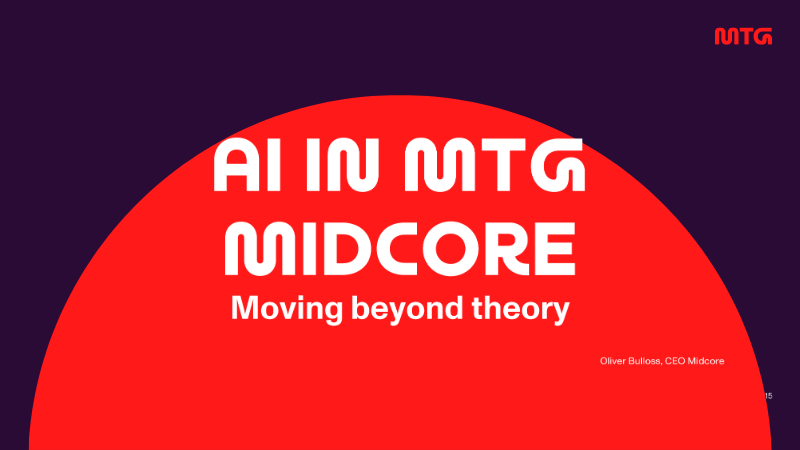
Modern Times Group
Poki · 2026

Sensor Tower · 2026
Pearl Abyss · 2026
Paradox Interactive · 2026