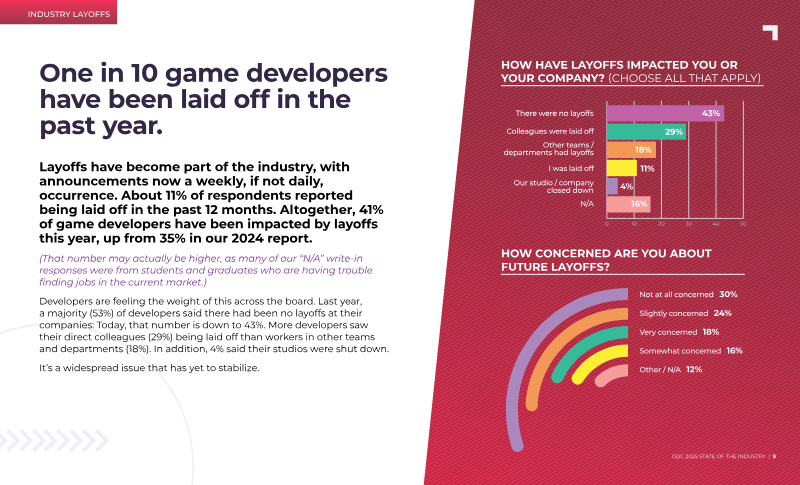
41% of developers were impacted by layoffs, largely due to over-hiring and poor leadership.
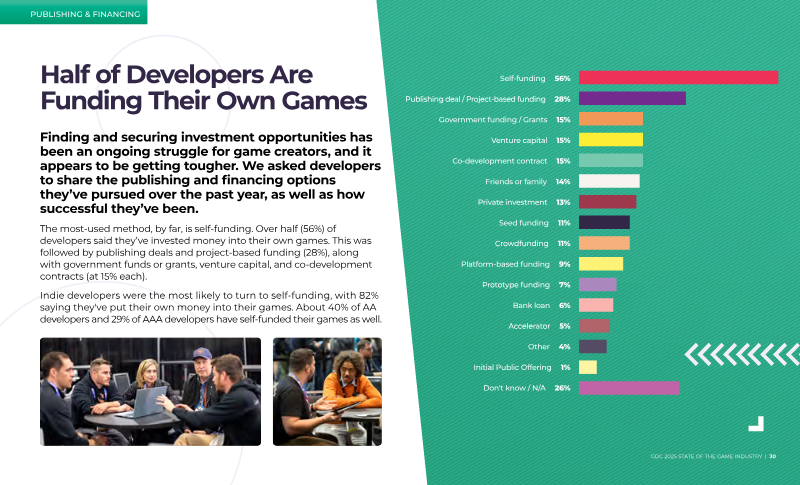
Traditional investment channels are tightening, forcing 56% of creators to self-fund.
It's like a small business owner bootstrapping their startup when bank loans become scarce.
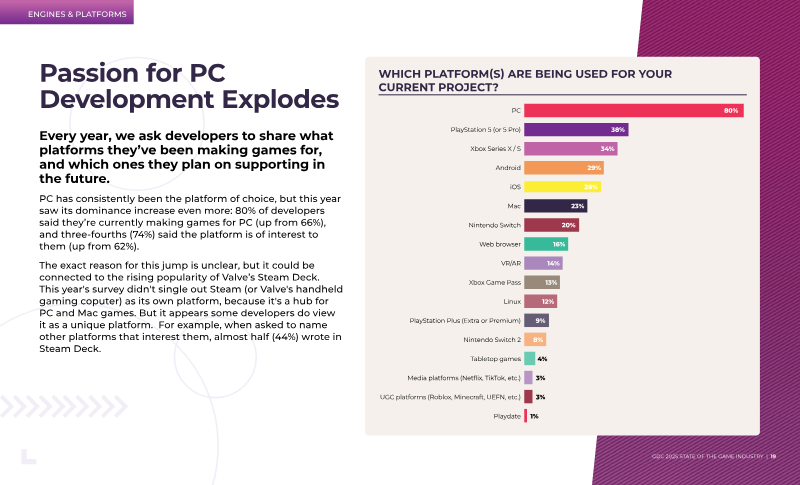
PC development captures an 80% market share, with Unity and Unreal Engine continuing as primary development tools.
PC Dominance. PC development continues to dominate the market with an 80% share.
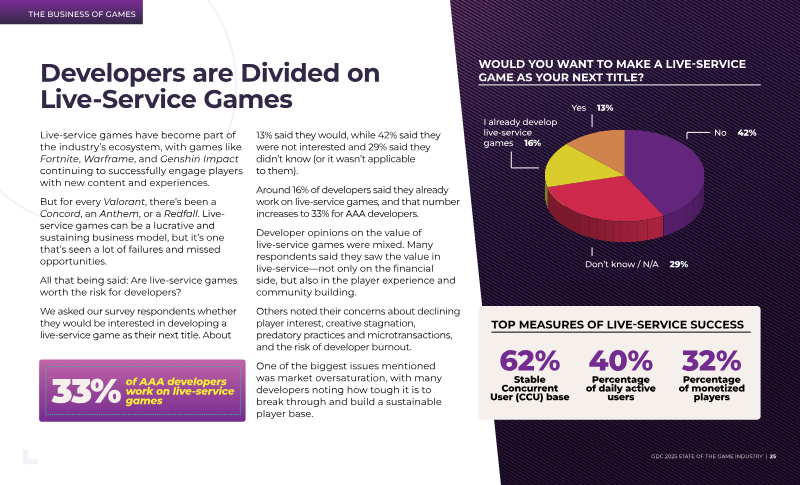
There is a decline in developers working 40 hours or less, and live-service models contribute to burnout risks.
58% of developers support unionization as labor advocacy gains momentum. This aims to secure improved working conditions and long-term stability.
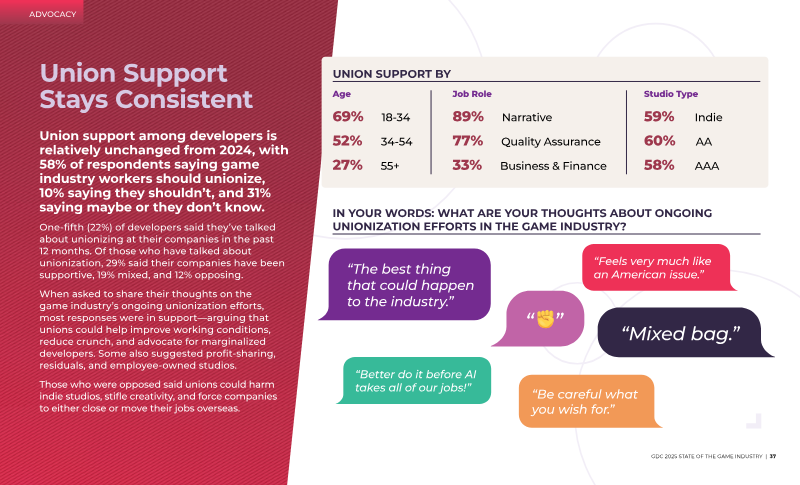
The global game industry is currently navigating a period of profound instability characterized by widespread workforce reductions and shifting operational priorities. Approximately 41% of developers have been impacted by layoffs over the past year, a trend largely attributed to poor leadership, over-hiring, and unrealistic growth expectations. Despite these systemic challenges, the industry demonstrates resilience through a steady rise in independent and solo development, with 56% of creators now relying on self-funding as traditional investment channels tighten. While demographic representation continues to improve, the workforce remains increasingly focused on collective bargaining, with 58% of developers supporting unionization as a vital mechanism to secure better working conditions and long-term stability.
Technological adoption remains a point of significant friction, particularly regarding generative AI. Although 52% of companies have integrated these tools and 64% have established internal policies, developer sentiment has soured as ethical concerns regarding intellectual property and job displacement intensify. Skepticism toward AI’s creative utility is growing, contrasting with the industry’s continued reliance on established infrastructure. PC development remains the dominant platform, capturing 80% of the market, while Unity and Unreal Engine maintain their status as the primary engines despite recent controversies.
Market dynamics are further complicated by the ongoing debate surrounding live-service models, where the potential for sustained engagement is frequently offset by risks of market oversaturation and developer burnout. Operational pressures are mounting, as evidenced by a decline in the number of developers working 40 hours or less and the increasing impact of external disruptions. As the industry prepares for the 2025 Game Developers Conference in San Francisco, the prevailing outlook is one of cautious adaptation, balancing the need for creative innovation against the urgent requirement for sustainable business practices and improved labor protections.