1 free read left. Create a free account for unlimited reading + AI research.
Create free accountWhitepaper DiGRA
1 free read left. Create a free account for unlimited reading + AI research.
Create free accountWhitepaperDiGRA
The report argues that the Kingdom Hearts franchise uses its world-hopping structure to explore globalization, transnationalism, and cultural flow. It treats intervention and non-interference as central questions.
The analysis examines the Kingdom Hearts franchise, a collaboration between Square-Enix, which develops the core games and characters, and Disney, which licenses many of the worlds the series draws on. Its central claim is that the games thematize globalization, transnationalism, and cultural flow, using a world-hopping structure to dramatize questions of intervention and non-interference. Drawing on Star Trek's Prime Directive and Cold War-era theories of US cultural imperialism and development, the work treats media imperialism as a useful but ultimately limited lens for reading the series, which it applies across the main titles and their multi-platform release chronology.
The study argues that the franchise dramatizes cultural imperialism and global capitalism through the threat of the Heartless, the sealing of worlds, and the interventions of Disney characters, which can be read as critiques of homogenization and forced modernization, though the author cautions that such readings are overly simplistic. Mobility between worlds, enabled by dark corridors, Gummi Ships, and commodity-based trade routes, emerges as the series' cosmological and political system, closely mirroring capitalist connectivity and Japan's own modernization. The series is further read as an allegorical, multi-authored text whose locations, including Hollow Bastion, Destiny Islands, and Twilight Town, allude to Japanese history and identity, a reading the developers themselves have encouraged.
The final portion turns to the Winnie-the-Pooh "100 Acre Wood" world in Kingdom Hearts II, situating it within the broader history of how media properties are translated and retranslated across forms. Disney's Pooh franchise generates over $1 billion annually, yet its rights are fragmented among the Slesinger family, the Milne estate, and Egmont, and the franchise enters the public domain in 2026. The authors read the world's bifurcated visual style, classic Edwardian against Disney animation, as an expression of the franchise's tension between nostalgia and commercial continuity. They present these conclusions as preliminary and open to further study.
 DestinyGame · Bungie · 2014 · 154 documents
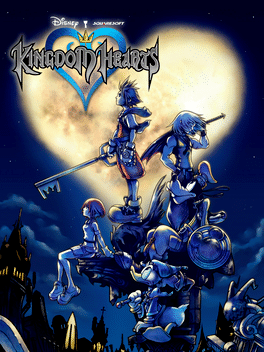 Kingdom HeartsGame · Square Product Development Division 1 · 2002 · 33 documents
 Kingdom Hearts IIGame · Square Enix Product Development Division 1 · 2005 · 9 documents
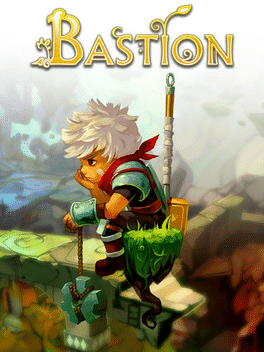 BastionGame · Supergiant Games · 2011 · 5 documents
Each row is a game or company this document names, each column a document, oldest first. A mark means that document names it. Select a row to see those documents.
DiGRA · 2016
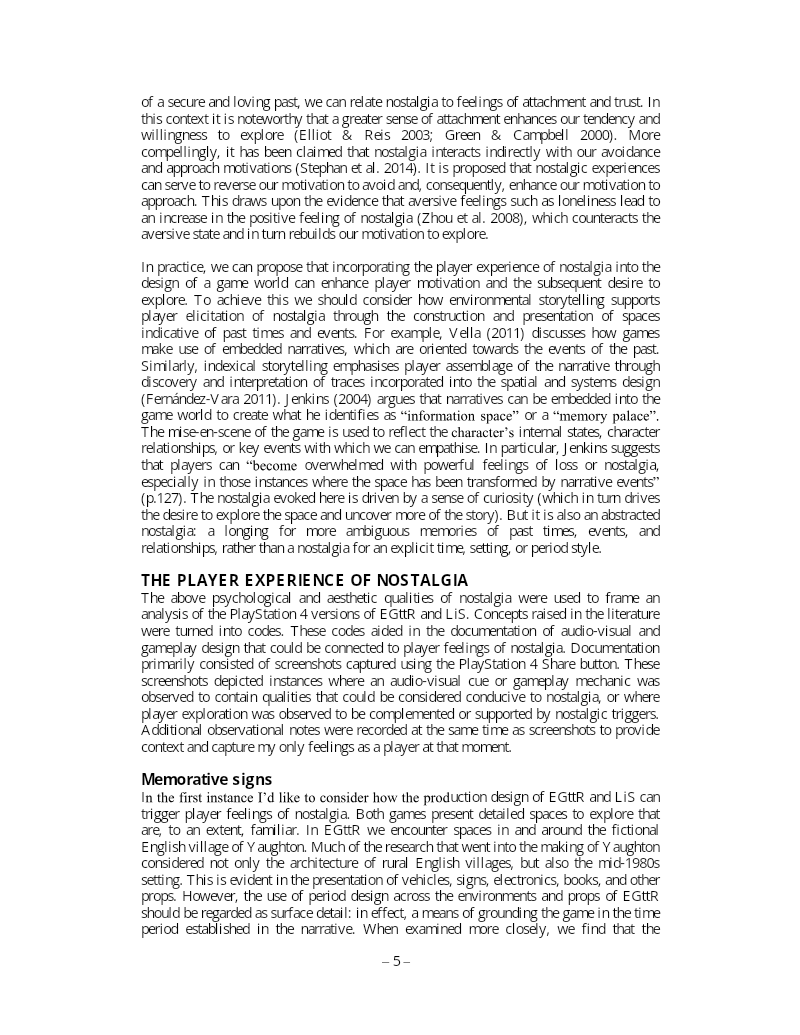
DiGRA · 2016
Extra Credits · 2017