Action RPG
Documents

Is This New Marvel Game the Next Big Mobile Hit?
Marvel Mystic Mayhem, a recent action RPG release from NetEase, attempts to differentiate itself within the crowded mobile market by blending squad-based collection mechanics with real-time, card-driven combat on a hex grid. Despite its high production value and visually impressive art style, the game faces significant challenges. By limiting players to a three-hero squad, the title deviates from the industry trend of deepening collection metas, and the inclusion of an autoplay feature—which users rely on for the vast majority of gameplay—effectively undermines the game’s tactical premise.
Market performance for the title has been poor, characterized by a rapid decline in download rankings shortly after launch. This suggests an inability to sustain user acquisition efforts, which likely points toward a swift contraction in daily active users. This struggle reflects a broader trend within the Marvel mobile gaming ecosystem, where established titles like Marvel Snap and Marvel Strike Force are experiencing significant revenue and engagement attrition. While some legacy titles like Marvel Puzzle Quest maintain steady user bases, the overall sector is suffering from a lack of growth and shifting player preferences.
The failure of high-budget projects like Marvel Mystic Mayhem highlights a systemic issue in the mobile industry, where costly development cycles often yield products that struggle to find a sustainable audience. Analysts suggest that the squad RPG genre is losing ground to 4X-style games, which have successfully captured the market's attention. Ultimately, the rapid decline of these Marvel-branded titles indicates that high-quality visuals and deep narratives are insufficient to overcome the challenges of modern user acquisition and the waning popularity of traditional turn-based or squad-based RPG mechanics in the current mobile landscape.
- NetEase's Marvel Mystic Mayhem has experienced a rapid decline in download rankings shortly after launch, indicating poor market performance and a likely contraction in daily active users.
- The game's core design choices, specifically the limitation to a three-hero squad and the inclusion of an autoplay feature, undermine its tactical premise and fail to align with current industry trends toward deeper collection metas.
- The broader Marvel mobile gaming ecosystem is currently facing significant revenue and engagement attrition, impacting established titles like Marvel Snap and Marvel Strike Force.
- High production value and visual fidelity are proving insufficient to overcome modern user acquisition challenges or to sustain interest in traditional squad-based RPG mechanics.
- The mobile market is shifting away from squad-based RPGs, with 4X-style games increasingly capturing the audience share previously held by the genre.
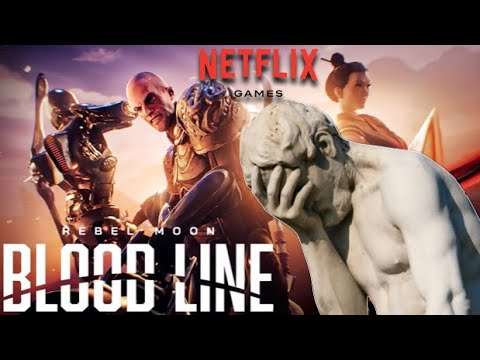
The Sad Truth Behind Netflix’s Rebel Moon Game
The recent announcement of a Netflix-exclusive co-op action RPG based on the Rebel Moon franchise highlights the precarious position of Super Evil Megacorp, a studio currently trapped in a state of startup stagnation. Despite raising over $70 million in venture capital and gaining early industry recognition for the MOBA title Vainglory, the studio has failed to achieve significant commercial growth. Having transitioned from an independent developer to a service provider for platforms like Apple Arcade and Netflix, the company exemplifies the risks of high-valuation startups that fail to exit or scale, effectively entering a corporate twilight zone.
The Rebel Moon project appears to be a legacy commitment, likely greenlit under previous Netflix leadership before the company’s recent internal restructuring and downsizing of its gaming division. The project’s reliance on mobile-only distribution—a segment where the title faces significant challenges—suggests a disconnect between development strategy and market realities. Industry analysts warn that developers partnering with major streaming platforms should exercise caution, as these entities often lack a long-term commitment to the gaming sector, leaving studios with limited runways and uncertain futures.
Separately, the industry is monitoring the upcoming launch of Valorant Mobile in China, a market currently dominated by established tactical shooters like Crossfire, which generates approximately $20 million monthly on iOS alone. Developed by Tencent’s Lightspeed Studios, Valorant Mobile enters a competitive landscape that includes titles such as Delta Force and Arena Breakout. While the game has faced a lengthy four-year development cycle and rumors of cancellation, its success will depend on its ability to capture the tactical shooter audience in a region where mobile FPS titles remain highly lucrative.
- Super Evil Megacorp is struggling with 'startup stagnation' despite raising over $70 million in venture capital and achieving early success with the MOBA title Vainglory.
- The studio has shifted from an independent developer to a service provider for platforms like Apple Arcade and Netflix, a transition that highlights the risks of high-valuation startups failing to scale.
- The Rebel Moon co-op action RPG is likely a legacy commitment greenlit before Netflix’s recent internal restructuring and downsizing of its gaming division.
- Analysts warn that developers partnering with streaming platforms face significant risks, as these companies often lack long-term commitments to gaming, leaving studios with limited runways.
- Tencent’s Lightspeed Studios is preparing to launch Valorant Mobile in China, a market where established tactical shooters like Crossfire generate approximately $20 million monthly on iOS alone.