1 free read left. Create a free account for unlimited reading + AI research.
Create free accountArticle GameDiscoverCo
1 free read left. Create a free account for unlimited reading + AI research.
Create free accountArticleGameDiscoverCo
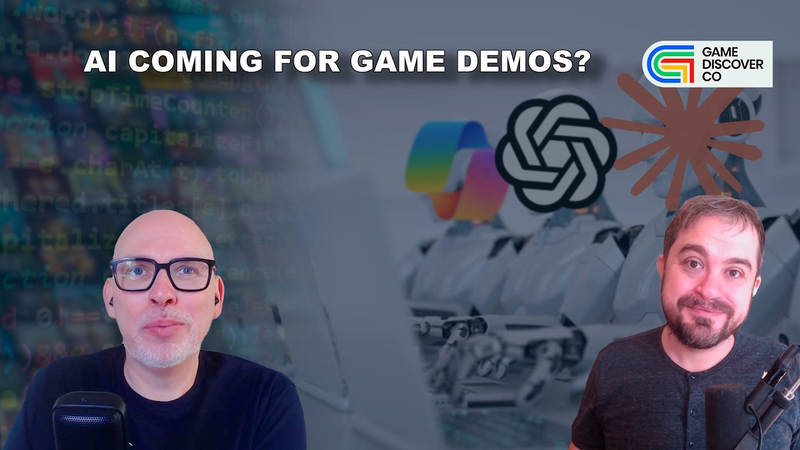
The primary purpose of this analysis is to evaluate whether developers should alter their game discovery and release strategies in response to growing concerns regarding AI-assisted code decompilation and game cloning. The central thesis posits that while fears of AI-driven intellectual property theft are understandable, they are currently overstated. For the vast majority of complex, high-quality titles, the risk of being effectively displaced by an AI-generated clone remains low, and developers should generally maintain standard practices such as releasing public demos and engaging with streamers.
Key findings indicate that while some developers have canceled or restricted public demos due to fears of reverse engineering, these reactions are often premature. The analysis highlights that most "clones" are manual, low-effort imitations of simple, meme-worthy concepts rather than sophisticated AI-decompiled products. Data from the current market suggests that original titles with significant complexity, established branding, and artistic depth are largely insulated from these threats. Furthermore, the analysis notes that even when cloning occurs, the resulting copycat games rarely achieve commercial success, as they lack the original's market momentum and player trust.
The scope of this assessment covers the global PC gaming industry, specifically focusing on Steam-based discovery trends as of October 2026. The methodology relies on industry observation, analysis of current platform trends, and case studies of specific titles that have faced cloning allegations. The analysis concludes that developers should only consider shortening the window between game reveal and launch if they are producing highly simplistic, easily replicable, or viral-focused titles. For most developers, the benefits of early community engagement through demos and outreach continue to outweigh the risks of potential cloning.
GameDiscoverCo · 2026

GameDiscoverCo · 2026
GameDiscoverCo · 2026
GameDiscoverCo · 2026
GameDiscoverCo · 2026
GameDiscoverCo · 2026
GameDiscoverCo · 2026
GameDiscoverCo · 2026
GameDiscoverCo · 2026
GameDiscoverCo · 2026

GameDiscoverCo · 2026
GameDiscoverCo · 2026
Deconstructor of Fun · 2026