1 free read left. Create a free account for unlimited reading + AI research.
Create free accountWhitepaper DiGRA
1 free read left. Create a free account for unlimited reading + AI research.
Create free accountWhitepaperDiGRA
The study argues that the proverb conceals conflicts over consumption, education, the meaning of play and morality.
This study, presented at DiGRA 2019 and conducted by researchers at Sun Yat-sen University, examines how urban adolescents in mainland China consume peripheral products of digital games, and how their parents interpret that consumption through the traditional proverb "excessive indulgence of playing saps ambitions" (wan wu sang zhi). Its central argument is that this parental judgment conceals deeper generational conflicts over consumption, educational aspirations, the meaning of play, and moral values, and that young consumers use these products to construct a sense of self and to exercise a quiet, indirect form of resistance against mainstream and parental expectations.
The research relies on qualitative narrative inquiry with 13 cases selected through intensity sampling, drawn from only children in Guangzhou, a first-tier city. Analysis of interview data leads to four interpretations of the proverb as applied to these adolescents: parental educational expectations rooted in upward social mobility compete with sub-cultural consumption for time and space in daily life; parents' negative judgments reflect divergent generational perspectives on consumption; limited gaming experience among parents prevents them from recognizing the cultural and social significance of digital games, revealing differing conceptions of "game" and "play"; and moral critiques of mass culture in China are drawn upon by parents as tools for value education within single-child families.
The findings further show that young interviewees generally perceive parental expectations and attempt to communicate about gaming culture, though these efforts usually fail to bridge the gap. Rather than confront parents directly, they cultivate supportive social networks and adopt circuitous strategies to avoid conforming to the cautionary image the proverb describes. Their continued consumption signals a desire to step away from parent-designed "growth paths" and to pursue personal life satisfaction. Over time, the motivation behind their consumption has shifted from forming a shared cultural identity toward reconstructing and expressing the self, a practice of agency that distinguishes individuals from mainstream culture in small, subtle ways.
DiGRA · 2023
DiGRA · 2023
DiGRA · 2023
DiGRA · 2023
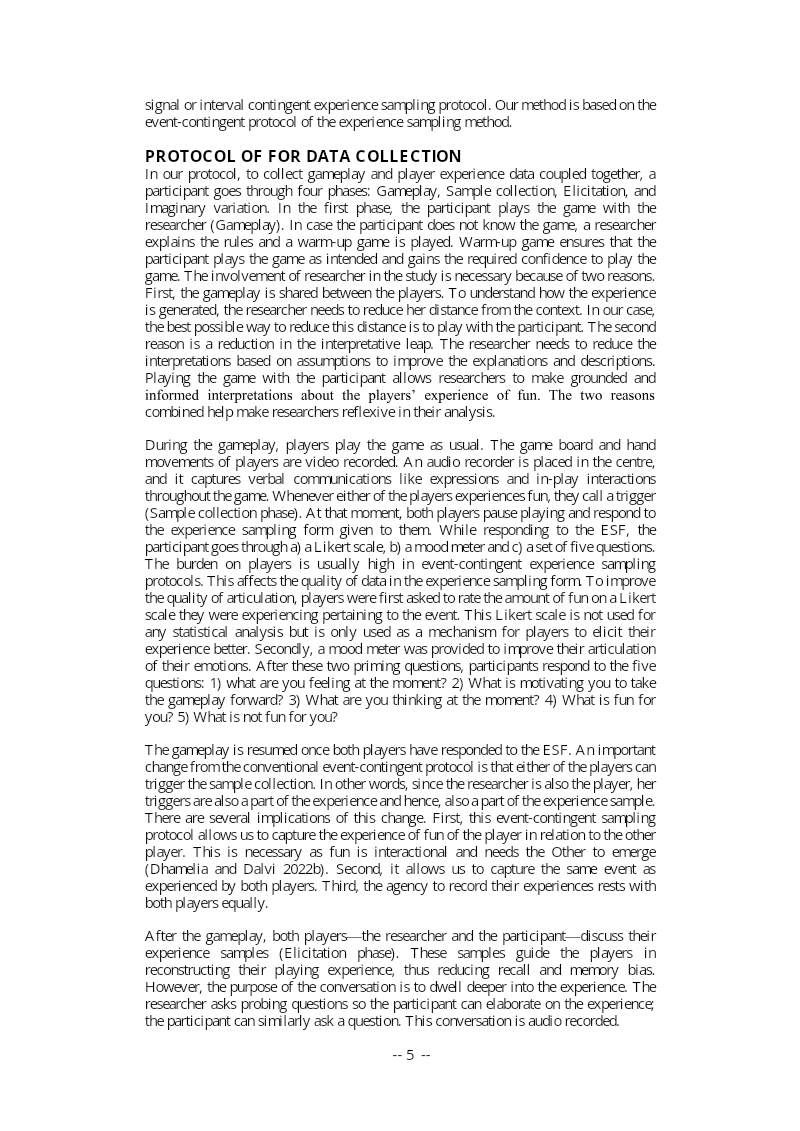
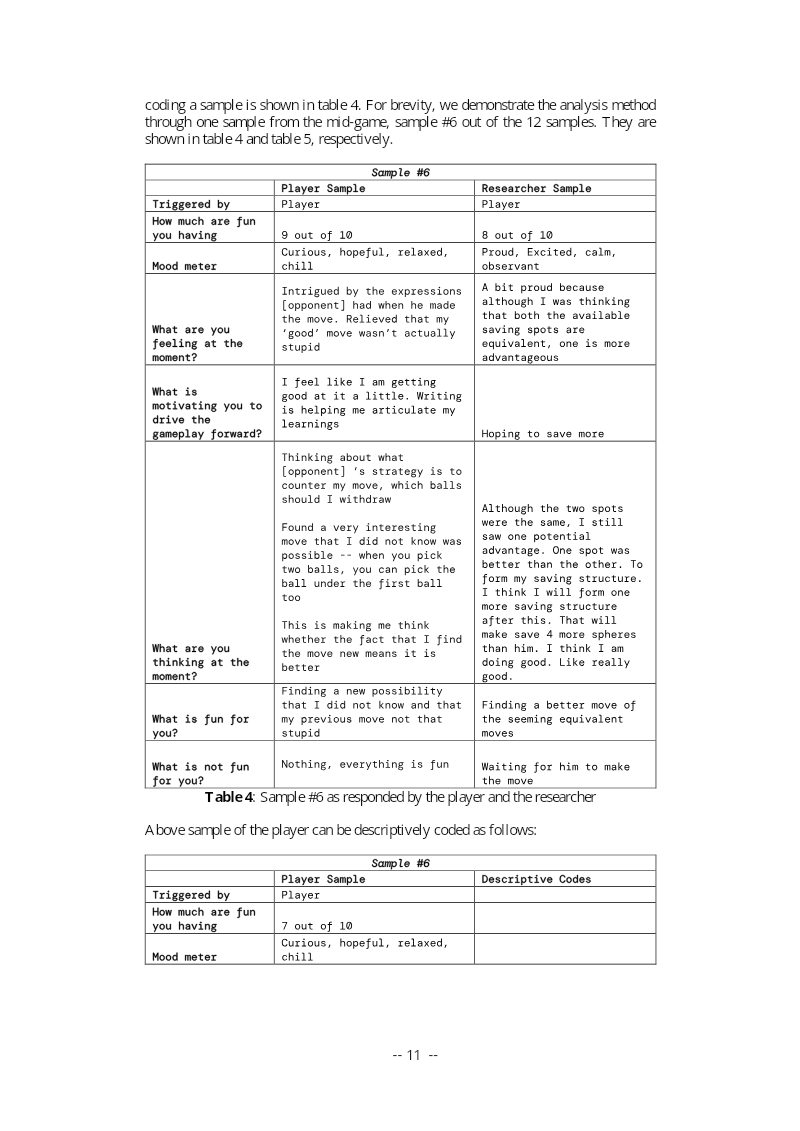
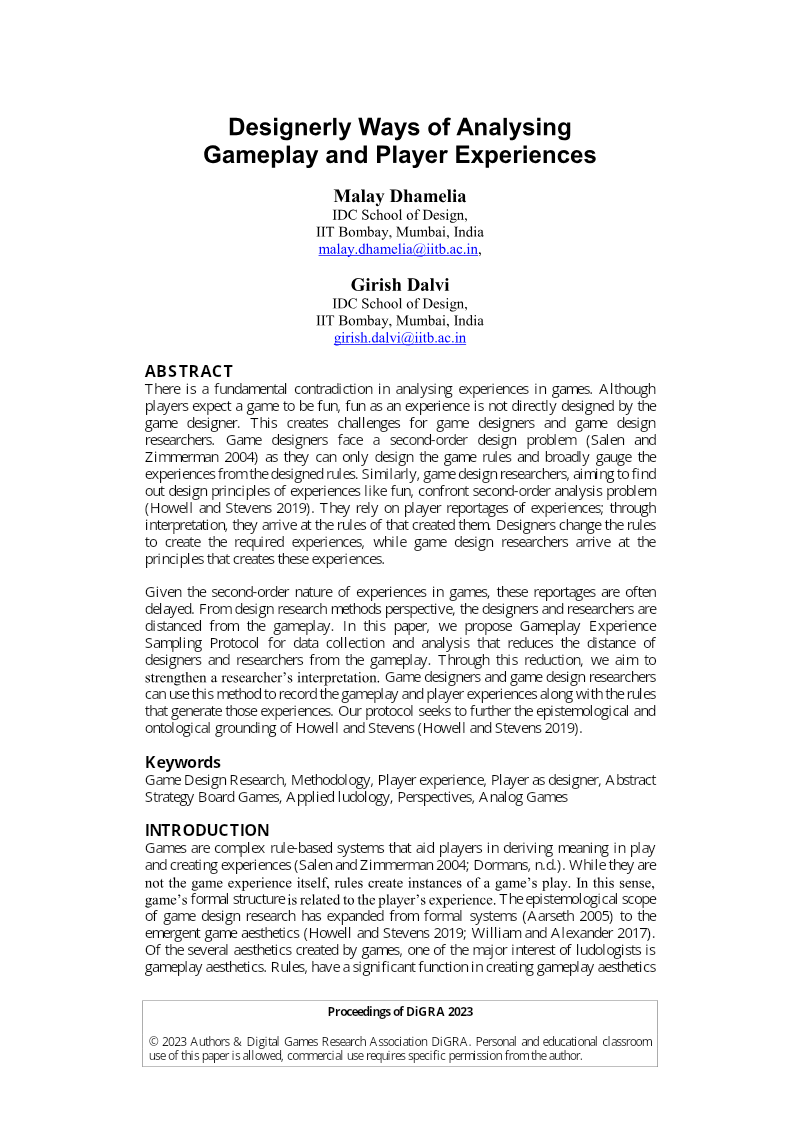
DiGRA · 2023
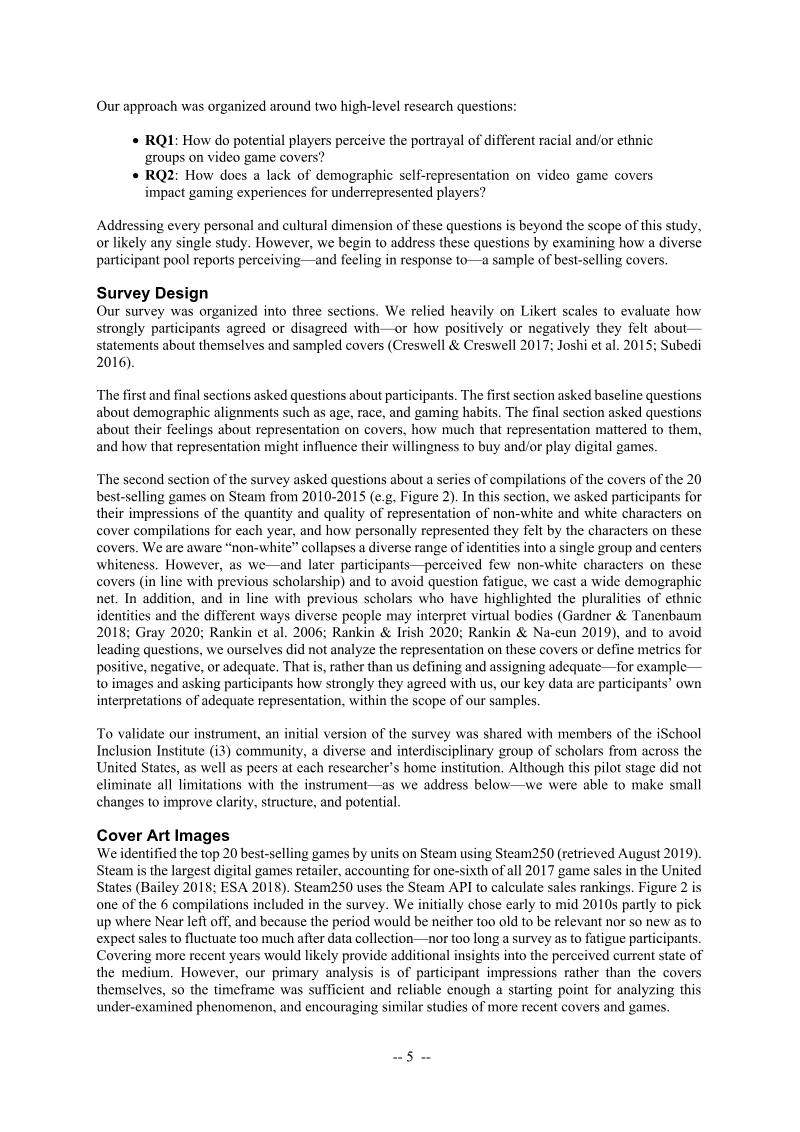
DiGRA · 2023
DiGRA · 2023
DiGRA · 2023
DiGRA · 2023



DiGRA · 2023
DiGRA · 2023
DiGRA · 2023
DiGRA · 2022