Transcript
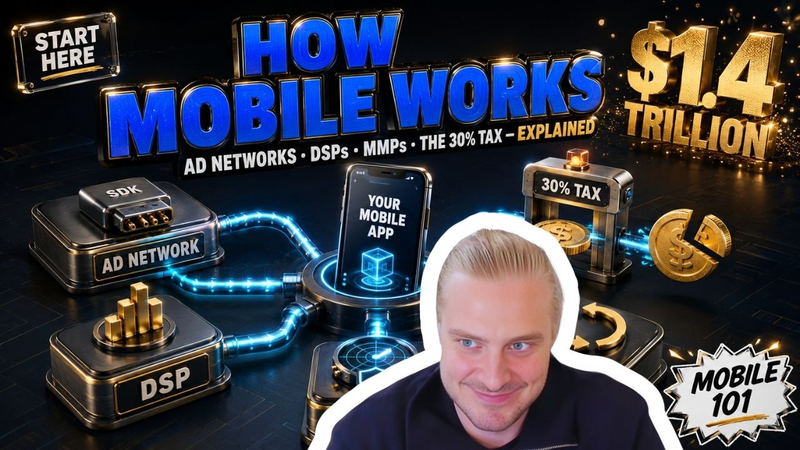
Yeah. Like how do we get you asked about like what is a DSP? What is I wish I wish I had this when I joined the industry. This is exactly what you can't find anywhere. Yeah. Yeah. And uh I'm glad you're enjoying this. So initially when you know the apps you know apps and companies launched you know publishers like I got these cool apps people are playing. How on earth am I going to get like advertisers to like spend on me? and the advertisers who have web products and TV like, "Wow, there's these cool mobile apps, who have great direct access to users and and distribution. How do I connect?" It's 4 a.m. and we're rolling the dice drops made of golden eyes with making those coins. We're the two and a half gamers, the midnight crew talking UAS and game design, too. Mate, feel bringing the insight. We're rocking those vibes till the early daylight ka master eyes on the prize. Tracking data through the cyerspace skies. Feeling stacks dollars
like a wizard in disguise. Challenge crafting realms lift us to the high. Two and a half gamers talking smack. Slow hockey stick got your back. Ads are beautiful. They light the way. Click it fast. Don't delay. Uh-huh. Uh-huh. Uh-huh. Uh-huh. Hello and welcome everyone to another very special episode of the two and a half gamers podcast where you can stay two and a half steps ahead of the mobile gaming industry. Today I'm joined with Mata and a very special guest. But before I get started, I'm Felixberg. My name is Mate Lanches and we are are your hosts. So like I said, uh we're joined with a very special guest showar. Uh do you want to introduce yourself and then maybe talk a little bit about about the topic we're going to talk about today because it's uh a good educational topic that we have for everyone today. Yeah. Well uh thank you everybody for having me. I'm Shabar Shabari. I'm the director of publisher sales at Maloco. You know
I've known Felix for several years now and I met Mate recently as well. I joined GDC and you know when I was honored to be part invited to this I was like hey what could be cool to discuss that people would like to learn and be collaborative with you guys. Um and I've been fortunate enough to be in the industry for a while. Let's talk about like what mobile ad inapp advertising is all about and when did it start and where it is now almost like a quick crash course. So uh yeah the crash course I wish I had when I joined the industry. Yeah. Yeah. Our solo episodes uh regarding similar topics went amazingly well. So this is a very good good starting point. People love it. Awesome. Yeah. So u let me kind of get this going everybody. Oh, nice. Yes, we have presentation as well. We love presentations always and we always love to ask questions during presentations. So, it's going to be once we get started, sugar, do you want to just explain for the audience before we get
started like what is Meloco and what does Melo do? Yeah, Melo it means machine learning company. Just a quick backstory is the founders were ex googers. They they joined to help like YouTube monetize the early days when YouTube was acquired by Google and then like learn about business models around the Google Android Play Store when they acquired Android. What they noticed was like a lot of businesses did very well within Google and within the wall gardens, but there's just like 70% of the open web that's basically people running company and businesses are just not making relative business and revenue. Um so they left to start Maloco. Um they literally raised like some money for the first few years like worked on this machine learning product and then the go to market was what they're very special specialized in is like you know the DSP which is like an ad platform they launched which is now like like a unicorn you know well over two billion in ad spend last year in 2024 on. So
that's kind of just a quick nutshell about Maloco and I'm here to kind of describe more on the supply angle. It's just kind of my specialty. They launched an STK and I'll explain more about like how I got involved and when I joined and you know Felix and I kind of specialize in this space. I know you guys talk about cool games, like the game structure, a lot of UA stuff, but I was like, Felix, we need to talk about more admon. Let's let's kind of Yeah. I mean, the deck will show you kind of a quick history about like and what led to this because I think it'll confuse without showing that background. All right. Perfect. So, let's get into it a little bit here. Advertising has been around since ancient Egypt, actually. So if people think it's like a new thing, it's it's been around for, you know, centuries and and like in the US, it's been around since like US has been formed like for 300 years. It's part of our fabric of our culture, you know, part of capitalism and now around the world. And I have like the example of like Times Square. Times Square is like
since like 1900 basically. And since the New York Times moved there has had this like kind of real cool culture of like massive billboard and ads and it was neons signs and then it basically became digital digital signage and now like connected to the internet um and interactive and about a couple hundred thousand people a day see this when they go there. Mad Men, the show that came around 2007. I think it lasted about seven, eight years, about a hundred episodes. Again, this described like the boom of the adtech uh excuse me, the advertising industry in America in 1960s when radio and television and newspaper were taking off. So, it almost feels like you know you guys and us are in this like mad men or mad women of digital advertising. What's going on in mobile? So, what is mobile? Yeah. Right. Yeah, there's about 8 billion plus people in the world and um almost 60% of the world right now um has a smartphone.
So, we're pretty much interconnected to these devices. There's about 9 million ads or excuse me, applications. I'm so like addicted to ads that I'm talking ads, but it's really applications here. There's way more ads than than Yes. live and breathe that you always like, right? But there's about like 9 million apps and there's about two million in iOS and two million active on both stores. Um, and then within everybody's devices, there's about 80 on average and like 30 per month that you use and about nine per day. And I mean, look at this. This is like at a concert live. Everybody's just like instead of being present, they're that's the part of you like this is part of your life now. So, you know, it's very important to kind of really get the gist of this because everybody is now extended to these devices. Just a quick little background about uh you know, myself. I've been So, my friends and I moved to San Francisco. We
tried some apps when the app store launched when Steve Jobs announced the app store. They didn't work out, but I was like, well, I think this is the evolution what's happening from what TV was to the web and really to these devices. And you I was fortunate enough to understand that's the future. Um, in the early days around 2010 and 11, um, if you guys don't remember, uh, it was pretty much two ways to monetize. It was like premium apps for like 99 cents or free. And a lot of the game studios that were launching were like their ex-conole people were really like deep game experiences that came on mobile. Um, and and were hesitant to work on creating apps with ads. U, and so I came in like, hey, I I I would play the games. I would understand it. And I'm like, look, let me help you out create some like cool ad placements and um it's non-intrusive. It doesn't really interrupt the flow of the game and you could create a business model around it. And I was very fortunate during my time at Mob Clicks to work with like game studios like Half Brick and Fruit Ninja, you know, come to us.
Yeah. And one of their founders said, "Hey, I want to create this for everybody else." And that's where he launched Addiction and I went to join him and I went on the other side. So I went on Mate's side to help with distribution and growth in the early days when when CPI launched in 2012 and 2013. And this is the I call it the wild west of like the app store like everybody wanted to get on the top charts because once you're on the top Yeah. Yeah. Yeah. Yeah. Uh uh incentivized apps and installs, right? like I was working on like like this uh app a day app uh and you know offer walls expanding and kind of crazy to think this is cyclical where offer wall is a conversation again and I'd love to again pick your brain about that but like you know back then it was like booming right you would do anything possible to get your application in the top 10 because like you would get hundreds of thousands installs a day or top 50 or 100 get tens of thousands of installs so that organic uplift of like spending you know $10,000 and get 10,000
installs but then you about 100,000. That cost went from like say a dollar an install to 10 cents an install. Um I briefly left to join Pebble, the smartwatch company. It was a complete different thing. I just knew the founder. I loved their Kickstarter campaign. It was a different form factor of like, you know, the phone to the watch and the wrist and how brands and could connect to a user on a much smaller and faster way. And so that was like fun. I I help with the app store cur curation form factor of apps that are just like simplified like weather or even like just clicking an Uber ride from the watch. But I missed mobile so much. Kind of like that Alpuccino scene where it's like every time you try to leave they grab you and bring you right back in. Well, I came back back to mobile. Leave. Yeah, exactly. And yeah, I mean I came back because I just really love working with primarily game companies and the supply side uh and helping them you know with the
business model last few years of integral and this kind of leads to my next topic is you know what and you guys know this the landscape the last 3 to six to 12 months has been very difficult for publishers. the wall gardens and the mediation providers are taking massive amount of a thing when we when I joined and when I saw in the last few years like bidding ad stacks was kind of a way to be democratized um and any ad network could have become a formalized ad network so it was awesome and and now it's become more and more challenging and I was like what is the best way that I could help my current publishers along with publishers that are out there compete in ad stack without any changes, like nothing dramatic. And I I was like, I've been following Maloco, my friends who've been working here the last couple years, and the fact that they had a an incredible direct access to advertisers. With my background, the supply for 15 years, I was like, okay, maybe it's time to come more on the, you know, the demand side
platform and help the publishers monetize into ad stacks, uh, and create a healthy share of voice and share of wallet, um, you know, with the ad platform like Maloco and the new DS, the new SDK that they have. Nice. And so now I'm trying to help focus on like a really healthy bidding stack and like I'm excited and you know I'm here to explain a little bit more about the industry, what's going on. And by the way, Oh yeah. Jesus Christ, this is amazing. No, no, like I love it. I love this because this explained everything. Yeah. I don't know if you guys know Limo Partners is kind of like a I think they're like a private equity um who focuses on adtech and primarily mobile. And uh they did a great job here. I mean, this is like an infograph of like hundreds of like companies. If you're a publisher looking at this right now, like share, why is showing this? This is so overwhelming. It can be like like where do you fit in as a game studio? Where does the ad tech companies fit in? Like who do I work with? Um, so it could be daunting, but what I want to share is that kind of relates to this space is
we're a mature industry now. I mean, this is $200 billion market uh in in your revenue spend. I mean that that's incredible growth in like 15 years. It's growing over 21% year-over-year. So this year about 262 billion and by 2030 too over a trillion dollars in ad spend just in mobile which is pretty crazy. How are ways publishers can monetize? Um there are three key ways generally. Now there's more um but these are the main ones like inapp advertising. It's basically hey if you have apps they're free. most your users are free. Let's help you put ads and generate a business model around that. Uh second is inapp purchases. So a lot of times this is more for uh midcore to hardcore to casino a little bit more refined games uh who encourages users to upgrade or buy products um within their stores to just kind of compete in in their applications. Then lastly is a
subscription model where a percentage of users are just really addicted to primarily non-game like music players, dating apps, uh, educational apps. Yeah. Apps business primarily. Yeah. Yeah. I mean there are there are some non uh like game and game companies who may be able to do this. We know like some uh but but yeah like this is primarily non-game and there are other means of like revenue. I've I've been hearing the likes of people testing like crypto and NFTts and uh you know we're past that. Yeah, we're past that already. The hype. Yeah. Yeah. It's AI now. It's AI now. AIT. Yeah. I love it. I love it. Yeah. Let's do the follow the hype train, right? So, let's talk speaking. Yeah. Like how do we get you asked about like what is a DSP? What is I wish I wish I had this when I joined the industry. This is exactly what you can't find anywhere. Yeah. Yeah. And uh I'm glad you're
enjoying this. Um so initially when you know the apps, you know, apps and companies launched, you know, publishers like I got these cool apps, people are playing. How on earth am I going to get like advertisers to like spend on me? And advertisers who have web products and TV like wow there's these cool mobile apps who have great direct access to users and and and you know distribution. How do I connect? Um, so a lot of times it was manual and then what happened was ad network startups popped up and these these startups basically had these software development kits their SDK that were plugged in natively into apps um and and then the advertisers could basically target applications. The problem was was there was good and bad. The good was like oh I get access. The problem was there was a lot of cross-pollination. What does that mean? um a lot of ad networks doing the same thing and uh competing against each other and so you like where can I find direct access uh to like the bundles and
the users and uh and then the publishers be like I want the best type of ad inventory that's qualitative and things of that nature again and then the exchanges appear they're middleman platforms oops excuse me um that connect basically the ad networks um with the ad inventory that they have with publishers and the the targeted publishers and this helps streamline qualitative ad performances and now networks could specialize more on certain things like if you're more on games you want performances you're on non-game the exchange could understand that that oh I have these publishers who are just hyper casual why don't you target these and what happened was it became so specific that it became more and more complicated that are like all right the exchanges those are maybe too complicated for a servers too expensive to do all everything let's specialize like hey
Maloco like Maloko launched to be an adspecific demand side platform where they have like we have like 2600 direct advertisers from like game studios like King to DraftKings and many others who want to target publishers but are like man there's so much challenges to do like you know Maloku is like hey we have a really good machine learning product let's just target and we target through you know multiple ad networks and we could find the right performing publisher for you on the flip side for me I have the supply side background I have relationships with publishers who who have incredible access to like inventory and I've been able to resell that to like networks and exchanges as a SSP for the last 15 years so I'm bringing that kind of understanding to Moco so yeah like I was mentioning like where do we access. How can we sell that access to, you know, publishers? So, how do most publishers here, right? They're not very familiar with SSPs usually, right? They
they plug in to their ad network, right? Why don't a lot of publishers know what an SSP is and maybe you can explain what an SSP is, right? Okay. So, there are uh that's a great question, by the way. There are hubbased networks that are supply side that are only like an SDK that plugs into you. There are networks that are an exchange server side and focus on publishers and connect either directly or through that SDK network to have access to you. There are also both where are there are like some of the SDK networks we all know of who have a network but they also have an exchange. What does that mean? Basically it's allowing you the publisher to have as much opportunity to monetize without being constrained to just like a performance ad or a game ad.
For example, in the last 12 months, I have seen an increase of non-game ads within games. So, and a lot of that access has come directly from this like the exchanges. Now, there are a lot more smarter performance-based advertisers coming in, which is awesome, that are non-games. But that's an example of this, right? because all many years the game studios like everybody talks about brands and things and it's like okay but that the exchange and the networks are able to do that and target these publishers and I guess publishers see this like how you see it is through the adups txt file through the reseller list that you actually see right so that's when you actually see who's actually behind the networks actually allowed to buy your inventory which is exactly this diagram right yes exactly And there's a little bit more here I want to share. Uh then I think it kind of caters to what we're discussing more on the supply setup. Here we go. I think
Felix, you're very familiar with this setup. Uh and um so what has happened again I'm kind of going backwards and I'll come to where we're at now. In the early days it was again direct access publishers manual. Then you had like SDKs and you're like there's multiple SDKs. The files were big. it's interrupting the game flow. I can't fit to scale to put this and publish to the app store. What do I do? Some game studios created their own like way to mediate that when they're not specialized in this. And then finally, companies like Mock clicks or Mopub which was acquired by like Twitter, you know, they created this mediation provider u and now they're bidding solutions that Max started initially and everybody does now. uh where allows you to add one major SDK that software development kit will pipe and allow everybody to bid in real time all these other networks um and then get the best quality ads to serve in your application. And I don't know if you guys have any questions here or Felix you have any thoughts. Yeah. Yes. Great. So before
this publishers essentially had to add a bunch of SDKs and when the mediations came along it just simplified it and put it all into one unified place where you had all your auctions take place which meant that it's fair and I guess maybe you can talk a bit about how mediation was done in the 2015 around then when it was pretty much only on placements and kind of the the wild west it was around then and what kind of deals you could make cuz it's hilarious. Correct. So, there was this thing called the waterfall auction. Nice. That led to bidding. So, I I think I was reading your mind. Yeah. So, what what does that mean? So, when you were setting up uh your ad stack, again, going backwards, you were like, "Oh, um just let the SDKs bid." And then it was like, "Oh, it's the same price point and you're getting the same revenue." And then what happened was uh
you know the publisher was getting more sophisticated getting ad at quality people to come and say no you you need different levels of pricing minimums for the CPM and the ad networks to bid on. So we create these waterfall as you can see here different CPM price points. The good thing was a lot of people saw a nice increase it. So instead of being like 250 on average for example this ad unit would increase to 320. The challenge with the waterfall was it was cumbersome. It was super manual. Servers would call ads because everybody all these ads were being served at the same time and then like and then like the ad server would think it would get the best ad but in reality because it was like capped it would just serve an ad that it was priced out. You would put like 500 or not 5 excuse me like a hundred CPM levels from anywhere from like $3 to $100. And that's not just with one ad network. That's with all your ad networks. You had to put ad tags. It was a lot, right? And then what happened was again bidding came. Bidding
I call it like a the stock trading for like ad networks and and and publishers. It allows any ad network to you know bid in real time 24 hours a day into your inventory when we have campaigns and the best price point always wins. So I guess I guess want to add here like I guess this is the equivalent of when we had the waterfall placements. It's the equivalent of the madman era in mobile because that's essentially when you'd get ad colony which was the biggest network back then reach out to you and be like hey I'll give you a $10,000 bonus if you put me top of your waterfall for the next month. Do we have a deal? We want first look. And this is when you could play around. Some of the big networks were able to, you know, spend for full screen ads like 20 mill$ 20 to $100. Not everybody could. Um, that's one. The other was like some ad networks were like, you
know, they couldn't even compete at all uh within like the ad stack. But now with again header bidding in real time everybody everybody should have a healthy uh percentage of like your your overall revenue like share of wallet basically. So yeah, I do rem do remember those days of like the the premiums and the minimums also like people negotiating like oh we want minimum revenue guarantees or or things of that nature and now it's like there shouldn't be because a lot of times ad networks are giving the publisher more margin so that we could win in your ad stack and so the advertisers probably could perform better um and sell better quality ads in your ad stack. What are the ad units? Wait, wait. Can I can I go back to the one before this because I had a really interesting question and I think the audience will really like one more. So, how did these different players earn money? Cuz I don't think people realize that because it's quite interesting,
right? If we can go in and talk about that like SSPs, ad exchange, and DSPs like how do these companies make money? We all know how publishers make money. We all know how advertisers make money. But yeah, let's talk about the middle. Yeah. So basically these are platforms that are like serving ads between like multiple ad networks and they can take a cut in percentage. They charge those other networks to serve within their platform, right? So like I have the best ability to serve ads to this you know this publisher and you're like okay um you know I could try to do it direct but in reality then like they have the access to all the publishers. list serve through that SSP and then we'll just pay a fee to that SSP because they have like access to all these other publishers and all right like for example we're not an SDK or if we have an SDK we don't have that reach you could do it through them right so that that's kind of the thing on the DSP side it's pretty much like the best performing ad unit and and then they pay the exchanges like a percentage or the campaign fee
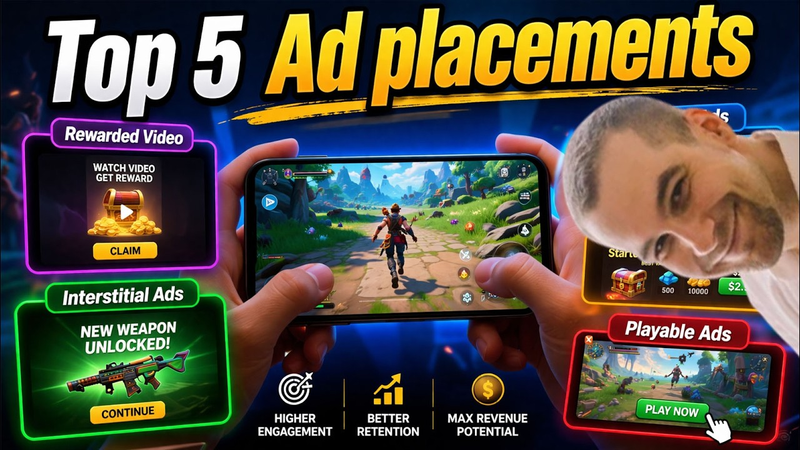
and all that stuff and then just take so these reselling fees do do you know what the percentage typically is is it between 20 or 30% or is that kind of just it varies. It varies on all the platforms really. All over the place is the answer. All over the place? Yeah. Um ad units. Ad units. So there you go. There's generally like five like like ad units that like publishers right now are serving on their applications. Uh the banner comes from traditional web where it's this 320 by 50 kind of small ad unit between the bottom or top of the your real estate of your screen and it usually users could tap on it. It's easier to find when it's on those those locations. It's next to next to the button always, right? Yeah. Yeah. Now you you know like there's reasons for that. Yeah, of course. Right. Like you swipe and you're like, "Oh, this is interesting." you see that ad, you're
like, "Okay, now I'm I'm I'm I'm" and you know, or you go to the bottom of the article and you see that ad unit that's relative. That's probably why it's on the bottom of the screen. Interstitials are full screen ads that generally pop up. Uh a lot of times in games, you place it in like the beginning of the game when when before you start um or like at the end when you like lost something like that where it's not really interrupting the game flow that you're playing and it's it's a nice premium application. You see it's like qualitative and it's relative. This is like another game. It's an endless runner. There's native which is fit to scale. This is more on non-game like social networks. News application, travel sites, all this stuff that are like fit to scale and it's in the stream and doesn't interrupt the flow of those application. Now their video ads primarily we call this rewarded um in games you know like uh you're incentivizing users instead. Majority of your users probably do not spend in app purchases. So, uh you could incentivize
them to do the similar action to do some sort of premium action to continue playing your game. You have them rewarded at to watch. The ad unit is watched for 30 seconds to a minute long. And then you get a premium CPM because you're displaying this in your game. And users are happier because they opted in, got a reward, and they continue playing your game. And then lastly is this playable ads which has only been around I think for like six seven years but it makes sense. It's like play a game as an ad unit that's very relative what your game means. So this one's like I have a you know a fly an airplane fighter or a spaceship kind of game. You could play it being displayed and then I like that type of game. Let me download it so it's actionable. Yeah. Yeah, but that ad unit is kind of shown in the same placement as the video or reverted video, right? Kind of. Yes. Right now, it's pretty much in like an opt-in because you don't want to interrupt the game flow and it's a premium ad unit. How many of your I'm
curious, M like how many of the people you work with like actually do playables versus like well all of them because because as soon as you are kind of running UA outside of Facebook and Google, you need them. So I absolutely need them and I mean I have a you I have a playable team as well. So it's that's very easy very easy. No because like always when we discuss this it's a higher engagement is always qualify the user and it's always way better post install metrics as well and scalable format. So yeah. And Felix, how about you for the the do you kind of encourage all game companies to have like a reward ad placement? 100%. Yeah, I mean it's it's the easiest one to it's the easiest one to get in there, right? How many how many PL like I'm curious on a placement level, you know, how do you guide them or adjust or like on as far as interstitial reward because like this is the pay the best paying ad units these
honestly like it's what I hear from the mediation platforms right now. It's the segment of ads formats that's growing the quickest. So basically out of the whole pool of all impressions that's being shown like the biggest growing segment is rewarded ads and is growing quite a lot. Uh so it's the easiest one to convince because essentially you're giving a reward. So non- intrusive, right? Non- intrusive and gives an award, right? So it's the one that makes the most sense and yeah it's the best format I would argue. Okay. and what uh genres of like I mean obviously like we're we're preaching choir we're on this podcast talking about like I'm curious like you work with a lot of type of game studios right you know what is like some good placement suggestions the best placement suggestions I think the most interesting one I saw recently is like uh play simple they basically move the rewarded ad placements that's usually in the store that's usually where you find a lot of rewarded ads but they moved it to show if you don't buy
anything in the store and leave the store it comes becomes a pop-up up saying, "Hey, do you want these coins for a rewarded ad?" But yeah, there's so many examples there. I'm pretty sure that we can agree, Felix. Like the best use of the the placement is hexasort when it's actually on the board where you unlock. Yeah. Yeah. Which is insane. So, it's getting super advanced how to use it, right? Yeah. That's awesome. Yeah. I mean, again, like the opt-in performance is there. So, that's great feedback. So, let's talk about like how these are priced or like like the history about like where this has been as far as like the terminology and the pricing. Initially, it's cost per mile. So, this means that for every thousand times this ad unit is being displayed, that's the price point, the CPM that's that's being shown. Um, or a thousand times like thousand people watch it at once and it's like, oh, okay, we'll pay $15 for that interstitial.
The problem there historically has been is just it's more of display then have performance and it's just like you know price point okay let's then it became more performance with click cost per click a lot of times this is catered more for like a branded experience where you want to like hey there's like uh you know I'm just making an example here like it's Super Bowl and like it's like do you check out the new pizza by Pizza Hut I feel like the Super Bowl is like a good example to test anything because it's you know American culture and all the money spent But like it's a good excuse to spend more spend a lot of money. Yeah. Or I would say a good example is cars. Oh, like check out more of this car um and click on it and it pops up to a full screen of like the ad unit that is more relatable. The click per install is really what our industry like in my opinion like evolutionized where like as I mentioned before and we you've all experienced this like the early days of like getting up the charts, getting quality users. How do we see that? like just pay for the install, pay for the user, get the
rank. The the positivity was like, oh, you you know what you're getting. You're you're targeting and you had like mobile measurement, you know, platforms, MMPs who would track this. The challenge was like understanding this to drop off the quality. So, it got more advanced with like certain things uh which I'll describe at the end. But the next one is cost per action. Generally, these are more again catered to more like premium products like subscriptions and others where you pay for the subscription, you pay for like the first purchase of like some sort of like premium item um like a e-commerce product. And then lastly is kind of the you know the DCPM where like the better a campaign is perform you know the more premium you pay for that performance-based campaign and if it doesn't perform you won't pay for it. It's KPI driven and it and and these there are like specific stuff like return on ad spend or uh you know like event based stuff that game studios are now doing that are more sophisticated.
I am curious mate like what what are some like you know raw or I guess event based stuff you see that are pretty usual. Well, it's all the adas or inapproas uh optimization on the campaign side that that you well you might think of there is also like the like event based campaigns depends on like the actual monetization structure of the game but it's all ROS just either if it's adas or even blended ROS to that certain extent because if you have 50/50 split I mean that's the best for me so I use the best from both worlds. Yeah. And these are like obviously been really well for um you know like variety of genres, right? Like honestly like if if I have like 80% IIP versus 20% ads split still rely heavily on inapp ROS in a purchase ROS. If it's the other way around obviously it's others. Yes.
It's 50/50 split is always the the best. Yeah, it's not that it's not that usually. No, it's not. I mean like like in Roass came in for premium you know inapp purchase based product and games and then like it over time the hyper casual and the casual game studios got uh acclimated to like that model and and created a postback model of IAA which is inapp ads and were able to scale and you know pretty much have dominated the charts the last few years with that. So they've yeah everybody's kind of on board with this now. So let's just explain a little bit more as I mentioned earlier in the conversation Maloco means machine learning company over two billion in ad spend last year primarily through the DSP they did release Slay SDK which I'm excited to be a part of that team supply side yeah and then there are two other products uh there are an e-commerce product where it helps companies who specialize in selling real
items like Wayfair for example you know they want to just sell products and they want to monetize their website and they're not specialized in it, we help them out. Or CTV, if you're a streaming service company and you want to sell ads and you just don't have the time or you don't specialize it and stuff, we we could do the same thing. So, pretty much like u what we do on mobile, we're now kind of creating that on different verticals as well. Shar, can I ask a question here? Because our most popular episode ever that we've done ever? Yeah. ever was when well well when you mentioned like Moa SDK by the way and like everybody just lo lost their minds. Yeah, cuz basically like here, right? I don't think people understand really what this means. So, let me just break it down, right? So, there's 2 billion of spend that's going through a DSP. And what we talked about earlier is that majority of that spend is through SSPs and like not going directly, right? How come every time I
add the Maloco SDK in a client's basically ad stack with direct ad goes up by either 8 to 15%. Okay, thank you for that plugin actually. Yeah, but honestly it's the true like it's like I've done it now like 12 times and it's 12 out of 12 the same results. Yeah. So again like Maloco we're already ser as a DSP we're already serving ads primarily to these publishers. What the SDK does and our machine learning product does is it's basically prioritizing you now. The ads that we're serving going to you directly it's not to say we're turning off the DSP. No, because that's still our biggest revenue driver. It's just you're getting both now. You're getting the SDK as your priority and you're getting the DSP ads from other channels and so you're getting all that revenue combined. So the uplift comes from the direct revenue you're getting from our STK. That's an additional value from what you're already receiving from MLOC. So that's where you see you said like 8 to
15%. I've seen up to like 20% uplift, maybe even more depending on the publisher partner. Okay. Wait a second. So So all So what do I need to do? Just implement the SDK and that's it? I mean I'm not that I'm not an admin person. So I mean yeah that's a great question. So we're we're what do you call We're certified like on you know max by apploven level play by iron source and at mob and gam by Google and you just have to like update SDK with maloos and generally most publishers have anywhere from you know six to I generally like the 12 plus where you have more allowing the networks to bid into your ad stack and our SDK will bid directly to your to you now versus like just through the exchanges. is and what it helps you specifically and obviously UA people is you're getting more direct access now without paying like such a premium and you get a lot more ROI as advertiser
through the SDK side of things. So we've seen like ad buyers see themselves like 7% uplift increase revenue since we turn on our SDK as another additional revenue like like a rorowass campaign. Yeah. Yeah. Yeah. So, this actually goes into kind of what we're next uh sorry, the next slide. We call it the flywheel and you probably heard this from everybody else, but it's true. Again, like the Melo ads has been really targeting highquality users for our advertisers and those quality users now are monetizable with our SDK, especially if they're like obviously free users. And now we've seen publishers see that uplift in profitability. Well, they instead they could probably reinvest that and keep increasing their, you know, revenue share in their portfolio of applications and games that they have additional percentage on LTV. Do you know like do you know like puzzle games or if you're
90% ad revenue if you get a 10% win, you're laughing all the way to bank because your margins are probably 15%. Yeah. Yeah. And so you just pretty much reinvest and just kind of keep doing that and you know just keep the profitability going and and hopefully sustain your you know rank your users and the quality of your your products. So like yeah that's kind of in a nutshell can I also can I if you go coming to all publishers in Q4 my question was like why everybody should everybody should do that like yesterday. Come on. Yeah. Yeah. That's that's the next question cuz sometimes you reach out to Maloco and right now you can't work with you guys right all the time. Correct. So we we basically released a bidder and we're testing of a certain amount of publishers to make sure it works and it's been working great. The the public announcement is now I'm here and like there's the reason why and talking about it. Okay. And um and we're going live in the next quarter and we'd love to work with you know publishers that are around the world. Um you know
and primarily I'm here because there's gamers. We love to work with that are out there and you're generating revenue through ads. So, uh, yeah, please reach out to us, to me, you know, we have teams worldwide. So, happy to connect you guys. It's a no-brainer. Drop the mic. Yeah, it's a no-brainer. And honestly, it's like, yeah, it's it's a number that gets thrown out a lot, but honestly, this is like one of the things I always tell publishers when I start working with them, like check if you're on max, go into the DSPs and see which DSPs are bidding. It's always Maloco that's the biggest. So yeah, it makes complete sense to start bidding like working with Maloco because you just get so much more inventory. I'm a bit I'm a bit curious as well what happened with banners cuz Maloko I remember testing like a year ago with banners and it was no fill and now it's like crazy amounts. Yeah. Yeah. So I mean look like the the the SDK came out a year ago and now it's since like since really when I joined GDC it's there's this brand new SDK uh 3.7 3.9
now like everything is a lot more extensive. We have like inventory for banners we have inventory for even native you know if we have inventory as you saw all the other ones. So we have inventory for all that. Do we have more on like a full screen ad unit? Yeah, I mean like that is like what most game studios perform on, but we're mindful that a lot of both games and especially non-games monetize with, you know, banner or native. So, yeah, we're we've extended to those products. Awesome, Tar. This was this was amazing. Thank you very much for like the whole history. And then guys, you you know what you should do? just uh reach out to or just reach out to us and we will uh we will lead you to the right path obviously. So we will include uh all the information in the show notes obviously and again thank you very much for coming listeners thank you very much for listening until next time. Thank
you. Bye-bye. Cheers. Bye. Heat. [Music] [Applause] [Music] Heat. [Music]
Auto-generated captions from YouTube — names and numbers may be misheard.
Key insights
Distilling the key insights…
Ask AI about this video
Cite this video
Citation
Generating citation…

















Comments