1 free read left. Create a free account for unlimited reading + AI research.
Create free accountWhitepaper DiGRA
1 free read left. Create a free account for unlimited reading + AI research.
Create free accountWhitepaperDiGRA
Steam accounts for roughly 50% to 70% of global PC game downloads. That makes its player reviews a substantial source of player discourse.
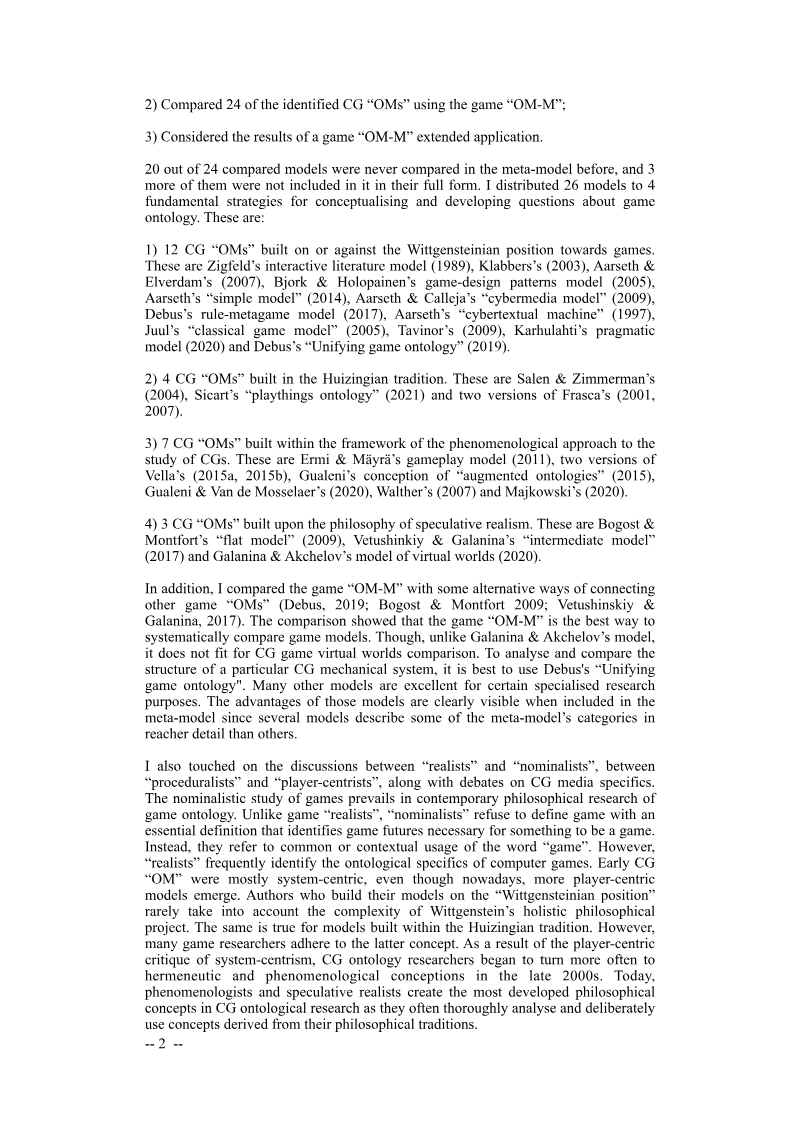
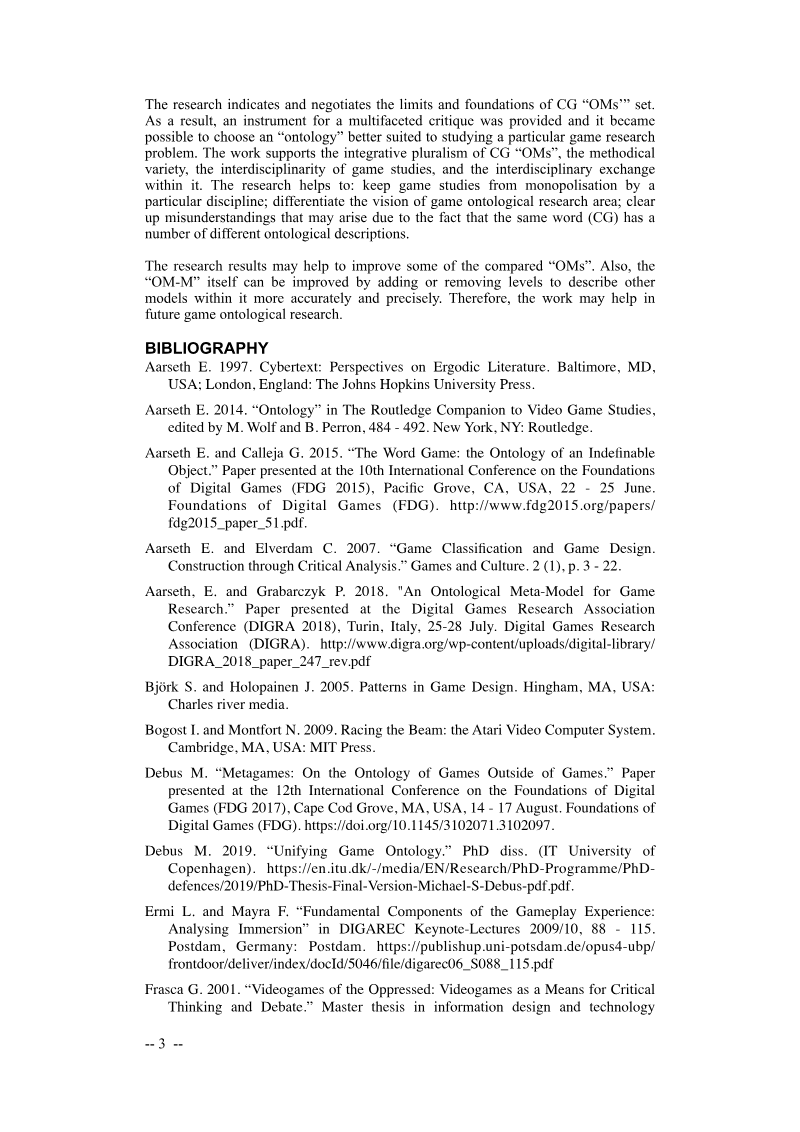
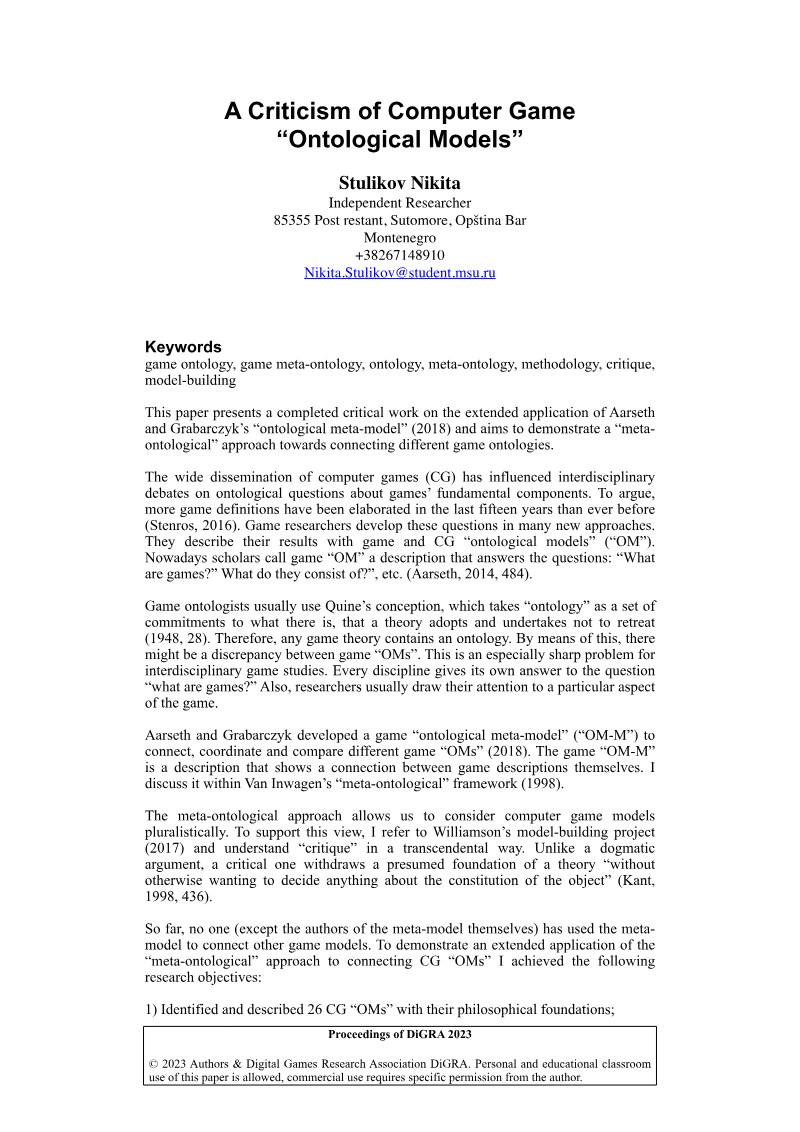
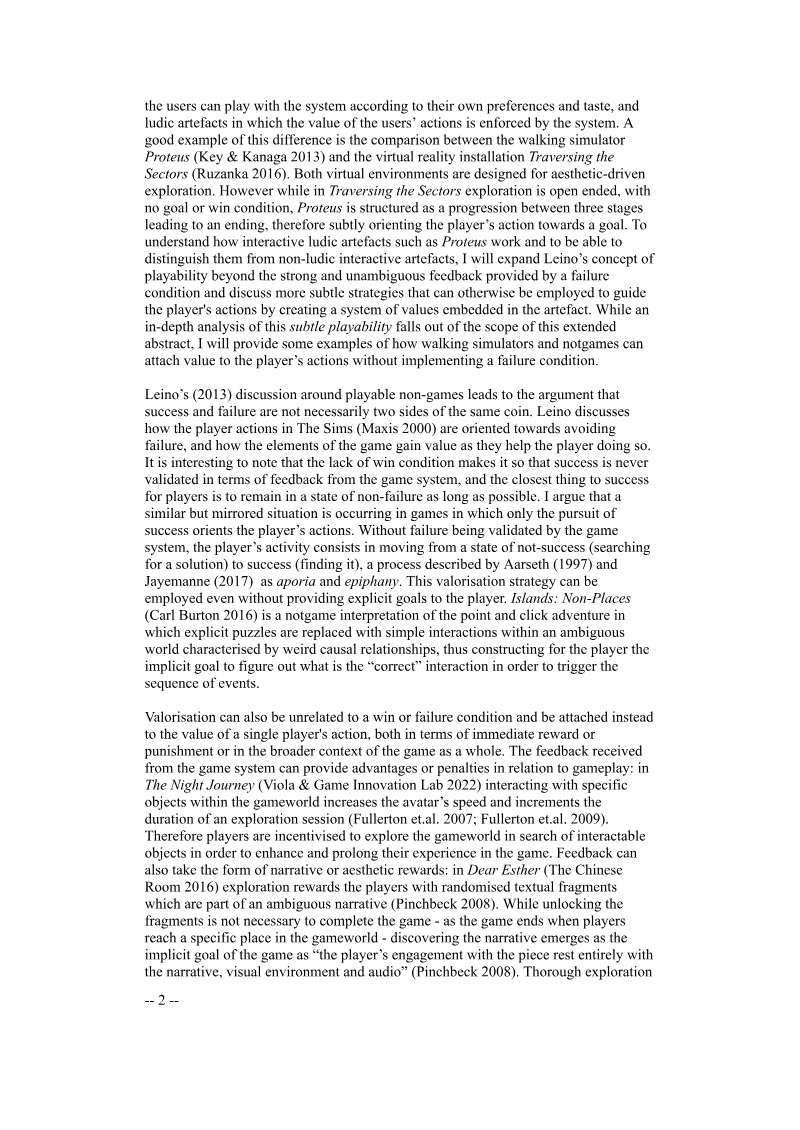
This paper examines how players appreciate historical digital games set during World War II by analyzing player reviews from Steam, the dominant digital storefront for PC gaming, which accounts for roughly 50% to 70% of global PC game downloads. Prior research on player appreciation of historical games has relied largely on qualitative focus groups or quantitative surveys, leaving large volumes of player-generated online text underexplored. The author addresses this gap by applying a multi-step text mining workflow in R, combining automated web scraping with topic modeling, an unsupervised machine learning method for uncovering latent thematic structures in textual data.
The corpus was compiled from player reviews of the ten most popular games tagged "World War II" on Steam. Topic modeling was then used to derive a bottom-up classification of what reviewers value most in these games. The approach is designed to surface appreciation patterns that emerge directly from players' own language rather than from predefined survey categories, offering an alternative lens to existing studies on immersion, perceived realism, and enjoyment.
The study situates its aims within a body of literature that includes work on informal historical learning through games, the role of perceptual pervasiveness and character involvement in enjoyment, and players' discomfort, termed "gaming fever," when engaging with sensitive pasts such as the Holocaust. By positioning Steam reviews as a source of machine-readable player discourse, the paper contributes methodologically as well as substantively to the study of historical games.
The author also reflects critically on the limitations of the chosen method, particularly its handling of ironic and sarcastic language and of non-textual expressions, which are common in informal online reviews. These caveats frame the findings as exploratory and highlight the interpretive challenges of computational text analysis when applied to playful, colloquial player discourse.
DiGRA · 2023
DiGRA · 2023
DiGRA · 2023
DiGRA · 2023
DiGRA · 2023
DiGRA · 2023
DiGRA · 2023
DiGRA · 2023
DiGRA · 2023
DiGRA · 2023
DiGRA · 2023
DiGRA · 2023

Extra Credits · 2026