1 free read left. Create a free account for unlimited reading + AI research.
Create free accountArticle Journal of Games Criticism
1 free read left. Create a free account for unlimited reading + AI research.
Create free accountArticleJournal of Games Criticism
Distilling the key insights…
The conceptualization of play as an autotelic, self-contained activity serves as a pervasive ideological construct that obscures the material and political realities of human interaction. By framing play as an isolated, transcendent sphere—often referred to as the magic circle—scholars have historically naturalized existing power structures and detached ludic experiences from their broader cultural contexts. This traditional academic framework, rooted in foundational texts like those of Johan Huizinga and Brian Sutton-Smith, erroneously positions play as a neutral or inherently liberatory act, thereby insulating it from critical scrutiny regarding its role in reinforcing social hierarchies.
Play is never truly independent of the material, economic, and political conditions in which it occurs. Even attempts to challenge the autonomy of play frequently fall into the trap of reinforcing the myth of its purity by treating it as a distinct, non-ideological force. This analytical failure encourages an individualistic detachment from the world, effectively masking the ways in which play is inextricably linked to systemic violence and power dynamics. Because play is always embedded within these structures, it cannot function as a neutral space for human expression.
A rigorous approach to game studies requires abandoning the pursuit of pure play in favor of a critical methodology that treats ludic activity as a text deeply influenced by its environment. Scholars must recognize that the insistence on autotelicity functions as a political mechanism that maintains the status quo by rendering the social implications of play invisible. By shifting the focus toward the material and ideological dependencies of play, the field can move toward a more accurate understanding of how games and play-based interactions participate in, rather than exist apart from, the complexities of the contemporary world.
Journal of Games Criticism · 2026
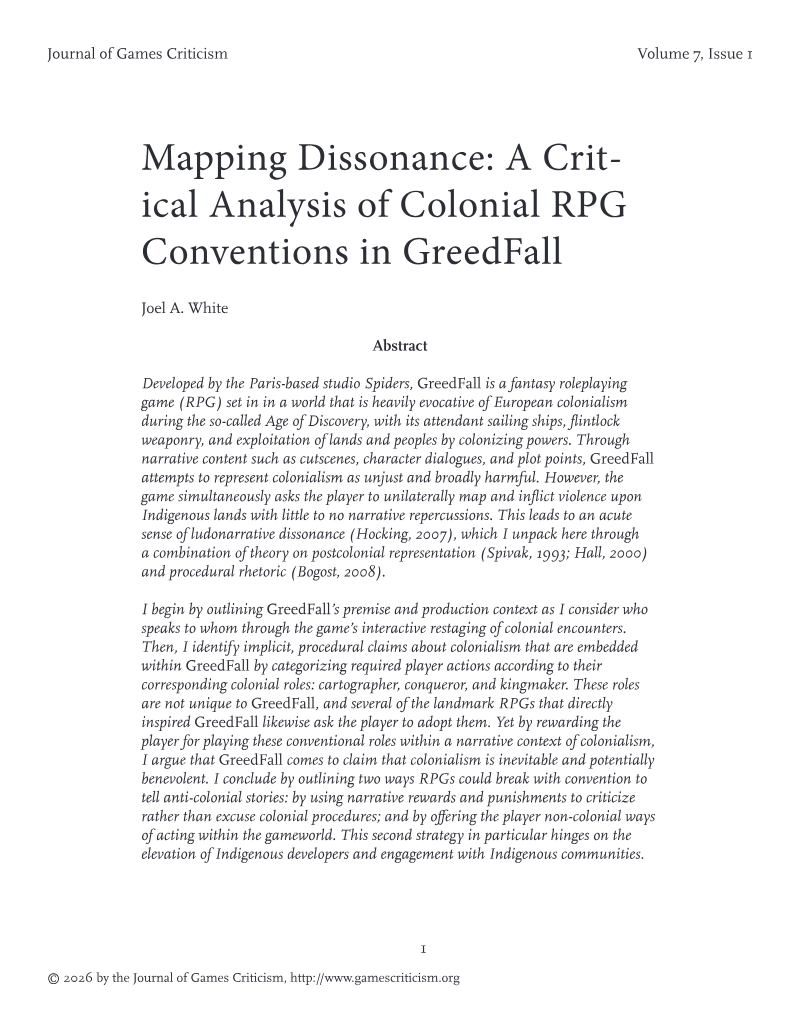
Journal of Games Criticism · 2026
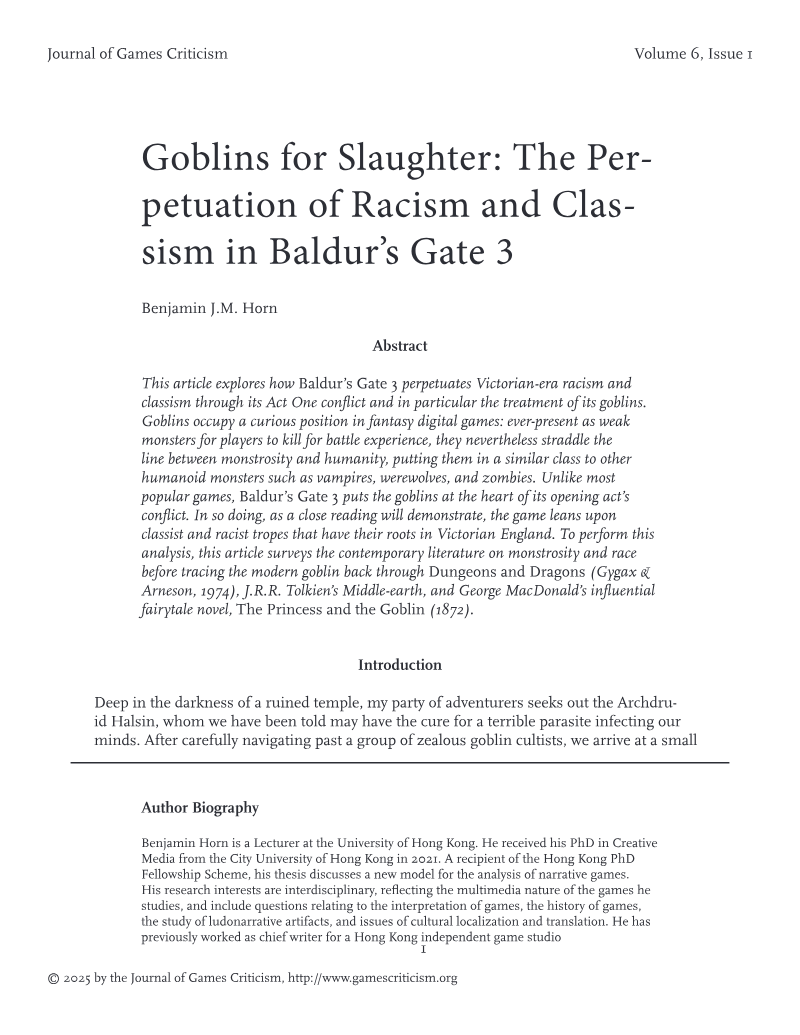
Journal of Games Criticism · 2025
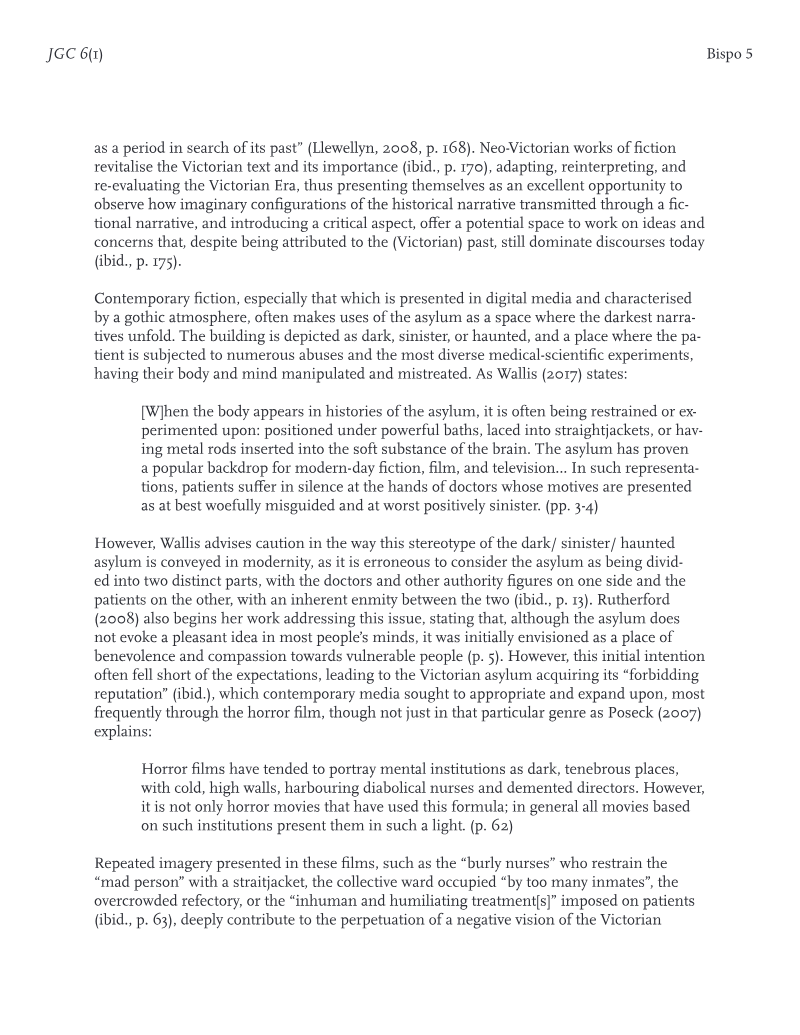
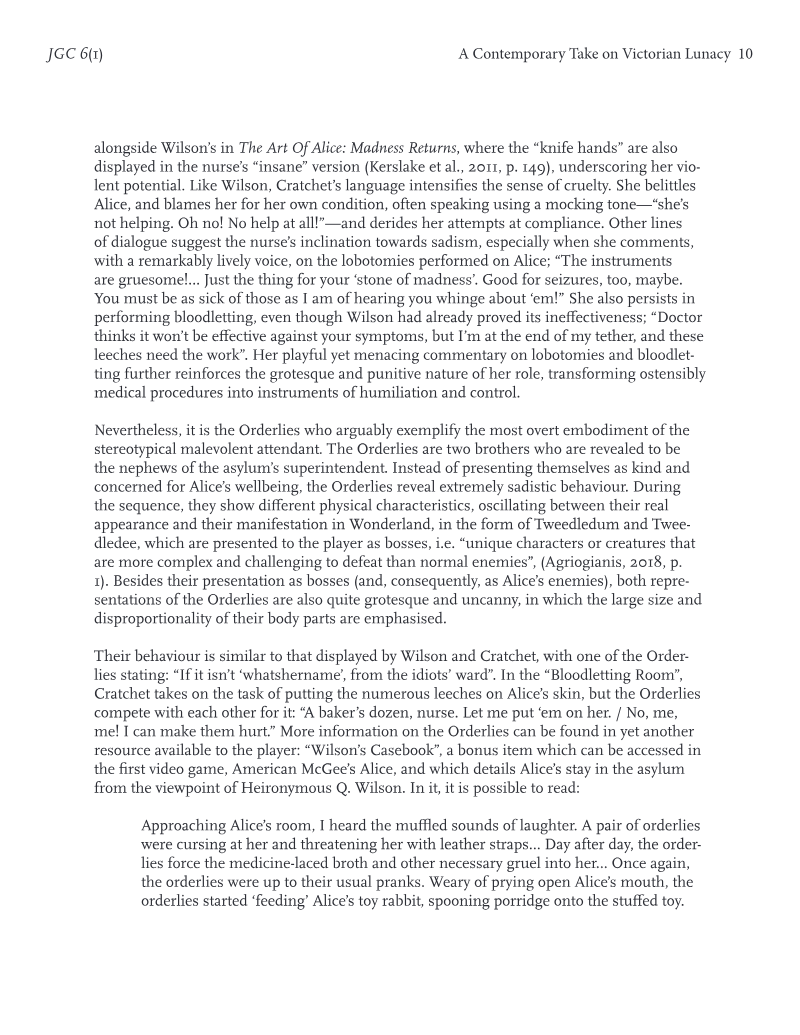
Journal of Games Criticism · 2025
Journal of Games Criticism · 2025
Journal of Games Criticism · 2025
Journal of Games Criticism · 2024
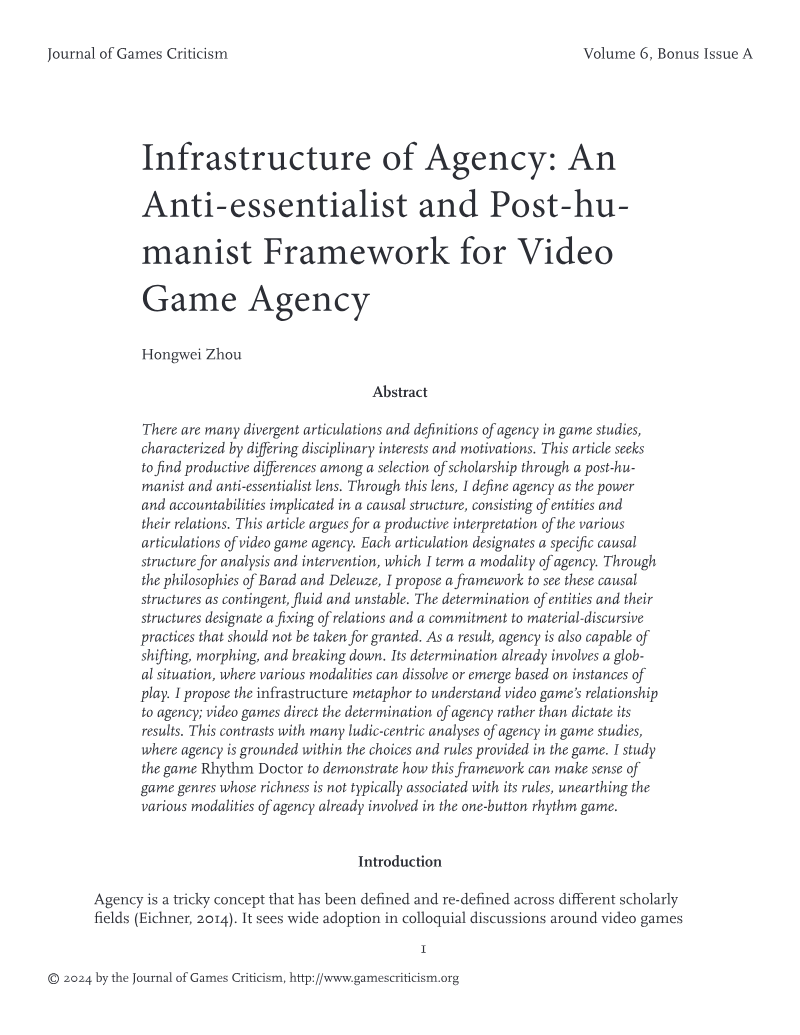
Journal of Games Criticism · 2024
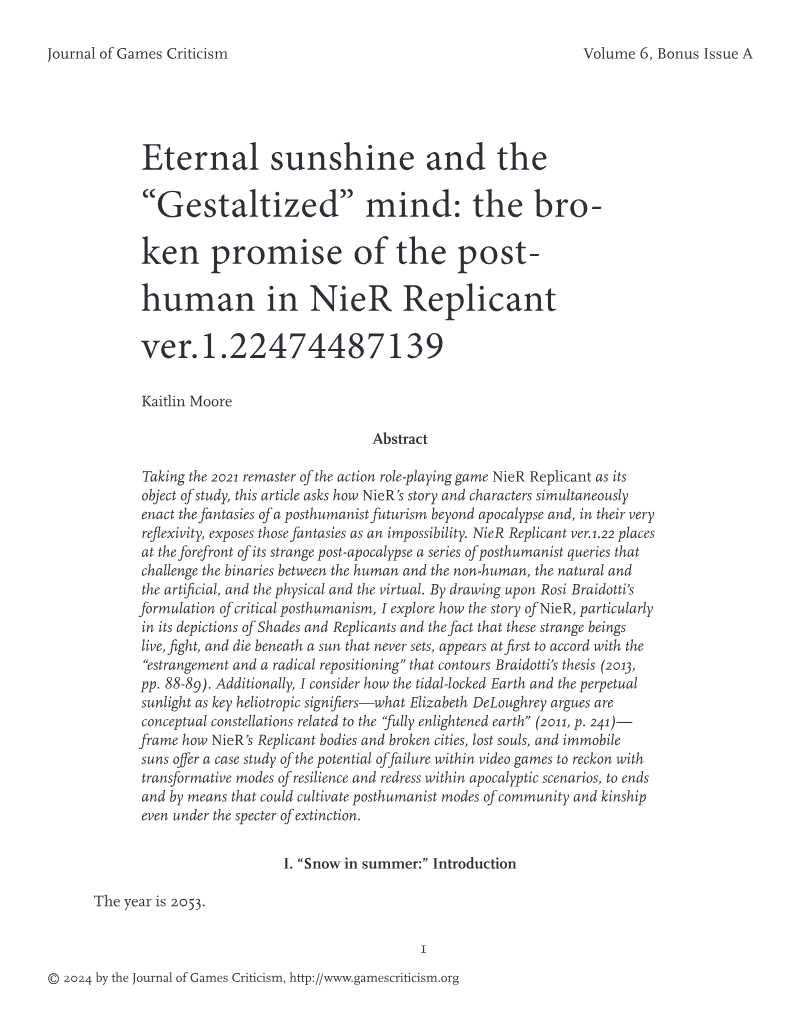
Journal of Games Criticism · 2024
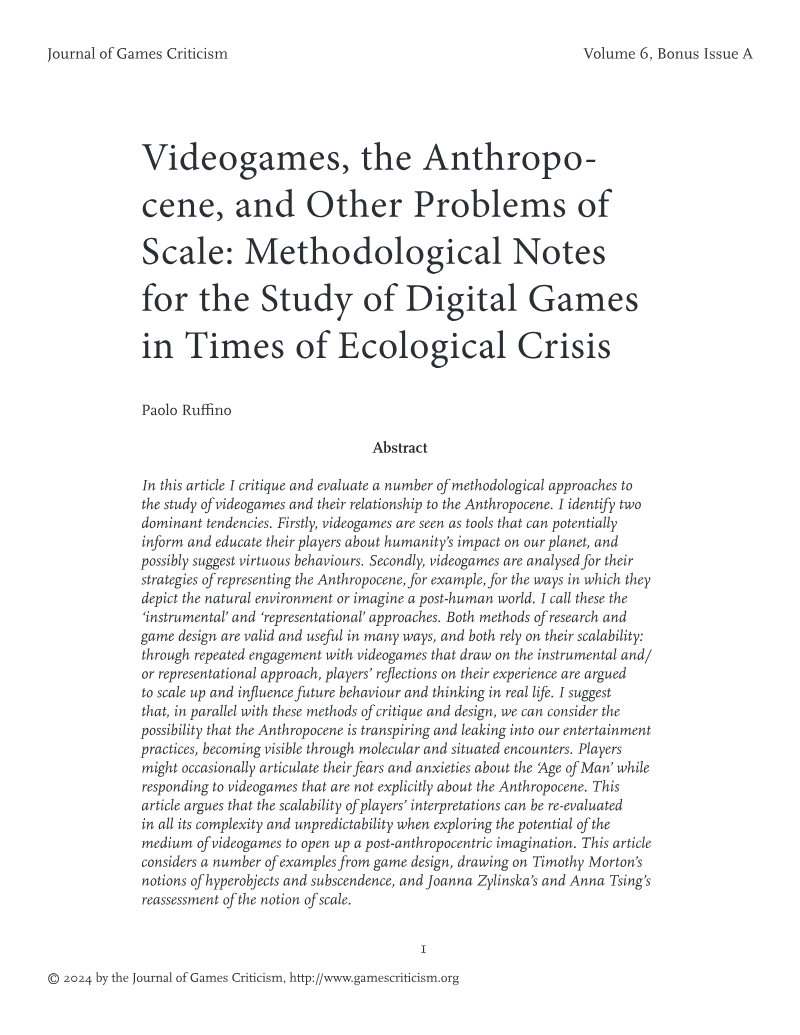
Journal of Games Criticism · 2024
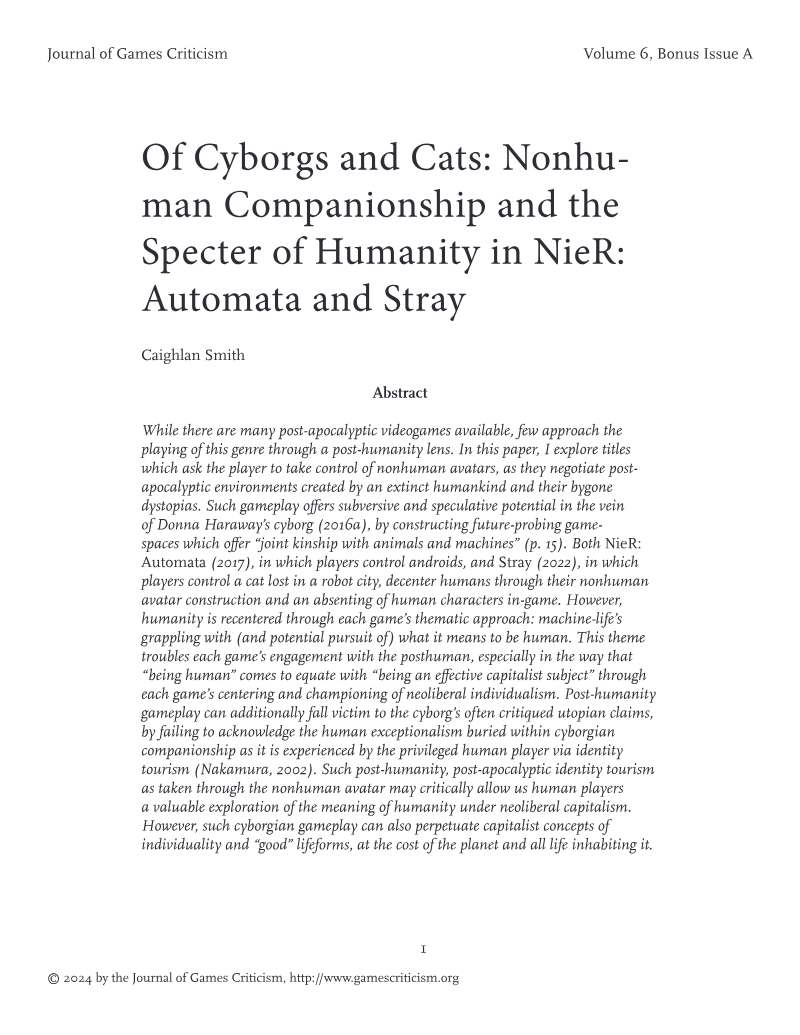
Journal of Games Criticism · 2024
Journal of Games Criticism · 2024
International Journal of Role-Playing · 2026