1 free read left. Create a free account for unlimited reading + AI research.
Create free accountArticle Journal of Games Criticism
1 free read left. Create a free account for unlimited reading + AI research.
Create free accountArticleJournal of Games Criticism
Distilling the key insights…
Europa Universalis IV functions as a powerful catalyst for informal historical education, facilitating a dynamic cycle of play, encounter, and research. By tasking players with managing nations between 1444 and 1821, the game prompts individuals to investigate unfamiliar historical contexts, which they subsequently integrate into their strategic decision-making. This process transforms the gaming experience into a multisourced learning journey, where the simulation serves as a starting point for deeper, self-directed inquiry into global history and geography.
The research, based on a survey of 331 players and a focused university case study, reveals that over 95 percent of participants conduct external research to verify in-game depictions or explore new historical interests. While the game is often critiqued for its Eurocentric focus on imperial expansion and map-painting, it simultaneously exposes players to diverse global narratives they might otherwise overlook. Mature players actively bridge the gap between these rigid imperial simulations and real-world historical data, utilizing digital sources to supplement their in-game knowledge.
Ultimately, the game acts as a bustling metropolis of informal learning, where community interaction and personal research converge to create a sophisticated pedagogical environment. By fostering a continuous feedback loop between gameplay and historical investigation, the title demonstrates significant potential for integration into formal educational settings. These findings suggest that grand strategy games are not merely entertainment products but are effective tools for cultivating historical literacy, encouraging players to engage with complex narratives through a blend of digital simulation and academic curiosity.
Each row is a game or company this document names, each column a document, oldest first. A mark means that document names it. Select a row to see those documents.
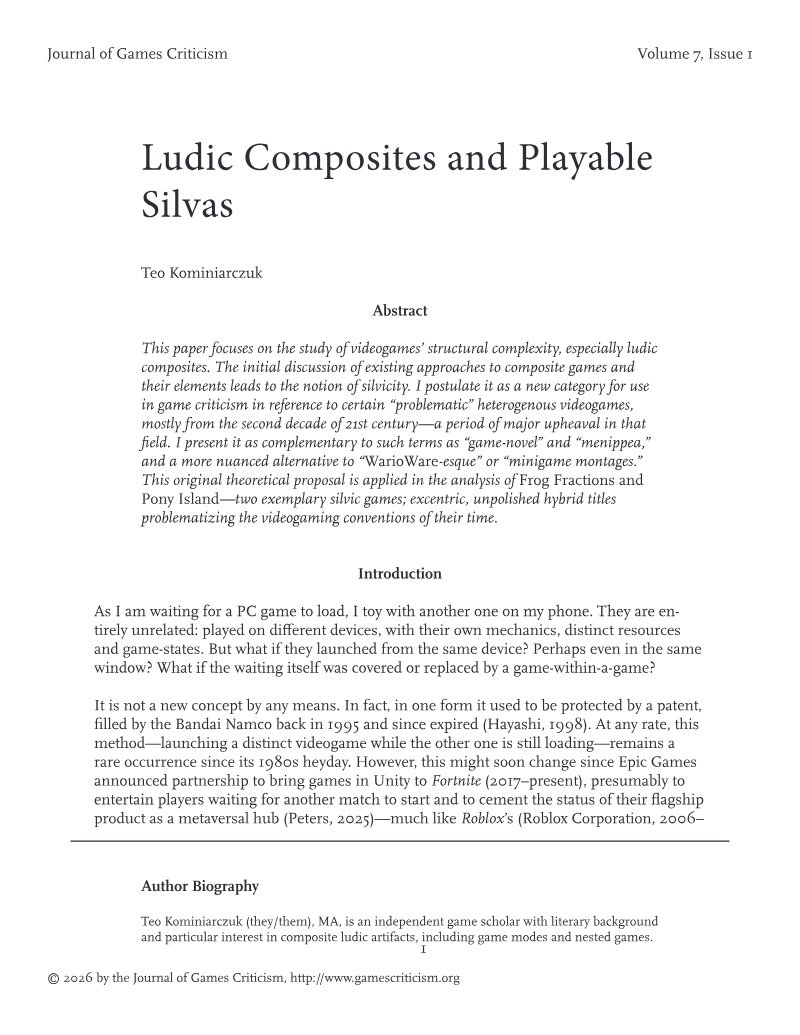
Journal of Games Criticism · 2026
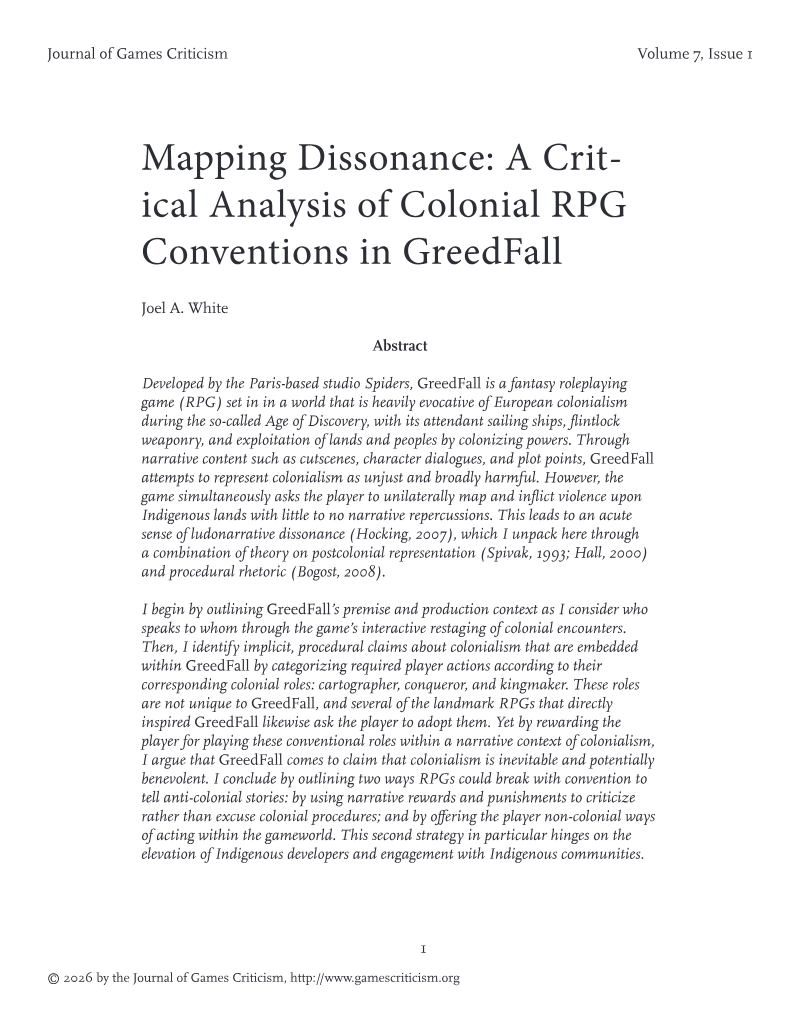
Journal of Games Criticism · 2026
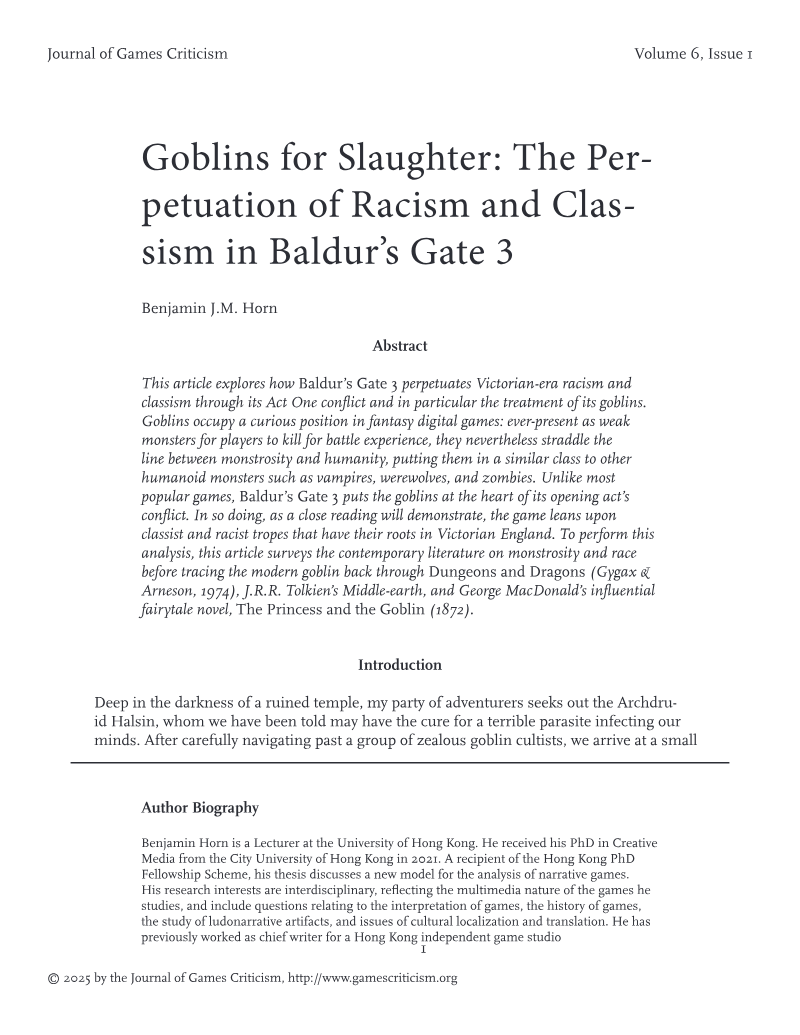
Journal of Games Criticism · 2025
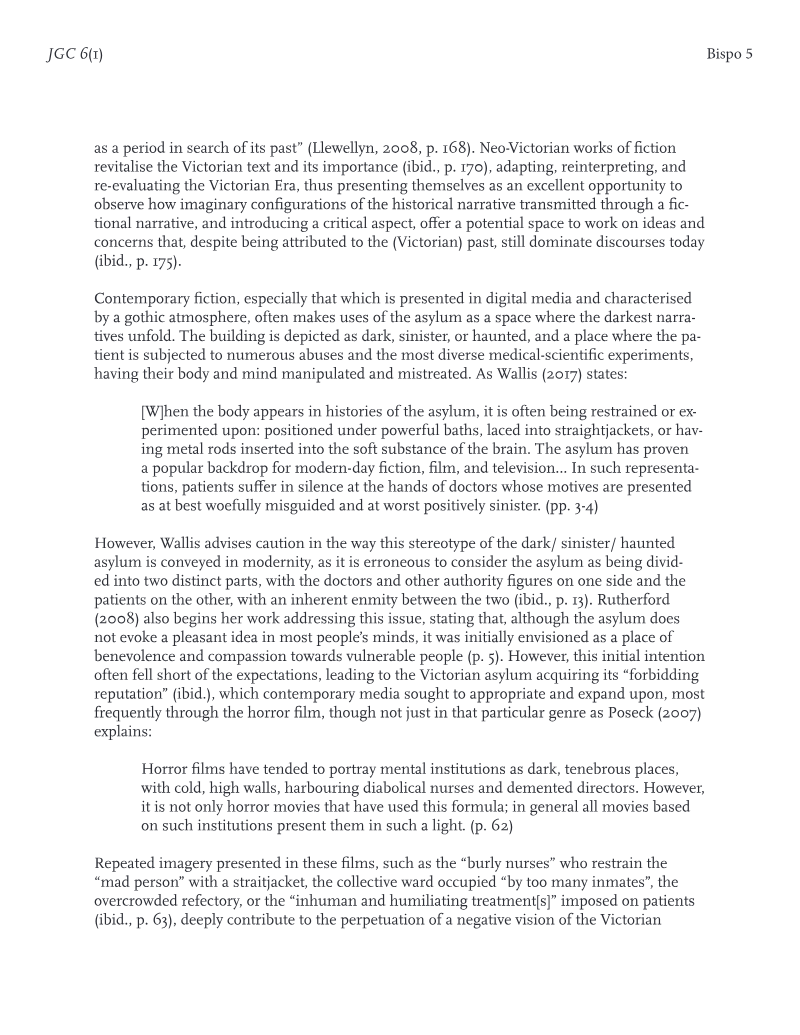
Journal of Games Criticism · 2025
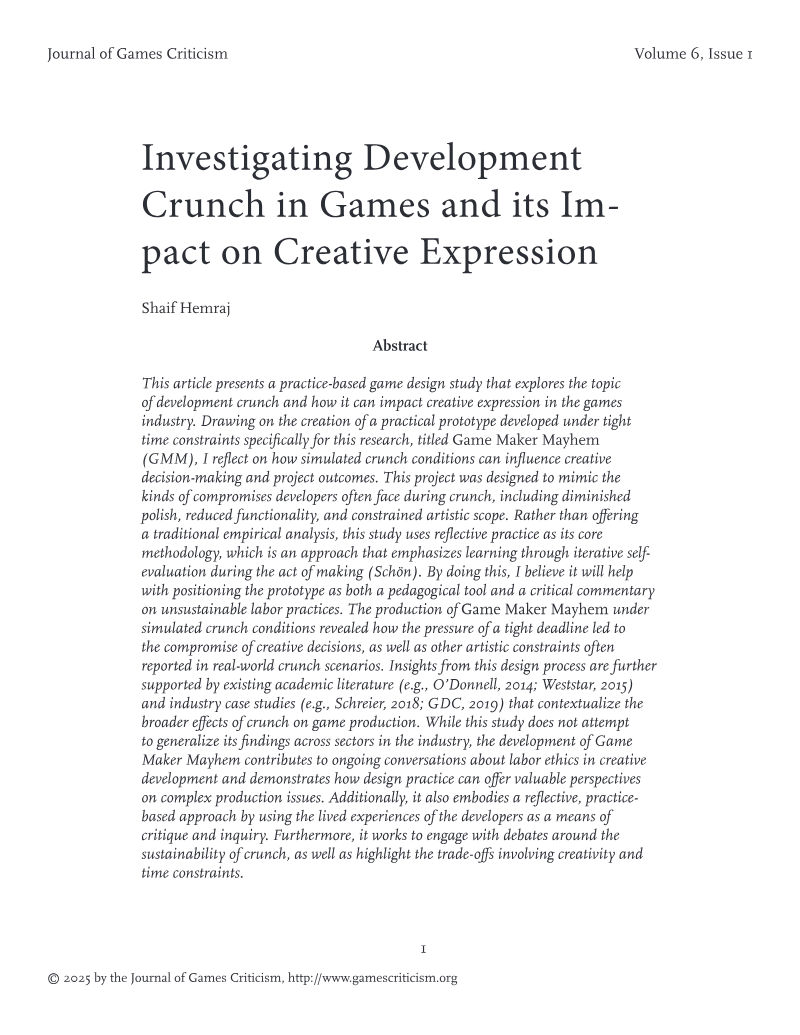
Journal of Games Criticism · 2025
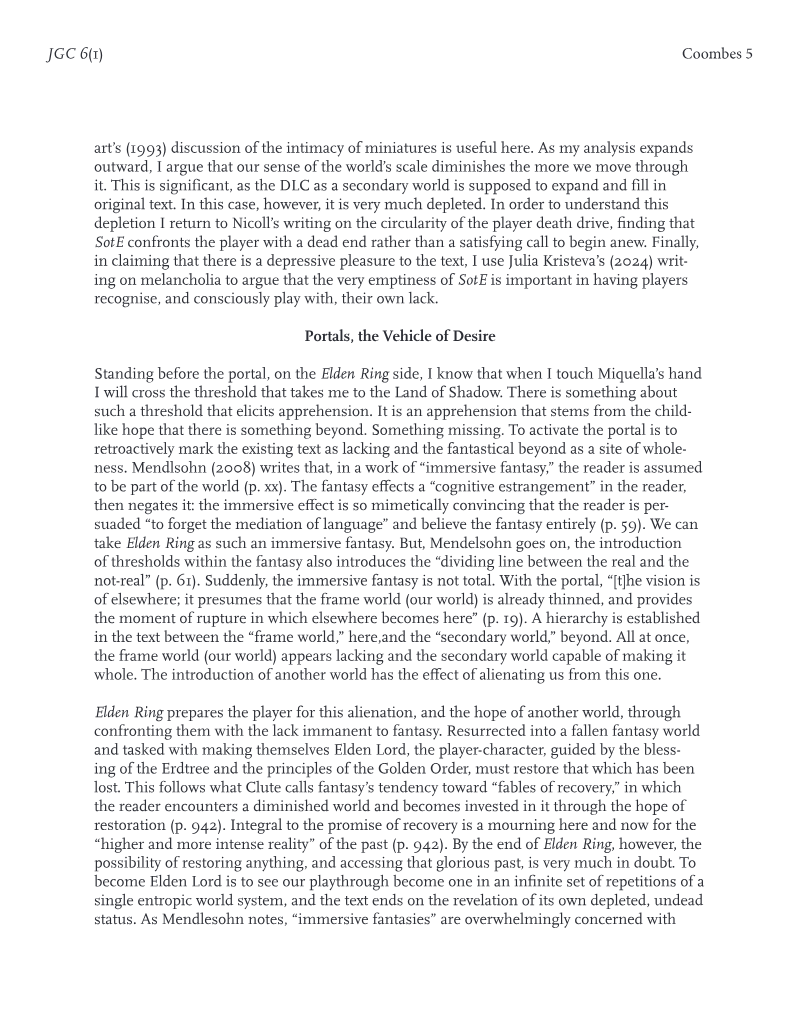
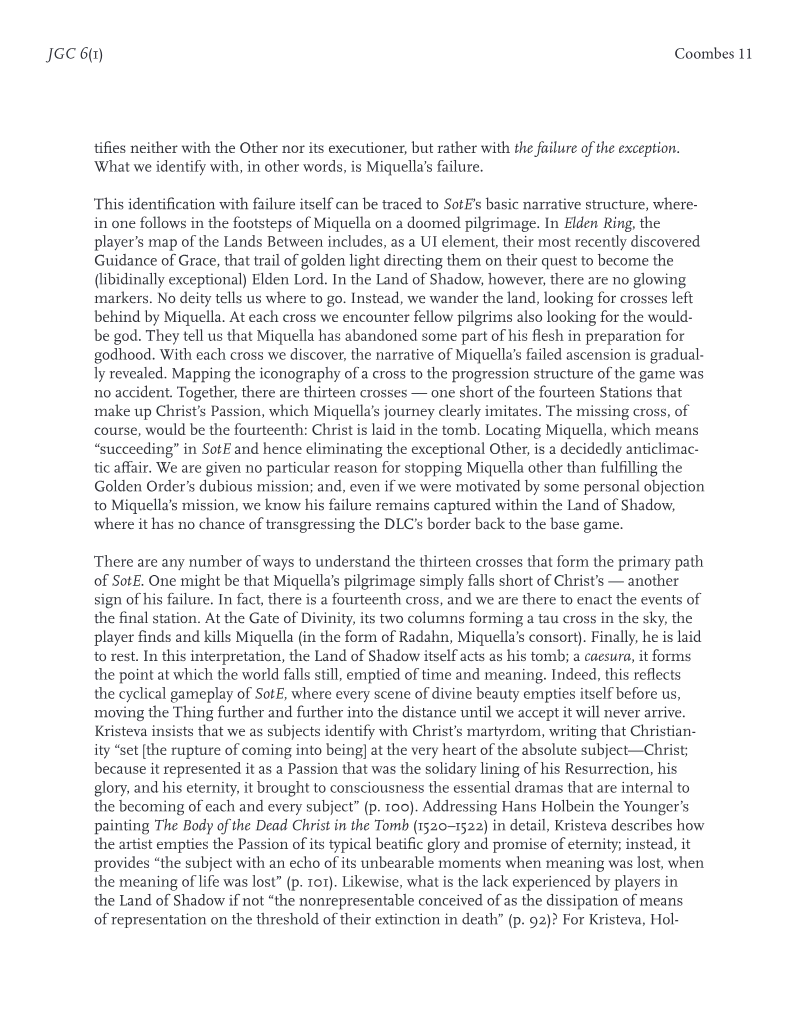
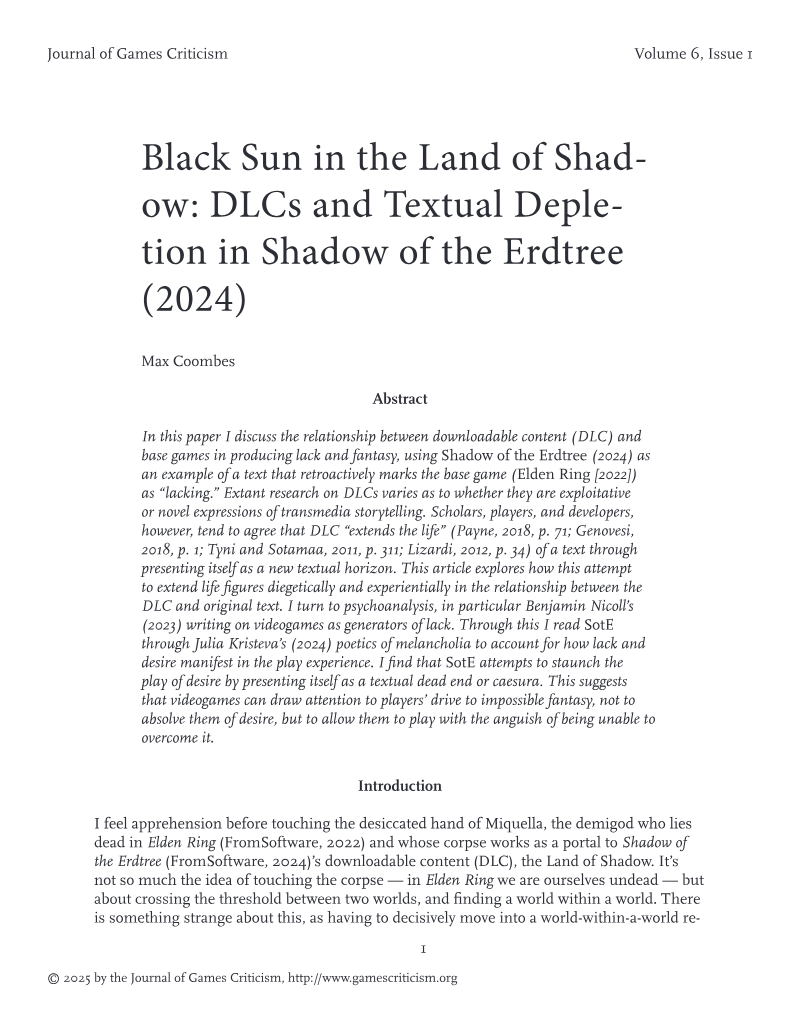
Journal of Games Criticism · 2025
Journal of Games Criticism · 2024
Journal of Games Criticism · 2024
Journal of Games Criticism · 2024
Journal of Games Criticism · 2024
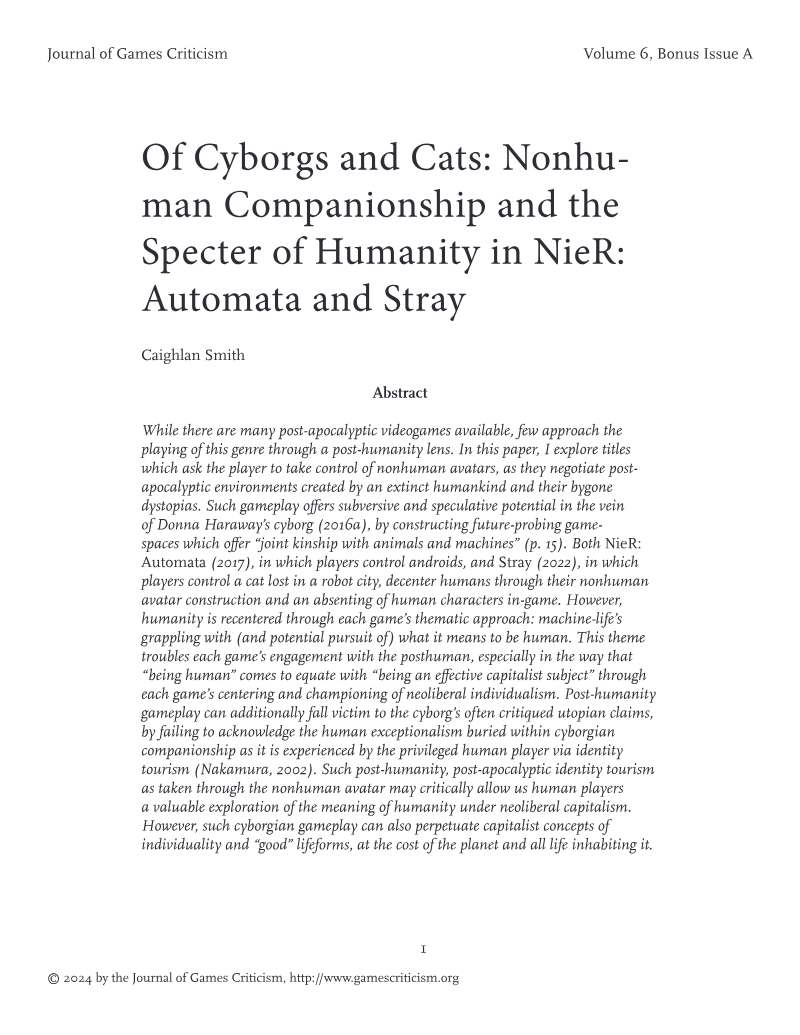
Journal of Games Criticism · 2024
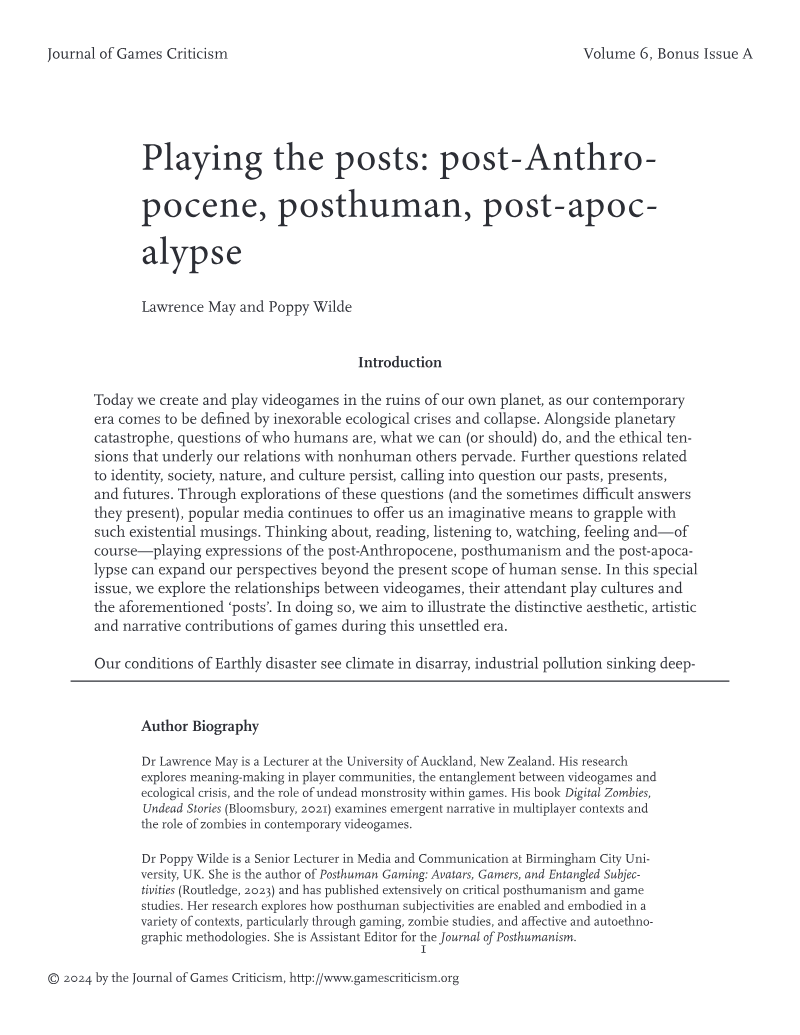
Journal of Games Criticism · 2024
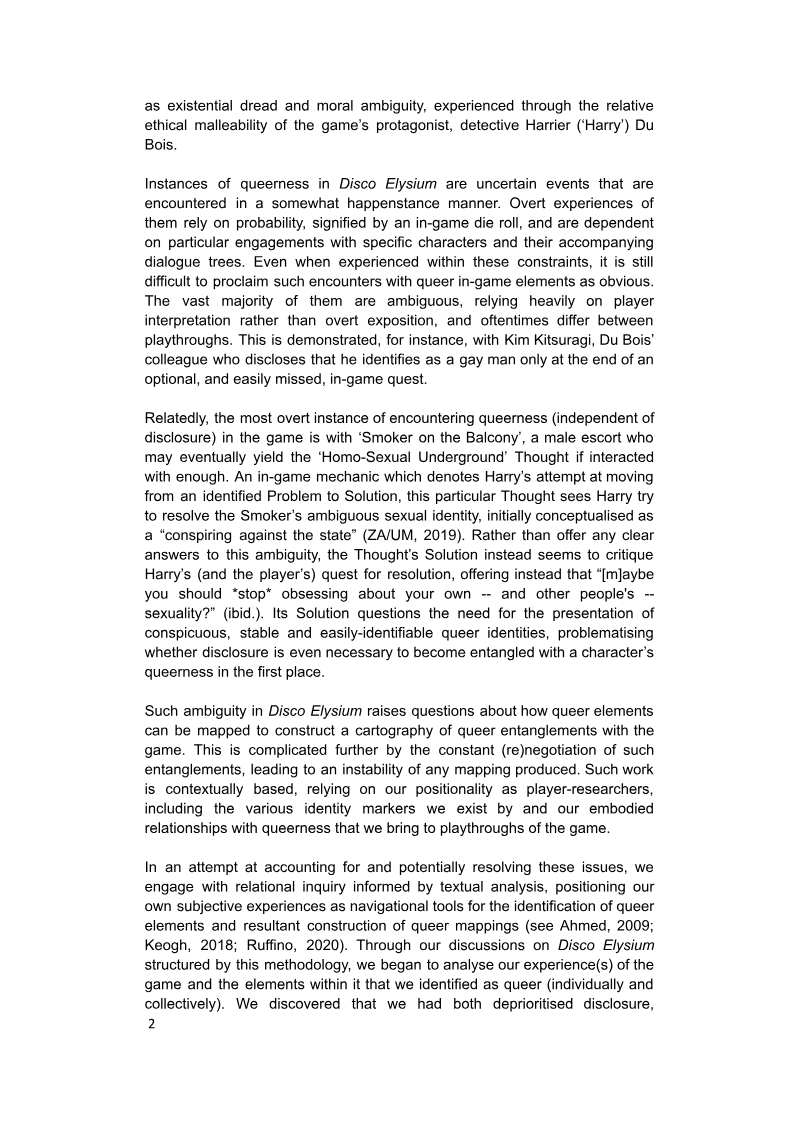
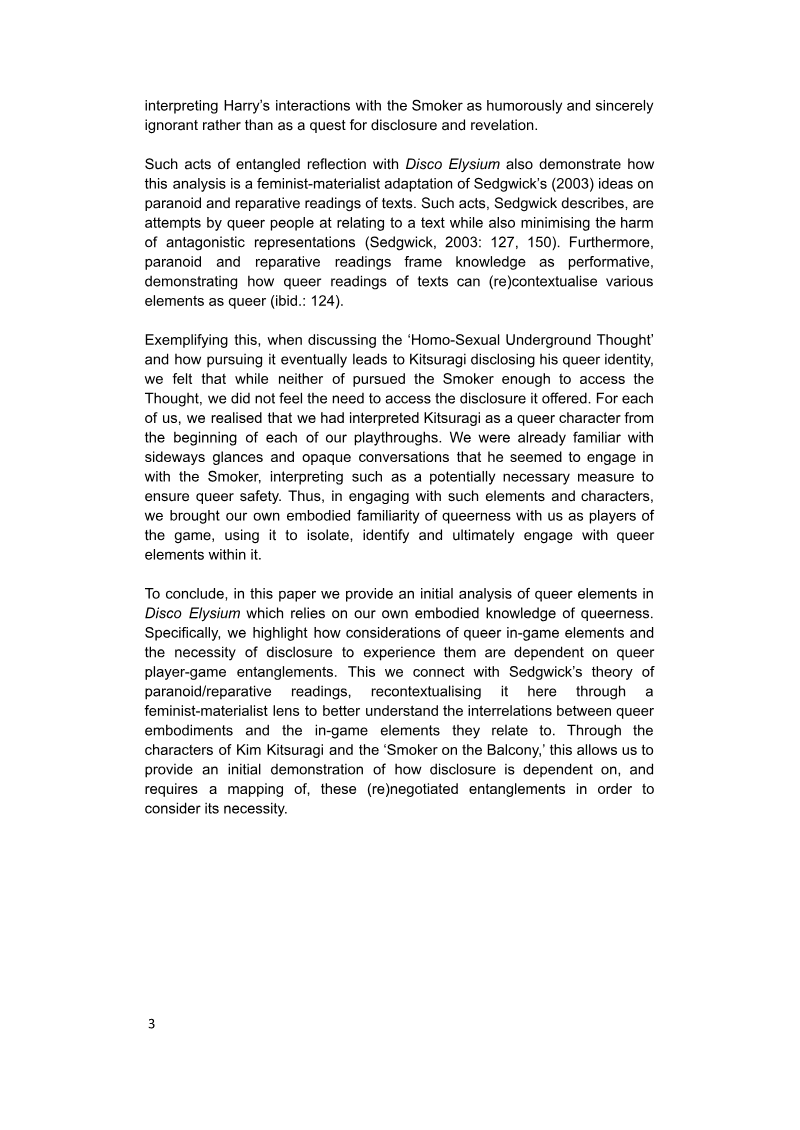
DiGRA · 2026