1 free read left. Create a free account for unlimited reading + AI research.
Create free accountArticle Quantic Foundry
1 free read left. Create a free account for unlimited reading + AI research.
Create free accountArticleQuantic Foundry
Older academic models provided qualitative taxonomies but often lacked statistical rigor. They did not show how specific motivations cluster together.
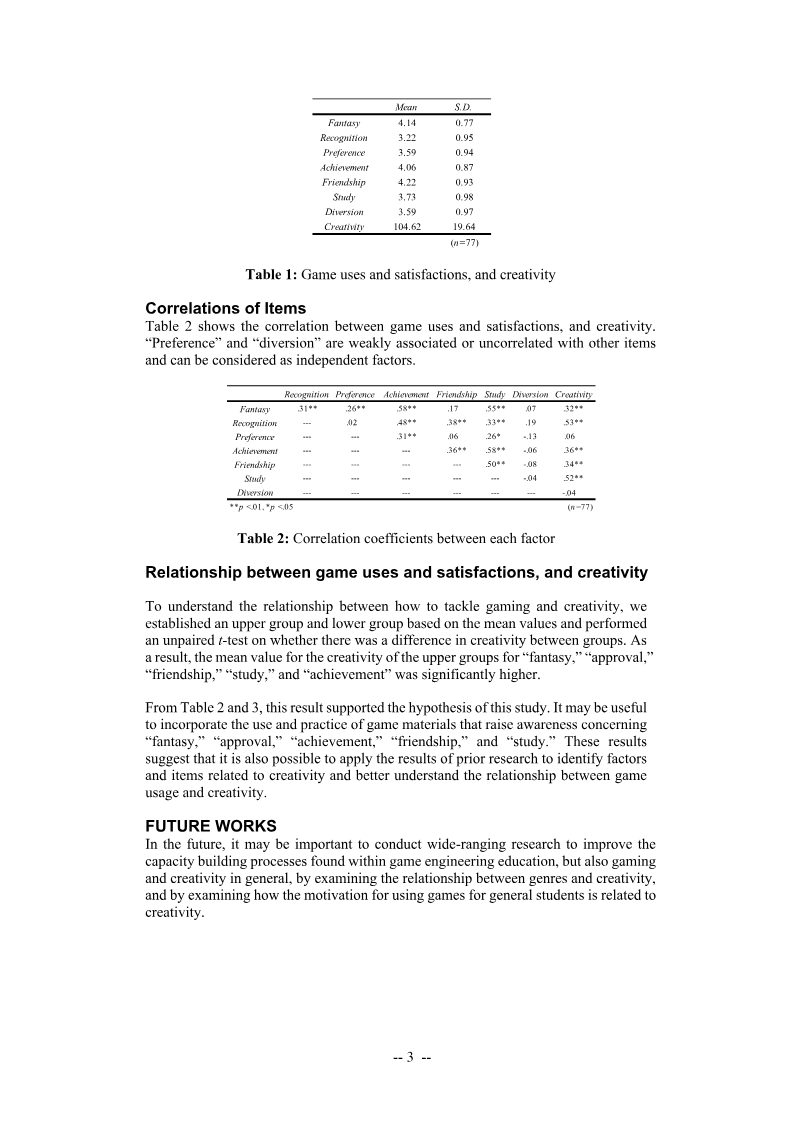
Key finding. The study addressed the lack of quantitative backing in previous gaming frameworks by statistically testing how various gameplay preferences cluster together or remain independent.
Quantic Foundry's 2015 article lays out how it built the Gamer Motivation Profile, a quantitative model of why people play video games. Its central argument is that existing frameworks, such as Bartle's Player Types, LeBlanc's Aesthetics, Lazzaro's Fun Types, and Sherry's Uses & Gratifications, vary widely in size (from three factors to more than a dozen) and lack statistical backing. The project aims to determine how many core motivations exist, which ones cluster together, and how to measure them reliably.
The method began with a literature review cataloguing motivations from prior models, followed by brainstorming survey items for each, such as "play the game at the highest difficulty level" for Challenge. Roughly 50 inventory items were piloted with 1,127 gamers, primarily MMO players, and then replicated with 600 respondents from a more representative gamer panel. Respondents rated item importance on a 5-point scale, and Exploratory Factor Analysis was used to identify clusters and produce an assessment tool.
The resulting framework contains five motivation groups encompassing 11 underlying motivations. Action comprises Destruction and Excitement; Strategy comprises Mastery and Planning; Achievement comprises Completion and Power; Social comprises Competition and Community; and Immersion comprises Customization, Fantasy, and Story. Players are not sorted into buckets but receive a score on each motivation, and the combination forms an individual profile.
Several findings stood out. Competition and collaboration clustered together under Social, unlike an earlier MMO-based model where competition grouped with Achievement, a difference attributed to the shift from domination-oriented PvP to team-based competition. No distinct Exploration cluster emerged, as geographic exploration loaded on Fantasy and mechanics exploration on Mastery. Diversion and Escapism formed a separate group but were excluded because they reflect general entertainment-seeking rather than video game-specific motives. Planned refinements include testing new Exploration items, possibly splitting Community into Interaction and Collaboration, and checking whether Progress is distinct from Completion.
Each row is a game or company this document names, each column a document, oldest first. A mark means that document names it. Select a row to see those documents.
Quantic Foundry · 2026
Quantic Foundry · 2025
Quantic Foundry · 2025
Quantic Foundry · 2025
Quantic Foundry · 2025
Quantic Foundry · 2024
Quantic Foundry · 2023
Quantic Foundry · 2023
Quantic Foundry · 2023
Quantic Foundry · 2021
Quantic Foundry · 2021
Quantic Foundry · 2021
DiGRA · 2026
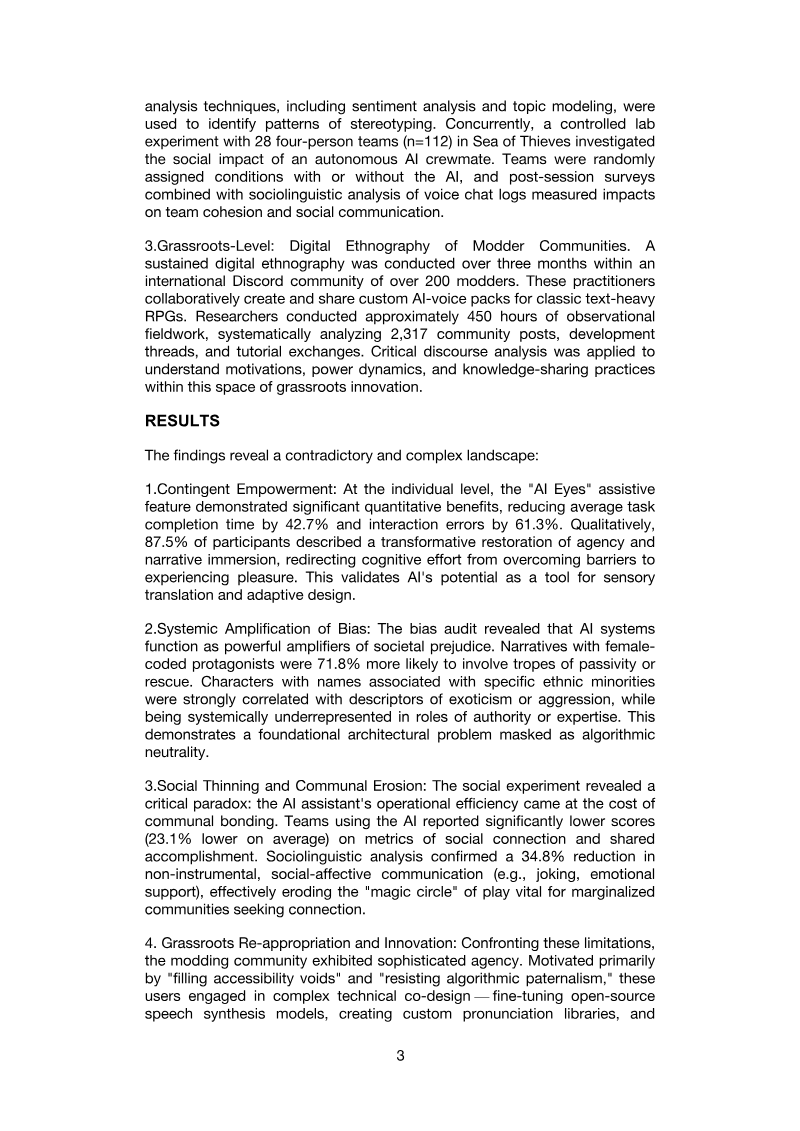
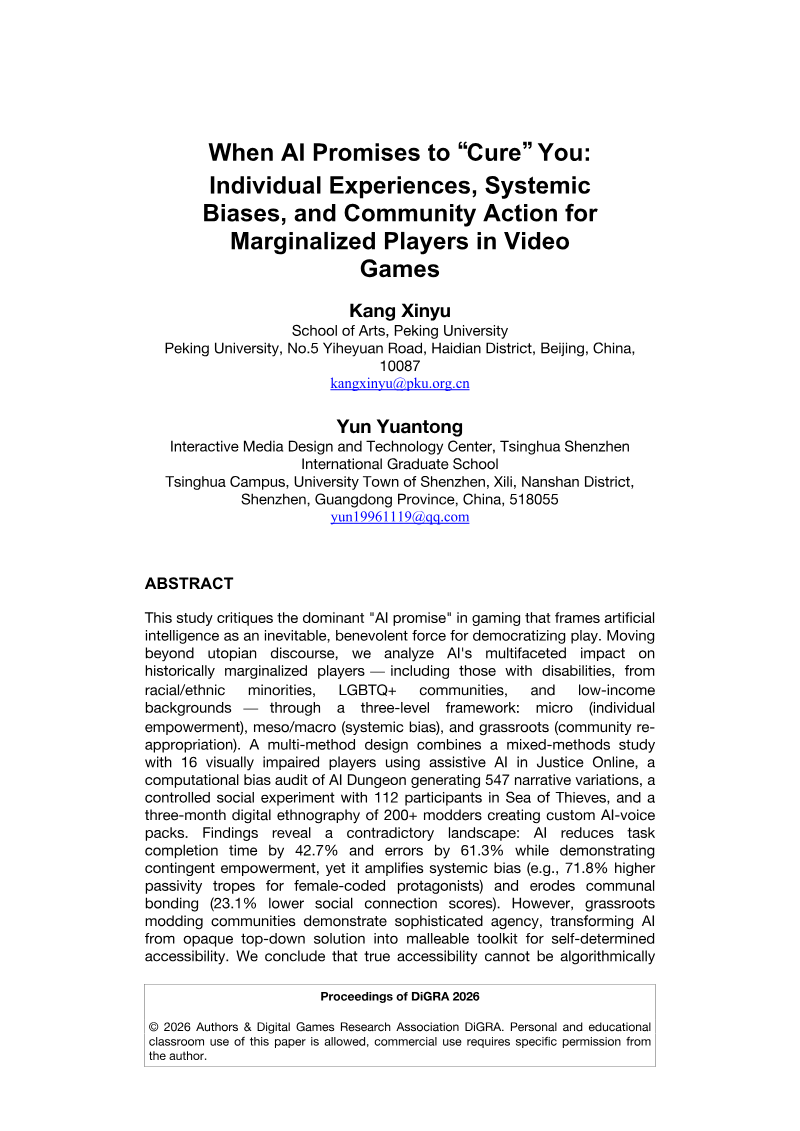
DiGRA · 2026
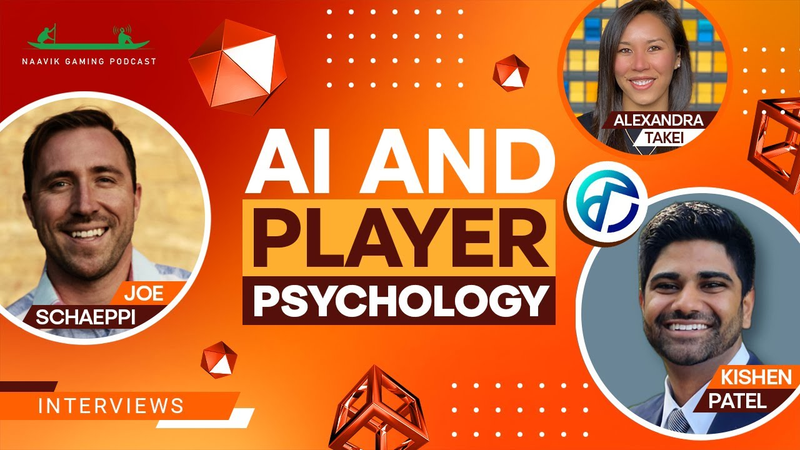
Naavik · 2023