1 free read left. Create a free account for unlimited reading + AI research.
Create free accountArticle Quantic Foundry
1 free read left. Create a free account for unlimited reading + AI research.
Create free accountArticleQuantic Foundry
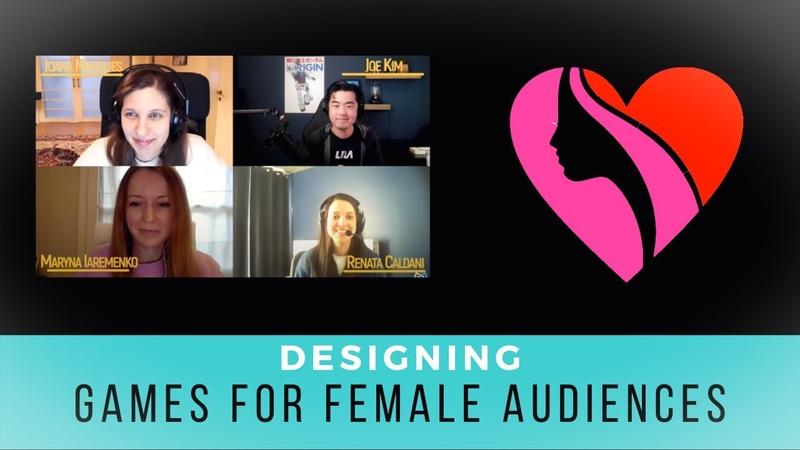
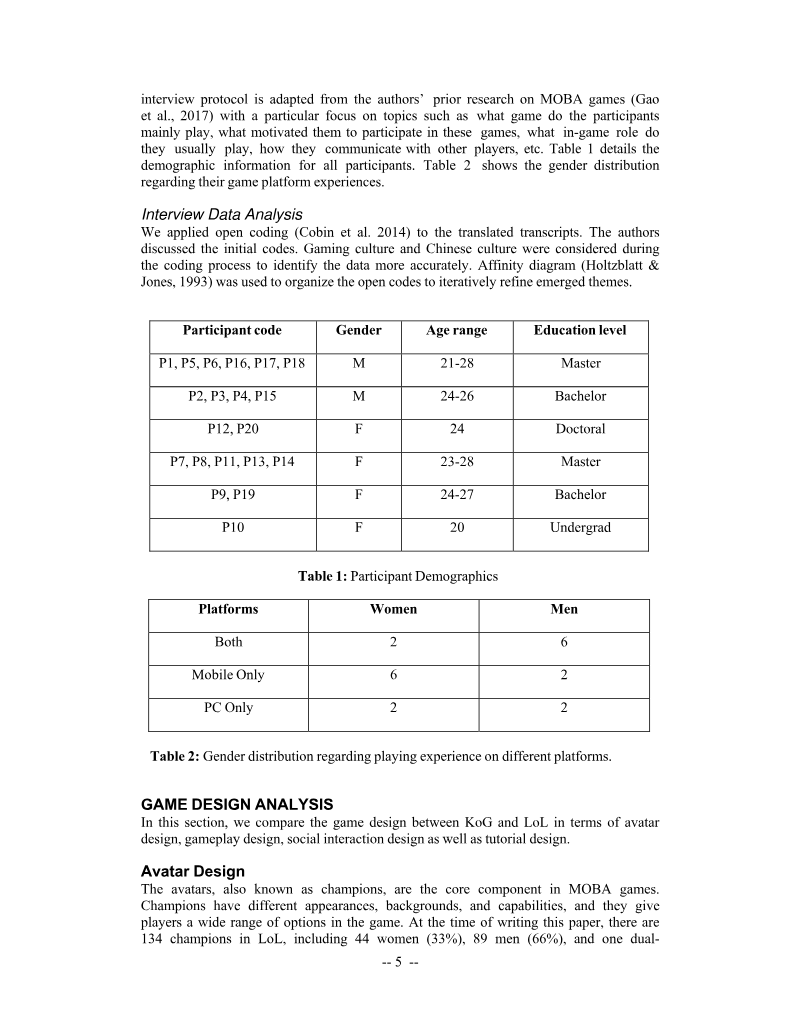
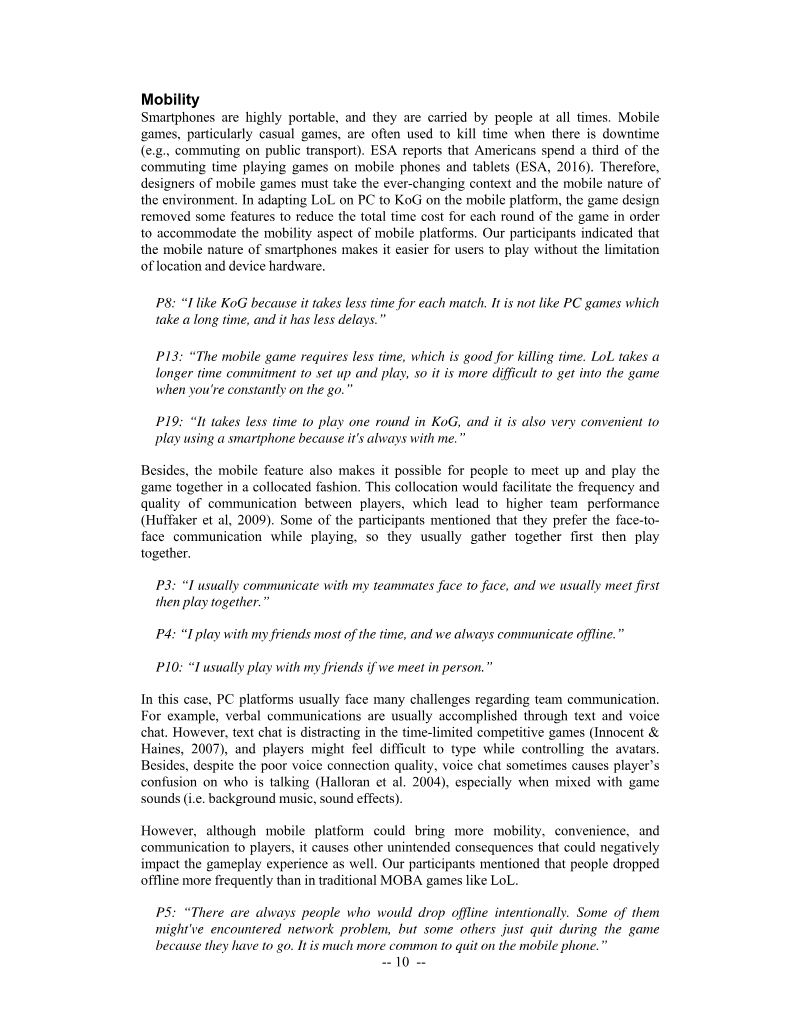
Quantic Foundry's 2020 survey of 2,956 gamers (69% male, 27% female, 4% non-binary), published by Nick Yee in 2021, challenges the assumption that male players want male protagonists. Players generally favor characters of their own gender, but the asymmetry is striking: 29% of men prefer playing female characters, while only 9% of women prefer male ones. Applied to a typical core PC and console audience that is 74% male, roughly 39% of players would prefer a female character, and about 60% of female avatars are played by men. These patterns echo MMO data collected over the past two decades.
Demographic and psychological profiles differ among those who cross gender lines. Men who prefer female characters tend to be older and score higher on Design motivation, while women who prefer male characters score higher on Destruction. The central business implication is that games with largely female audiences have a weaker case for male protagonists than male-dominated games have for female ones.
Public reaction, spanning hundreds of reader comments from 2021 into mid-2022, offers qualitative context on motivations. Men cite empathic attachment, dislike of exaggerated masculine designs, stealth or tactical playstyles, better animation and voice acting, lighter gear, smaller multiplayer hitboxes, and aesthetic appeal. Some players describe gender exploration or dysphoria. Women who choose male avatars report doing so to avoid doubts about their skills, unwanted flirting, and stereotyped female design such as "bikini armor."
Interpretation remained contested. Some argued the data shows male gamers are not hostile to female characters, while others suggested attraction or objectification drives many choices. The finding spread across international outlets in several languages, though some headlines inflated it to "60% of male players." Critics also argued that catering to one-third of male buyers is poor business, a point rebutted because no one proposes serving only that group.
Quantic Foundry · 2026
Quantic Foundry · 2025
Quantic Foundry · 2025
Quantic Foundry · 2025
Quantic Foundry · 2025
Quantic Foundry · 2024
Quantic Foundry · 2023
Quantic Foundry · 2023
Quantic Foundry · 2023
Quantic Foundry · 2021
Quantic Foundry · 2021
Quantic Foundry · 2020