Each row is a game or company this document names, each column a document, oldest first. A mark means that document names it. Select a row to see those documents.
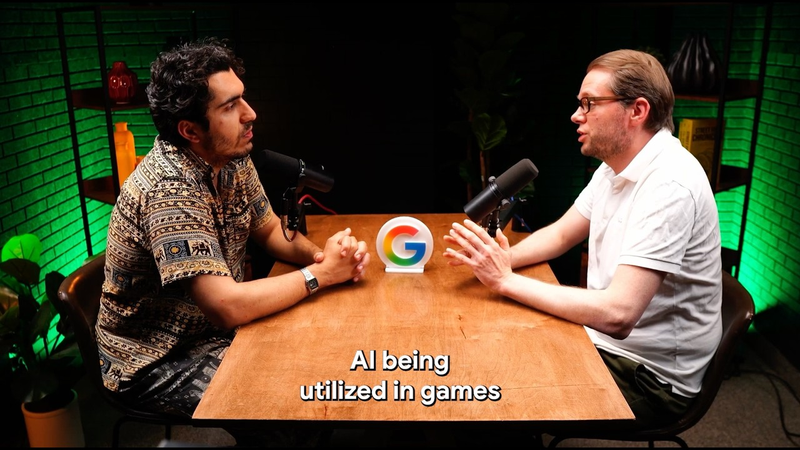
If you're running UAin the US or in Europe, the Christmastimes would be an ideal scenario. Peopleat home, they have more time. So, ifthey played the game in the past, that'sa good time to remind them.In the Mena, it could be around Ramadanor Eid. It fits also the same thing.People have more time. They see an ad,they are reminded for a game they playedin the past, and it's a good time toremind them. So, those are the best twoto start like investing in re-engagementin my [music] Hello and welcome back to pgc.biz in thehot seat. Now, most mobile marketingbudgets, as we know, go towards winningnew players. Labs players, who may knowthe game, get a lot less attention. Now,my next guest, a speaker in fact at nextmonth's PGC Jordan, is all aboutre-engagement, and he thinks studios areactually leaving money on the table whenthey focus too much on winning new
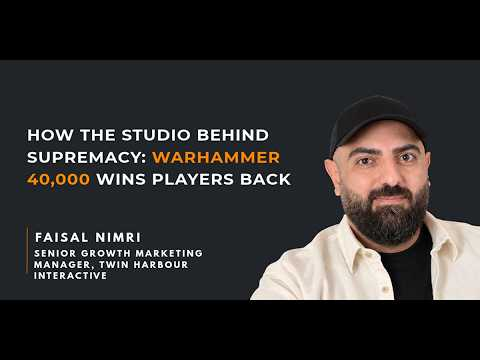
players.Faisal Nimri, welcome to the hot seat.How are you doing today? Yeah, doing well. Happy to join youtoday. Yeah, I'm so excited to talk to you. Wejust off camera, I was So, Faisal'sbased in Jordan, and I was shocked tolearn that it actually rains and snowsin Jordan. I had no idea. Yeah, very rainy today. So, um Faisal, for those who don't knowTwin Harbor, I haven't given you anintroduction yet, but what is theSupremacy franchise, and what does yourrole actually look like? Do you mindjust giving us a little bit of an introto us to who you are, and then we cankick off? Cool. Yeah, so I'm a senior growthmarketing manager at Twin Harbor. Joinedthe team around 4 years ago.I am part of the UA team, but I'mleading two growth initiatives,retargeting and CTV.So, more about Twin Harbor, Twin Harboris part of the Stillfront Group, thedeveloper of the Supremacy franchise. Wehave multiple games, Supremacy 1914,Call of War, World War 3, and we
launched a new title recently. It'sstill in soft launch. It's calledSupremacy Warhammer 40,000um in partnership with Games Workshopbased on the Warhammer IP. Very [snorts]excited for that title and when it'sfully launched. Yes, so our games arelong-term strategy games where a matchcan take from a couple of weeks to morethan a month to end. They The gamestarted on the browser and moved tomobile in 2019. The company is based inHamburg and Malta. We have officesthere. Nice. So, Faisal, diving straight intothings. I gave a little bit of an introabout what your thoughts are onreengagement, but why did reengagementbecome a priority to you rather thanputting more into new playeracquisition? So, we were mainly focused on UA, uh butas CPIs are getting higher and higher,UA is becoming more challenging, we
started looking into other growthopportunities. Uh retargeting was anatural fit for us. We've been live foryears now. We have a large user base.Our games are mid-core strategy games.Uh so, we started looking intoretargeting as a growth lever.Um we only started like one and one anda half years ago uh to invest in thatarea. Uh so, we're we're still new. Uhwe are still focusing on UA, uh butretargeting isthe next thing that we want to focus onbecause we see the value inuh this growth opportunity. So, Faisal, you're somewhat of an expertin the reengagement strategy. So, whenis the best time do you think to launcha reengagement campaign? Yes, so reengagement work best when it'spaired with a big update. You'relaunching a new hero, a new map, a newgame mode.Uh you tell the user, "Hey, uh we havethis new uh update." Give them an theopportunity to come back and experiencea new thing. So, this is maybe one of
the best times to invest inre-engagement. And the second time isbased on seasonality. So, if you'reif you're running UAin the US or in Europe, the Christmastimes would be an ideal scenario. Peopleat home, they have more time. So, ifthey played the game in the past, that'sa good time to remind them.In the MENA, it could be around Ramadanor Eid. It fits also the same thing.People will have more time. They see anad, they are reminded for a game theyplayed in the past, and it's a good timeto remind them. So, those are the besttwo to start like investing inre-engagement in my opinion. So, Faisal, in plain terms, what isincrementality testing and how is itdifferent to what standard attributiontells you? Yeah.So, incrementality testing, it's like anAB test.You have the test group, which areplayers who will see the ads, there-engagement ads. And you have a
control group, which is players who willnot see the ad.Usually, it's the ratio is around 80%test, 20% control.Then, what you are looking for, you arelooking for differences in revenue onand on other metrics. Then, you measurethe uplift between the two groups.By doing it this way, you will know whatis the real impact of the ads that youran at that time. We need to make surethat the result is statisticallysignificantto make sure it's not like a randomchance.And the incrementality methodology, Ithink it started in pharmacy industry.When when they want totest a new drug, they always have likethe control group, people who will nottake the medicine, and the exposed groupwho will take, and then they measure theeffect. So, it's the same methodology.And to answer your questions, likewhat's difference between regular
attribution,Uh, attribution tells you who clicked,where this click is coming from.Incrementality tests uh, the upliftbetween two groups.First group of you saw the ad, the otherthat don't. Okay, and how did you actually set upyour first incrementality test? And whatsurprised you about the results? Yeah. Uh, so when we started, when wewant to run incrementality for the firsttime, uh, we had to make a choice. Wehad three options on how we run it. So,the first option was to do itinternally.Um, the pros is that we have the data,we have everything.Uh, the con of this is that thisrequires a lot of team resources. So, wedidn't take this option. The secondoption was to run it with a retargetingpartner where where we run ads with themand they can test incrementality ontheir side.Uh, the good thing about this option is
that it's free. Um, but the con, it hadsome limitations when you want tocompare two different channels.Uh, so ultimately, we went with thethird option, which is using athird-party tool.In our case, it was our MMP, uh,AppsFlyer.They have uh, an incrementality forretargeting tool. It was an easy setupbecause they it's already our MMP. Theyalready They already have the audience,the uh, the integrations, so it wasoverall set uh, easy to set up. So, thisis how we started to run our first test.And to answer your question, whatsurprised us the most,uh, the first test was a failure. Itdidn't generate any uplift, and thereason was thatwe had like a broad targeting. Uh, theaudience was very broad.So, we learned the hard way that youneed to do segmentation, segment theplayer and the audience into
uh, non-paying users. Even the payingusers, you can segment them into top,mid, or low. After that, uh we It's It'sstarted to become irregular ex- teststhat we do. Mhm. Learning from your mistakes, I loveit. There's no better way. But, so thatleads me to my next question, Faisal.How do you actually split your audiencewhen you're testing more than onechannel? How do you actually go aboutdoing that? Yeah, so uhI We do like head-to-head tests. So, wehave like channel A, channel B.Uh so, what we do is we take uh theaudience we segment it inour preferred way. Let's say we'retargeting top-paying users. Uh we giveto 40% to channel A, 40% to channel B,and then 20% control group. Then we runfor like 3 to 4 weeks. Uh then we willknowthe winner between the two channels.After this test,we do it all over again. We take the
winner,we pick another channel, we do themhead-to-head, which is like 40% 40% 20%control group. Then we uh have the nextuh winner. So, this is how we split thechannels. If you have like a really bigaudience, you canuhadd like a channel C, so it's will be A,B, C, and a control group. Uh but thatdepends on like how big is the audience. [snorts] Mhm. And you talked a little bit aboutthe mistake that you guys made. Um butwhat mistakes do you see that teamscommonly make with reengagementcampaigns or with measuring them? Yeah. So, one of the first mistake Iwill touch on the creative side.Um so, recycling UA creative forretargeting is a big mistake. Uh youneed to invest in the creatives, themessaging. You need to give the playersthat play the game, that know it,uh a reason to come back and toexperience new thing, maybe new update.Uh so, recycling UA creative is one of
the first mistake. The second is Itouched point on it using broad uhtargeting. So, mixing uh players andnon-players and all the other thingsthat I already spoke about. Anothermistake is with retargeting and withincrementality. You need to reachstatistical significant and that takestime.Uh so, being patient is very important.Sometimes you have to keep the campaignrunning for an extra week just to reachthat significance. Okay, and if a smaller studio Faisal islooking at thisand they're thinking I have a limitedbudget. What can a small studio with alimited budget actually take from thisincluding studios that are in Amman, youknow, it's a region that's known forindie indie games and smaller studios.What can they what can they do? Yeah.Uh so, you can always with re-engagementyou can start small. You don't have tobe to go big. If you are running any UA,if you have any UA budget, you can take
5% to 10% of that budget and invest itin retargeting.Um this is the first thing. The secondthing maybe it's like a tip. Instead ofdoing testing incrementality with thefirst group is 80% and the control is20% you canhave it 50/50. This way you reachstatistical significant faster. Insteadof like 4 weeks you have it in 2 weeksso you invest less budget to know whichaudience bringum more uh growth opportunities.Um the third is something I alreadytouched on which is seasonality. So, ifa studio in Amman maybe uh testretargeting for the first time duringRamadan.If they see good result, they can investmore but these are the tips that I cangive as of I love it. Now, Faisal, final questionfor you here and that is um I want togive a bit of a as we as we said in thebeginning you're joining us in PGCJordan very very shortly which we're soexcited for. So, if attendees can
remember one thing from your PGC Jordansession which is titled a guide tore-engagement and incrementalitytesting, what should it be? What do youhope that they walk away from yoursessionthinking or maybe a new piece ofknowledge that you've imparted ontothem. Yeah.Um maybe the the message that I want togive is that your lapsed playersare one of the most valuable audiencesthat you already have. You've alreadypaid to acquire them once.Um and with CPI risingbringing them back could be uh anefficient way to growuh your game. Well, we can't wait Faisal and thank youso much for your time today. Thank youso much for joining me. Yeah, very happy. Thank you for theopportunity. Looking forward for PGCAmman. I attended it last year andlooking forward for this year edition. Amazing. Now, for all the listeners, uhyou can head to pocketgamer.com fortickets to PGC Jordan where you cancatch Faisal's talk. Thank you so muchto everyone and until next time.