1 free read left. Create a free account for unlimited reading + AI research.
Create free account
Using D2C to control revenue and hold attention | Adam Cavanagh from Tebex
Key insights
7 takeaways- 01Adam Cavanagh of Tebex describes the past two to five years as a difficult period for games, with studios focused on survival rather than growth, and argues that using player behavior data to refine bundles, feedback loops, and live operations is key to extending a game's lifespan.
- 02Cavanagh sees Apple's proposed fee changes and regulatory pressure, partly led by Epic, as a modest step rather than a fundamental threat to D2C growth.
- 03Direct-to-consumer (D2C) web stores have matured into a significant revenue channel, with Cavanagh citing that 74% of mobile studios now operate one, leaving roughly 16% still to convert.
- 04RPG, tabletop, and casino games appear to perform especially well on D2C because their player behavior is more predictable and their monetization triggers are easier to design around.
- 05Chargebacks cost roughly $15 to $20 per claim, which can turn a low-priced sale into a loss, and Cavanagh claims Tebex is the only provider offering full fraud and chargeback protection so studios don't bear that cost.
- 06Holdout studios are typically deterred by perceived overhead, staffing needs, or fear of losing platform discoverability, and Cavanagh suggests case studies and peer examples are the best way to persuade them.
- 07Tebex has launched a transparent pricing model with a single flat fee per region intended to eliminate hidden FX, payout, and payment-method costs, helping studios forecast budgets and communicate with boards and investors.
Ask AI about this video
Transcript
We're now joined by Adam Camana from Tebex. How are you doing today?
Very well, thank you.
I understand that you hosted a cruise last night.
We did. It was brilliant. We put select 30 people together and just had a drink and no real agenda. Just spoke about the industry, what we see going on, and it was a really good night.
That's that's nice. I'll be sure to try and sneak on board the next time. You can stow away. That's the way to do it. So, we've spoken to Tebex before in the past, but if people haven't seen that video, just quickly, what is it you folks do?
Totally. Traditionally, Tebex is a merchant of record platform, uh the monetization pillar of studios of all sizes. So, we take all the complexity away from having a direct web store and handling payments globally.
Got you. Now, I had a little look at an interview you were talking about uh beforehand, something that you spoke to PG Biz about, and you said that the advice was to let the data run the game and make live ops the heart of it. Tell
me a little bit more about that.
Absolutely. So, we believe live ops. We we really look at 20 blessed us we speak to studios every day in my life of all different sizes. And a big thing we've been anchoring on recently, which has been tough, is people seem to be trying to survive versus thrive. And I think it speaks much to what the industry is going through over the last two to five years. It's been a really tough period for us. And really making sure your game can thrive versus survive is like using all the data you have at your fingertips and the data we have at Tebex on how players behave, how they like to be served, different bundles, or different strategies in terms of keeping a feedback loop and engaged in the game. We feel really understanding the data to your players, to your game, and within the kind of like that field of genre of your game, can really help elevate a game's lifespan, a player experience, and keeping the feedback loop of monetization strategies and key attention in the game, cuz that's what all these games are really struggling for, which is attention.
Yeah. That kind of uh discoverability
thing is ever so tough these days.
Biggest thing.
Well, we've been talking about D2C with folks like yourselves a lot. It's been the big thing for a year or two. It's not quite as young as it was. It's more established and we're starting to see games making significant amounts of money from it. But, we're also seeing the app stores pushing back a little bit and maybe clamping down a little bit regulation wise. Apple's proposed new fees and while some think that it won't have a difference, some might think it might sort of stop the growth of D2C. What's your take on that?
It's interesting. I think it's been a really interesting battle for want of a better phrase and Epic have led the charge in that. I think it's been a small step forward for the industry, but nothing groundbreaking in effect and I think the fear still remains for a lot of different studios and game producers is do we want to be tied into these platforms? Do we want to leverage the discoverability, if you will, versus the tooling that's offered and I think for D2C, it's positive because competition is good, but I think the statistics now
against mobile studios, 74%of every studio has a direct-to-consumer web store. So, there's still 16%that we need to get, but people are really understanding the importance of D2C, owning that player relationship and serving customers what they want. So, I think we'll see how the battle or the legislation continues to play out, but I don't see it being a a negative for the D2C.
We're also seeing that it seems to be a little genre specific, where there are certain genres of game. We've got like RPG games, tabletop games, that sort of thing which seem to really thrive with their D2C stores, while others aren't making as big of an impact. What do you think of the factors there that are making some genres work, not others?
it's the type of games you're talking, casino or RPGs and things like that. It's a very predictable player type or predict-predictable game type. So, you're really able to leverage not simple gaming mechanics, cuz it's complex in how they've been created, but we really understand the triggers, the call to actions, the loops that keep players coming back, how we serve them
coins, how we serve them bundles, how we keep them engaged to keep uh uh spending with with the game and being engaged in the game primarily.
No, makes sense. The other thing that I spoke to folks like yourselves about is um trust. Trust and fraud, all that sort of stuff. We're seeing a rise in some areas of it. I know that I've spoken to people there not just a rise in what you would call maybe malicious fraud, but we're hearing terms like friendly fraud being thrown around. The idea of people discovering that children have paid money and then refunding it. Uh how do you tackle that when you're dealing with these new points of service? You're throwing in, you know, you're not just dealing with app stores now. You've got your own one. You've got to manage that. How do you tackle fraud?
Well, it's something we're incredibly proud of and one of the most unique things about Tebex in the market is we're the only company that offer full fraud and chargeback protection. So, we believe with it's our tooling, it's our technology, and if fraud manages to slip through the net or a customer gets a chargeback, why should they burden the cost of that when it's our technology that's kind of enabled it, if that makes
sense. So, fraud is on the rise, but again, the technology that we build, the fraud tools that we have is so complex and so multi-layered, it will continue to evolve. AI is making it even more interesting. Again, it gets more complex, more intelligent. Uh and we just keep building tools to try and battle that. It's something that will always exist, but we really like to take the burden away from from the studio and the game because ultimately, if a chargeback So, a chargeback can cost around 15 to 20 bucks just for the claim in itself. So, if you're selling a top-off item or a 20-buck game, for example, the studio's almost in the red immediately just on that claim, on that one sale. So, we believe and we're very proud that we're the only um producer or supplier that actually supports the customer and the studio in that way.
You mentioned that like the is a huge majority of uh app stores, sorry, huge majority of developers and publishers who are adopting a D2C store, but there's still that leftover percentage,
that 11%or or whatever was mentioned. How do you get them in? Are there still points of friction or are there still areas that are sort of deterring people from making the plunge? If so, what are they and how do you bring them on board?
Totally. I think there's a few things. It's overhead, the people think it will cost more, it will need a a separate person to manage. Do we have the internal knowledge to do this? Is it a risk of moving people away from a platform or not? So it's, all It's usually based on fear, or a little bit of lack of knowledge, or maybe they just don't sell well, that they're not that interested. But we find educating people, working with them, speaking through successful case studies of things that's happened will eventually get it. It's like the old Gartner hype curve. You have the early adopters, and we have the late laggards at the end and. Eventually, we'll get the late laggards, but people just like to see it in the market, in the wild, speak to people, come to events like PGC, and understand the value of actual D2C. But I think the best thing about D2C today is it's no longer a maybe or a nice to
have. I think most people know that it's a core pillar of their strategy moving forward. So, it's just those last few that you always need to get and build the trust and and take them on the journey with you in effect.
And Tebex itself, what are you folks working on like for the upcoming rest of 2026 into 2027? What are you What are you looking at doing? What's the the game
Absolutely. So, the big thing we we we've just launched is transparent pricing. So, traditionally merchant of record platforms and payments in general, you get a a flat fee shown to you a headline rate but there's so many different other layers into that payment via FX conversion, payout fees, all these different things that add up. So, your headline rate isn't usually your head rate line rate. Now, it's not surreptitious or malicious in how people are priced, cuz it's always in T's and C's. But there's no predictability; there's no way to forecast if you make a sale in Jamaica or the UK or Japan. There's different fees and different methods and different ways that uh a
payment is processed, and it carries different ways. So, if I'm a small studio or even a big studio and I believe there's a a $100 sale that's going to happen. And my headline rate is 5%for example, I'm expecting $95 to go into my bank account in the company. But by the end of it, you find out you get $85 and you have this kind of like $10 surplus or deficit with the 5%headline rate. Like where did that money go? So, you might okay, it's five bucks. Well, extrapolate that across a million dollars in sales, it gets really significant kind of the deficit that you're missing. So, like 100k there. So, we've launched transparent pricing where we speak to studios, we strategize, we understand where region regionally they want to sell, who they want to target, and they get one flat price. No hidden fees as we call it. So, you'll know if you get a transaction in the UK, Helsinki, you know exactly what you're going to pay irrelevant of payment method, where it was made, if there's a chargeback, it's all just covered in that one direct fee.
I think nobody likes black box stuff. Nobody likes to not know what number's coming out at the end of it.
So, our reception has been huge and the reason we've done that, I spoke a little bit earlier that it's been a tough few years for the industry and even this year alone we're probably on track for the second highest amount of layoffs we've had in five years. She's really tough and we're so passionate about how we can help a studio and I think it's been a massive mismanagement of budget or an uncertainty of how we can forecast effectively. And we think this transparent pricing can really help studios control their budget, forecast well, speak to their boards more effectively, speak to their investors more effectively cuz that deficit between your headline rate and what you actually pay can be a massive game changer for a company. It could go into UA funding. It could hire another person. So, if you can budget against that, you can really plan enabling your game to as I like to say thrive versus survive. So, really passionate about that and we think launching that transparent pricing is going to be a big
differentiator and it's been great to have the conversations since we launched it circa three or four months ago.
Well, we look forward to seeing how it shakes out and is adopted going forward. But Adam, thank you for talking to me today.
Thanks so much.
Summary
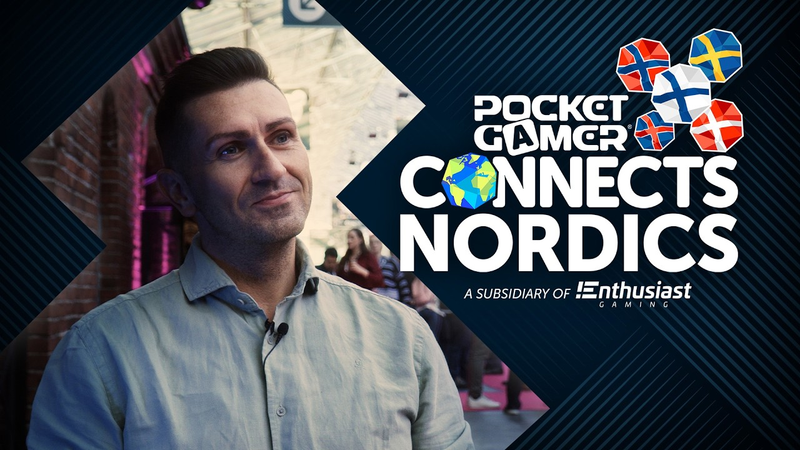
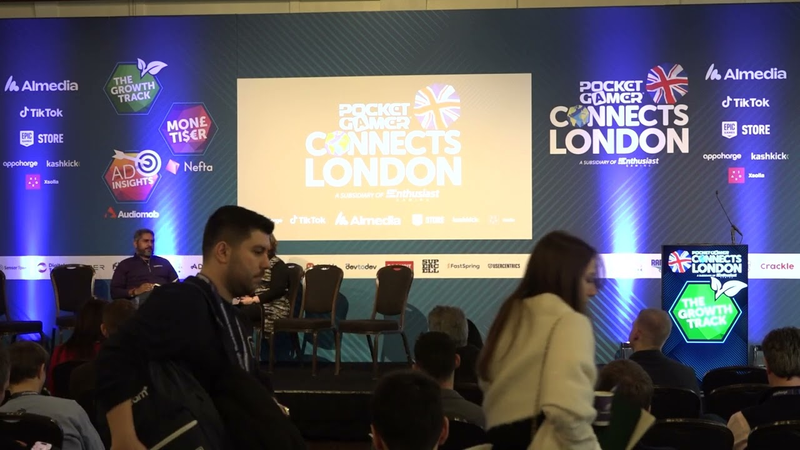
In this interview from PG Connects Nordics in Helsinki, Adam Cavanagh of Tebex, a merchant of record platform that handles payments and monetization for game studios of all sizes, discusses how developers can use data, direct-to-consumer (D2C) stores, and fraud protection to sustain revenue and player engagement. He argues that the industry has been in a difficult two-to-five-year period, with studios focused on survival rather than growth, and that using player behavior data to refine bundles, feedback loops, and live operations is key to extending a game's lifespan in a market where attention is scarce.
On D2C, Cavanagh says the model has matured from a novelty into a significant revenue channel, and he cites a figure that 74% of mobile studios now operate a direct web store, leaving roughly 16% still to convert. He sees Apple's proposed fee changes and regulatory pressure, led in part by Epic, as a modest step rather than a fundamental threat to D2C growth. He notes that genres such as RPGs, tabletop, and casino games appear to perform especially well on D2C because their player behavior is more predictable and their monetization triggers are easier to design around. Holdouts, he says, are typically deterred by perceived overhead, staffing needs, or fear of losing platform discoverability, and are best persuaded through case studies and peer examples.
On fraud, Cavanagh claims Tebex is the only provider offering full fraud and chargeback protection, arguing that studios should not bear the cost of fraud that slips through platform safeguards. He points to chargeback fees of roughly $15 to $20 per claim, which can push a low-priced sale into a loss, and says fraud tools are growing more sophisticated as AI makes attacks more complex. He also mentions rising friendly fraud, such as children's purchases being refunded by parents. Finally, he describes Tebex's recently launched transparent pricing model, a single flat fee per region designed to eliminate hidden FX, payout, and payment-method costs, which he says helps studios forecast budgets and communicate more clearly with boards and investors.




















Comments