1 free read left. Create a free account for unlimited reading + AI research.
Create free account
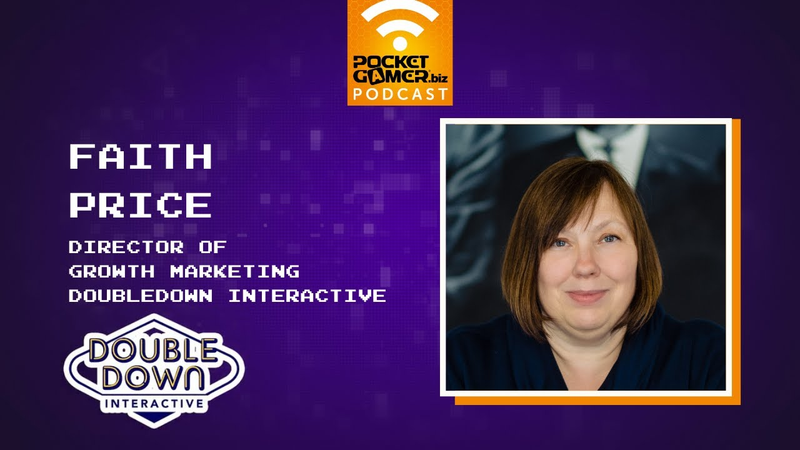
DoubleDown Interactive’s Faith Price On The Sweet Spot For A Successful Soft Launch
Key insights
6 takeaways- 01Mobile studios are shifting away from protracted soft launches toward compressed development cycles to mitigate the financial risks associated with rising user acquisition costs.
- 02Early integration of growth teams allows for the evaluation of creative hooks and the management of cost-per-install metrics before a game reaches a broader market.
- 03Studios should prioritize cross-functional cooperation and leverage data-driven insights from targeted geographic launches to improve the likelihood of sustained long-term success.
- 04The industry is moving toward a holistic operational model that breaks down departmental silos to ensure development remains aligned with shifting consumer needs and marketplace realities.
- 05Product development and growth marketing teams must operate in tandem from the conceptual phase to validate game viability and optimize performance metrics within tighter timeframes.
- 06Artificial intelligence is now a critical tool for accelerating creative ideation and brainstorming, enabling teams to iterate on game concepts more rapidly.
Ask AI about this video
Transcript
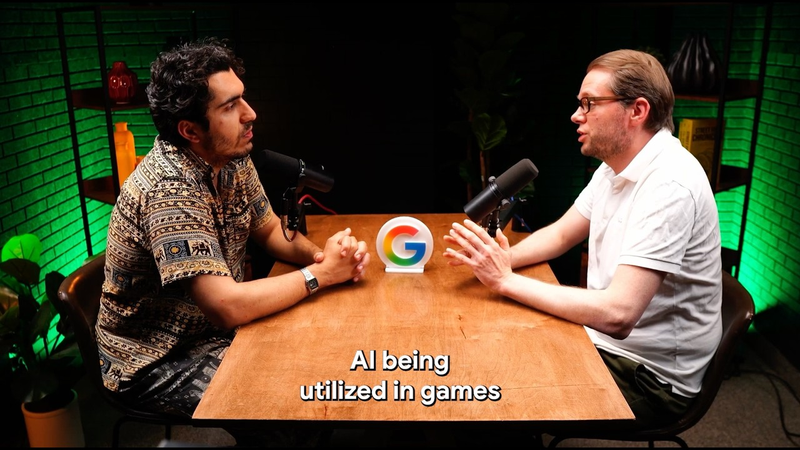
[Music] thank you hello world and as Brian might say Welcome to our lovely listeners but Brian has caught a bug and he will be back in full force next week and speaking of forces I have something to share our podcast is also like a force of its own in the space because For the First time ever our podcast PG dot Biz is up for an award as the best in its class and even more importantly The Best of British so I'll have those details for you later on in the show and in the show notes you can cast your vote because of course you're going to cast your vote for us because that's why you came here you're here at pg.biz and moving on from the best podcast maybe one of the best guests because certainly one of my favorite people in
the industry I am delighted to be chatting today with faith price she is director of growth marketing at Double Down interactive where she manages the UA team ASO ad monetization all of it so a lot that she is doing and a lot that we can learn from so I'll start off right here Faith just great to have you thanks Peggy I am so happy to be chatting with you again um welcome back I know you have been doing a lot of traveling um and it was great to meet up with you in person at Mau it absolutely I can only say the same it was so great they're like hey would you host a Fireside with faith at Mau and I'm like hell yeah cut me in and that's exactly what we did and the conversation I have to say will continue it's continuing here and my Spidey Sense sort of tells me that what you're doing now is even more exciting than what you did before because you are full funnel now you're where the growth
is the focus is but again with great power comes great responsibility how are you dealing with it you know it's certainly been I think somewhat of a challenge to get up to speed on everything but a lot a lot of it is just excitement about being able as you said to work with the full funnel you know user acquisition you know we get users into the game um ASO SEO helps with that uh retention bringing users back through paid channels and now working with the team that's responsible for like push email um social media now that we have the users in the game how do we keep them engaged in building communities and keep them as as excited about the game as we are so much there are so many different reasons to have you back but I will stick to the first one because you are my go-to for all things related to soft launch because if everything starts out really well the idea is everything will
continue and it will grow and it will just be a great game and a great experience and pay off in the end but the irony is that it's soft launch right but it's probably getting to feel like it's harder than ever I that is very apt um I think that what we continue to see is uh companies all throughout like all of the different verticals in the industry recognizing that the old like the old methodologies don't work but also um like the old sort of tried and true I remember we uh would throw around like it takes 20 tries at a game launch to get a successful game or you know one in 20 games will be successful and I think the challenge now is who can afford to put out 20 games into soft launch to find that one success I won't go over the statistics
we did that at Mau so if people are interested they could um go back and uh look at that recording for our Mau session but the day that we had our session Voodoo released uh information that said that they are going down to four game launches a year which if you're familiar with Voodoo right I mean they made a huge name for themselves in the hyper casual business um were one of the leading hyper casual titles and they've said you know what no now we have to go with um more of a hybrid style game a game that has more um content to it that gets the user deeper in the funnel that keeps them in the game longer so what we're seeing is that companies have to not just involve how are they doing soft launches but how are they thinking about games like what games are they actually going to produce and what will work for the for the current marketing environment and you bring up a great point which is also the
genre right I'm talking to marketers who are like yeah we're in casual but we're looking at you know we're looking at hybrid casual then you've got people at hyper casual who are like yeah we're looking to go into casual I've talked to people in mid-core they want to make casual games I mean it's great to be cross-pollinating but uh it's uh it's certainly more than just saying oh I'm going to switch my genre I think the reality is that the more Niche your game is while you used to be able to go out and find those people now you can't and so that's driving a lot of this conversation about you know hybrid the hybrids right like the hyper casual I've been talking with people about some of the um some of the mid-core or the core games and you know you is really difficult and really expensive to launch them and be successful and so people are thinking about well how can I
appeal to a larger audience but you're right like that would be a new skill of sorts for a Game Dev team and everybody spent years sort of perfecting the match three or the hyper casual or the midcore and so now we have to you know relearn sort of like how do we build other types of games that feature your mechanics you like but have a really have a much wider audience appeal let's talk about that change I mean we talked about it now everything's changed you brought some amazing research as well to prove it it was just like this dramatic drop in the number of new games so we just have to cope with that right I think it really does come down to working more closely with the product development team and making sure that there's an understanding of who the audience is um I think previously sometimes games
would go out and be like well we'll find out who our audience is once we're in soft lunch it's really difficult to do that now um it's very expensive to do that now uh and I think the other challenge around it is like how long can you build a can you build a soft launch plan that will allow you to get the information you need um in a shorter amount of time we've done um more staged soft launches so going out for a short amount of time pulling back making changes going out for a short amount of time pulling back making changes um taking a look at that and then also when you go like when you're looking at well how do I go from soft lunch to worldwide launch you know recognizing that worldwide launch might not be what it used to be in the past which was a huge Spike
in um all of your uh all of your user acquisition in fact I remember when I was a previous company and we had a a really considerably large games coming out and looking at the patterns we had over multiple large releases like the most installs you would ever get in a week or a month would be the first time you went and when you went into worldwide launch like that would be your largest um install cohort and the reality is that's not true anymore because it costs too much to make that big big splash so I would say that there is now um a breaking down of the of the demarcation between soft launch and worldwide launch I didn't want to interrupt you there but you had me thinking you know that's exactly the key question is something around the the timeline so can you be a
little bit more concrete we know the timelines are shorter because the resources are shorter but what does that mean tell me about these phases like the numbers of weeks so that's a really challenging question because that's going to be very dependent on your game you know where it is in its development cycle and what your metrics look like especially things like user retention uh but previously well I mean I when I would look at games in soft launch uh we would see them in soft launch for a year potentially um you know running at a lower running at a lower spend in tier three countries and and some like tier twos but they would be in soft launch essentially until they could get the game to a state where they wanted to go worldwide and if that took a year if that took two years you could get cheap enough installs generally to support
some level of spend and so now it's that's very compressed so we see I see more like games only being in soft lunch for a couple of months and then pushing out into worldwide and unfortunately some of them like you will see like a big push into worldwide and then a couple months later immediate drop off in UA and eventually dwindling down quite a bit and so that you know so the question then is how much time how much time can you afford to spend in soft lunch to make sure everything is working um and so that you can get those LTV and retention curves and so I think that's the challenge right that's sort of the compression and that's with
um a lot of the especially you know a lot of the challenges around cost is balancing the need to get a game out which of course is always the driving force of us of the studio exacts and um the need to get enough data to be able to accurately predict LTV which is what the market which is what marketing wants right and so that's part of the rethinking is how can you more accurately predict or model the game metrics on a very short timeline which is probably a little bit of a high five to double down because they've just given you that that's your remit you get to watch the full funnel not because you're just really good at it Faith but because you have that visibility into the data that's what I'm hearing here that that is the way to structure it in order to make this work yeah and I think that's part of the like where UA teams need to
work more closely with the game development teams right to have that to have that conversation to say how can we be collaborating together how can we provide feedback from what we're seeing in terms of how the user you know what the user is reacting to in in messaging and creative and the game team can provide like okay well here's you know where the metrics are here's what the metrics are and then how can we work together to improve them we have to get rid of some of maybe some of those silos that you could have previously and recognize that it's it's just got to be more of a collaboration together let's talk about the data because there's not much of it marketers have to be smarter we talked about the shorter phase they also have to be smarter and they have to look at the data differently maybe you can tell me a
little bit about how they can make quicker decisions around the metrics that are the most important this is where we talked about the demarcation like like between soft lunch and worldwide launch potentially going going away like the lines blurring it used to be you went out to tier three then you went up to and maybe a little tier two and then eventually you'd go into your target market to get the data you need to validate that the game is in the amount of time and with that with that amount with the spend the required spend um to validate that the game is investable you might actually have to go into your target market you know it used to be no don't go into your target market until you're ready to go worldwide because you're going to get this huge bump for worldwide you're going to you know potentially get featuring this you know all of this around it but what what you know we're starting to see see now is more people
doing a soft launch where they're going to but that's in what what's going to be their main worldwide Geo because the data that we used to get you know from tier threes uh isn't necessarily as useful anymore and it's more expensive right so if you're gonna have to pay if you're gonna have to be paying um higher cpis anyway going into the target Geo might be what you know might be what you have to do it's interesting to me that um so the Play Store you can go into your target Geo and be in like a beta uh and therefore get information and let but the ratings the ratings won't count so once you put out your sort of your final worldwide launch client the ratings won't go against you so if
you're um so if you still have a game that has some stuff to be worked out people are aware it's a beta so it does make sense to say hey let's just do beta in our target market we'll get the data we want it's relevant it's our audience it's going to be useful it's going to help us make a better game um in the end it's going to pay off you just have to be willing to sacrifice your your expectations that were based on you know the way the world was three years ago and staying with the data for a moment to what extent is it important to understand what everybody else is doing how important is it understanding that how much effort should I put into that or how much effort do you put into that we do a hefty amount I would say of competitor research market research um before we create any plans before we do any estimates out to the leadership team on you know what do we think this
is going to cost and what do we think we will get for it um and so I would say for us you know that's something we work on months in advance of when we actually think the game is going to be in in soft lunch and I think that's one of the sort of benefits of you know being able to have good relationships with your media Media Partners because they're also you know we talk about like talking with other colleagues in the industry other people who are doing tough launches from the game game side but you know the media channels those are also a huge component in your plan and in um the success of your of your title so we have a lot of conversations with our Media Partners as well to understand what's going on in the industry and
being able to get that data and be able to make those estimates and then of course you launch them and you try to validate validate all those estimates and sometimes it works and sometimes it doesn't but the thread going through all of this is really it's much more collaborative than it used to be you talk about there needing to be more collaboration between marketing and product um tell me how you encourage this and maybe encouraging everybody to think in this way maybe something that you have found together to boost installs and conversions so proving that teamwork works I'm really lucky we have a game development team uh that's that sits in in-house in Seattle and so we have a lot of we're able to have a lot of conversations from uh around the development of what ideas are coming down the pipeline all the way through launch and so there's a couple of times where we get to
um sort of speak into the process and one of the questions that we get asked is by the game team when they have a you know all of their ideas for their pitches or what do we think from a marketing standpoint what do we think the viability of the game is what do we think the challenges are um and so we will be able to have conversations that say you know this is a really great idea but it's gonna be really expensive so here's what we think the costs will be and based on that is it you know you have you have 20 ideas these one costs these ones cost a lot these ones Cost Less um or you know these ones cost less but we don't think the we don't think the average revenue is going to be very high so part of it is you know having that conversation early on about what do we think will what do we think will work
part of it is having conversations as they get near the end about okay well what's the what's the marketing hook around this right like you've got a great you've got a great mechanic you've got a good theme but what can we use to tell a story that will make people interested in the game and so having those conversations with um which we did on a Game launch uh last year was able to help us then develop our creative and to be able to drive lower cpis because we were able to work with them to be like okay you've got this but what we really need is this sort of character or this sort of storyline or you know this way to combine the meta game with the mechanic like having that conversation and being able to say
you know like we need a way to Market this to somebody who is not who doesn't know the game and isn't is in love with it as you are really I think is really key for when you're first going out and trying to get low low cpis so it's really about that marketing plus the mechanic and saying okay this is a great idea but this is how you're going to make it better in the sense that it's better performing you talked about your game launch last year you talked about the creative what's the what's the hook that you found together what was something that you found that worked that maybe you can share sure um and you know unfortunately this was was not a game that made it out of soft launch um but but when we were when we were working on through soft launch it really was like like working with them to say okay we try just the mechanic that doesn't work we tried just the story that doesn't work so you know help us
put the two like put the two together because the concept was right you appeal to people who just like the mechanic you appeal to people who just like the theme of the story but how can you appeal to both of those groups together and so that's what we that's what we had conversations with them about and part of it came from you know us also being able to play the game I think that's really key too is give the game um which is what our our Dev teams have been doing is giving us the game early on to say okay is this interesting and is there something here you can market so you know um I ended up playing through like finishing multiple story lines in that game so that I could be able to talk to them about okay how can we use this in the marketing so I think that's been one of the bigger bigger changes in how we
collaborate because that wasn't necessarily um you know what we did previously I was thinking about that because I know a lot of marketers just like they didn't didn't really touch that part of it and there you are being almost collaborative co-creating in that respect saying okay this is the mechanic I like this here's how we can Market it another part of that collaboration is not just marketing and product I don't know if it's a who or a what but it's also hey that big big buzzword AI how's it working out there at Double Down I mean is that part of the teamwork now part of the code creation what's what's going on there for us I think we're still very I would say rudimentary in what we use AI for I know some people have completely embraced it right most people are either it's the savior of everything or it's it's going to destroy the world right um we're sort of in the this could be an
interesting tool mostly it's a jumping off point right so it's a it can be a jumping off point for marketing teams in terms of messaging or ideas on on New Concepts for the art team it's a jumping off point for um developing characters and and environments and things like that um but that's really where we utilize it let's let's make it part of a brainstorm the beginning part maybe and then it adds to everything else we've been bringing we've been brainstorming and then we can choose what we like from all of the different um from all of the different inputs from people from Ai and then build on those let's stay with brainstorming and inspiration because on a personal note faith I have to say something about you you really inspire
me you have everything aligned to understand human and also data you recently returned yourself from a trip to the Philippines where you spent time as we discussed you know several remote Villages that you were there working with local volunteers on scholarship programs I mean help me understand how this aligns with what you do in your professional and in your personal growth I mean you are a growth marketer but you're also growing at a very personal level I think that's exciting and and surely um has some benefit that you'd like to share I love collaboration and I love what that we're in an industry that is it's competitive but it's also really collaborative and so um that is the for me is sort of the natural springboard to some of the you know some of the volunteer work I do around helping provide resources educational resources for other people
who don't have the same you know don't have the same opportunities I would say that we do what I do in my professional life is a lot of um it's a lot of organizational uh meetings and finding resources for different teams and removing obstacles for their success and so it's it's so amazing for me when I get to take that to a whole to a very different um set of circumstances uh which you know in this case was working in the Philippines to help you know how do we how do we provide resources for programs for people who need to be able to go to school elementary school high school college you know how do we provide find resources and Start programs for you know people who don't have uh work that they can do because they live in a very
remote area I work with a lot of budgets in my job and so you know helping people who've never don't even understand what a budget is or have never had a bank account because a bank account is something that you know wealthy people have wealthy meaning somebody who you know maybe makes a couple hundred dollars a month to me it's just so so fulfilling and amazing to get to be able to do that and to be able to see people excited um because they get to go to school right like that's that's I I think of my I think of my nieces and nephews who I love very dearly but they were not nearly as excited about being able to go to school um even if it's like walking five or six miles to get to that school as some of the kids that I was able to meet and to chat with obviously you have a strong character we've been talking about it
you think about personal growth you think about professional growth and also rethinking you know games as well and probably not everybody knows this but I did a little bit of digging and I was very interested to find just by accident you are also a character in a comic book I saw this I thought this is pretty wild I didn't expect this at all I just thought oh it looks like faith and then I looked and clicked it on it's like yes Titanic okay I get it okay and your your your ability your superpower is you drink a few sips of your herbal tea mix and then you can gain a better perspective on any situation I mean that is one heck of a superpower is that is that you Faith uh just a shout out to to lift off their mobile heroes um for and a big thank you for them putting me in in their comic series um I like to think it is I certainly hope that that's one of the things that I can bring to the to the teams I work
with uh is that perspective and that's what I really encourage for my teams as well is to you know to be going out and listening to podcasts and reading articles and you know participating in um webinars and things like that because we need to understand you know when you understand more about what's going on whether it's in your industry we're just indust all of the marketplace in general there's so much more that you can bring there's such a better um perspective that you can have on marketing and on game development and on you know communicating messaging like when we're you know crafting an email or a social post to the consumer um having those having that information not just being siled into one specific area I think just makes everybody better
rounded in their in their roles in both work and I think both in their personal life too you have the Practical first-hand experience and true to what you do Faith yes you like to educate the industry you just educated us now so thanks so much for sharing thanks Peggy it was great as always chatting with you foreign this show is all about how to do your job better how to make an amazing game how to Market it and you have a say so if you have a story or know someone we need to shine a light on then we would love to hear from you we want to hear from you we want to reflect the reality of the mobile games market and all its wonderful complexity and strangeness so if you have any suggestions for us if you have any feedback for us you can always get in touch you can email us at podcast pocketgamer.biz you can find us on Twitter at PG Biz and you can reach out to us through the pocketgamer.biz website if you're interested in
listening to all of our podcasts you can find them at pocketgamer.biz forward slash podcast and we would love to hear your thoughts on future shows and we've got you covered on all the major platforms so subscribe to the audio podcast as Brian said look for us on YouTube if you want to read it hey you can do that too because we have a companion post for you as well on thepocketgamer.biz website tune in again for the next edition of the puppetgamer.faze podcast and we look forward to speaking to you in the near future until then I'm Brian baglo I'm Peggy Ann saltz and that's a wrap until next week foreign
Summary
The mobile gaming industry is undergoing a fundamental shift away from protracted soft launch periods toward compressed development cycles. Rising user acquisition costs and the inherent financial risks of traditional, long-term testing strategies have necessitated this evolution. By blurring the lines between initial market entry and worldwide release, studios can now gather critical data on lifetime value and retention metrics much earlier in the development process. This transition requires a departure from isolated workflows, demanding that product development and growth marketing teams operate in tandem to validate game viability within significantly tighter timeframes.
Success in this high-stakes environment relies on integrating marketing insights into the earliest stages of production. By involving growth teams during the conceptual phase, studios can better evaluate creative hooks, optimize performance, and manage cost-per-install metrics before a game reaches the broader market. Furthermore, the strategic application of artificial intelligence has emerged as a vital tool for accelerating creative ideation and brainstorming, allowing teams to iterate more rapidly. This collaborative framework ensures that development remains aligned with shifting consumer needs and marketplace realities.
Ultimately, achieving long-term viability in the mobile sector requires a holistic perspective that transcends departmental silos. Developers are encouraged to maintain a broad view of the industry, prioritizing practical, first-hand experience to navigate the complexities of modern game publishing. By fostering a culture of cross-functional cooperation and leveraging data-driven insights from targeted geographic launches, studios can mitigate risk and improve the likelihood of sustained success in an increasingly competitive global landscape.













Comments