1 free read left. Create a free account for unlimited reading + AI research.
Create free accountArticle Quantic Foundry
1 free read left. Create a free account for unlimited reading + AI research.
Create free accountArticleQuantic Foundry
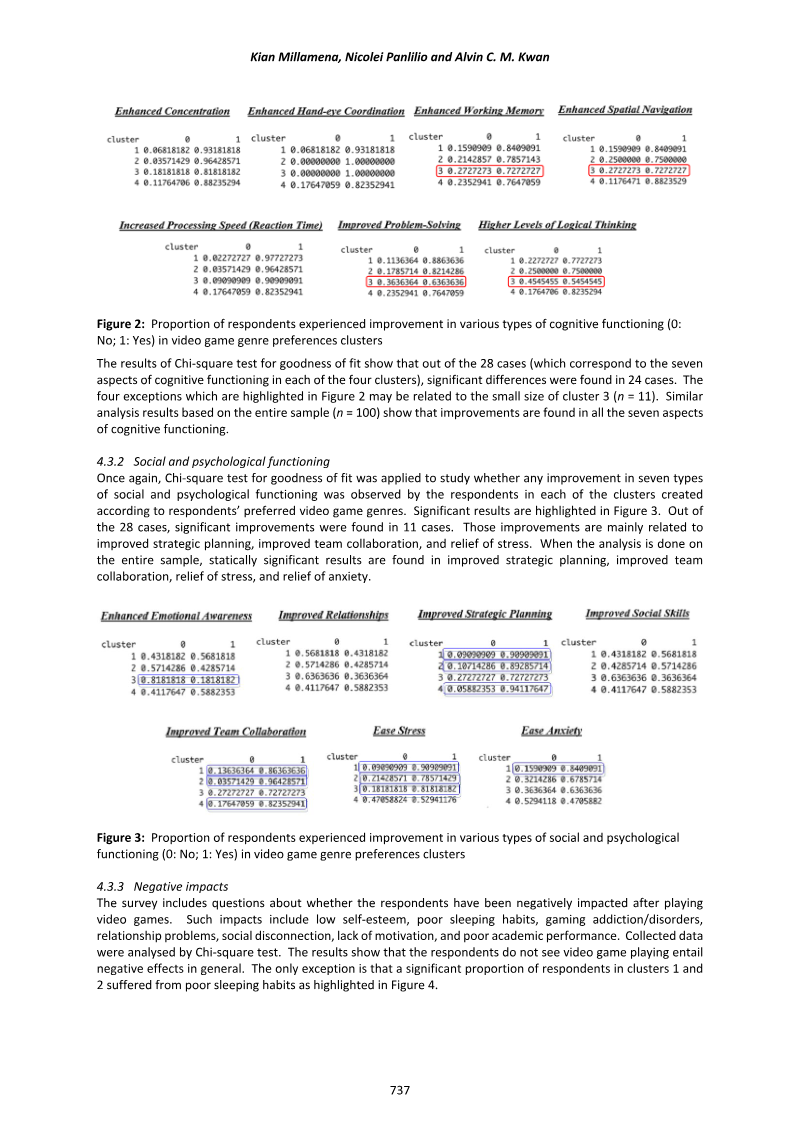
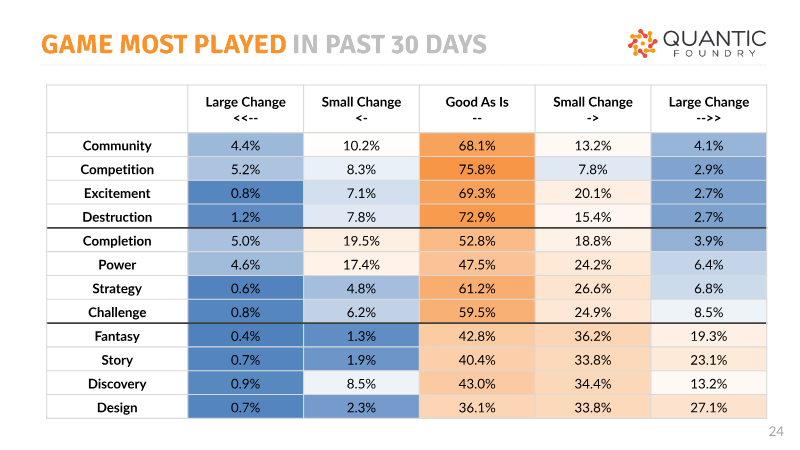
Female gamers are more often motivated by design, fantasy, story, and completion. Male gamers show higher motivation for competition, challenge, excitement, and strategy.
Motivation alignment. Female gamers are more likely to be driven by Design, Fantasy, Story, and Completion, while male gamers are more likely to be driven by Competition, Challenge, Excitement, and Strategy.
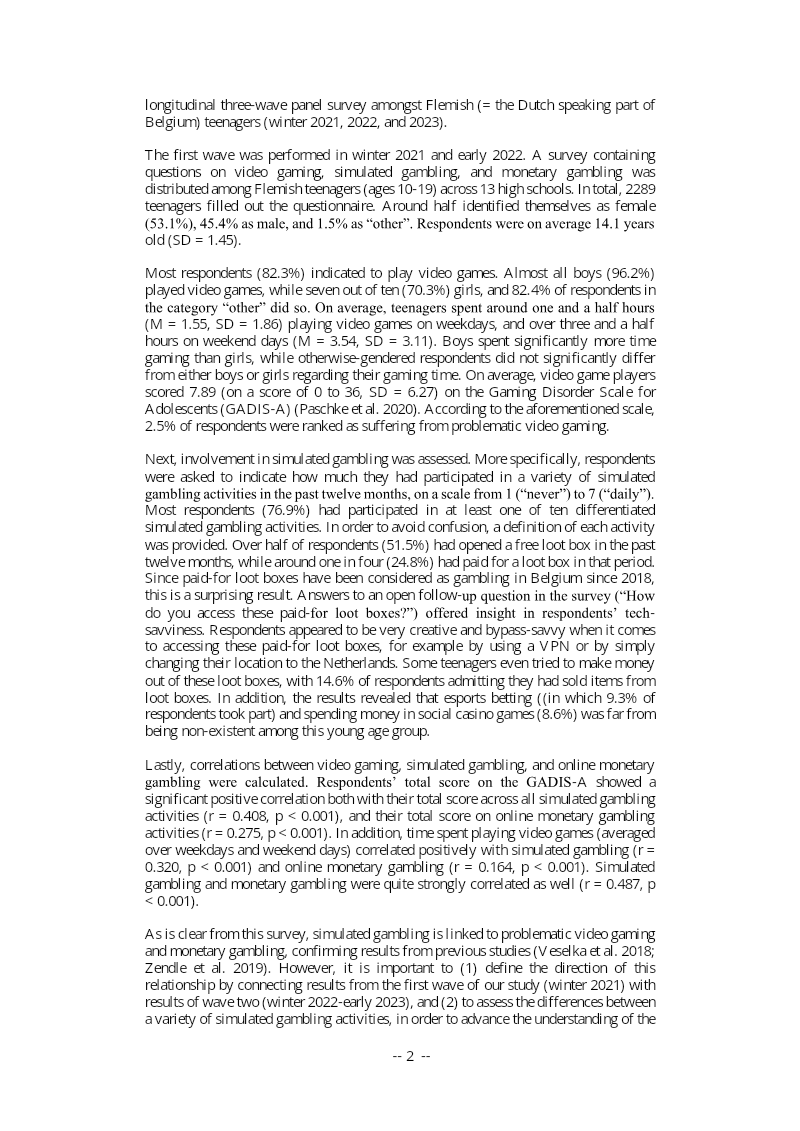
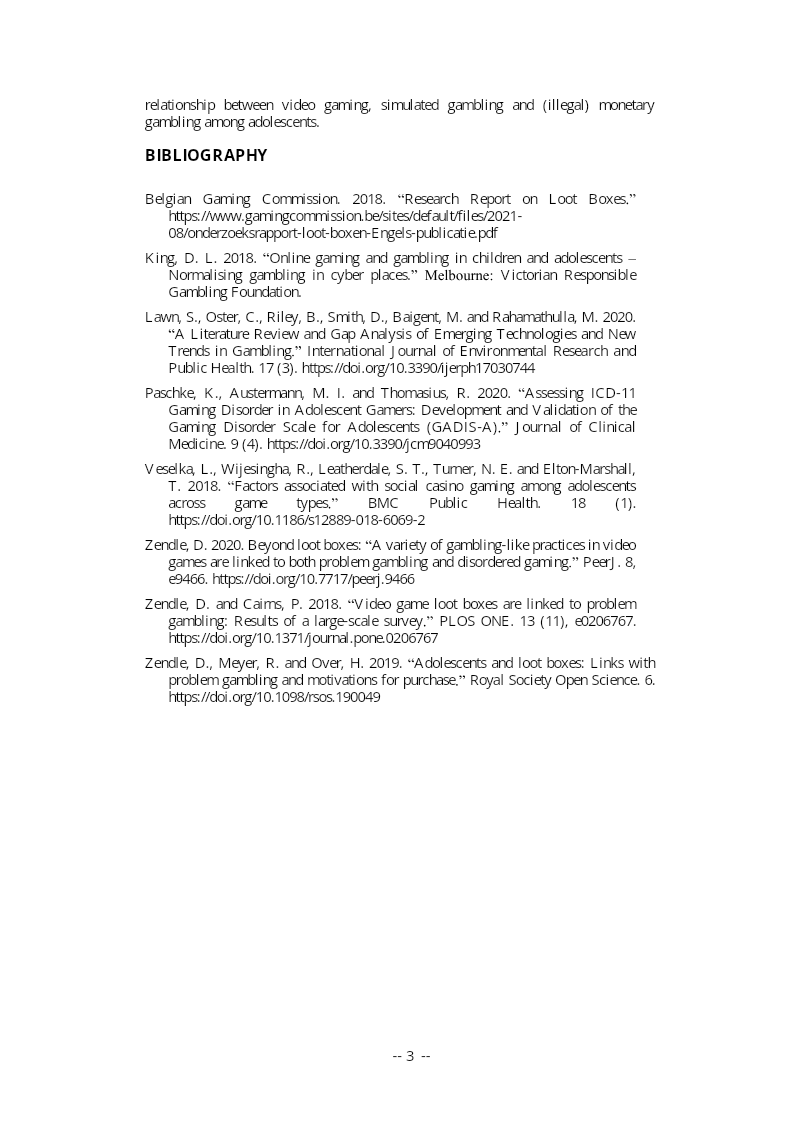
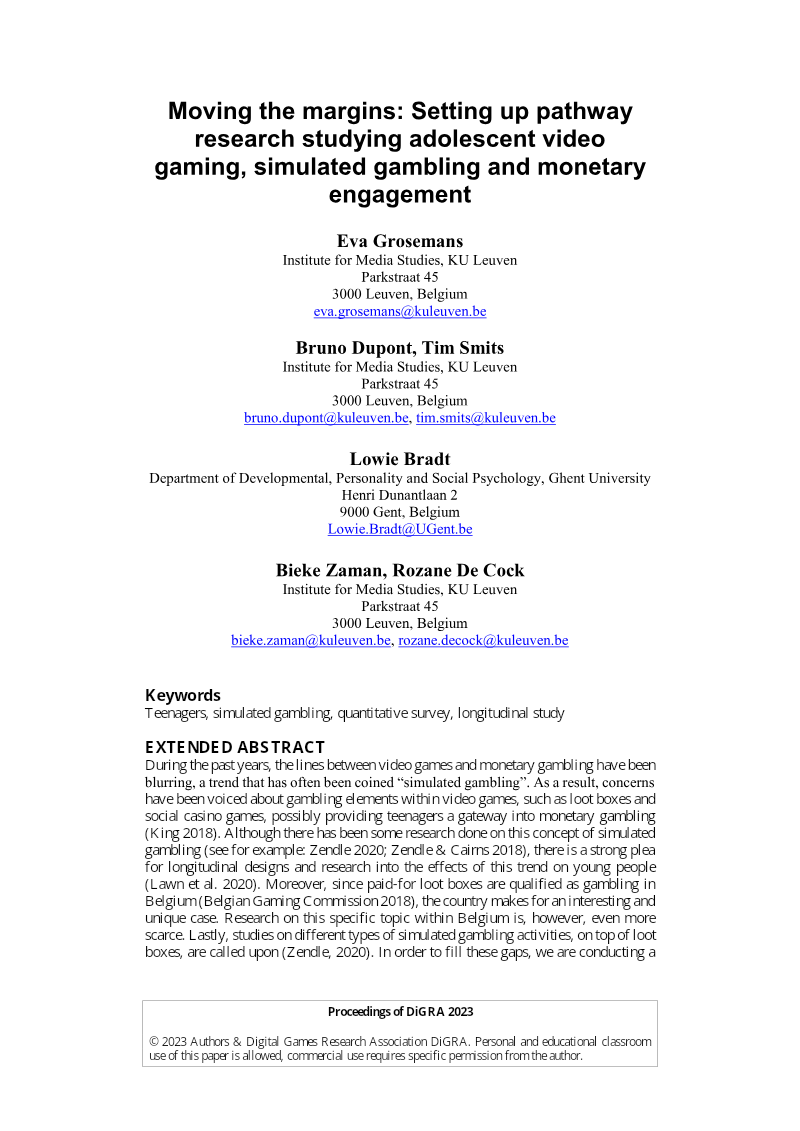
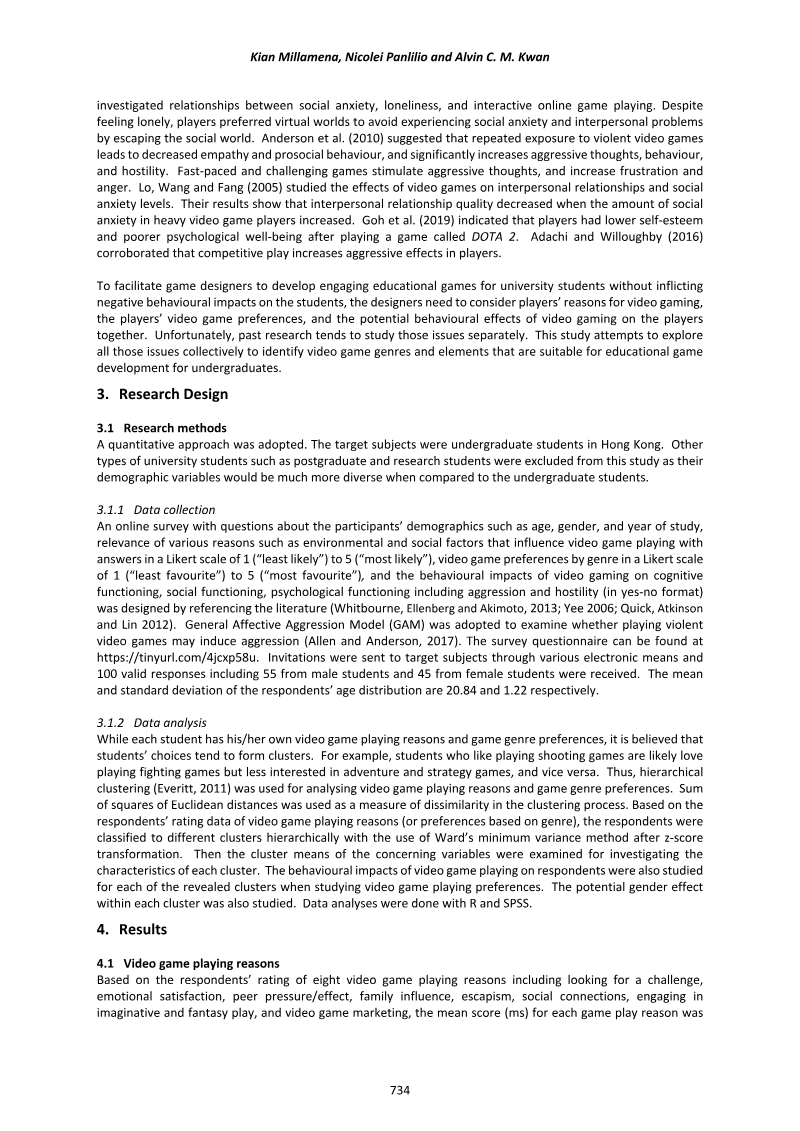
Gender differences in gaming motivations are real and follow familiar stereotypes, but they are modest next to the differences between younger and older gamers. Drawing on Quantic Foundry's Gamer Motivation Profile, the analysis uses responses from 107,100 gamers collected since late June 2015, with the primary breakdown focused on US respondents (n = 51,283) across 12 motivations, standardized as z-scores. A re-run on the full sample produced the same trends.
Female gamers scored higher on Design, Fantasy, Story, and Completion, while male gamers scored higher on Competition, Challenge, Excitement, and Strategy. Because very large samples make even trivial differences statistically significant, effect sizes are emphasized. The largest gender gap, in Competition, is d = .33 (r = .16), implying an 87% overlap between men and women. Even so, the author notes that a small difference can feed a marketing feedback loop that skews the demographics of acquired customers. Community showed the smallest gender gap of any motivation.
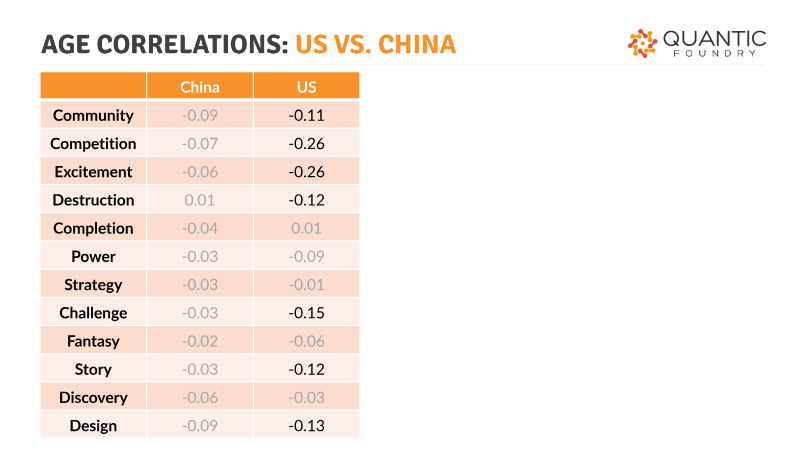
Age proves the stronger factor. Gender differences in Competition are consistent among gamers under 34 but largely vanish in older groups. Age correlates with Competition at r = .28, meaning it explains roughly three times the variance that gender does. Among 13-17 year olds, the male-female gap is far smaller than the gap between the youngest and oldest male gamers. Because female gamers average eight years older than male gamers according to industry data, simple gender comparisons likely inflate perceived differences. All 12 motivations correlate negatively with age, strongest for Excitement and Competition (-.28), then Challenge (-.21) and Community (-.17), and weakest for Completion, Fantasy, and Strategy (-.05). The author interprets this as older players having less free time and preferring games that fit their schedules, not as a lack of interest in gaming.
A preliminary look at non-binary respondents (0.9% of the US sample, n = 464), analyzed as a single group, found a pattern largely resembling female gamers, with notably higher scores on Design, Discovery, Fantasy, and Story. Reader comments extend the discussion to the social dynamics of MMOs and to the appeal of puzzle-based versus action-based challenge for older players.
Each row is a game or company this document names, each column a document, oldest first. A mark means that document names it. Select a row to see those documents.
Quantic Foundry · 2026
Quantic Foundry · 2025
Quantic Foundry · 2025
Quantic Foundry · 2025
Quantic Foundry · 2025
Quantic Foundry · 2024
Quantic Foundry · 2023
Quantic Foundry · 2023
Quantic Foundry · 2023
Quantic Foundry · 2021
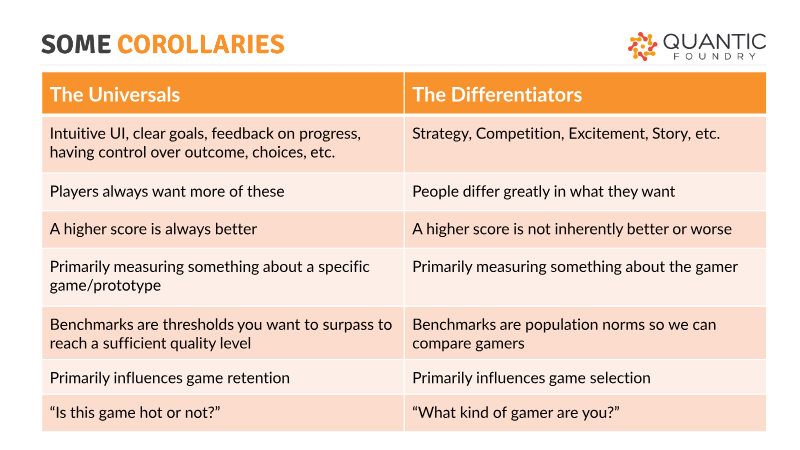
Quantic Foundry · 2021
Quantic Foundry · 2021
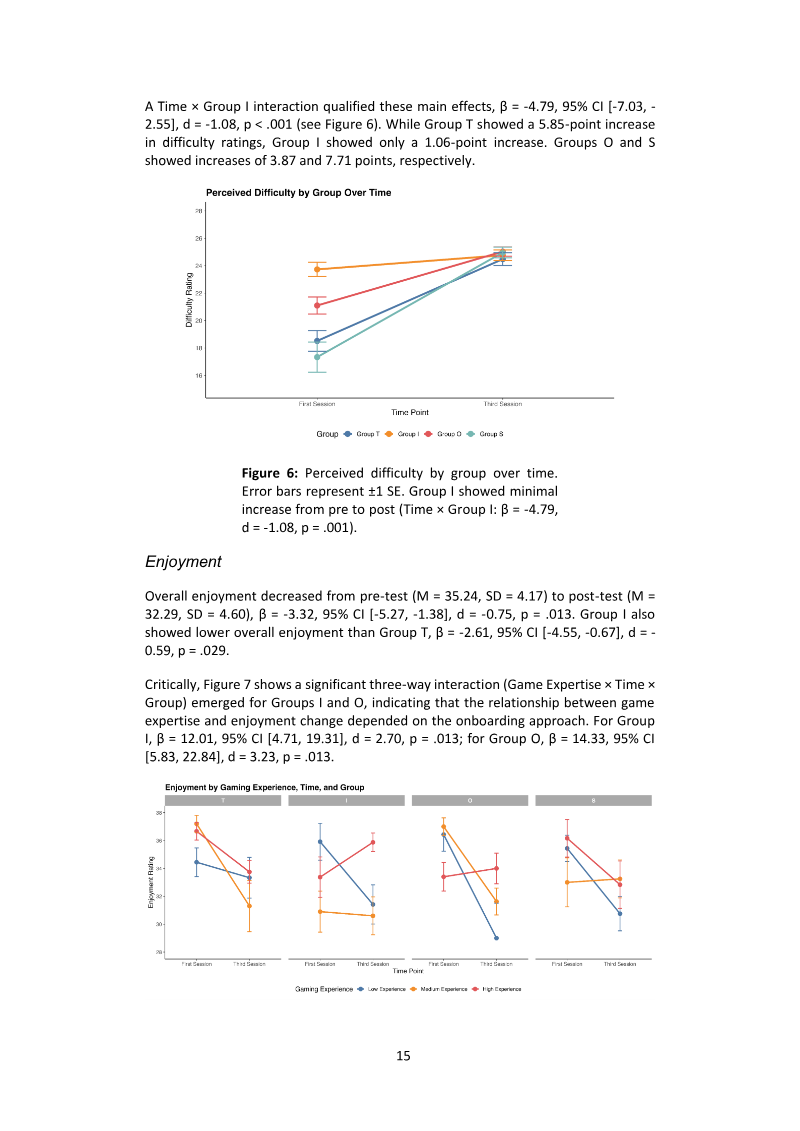
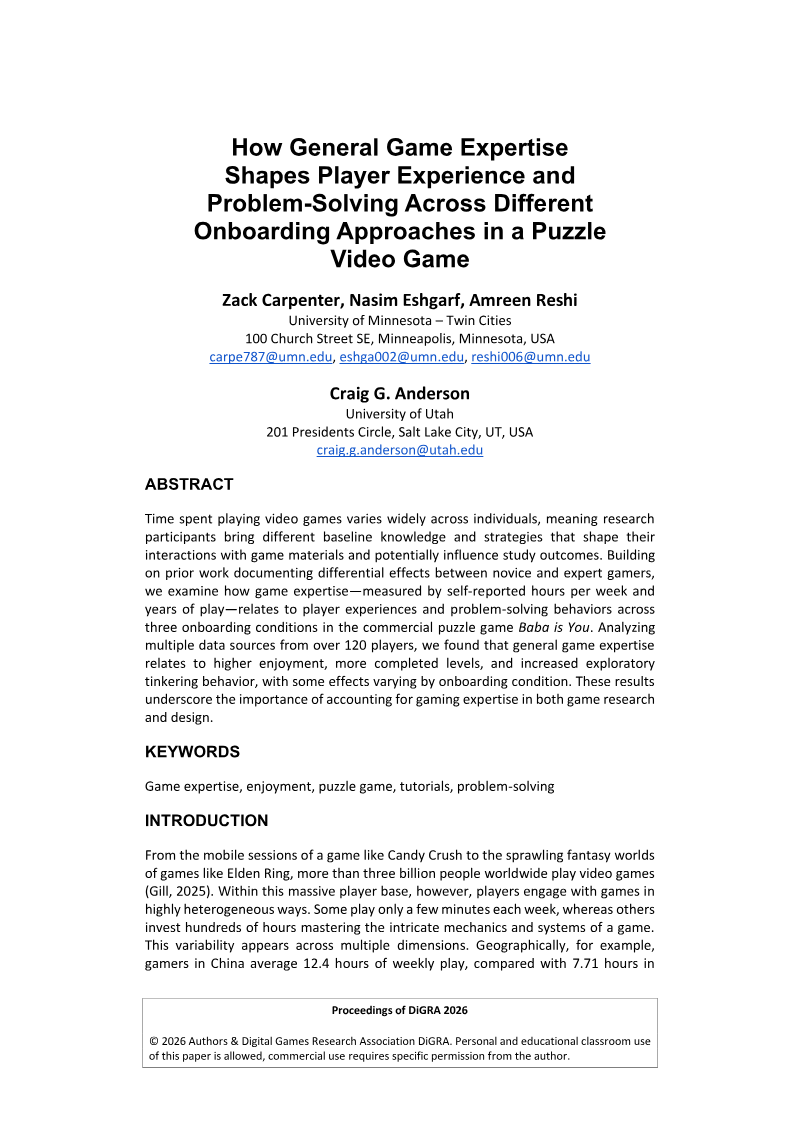
DiGRA · 2026
DiGRA · 2026

Naavik · 2023