1 free read left. Create a free account for unlimited reading + AI research.
Create free accountPresentation Quantic Foundry
1 free read left. Create a free account for unlimited reading + AI research.
Create free accountPresentationQuantic Foundry
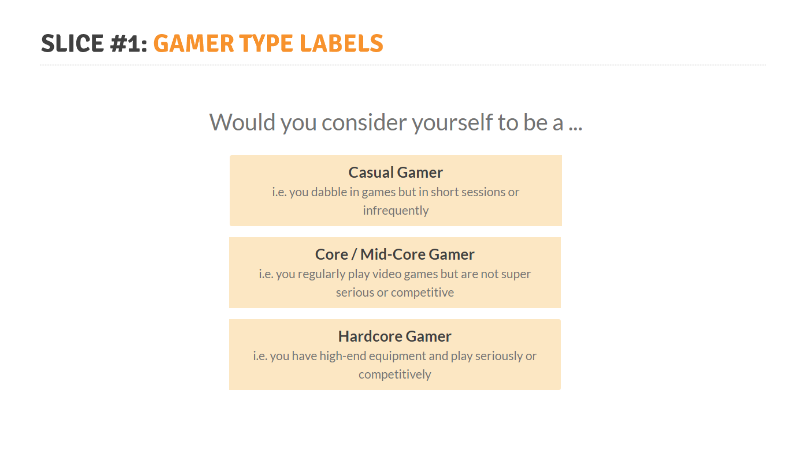
Labels like casual, core, and hardcore function more as demographic markers than accurate reflections of play style.
Ineffective Prediction. Traditional industry labels are ineffective at predicting player behavior.
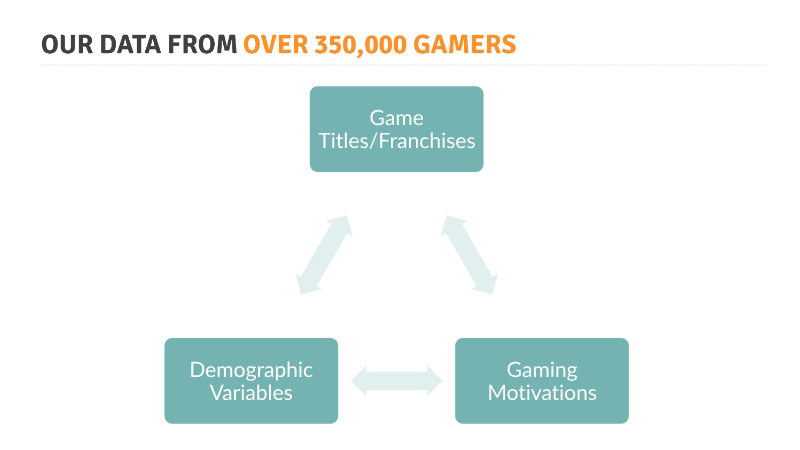
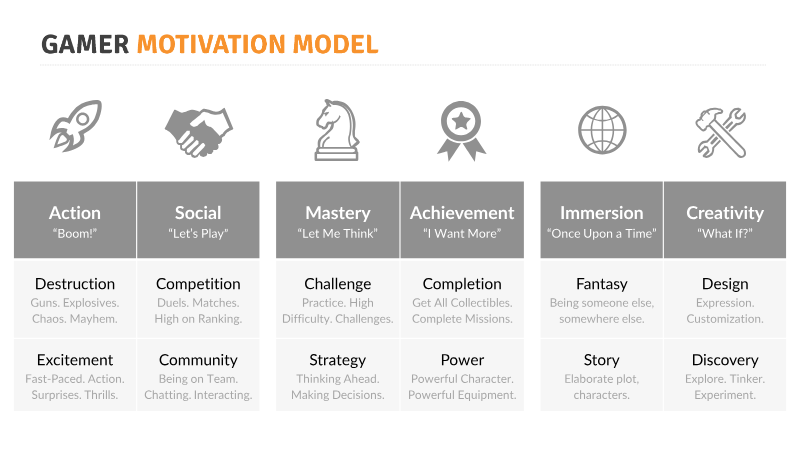
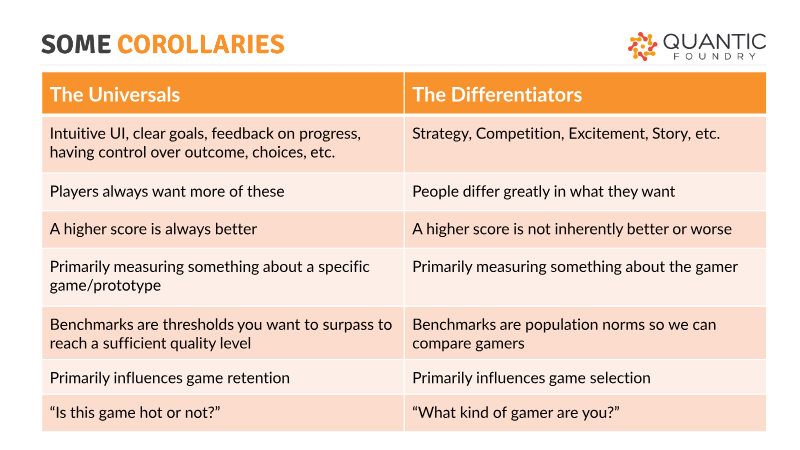
Gaming motivations are driven by a complex interplay of psychological factors rather than traditional industry labels. By analyzing 350,000 players, the research identifies six primary motivational clusters: action, social, mastery, achievement, immersion, and creativity. While the industry frequently relies on the casual, core, and hardcore taxonomy to segment audiences, these categories often function more as demographic markers than accurate reflections of play style. In reality, there is an 86 percent overlap in gaming motivations between genders, indicating that fundamental play preferences are far more universal than common stereotypes suggest.
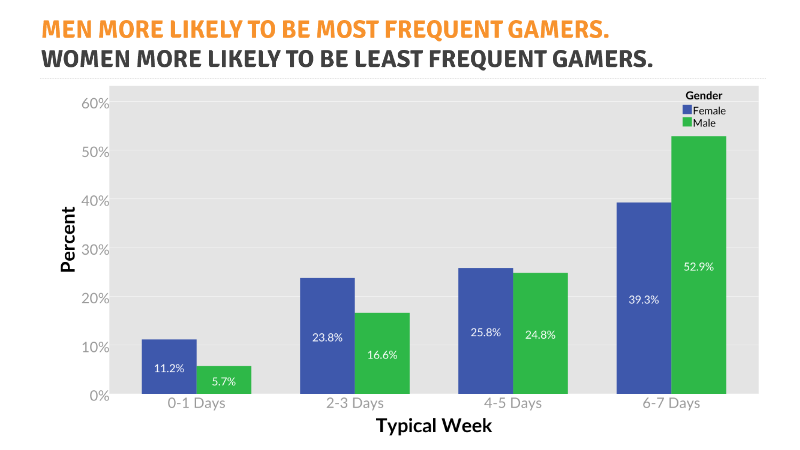
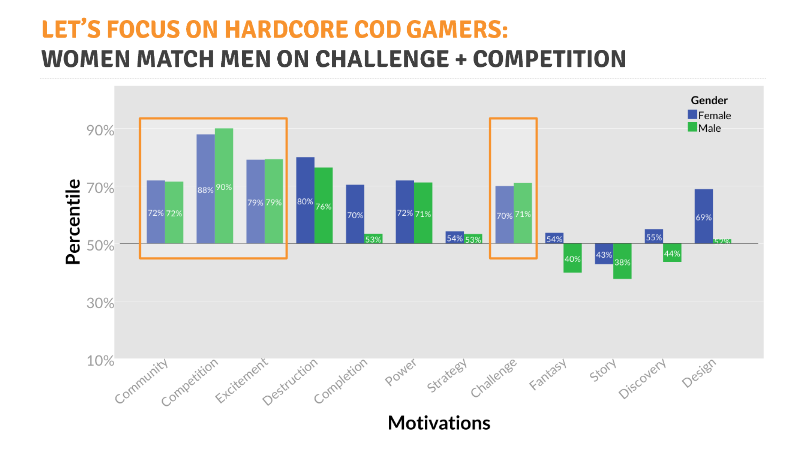
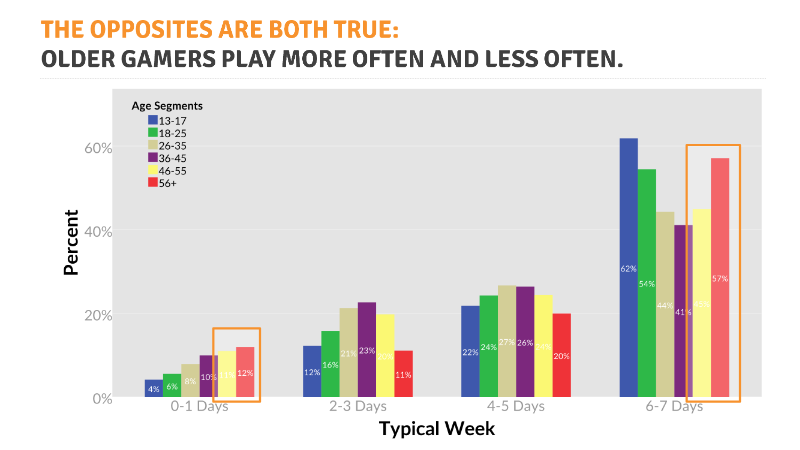
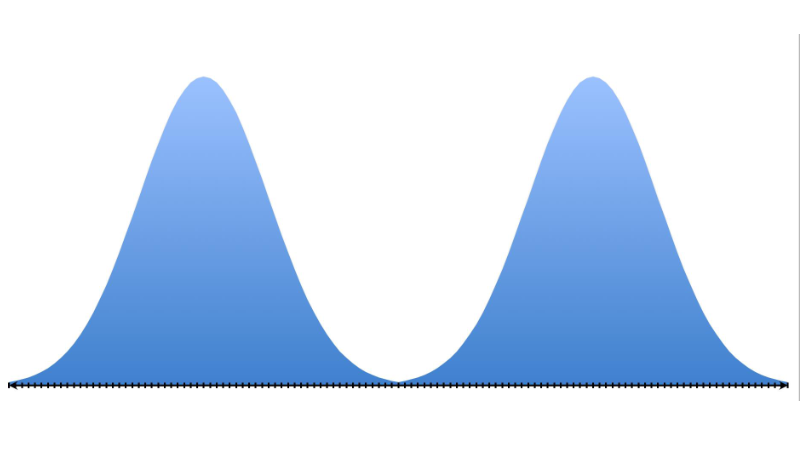
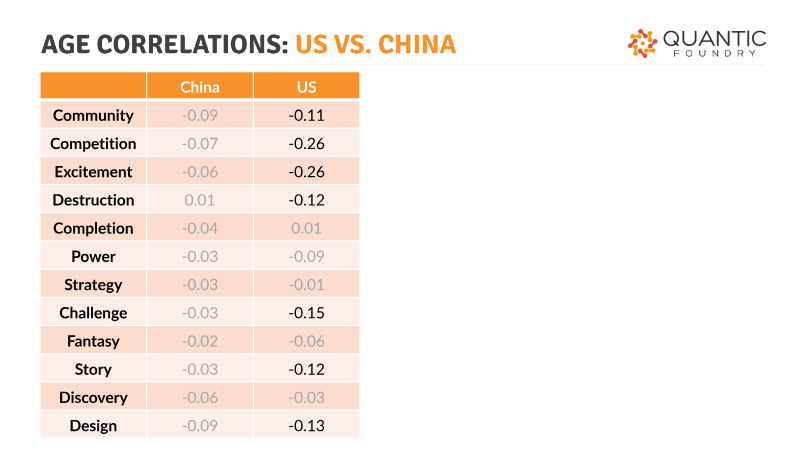
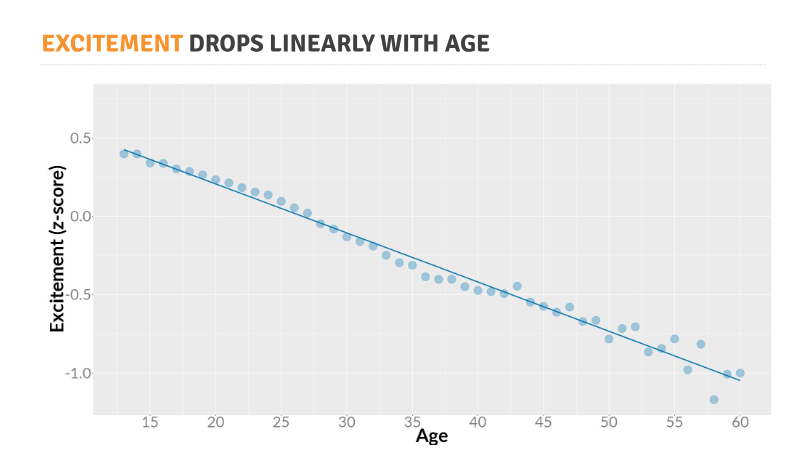
Demographic trends reveal that while men and younger players are more likely to self-identify as hardcore, these labels mask significant nuances in how different groups engage with content. Men generally prioritize competition and destruction, whereas women demonstrate a stronger preference for design, fantasy, and completion. Despite these differences, the data confirms that women match men in their interest in challenge and competition, debunking the notion that these traits are exclusively masculine. Furthermore, older gamers exhibit a unique, bifurcated engagement pattern, oscillating between high and low frequencies of play, while destruction remains the most consistent motivational driver across all segments.
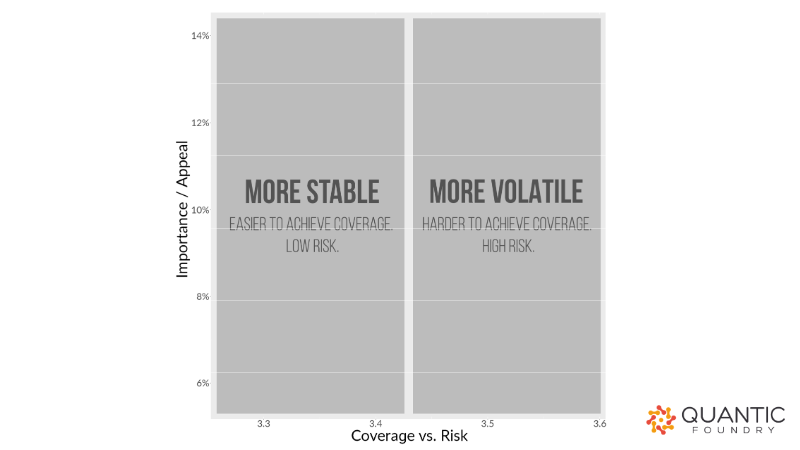
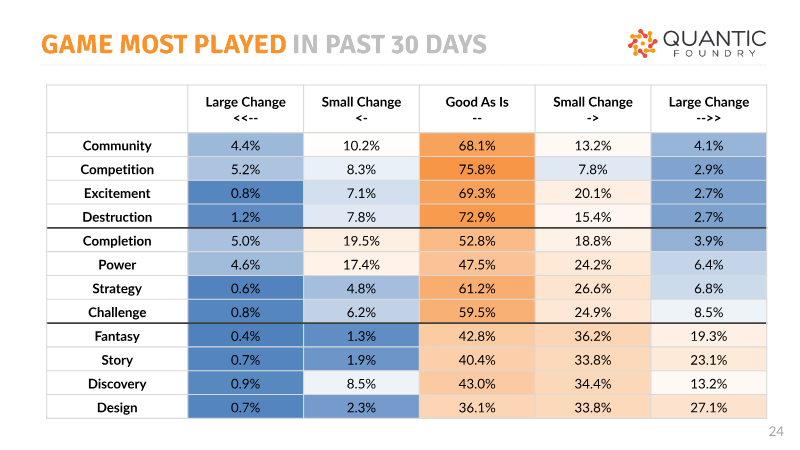
Ultimately, the findings suggest that industry assumptions regarding gender and player status are frequently flawed and overly static. Because player motivations are highly game-specific and volatile—particularly regarding community and competition—broad generalizations often fail to capture the reality of modern gaming behavior. To better serve the global player base, developers and publishers should move away from rigid, gendered definitions of hardcore status and instead focus on the specific motivational drivers that define individual game experiences.
Quantic Foundry · 2026
Quantic Foundry · 2025
Quantic Foundry · 2025
Quantic Foundry · 2025
Quantic Foundry · 2025
Quantic Foundry · 2024
Quantic Foundry · 2023
Quantic Foundry · 2023
Quantic Foundry · 2023
Quantic Foundry · 2021
Quantic Foundry · 2021
Quantic Foundry · 2021