1 free read left. Create a free account for unlimited reading + AI research.
Create free accountWhitepaper Eludamos: Journal for Computer Game Culture
1 free read left. Create a free account for unlimited reading + AI research.
Create free accountWhitepaperEludamos: Journal for Computer Game Culture
The review analyses 80 publications from 2005 to 2022 and applies a tangible and intangible heritage framework adapted from Balela and Mundy.
This systematic literature review examines how cultural heritage is represented in entertainment videogames, analysing 80 publications from 2005 to 2022 identified through a PRISMA-guided Scopus search and ASReview-assisted screening. Applying Balela and Mundy's tangible and intangible framework, adapted to exclude natural heritage and reclassify performing arts as intangible, the authors use thematic and content analysis to map how scholarship has approached games as sites of cultural representation. Their deliberate focus on entertainment rather than serious games distinguishes the review from earlier work.
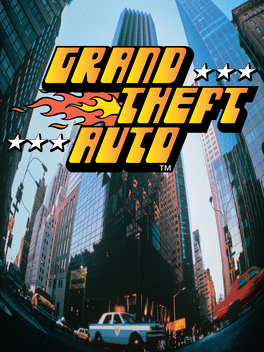
The findings reveal a pronounced imbalance in both subject matter and method. European heritage, particularly Nordic mythology and architecture, together with modern American culture as depicted in the Grand Theft Auto series, dominates academic attention, while Asian heritage remains markedly understudied. Research concentrates on role-playing and real-time strategy Triple-A titles on PC and consoles, leaving mobile and indie games largely unexamined. Within tangible heritage, scholars have focused on historical figures, religious and Biblical elements, and representations of Native American and Black characters, noting limited but growing inclusion of Indigenous people alongside persistent stereotyping. Recreations of famous monuments often prioritise recognisability over historical accuracy.
Intangible heritage, including language, music, dance, and oral traditions, is the least explored dimension. Studies addressing it tend to concentrate on mythology and stereotyped portrayals of marginalised groups, and frequently reveal Western-centric perspectives, such as Indigenous peoples cast as victims. Language representation is the most neglected topic, with only three publications addressing it, and English remains dominant across the industry despite occasional efforts to incorporate ethnic languages.
The authors conclude that the Balela and Mundy framework requires more granular sub-themes and that future research should prioritise intangible heritage, broaden genres and platforms, include non-English scholarship, and extend coverage beyond 2022.
Each row is a game or company this document names, each column a document, oldest first. A mark means that document names it. Select a row to see those documents.

Eludamos: Journal for Computer Game Culture · 2026

Eludamos: Journal for Computer Game Culture · 2026

Eludamos: Journal for Computer Game Culture · 2026

Eludamos: Journal for Computer Game Culture · 2026

Eludamos: Journal for Computer Game Culture · 2026

Eludamos: Journal for Computer Game Culture · 2026

Eludamos: Journal for Computer Game Culture · 2026

Eludamos: Journal for Computer Game Culture · 2025

Eludamos: Journal for Computer Game Culture · 2025

Eludamos: Journal for Computer Game Culture · 2025

Eludamos: Journal for Computer Game Culture · 2025

Eludamos: Journal for Computer Game Culture · 2025
International Journal of Role-Playing · 2026