The GAMEHIGHED project, a three-year Erasmus+ strategic partnership, examines the alignment between higher education and the evolving requirements of the global game industry. By analyzing academic models in Turkey, the Czech Republic, Poland, and Finland, the research identifies a persistent disconnect between traditional university structures and the fast-paced, project-based reality of professional game development. The central thesis posits that while academic institutions are essential for fostering long-term industry growth, they must transition toward interdisciplinary, industry-integrated models to effectively address critical talent shortages and improve student employability.
Key findings across these regions reveal that successful programs, such as Bahçeşehir University’s BUG Lab and Charles University’s Gamedev Cuni, rely on "sandbox" environments, game jams, and direct mentorship from industry professionals. These initiatives bridge the gap between theoretical research and practical application. However, the research also highlights systemic obstacles common to many European institutions, including rigid administrative regulations, chronic underfunding, and a "brain drain" of qualified faculty to the private sector. Despite these challenges, programs that prioritize cross-departmental collaboration—often blending humanities with technical IT specializations—consistently produce graduates better equipped for the professional market.
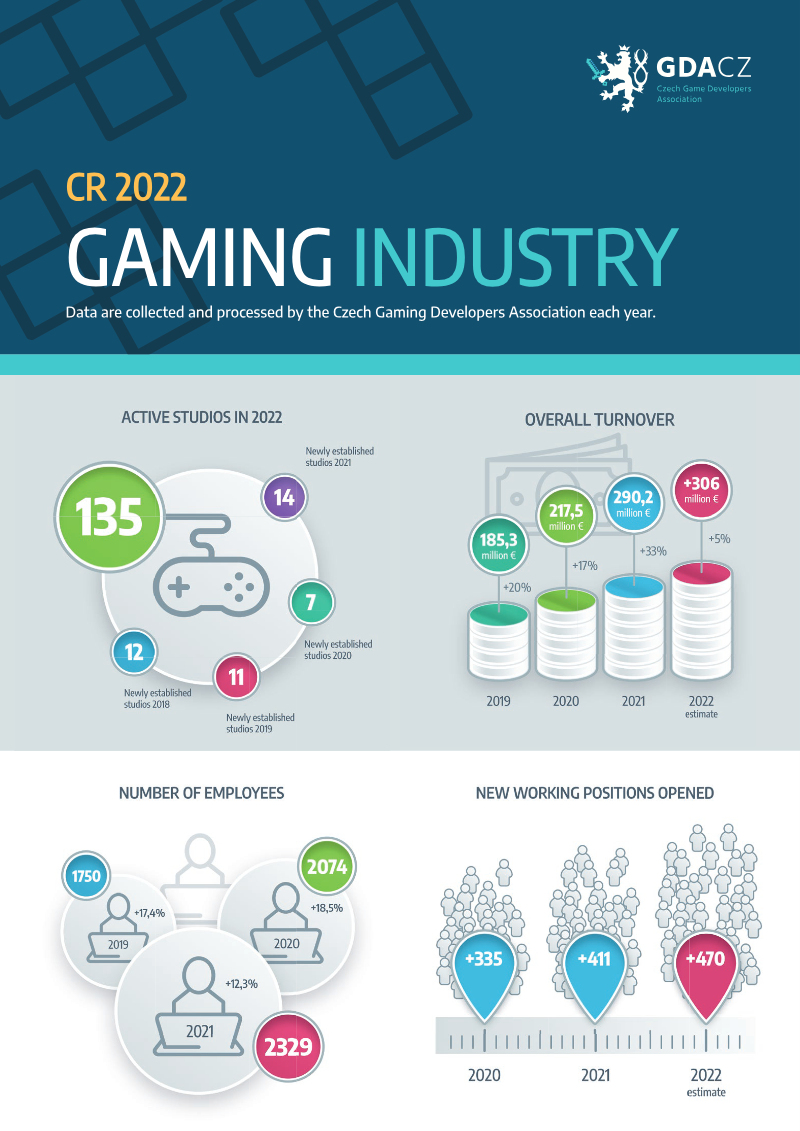
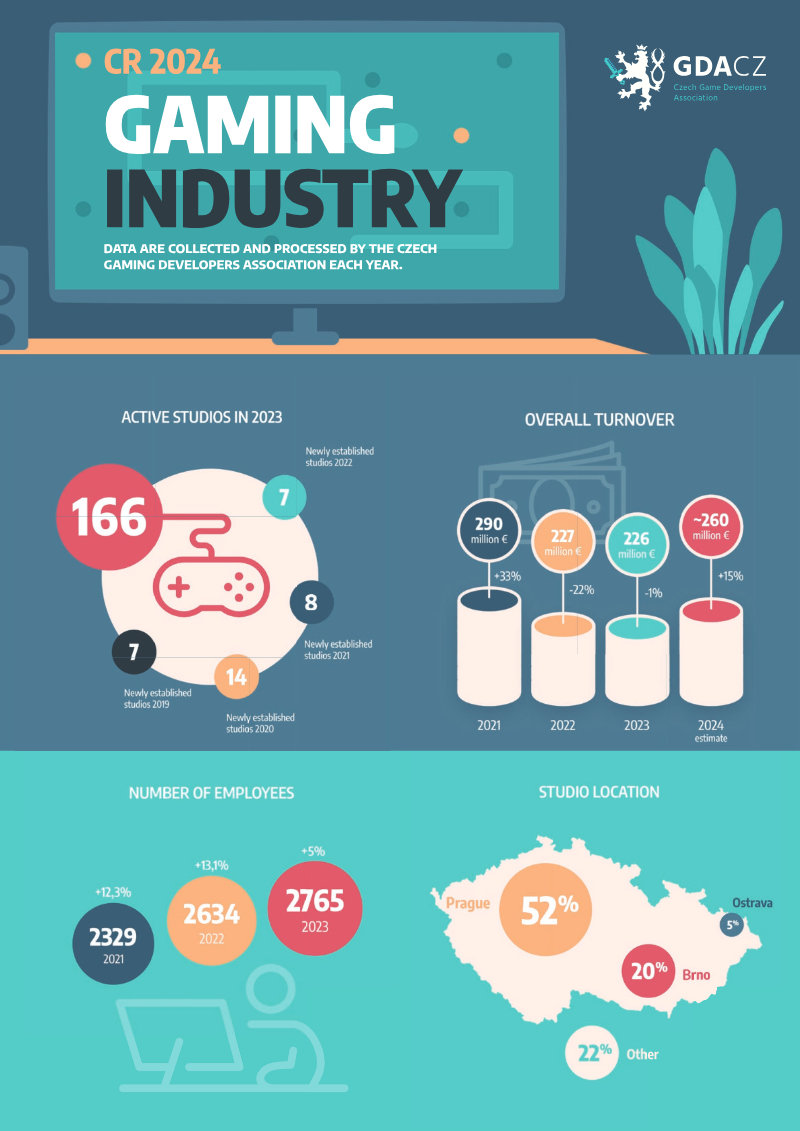
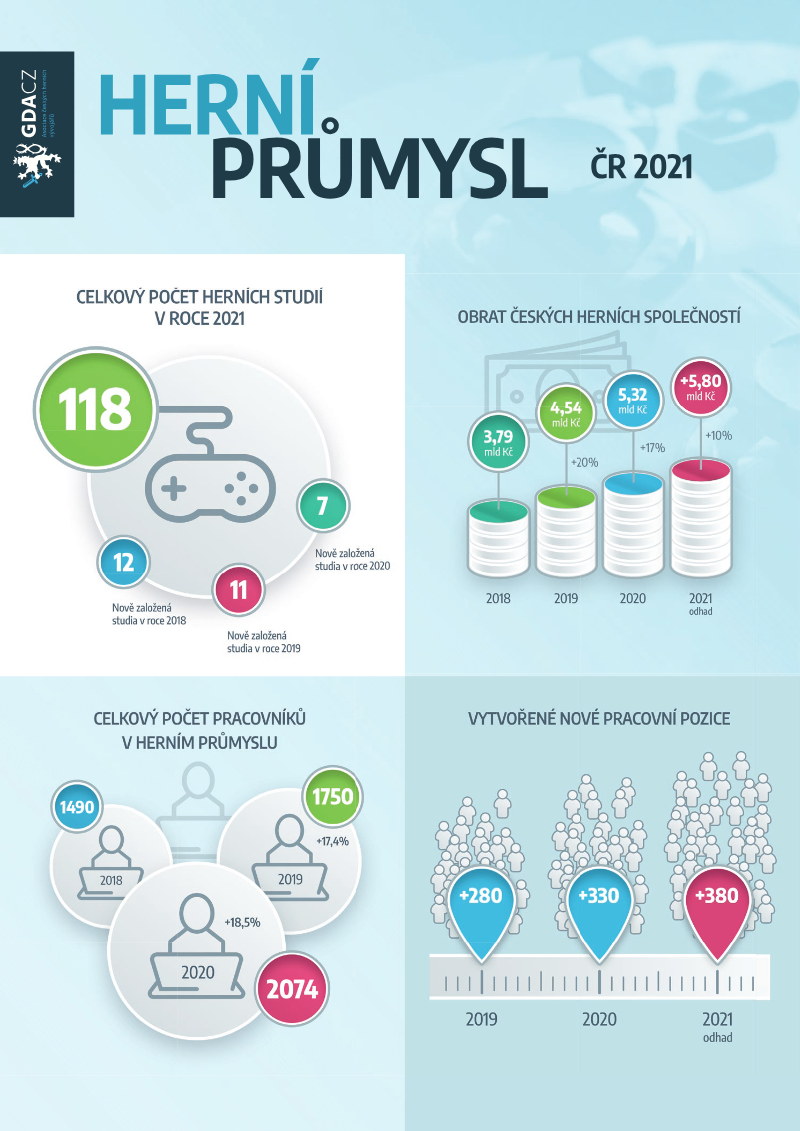
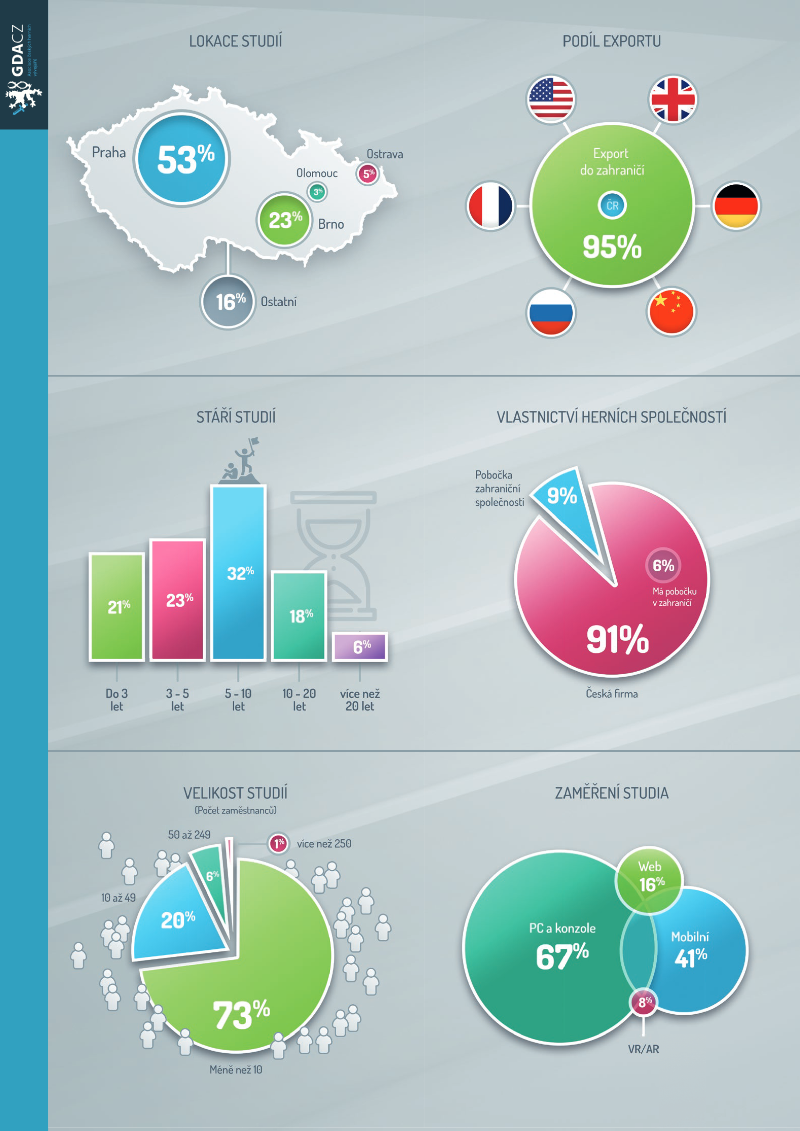
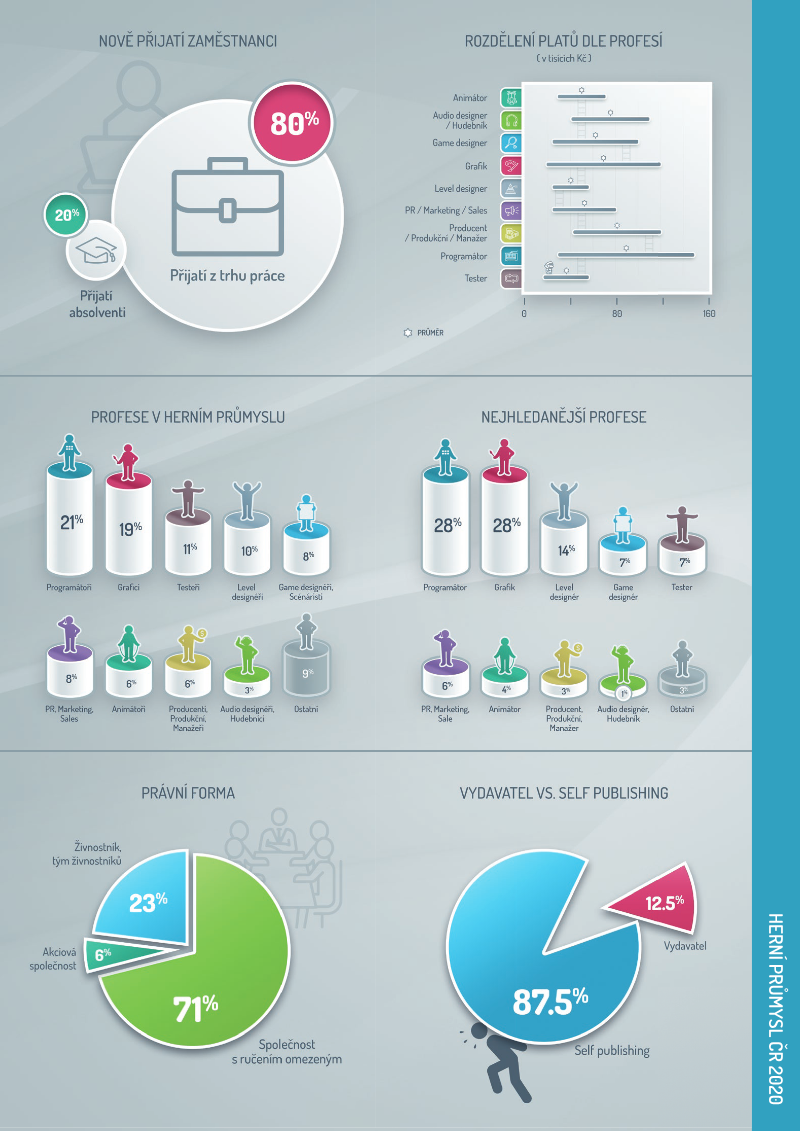
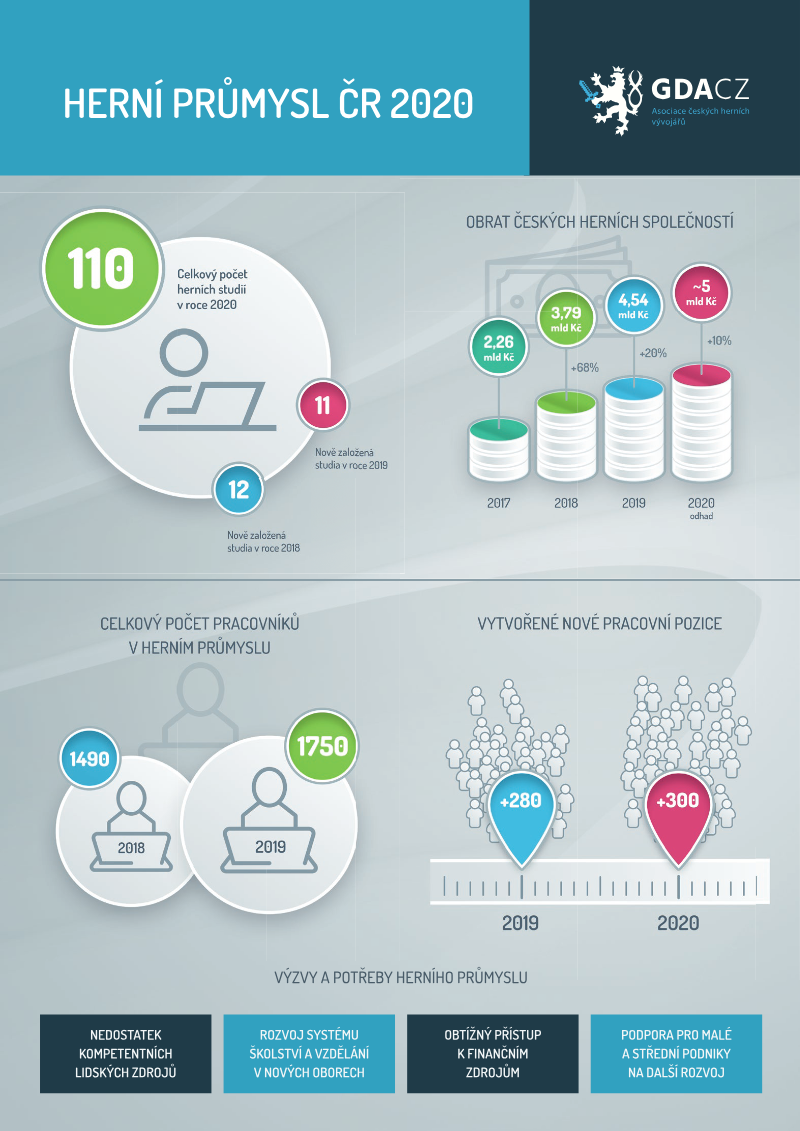
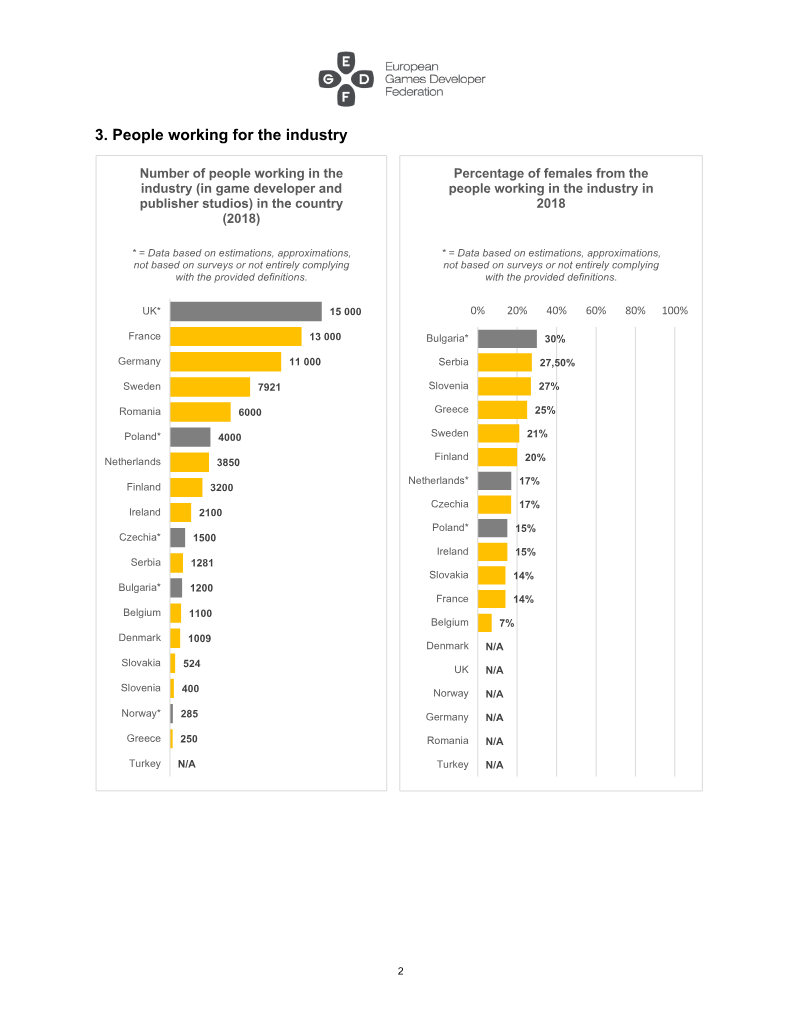
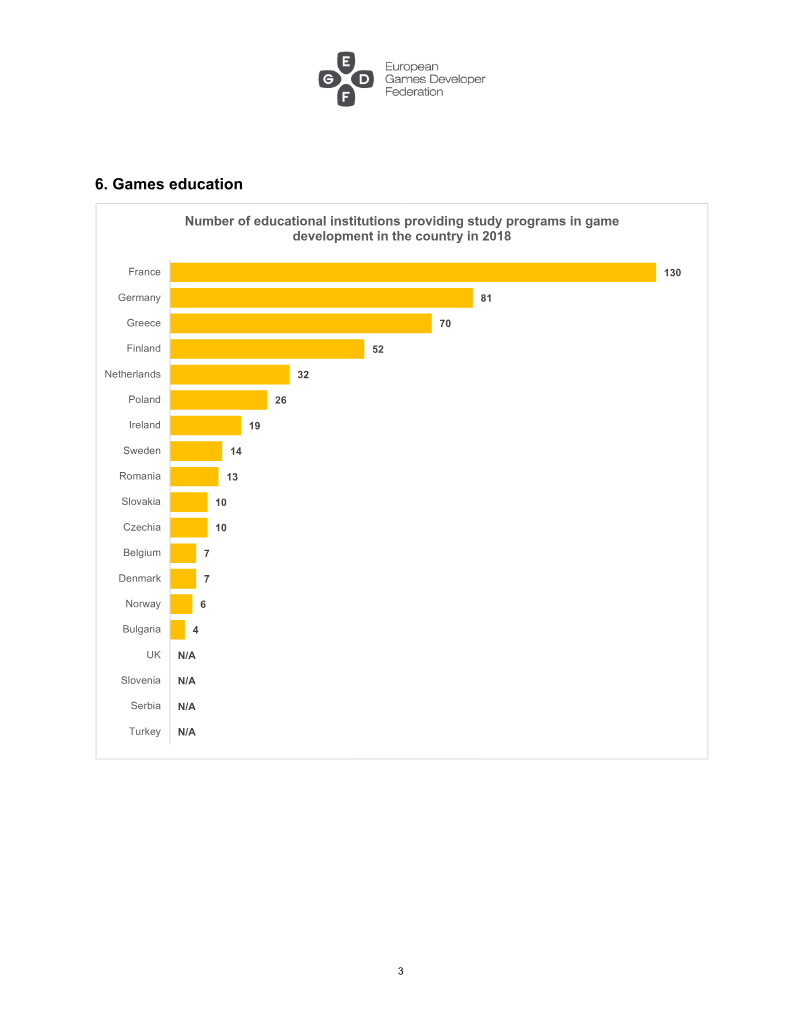
The scope of this analysis encompasses the diverse game ecosystems of Central and Eastern Europe, reflecting on a period of rapid industry maturation. While countries like Poland and the Czech Republic boast globally recognized development sectors, they face a significant talent gap, with current educational output failing to meet the hundreds of open positions available annually. The findings conclude that formalizing industry-academic partnerships, securing sustainable funding, and fostering international knowledge sharing are vital strategies. Ultimately, the integration of professional-grade project management and technical skill sets into academic curricula is necessary to transform higher education into a reliable pipeline for the global game development industry.