1 free read left. Create a free account for unlimited reading + AI research.
Create free accountWhitepaper European Conference on Games Based Learning (ECGBL)
1 free read left. Create a free account for unlimited reading + AI research.
Create free accountWhitepaperEuropean Conference on Games Based Learning (ECGBL)
Pre-service mathematics teachers at Comenius University Bratislava took part in a Game-Based Mathematics Teaching course and created games.
A study of 13 pre-service mathematics teachers at Comenius University Bratislava examines whether designing educational games can serve as a meaningful learning experience for future teachers. Participants took part in a "Game-Based Mathematics Teaching" course, creating games and reflecting on the process through an open-ended questionnaire analyzed thematically. The research focuses on a single institution and a small cohort, and its evidence rests on self-reported perceptions rather than observed classroom outcomes.
Participants described the design process as positive, enjoyable, and multi-stage, involving creativity, collaboration, and planning. Enjoyment was closely tied to creative freedom and peer cooperation, and several participants reported that designing games prompted them to consider learning from pupils' perspectives. Creating mathematical questions and tasks emerged as the most demanding component, yet it was also the area where participants most often reported learning, particularly in formulating questions more clearly and working effectively in teams.
Findings on content and format indicate that game design primarily reshapes how mathematics is presented rather than what is taught. Most participants, 67 percent, kept their original mathematical topic unchanged, with the game format mainly influencing presentation. On this basis the authors conclude that educational game design can contribute to developing pedagogical content knowledge among pre-service mathematics teachers. They also acknowledge that the small sample, self-reported data, and open-ended format limit how far these conclusions can be generalized. The study's supporting framework draws on prior work concerning game-based learning in teacher education, the teacher's role in such settings, and recent efforts to use gamification in preparing future mathematics teachers.



European Conference on Games Based Learning (ECGBL) · 2026



European Conference on Games Based Learning (ECGBL) · 2026



European Conference on Games Based Learning (ECGBL) · 2026



European Conference on Games Based Learning (ECGBL) · 2026



European Conference on Games Based Learning (ECGBL) · 2026



European Conference on Games Based Learning (ECGBL) · 2026



European Conference on Games Based Learning (ECGBL) · 2026
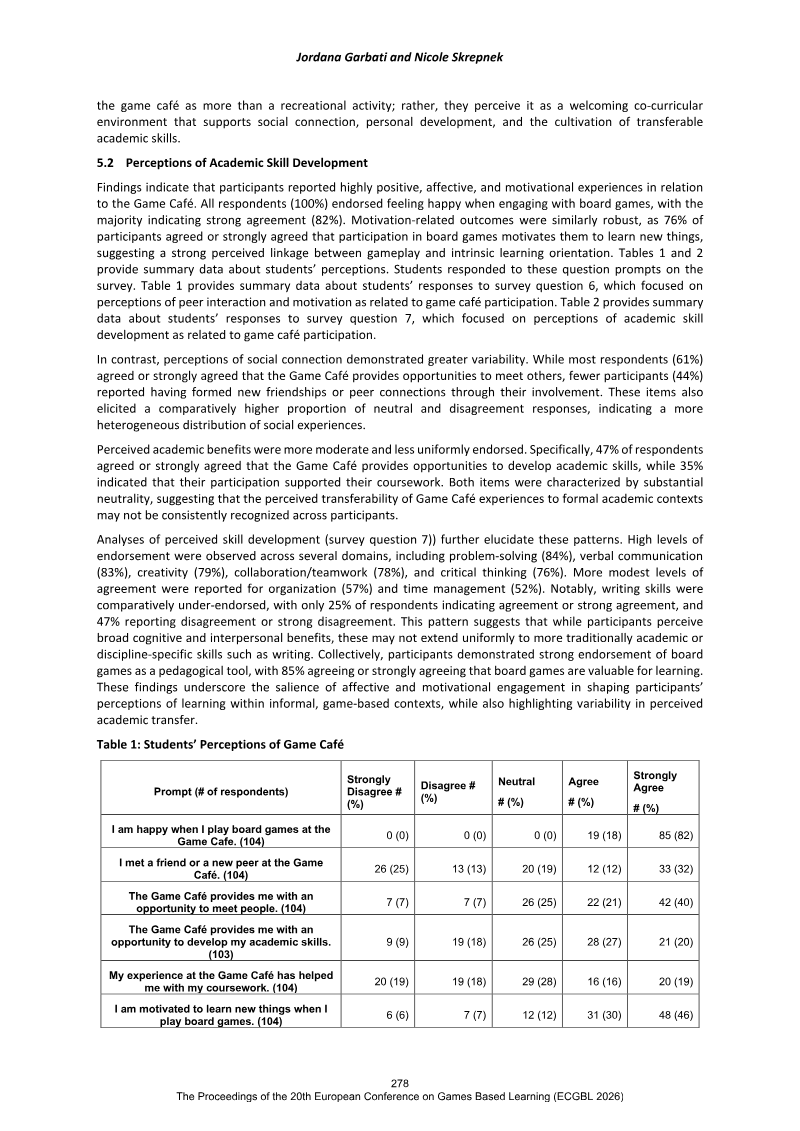
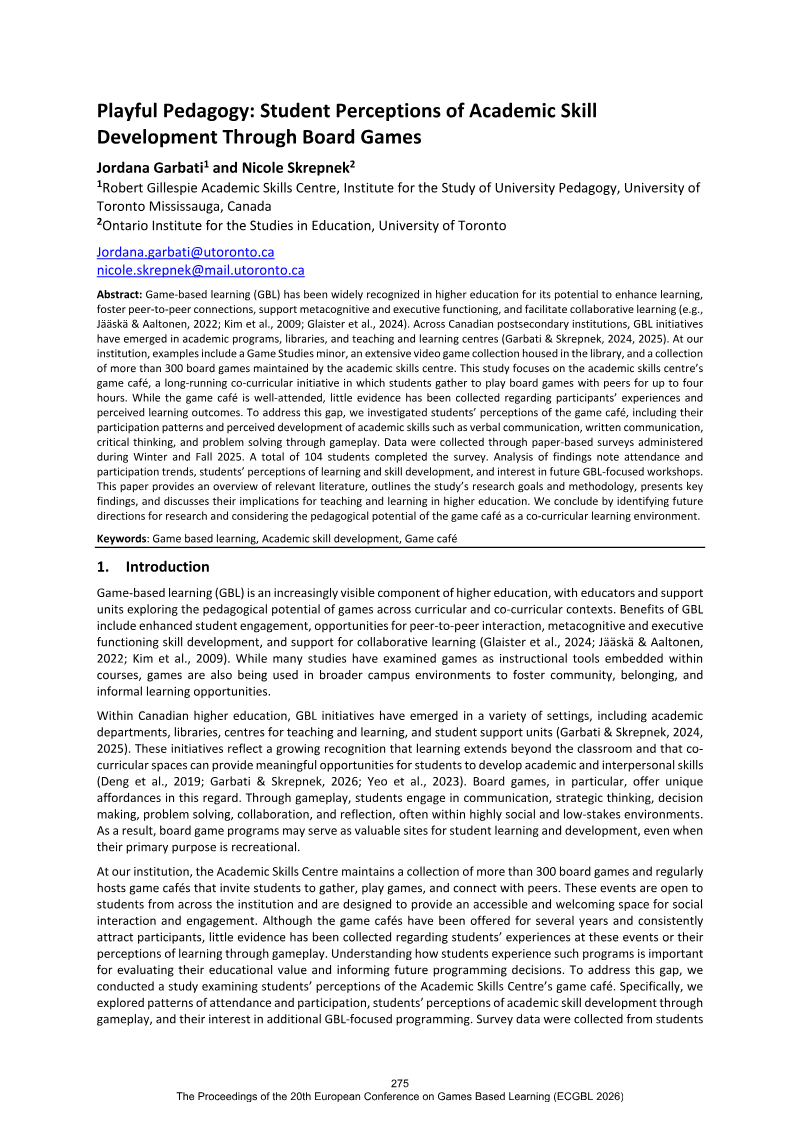
University of Toronto · 2026



European Conference on Games Based Learning (ECGBL) · 2026



European Conference on Games Based Learning (ECGBL) · 2026



European Conference on Games Based Learning (ECGBL) · 2026



European Conference on Games Based Learning (ECGBL) · 2026



European Conference on Games Based Learning (ECGBL) · 2026
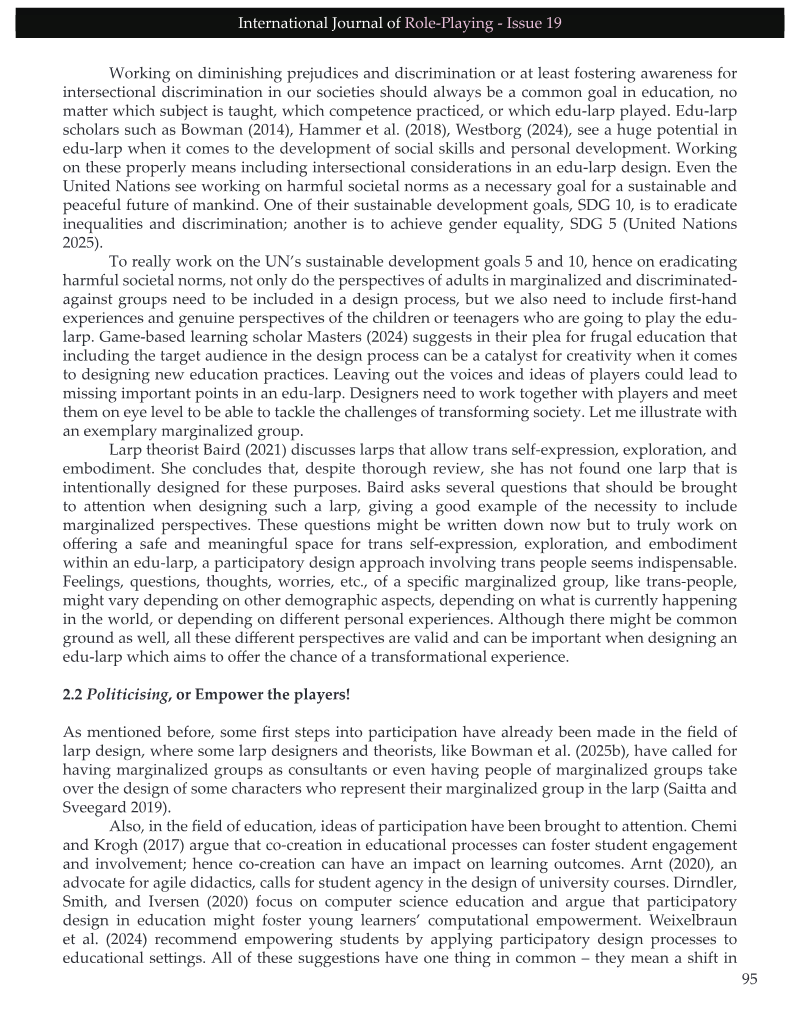
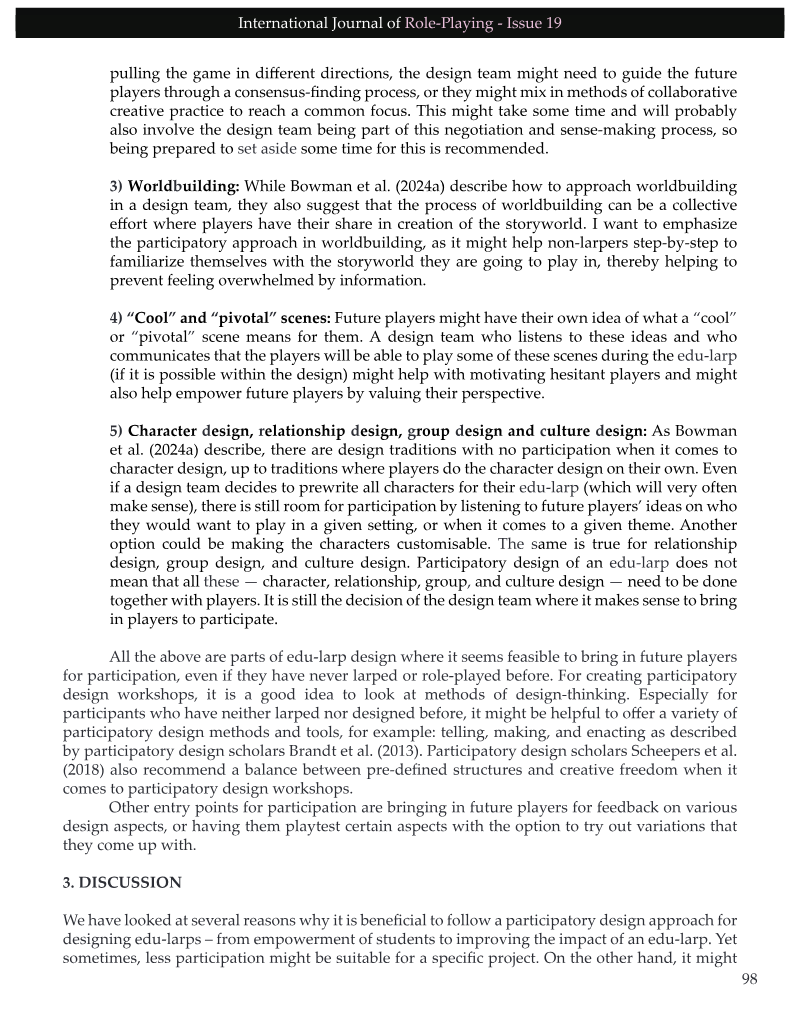
International Journal of Role-Playing · 2026
Jagiellonian University · 2026