VideoBITKRAFT Ventures
Games in India and China -Two Elephants in Two Rooms | BITKRAFT Summit 2024
4 Dec 202451 min video
Transcript
hi everyone um we're about to kickart the next panel discussion which is um two elephants in two rooms uh where we will talk about the uh China and India market so if you are interested in listening to this panel and we have quite the star studded panelist uh crew here today uh can I invite people to move to the front um take your seats um and then we can get this started uh in terms of the logistics uh let me just walk people through what's going to happen today so first we will have Lisa Hansen who's the CEO of Nico Partners she will do a very brief uh 10-minute presentation on China followed by anou uh who is the CEO uh of jet synth jet synthesis gaming um before we will wrap up with like a 40-minute panel discussion uh between the the six of us
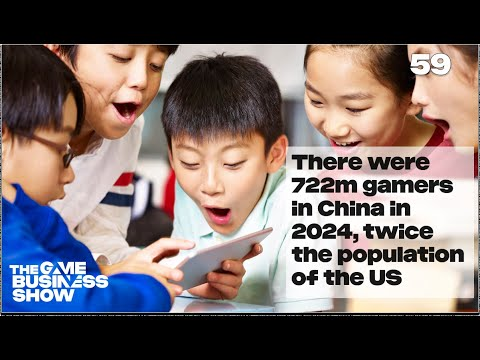
um so without further Ado may I invite Lisa Hansen to give us a presentation on China Lisa please full m got what you need you need the I'm in SE Mak so come me hello hello I think more people should come on down and sit in the seats so I can talk to people directly everyone come I'm told that bit craft is going to give free games to every everyone who's sitting down in a chair in the next five 4 3 two no all right well the people up here they're the lucky ones okay so my presentation is about China and I only have like 10 minutes so I'm going to get going on it 750 million reasons to understand China's games market and that I hope you know is about the number of Gamers that we think will be in China in the next few years
you might have heard of a little game called black myth Wukong it's kind of taking the World by storm but it is not the only exciting part of China's games Market these days black myth Wukong is really important for a lot of reasons but I'm not going to spoil some of Jonathan's panel questions by talking about it too much here this is just me saying I ackowledge that black myth Wukong is on everybody's mind who's looking at China but that's not really what I'm talking about right these in these slides ni Partners is a market research firm that's covered the video game industry in Asia for 20 plus years I founded it and all of those years we've been looking at China then gradually adding more and more countries across Asia and Middle East and now with all that history of Chinese knowledge we H uhoh I went behind I want I went ahead of myself unfortunately Ely so uh I
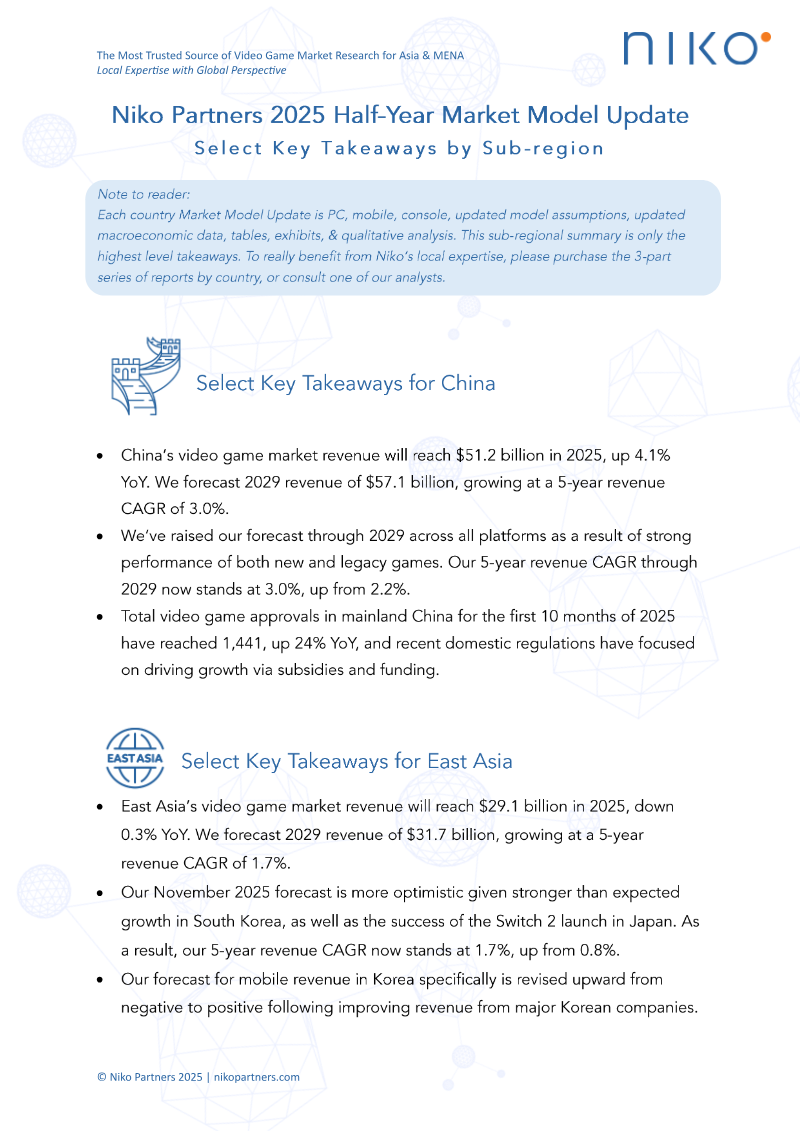
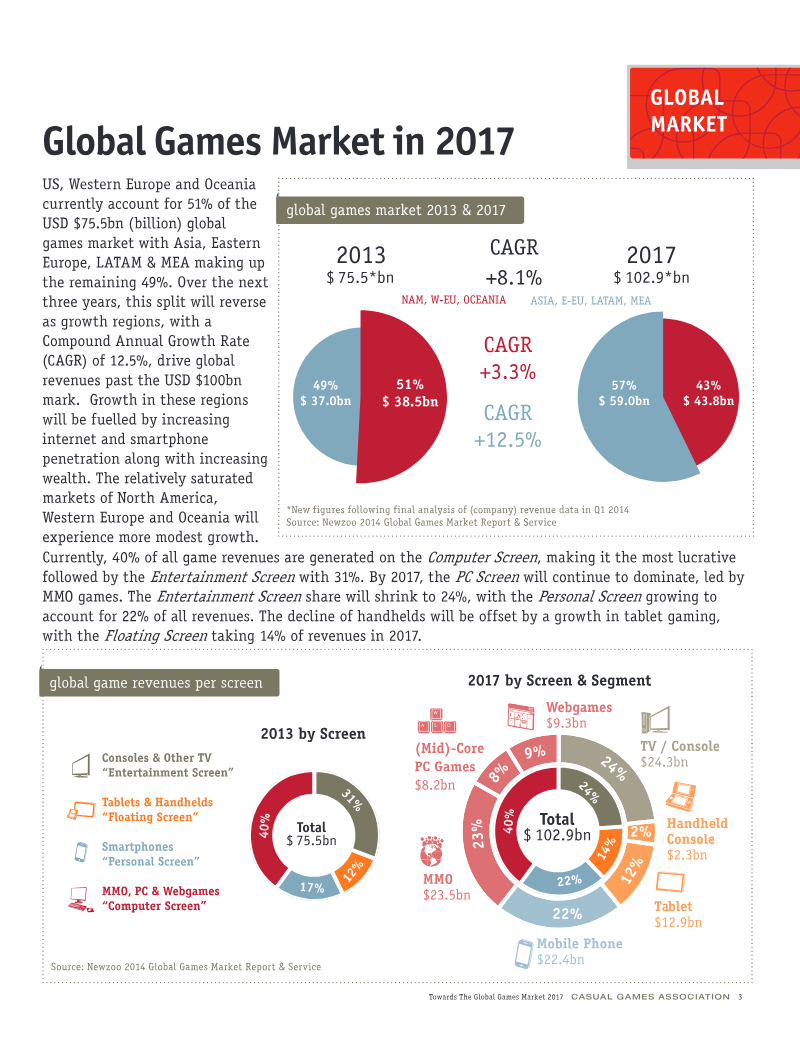
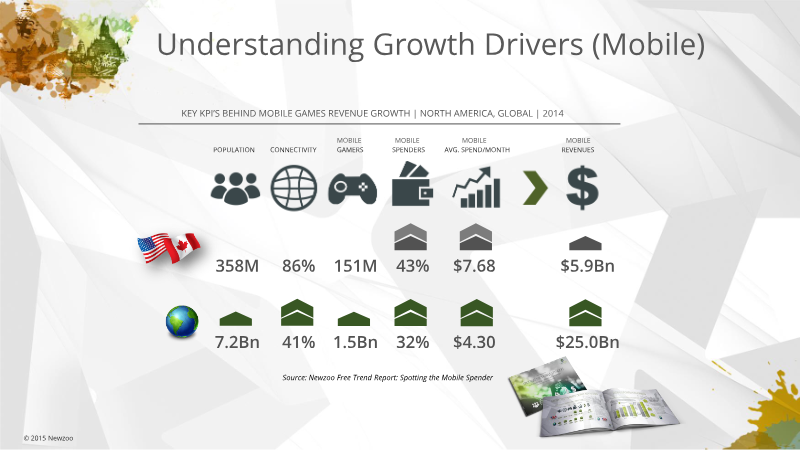
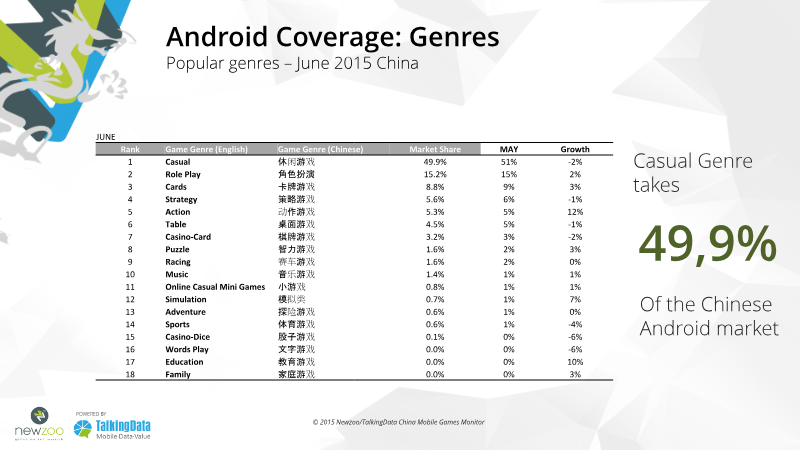
wanted to go back to that previous slide but I don't know how to do it there we go okay um so anyway we we have uh established quite a database of information on and data and insights on China and what we're talking about here is a gigantic market so we're looking at about $50 billion in Revenue only about 2% of that per year is is from console gaming most of it is mobile like you guys could think about it as maybe 68% 30 something per and like 2 to 3% mobile PC and console and about we're approaching like 720 million Gamers this year rising up in the future years so this is a lot of people spending a lot of money each year on games in fact it probably if we exclude console it's
about 60% of the uh well our our markets in total including China make up about 60% of the revenue of the world and China is a big chunk of that Chinese gamers are very Discerning they have a long history of playing games a lot of them on PC Mobile is the biggest segment but these Discerning Gamers have specific gaming behaviors there still are um like 120,000 internet cafes in China we have about 20,000 this thing has a mind of its own 20,000 uh Esports hotels which are basically like internet cafes without many of the regulations so there are a lot of places people go to be social while they're gaming and it is the least expensive form of social entertainment in China and that is why one of the drivers for the success of the games industry PC gamers are spending more and
more money on gaming and mobile Gamers like I said make up about the revenue for mobile games makes up about 68 to 70% of the revenue in China but more and more money each year is being spent by PC Gamers and as we start looking at Blackmouth Wukong and some other premium titles I think that might even rise uh mini games are something that's unique well not probably exclusively to China but 10 Cent's making a lot of money off a mini game and mini games is something that perhaps might be an easier path to entry and in many cases aren't subject to a lot of the same ISBN rules as you might have been kind of scared off by hearing the big country I mean the big companies in China are of course tensent and netes but they are not the only important companies in China tensent and nety combined take about 60% of the market share in China for PC and mobile
games uh there are some other important ones though you can see on this list mihoyo 37 games Lilith Century games they're all very active and chasing at the share of 10cent and net EAS but they're also not only domestic p uh game developers and exporting to they are also exporting to other countries so when we look at 10 cents Revenue it's $18 billion in domestic game service revenue and already 3.7 billion in overseas Revenue netes has 9.2 billion domestically and 1.3 billion overseas and so forth and mihoyo is almost as much from overseas as it is from domestic so we're looking at a country and an industry that is really in Earnest pushing its way outside of China and into the rest of the world
domestically though this is a massive Market I mentioned 50 billion in Revenue so 50 billion in revenue is something that people should get a hold of 7 you know 20 million people now playing rising up to maybe 750 million in the coming years that's a lot of people and even those who spend just a little bit could add up to a lot of revenue for your company and you don't always have to get an ISBN which is the the name of of the publishing license that is uh given out once you apply and are accepted to have your game approved in the Chinese market there are ways so if your game has no kind of uh in-game economy you don't really need to have an ISBN if your game is distributed on Steam International that's a big risk because sometime they might choose to shut that down but they haven't yet and you don't need an ISBN many G games that are distributed on stream International
steam International do have ISBN but you don't necessarily have to so it's it's a growing Market even though the growth rate is small you know like single digit growth but it's still something that is growing and at those when we have the law of large numbers it can't possibly expect it to be growing at like double digits forever and ever so it's stands to reason uh there are AAA games being published or developed in China CH now and it's a very heavily engaged Esports Community Esports games and games that use Esports kind of philosophically are have much longer tals are highly engaged and generate a lot of Revenue so Esports is kind of a way of thinking we call um the behavioral patterns for playing Esports games align with the motivations for gamers to play games in China and throughout Asia we call this the four seed
competition completion community and challenge you can find those as like motivations of Gamers as well as uh more um as well as the motiv the behavioral patterns of Esports overall and isbns are like I mentioned they are the license required to publish games in China domestic games or foreign but there are ways around it there are loopholes and they and the government knows about these leop loopholes but there are loopholes and now we're watching as uh this chart goes through the first half of 2024 but it even more like 109 games were announced on September 27th and there were another batch of games announced in August and we expect there'll probably be more than 1,300 games approved in China this year plus the games that are available on Steam that don't have IBN but are wildly popular Blackmouth Wukong by the way does have an
ISBN this is too small a font for you to read so I'm just going to tell you that there's been like this steady calendar of regulations and policies that have been important to many people such as when they introduced the policy to limit the number of hours per week that Gamers under the age of 18 are allowed to play games even that has a loophole though so it is three hours per week specific specific hours 8:00 to 9:00 p.m. Friday Saturday Sunday but and sometimes extra hours on school holidays but those are only for online games so offline games console games they can be played as much as the kids want and there are lots of people that kind of Skirt the Rules even if the rules exist so now though the government is really in favor of gaming they see games like genin impact and Blackmouth Wukong as great ambassadors for Chinese
culture around the world and they're they're very supportive of Esports and and and more even Blackmouth Wukong the government of shanii province is really into this game because I think it's something like 29 of the sites that are highlighted in the game are in shanii Province and the the tourism rate is off the charts people are going to see all these places that they're playing in the game that's the end of my short but sweet slides and I would love to talk to you more about China and the rest of Asia after this panel discussion thank you very [Music] much good afternoon everyone my name is an Tandon I've been in the gaming industry for the last 14 years as a Founder um operator and uh my
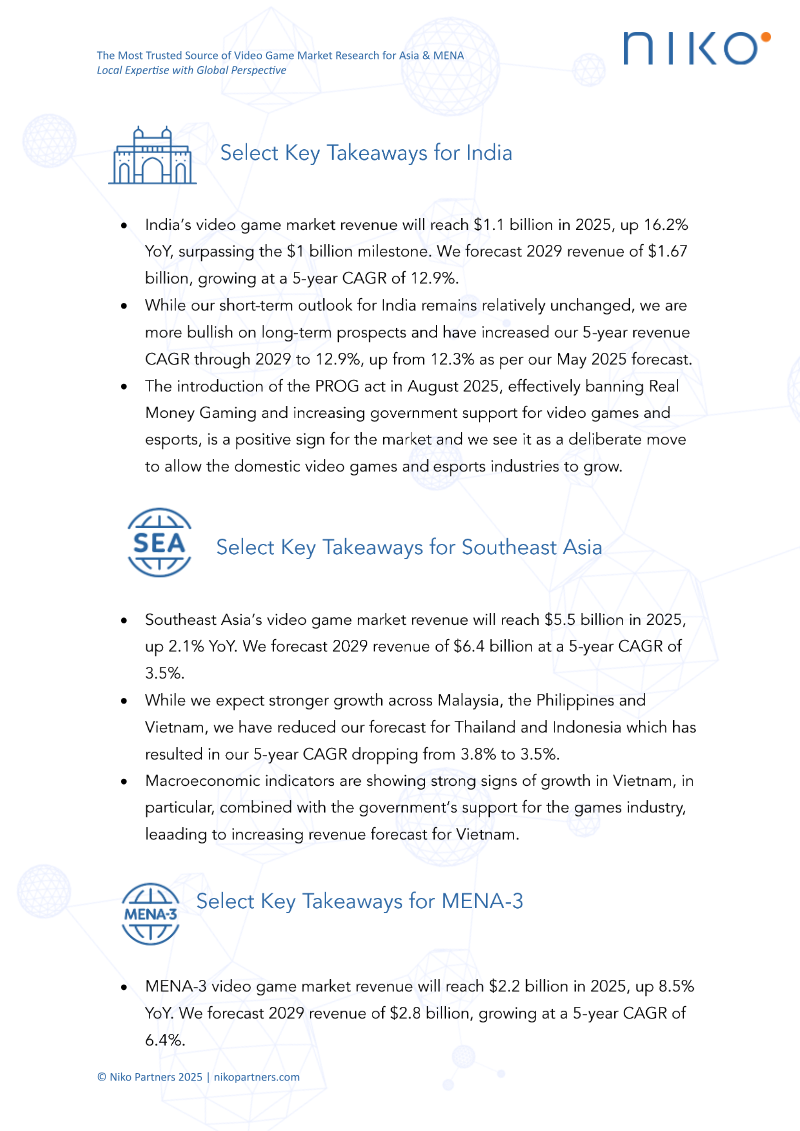
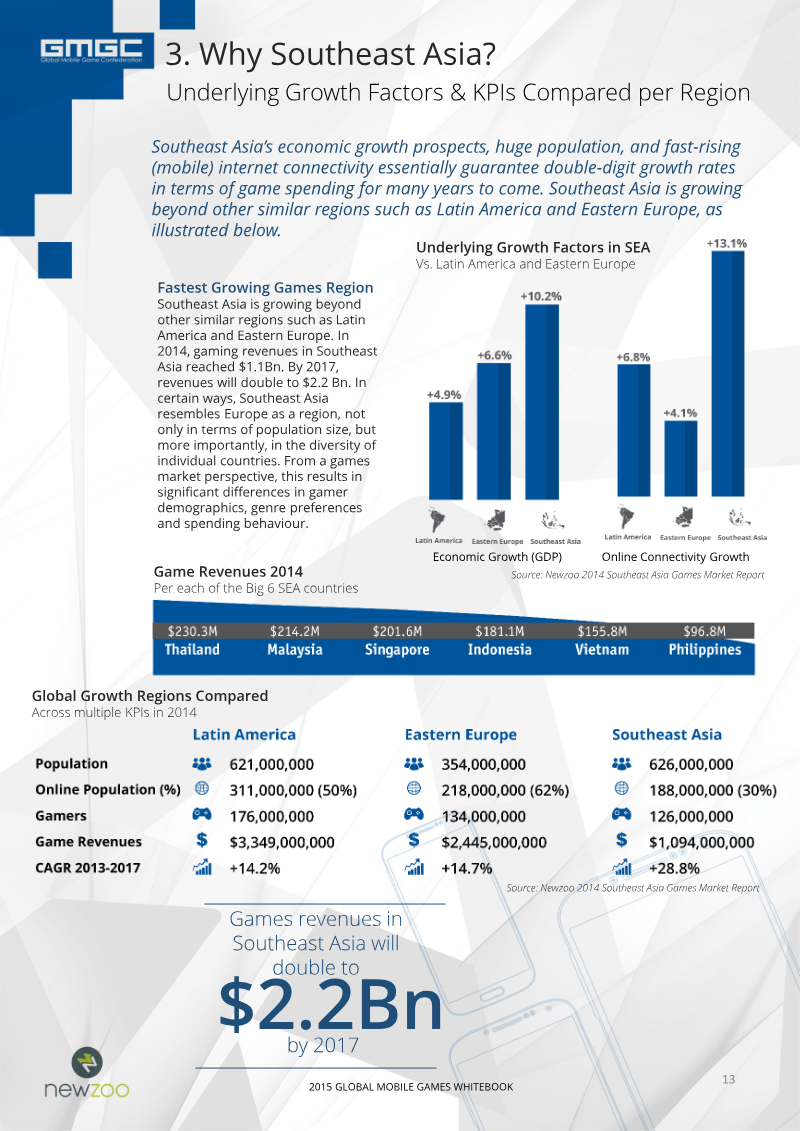
last role was an investor for crafting for Indian Middle East I deployed over $135 million for them in the region and I'm going to give give you a quick um outlook on India I think uh coming to the summit I was a very optimistic guy overall in life just coming to uh SFO with GDC and the summit I felt a little depressed and i' I've been wondering what is what is happening maybe I'm living in a bubble that everything is going great for the country at the moment that I felt a little uneasy like why is everyone talking about layoffs when Indian companies are hiring the highest rates why are why are people talking about less IPOs when all the IPO records are being broken in India so I'm going to give you maybe one of the few markets that is now doing pretty well and it's sort of emerging and it's poetic justice
for this panel that India is following up China so in a way it's it's poetic justice so I'll just give you a quick background about the country I think let's start with the basic macros uh the GDP right and it's one of the highest growing gdps it matters in the context because it's a young gaming Market it's only been 10 years then people have really started playing games right and uh it's it's uh overall 1.42 billion people so growing at the rate of 7.8% and beating all uh other economies so the fastest growing economy what is driving a lot of this excitement around VC Investments overall in the India market is the number of IPOs that have happened in the last uh 3 years India was always considered as a market that never showed outcome to VCS for liquidity I think that has changed in the last 3 years uh it's it's got the
most number of IPOs as a vcp backed companies in Tech and some of the first wave of internet companies have started going public which is you know food delivery fintex e-commerce and now we also have a gaming company that went IPO what is two things that is driving this the FDI inflows the foreign direct Investments are increasing in India as it's a growing economy the second thing is which is the most exciting part if you ask me is the local investors are now investing more in public markets and equities markets as well as aifs and and VC backed uh companies than ever so the economy is changing from a conservative debt based Investments to more risk-taking U as a local uh incentives drive that now this is an important slide as a in the media and entertainment game uh very important to understand where
does the spending power like India is a massive country right 1.42 billion people who are the real paying users and where are they spread across uh just to give in context it's around the if you're targeting as a global uh strategic you want to Target the Indian Gamers uh it will be the top 10% who speak English top 20% people who speak English that's easy for you to Target but if you really want to scale your game like some of the games have then you have to really go deep in the market what what I want to present by this slide is just to give you an idea quickly that the affl and the elite class in India is actually growing and this is 40% so that's 40% of 1.4 billion is yeah it's like a massive 500 million people that will be earning more than 15K which is in dollar terms might be less but a dollar is like 84 rupees so pretty decent in terms of rupees what they have spending power what is the other fundamental it is the
one of the fastest growing 5G networks after China of course is in India that means uh cheapest data rates in the world uh which is also growing in in speed that means you have a lot of content consumption by by a lot of people so that is one of the other pillars that is driving this Mass consumption of uh you know apps and games and content over overall the third is how how are people paying right so people the digital infrastructure of payments in India is completely transformed the way people uh sort of have relationship with money right the the spending power through uh the UPI the United payment interface has given a mass adoption to digital payments so that has changed the relationship people had with money uh to a large extent we used to hold a lot of
cash uh and uh that that is transforming into a digital uh transactions a lot it's one of the highest digital transactions in the in the world and which is all leading to a lot of deal activity in the media entertainment and gaming sector so these are the four basic sort of fundamentals I just wanted to set the context on why this Market is exciting and of course I've given the 2020 numbers here to give that we have still only captured say 40 to 50% of the population right and it's this decade when we're transforming from a 3 million 3 trillion economy to a 5 trillion economy that's these there's huge potential left for growth and that means coming to the main topic of this is are Gamers going to grow it is one of the fastest growing market in terms of Gamers yes I know there's a lot of question the low arpu users yes but I'm going to address that in the next slide but it's the highest number of game downloads two important things to note
here number one it's the only Market in the world where you still get organic users everywhere else the organic growth for your mobile games have died India and Middle East are the two markets where organic growth is still happening so if you're thinking of launching any new game these two markets you should be thinking about and number two uh most importantly is to understand that this having a long-term view on India for gaming is is is a no-brainer these are some of the gaming Trends and I can give you some operational knowledge since I've been an operator myself and worked in a a few of these top companies is a lot of 80% of the content consumed in India still for gaming is more Global content rather than local content that means you know games like pubg and and you know Subway Surfers are all these games are still very very popular in terms of um monthly active users right so it's and 20% of that which is the green shoots and the larger opportunity is actually local
content which is developed by local developers two takeaways again the first there's a lot of scope for local entrepreneurs to make games for Indian audience and number two is that Global developers if they play their cards rights there's a opportunity to uh build your user growth story so yeah so that's that's this and revenue wise I think this is uh very interesting to understand here till about 4 4 years back 5 years back the Indian users uh the the payment habits for inapp purchase was very very low I think now there are at least five games where the IAP spend for mobile Gamers uh is more closer to 100 million a month a year so that's that's a transformative number because you have $100 million being spent by consumers and for all the Battle Royal games which is the most popular games that are monetized like bgmi and freefire that number is close
to $250 million which is trending towards that so that's the amount of uh inapp purchase spends that are happening now uh as more and more population is getting used to paying for Content again I'll give you some context the gaming industry in India was never like all the other markets like even in China in back in '95 you had the you know the PC gaming setup you played RPG uh there was a culture of gaming India missed the entire console cycle India missed the entire PC gaming cycle we directly jumped on mobile and that's it's just a 10year old industry so 10y old the gaming habits are still being formed people try different games people switch from one game to the other so there's a lot of opportunity for sort of U you know new developers to build an audience over there uh this is something to give uh
you guys an insight about uh what is unique about the market of course there is it's still a largely a casual gaming audience midcore is growing Battle Royal is growing but there's a third element in India which was again similar to China is real money gaming real money gaming is basically you can cash in and cash out you can put money and you can make money out something like Draft Kings in in in the US right it is one of the largest sectors and and you can actually do uh games like even poker and uh are allowed for real money gaming in in India not allowed as an there's no regulatory Authority so it's a game of skill so it passes off as a game of skill you can do real money gaming and it's one of the largest sectors also shows how this Market is sort of transforming you know first you introduce gaming to anyone in a new market we've seen historically is the social casino gambling apps that first
come in and capture the market and then the audience builds up audience builds up for the other games it's following a similar pattern seen in the other markets as well these are the first wave of you know winners so to say in the gaming space in the last 10 years 12 years these are the winners like dream 11 out of which most of them if you see are categorized as real money gaming companies um which are are doing more than say $200 million to uh even $800 million in revenue and their valuations and people who have invested in these companies have been able to create multiple returns one of the examples is play Simple which is now part of the MTG was acquired by for 500 million and you know the seeds investors invested at a 20 million pre money around so huge opportunities like these to invest uh uh in terms of spotting these early Trends
and picking these entrepreneurs at at an early stage so these are the winners and uh lot of these companies are going public uh fun fact uh nazara which raised $100 million from public markets in India raised at a 69x iita multiple last week so the kind of multiples you're getting in gaming for India market are nowhere to be seen in the world right now and to talk about regulations I think uh this is important uh there are two regulations one is the real money gaming regulations and one is the video gaming regulations the video gaming regulations are very simple uh nothing related to China should be launched in India uh there's GE geopolitical stuff Tik talk is banned uh pubg mobile is banned uh so anything to do uh with the and that that creates in a way uh vacuum right one of the largest producer of games games in the world and one of the largest consumer of games in the world
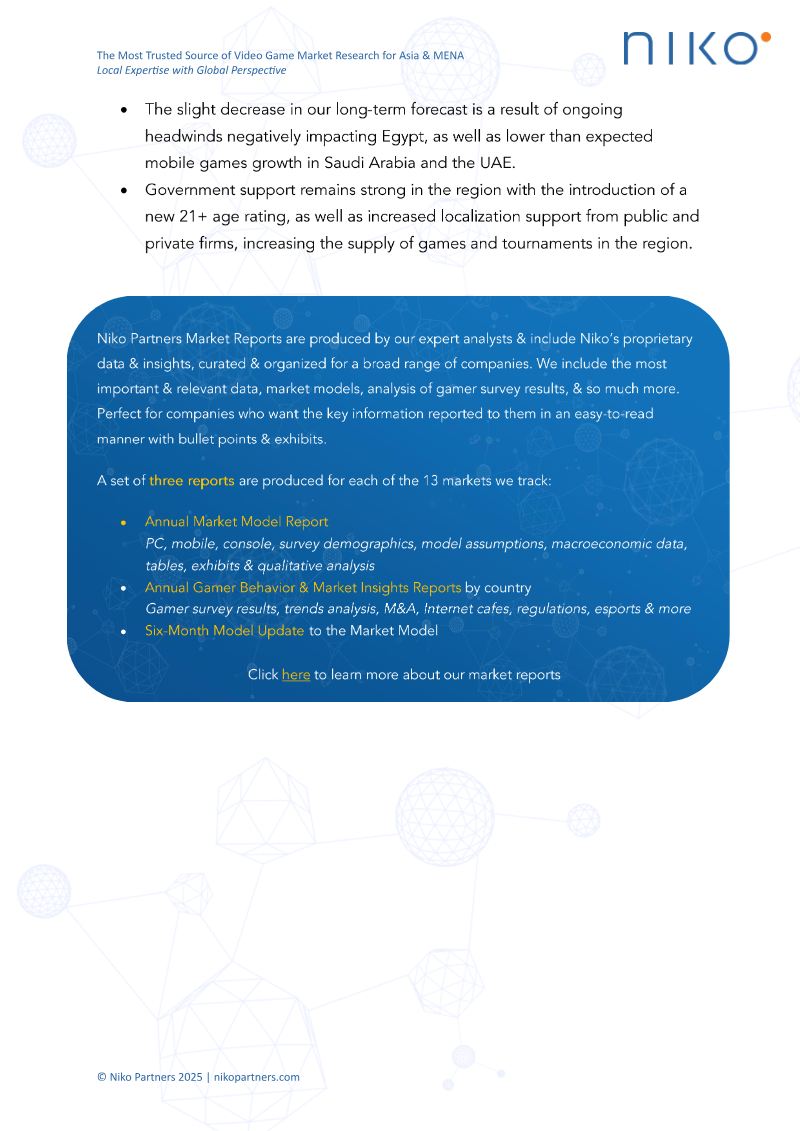
two two big uh things and they cannot interact so there is a lot of opportunities for entrepreneurs uh to create uh sort of that bridging opportunity so there's very interesting Dynamics in play and trust me I know I worked for a Chinese company when the banss happened it's not funny at all so uh so that that is one of the regulations but that affects the video gaming sector in the real money gaming there are taxation issues there's no bans as such but there are a lot of Taxation issues one one one has to navigate but I think overall if you look at from a standpoint of regulations India is more uh easier to get in and get out uh than compared to other jurisdictions um it's not a big uh black box it's slightly gray uh so I think uh and it's government's intent is to make it simpler so they are going to launch a self-regulating Authority for gaming and gaming regulations it's it's not going to be as comprehensive as China but yeah
I mean on the lines of how they are thinking but it's not going to be a blocked Internet it's still going to be an open internet for global companies to come in except China so so that's that's on the regulations again I had 10 minutes so I'm just rushing this I think there's a lot of cultural export that can be done uh I'm happy to talk with you guys after the panel on on the India market thank you [Applause] [Music] too hello all right uh thanks for those two very insightful presentations Lisa anush U before we begin uh I would like
to take the chance to introduce uh two other panelists that will be joining us today um Joe uh who's CEO of lla games as well as Magnus CEO um of lightup maybe Joe and Magnus you guys want to take a minute to introduce yourselves uh hi I'm Joe Kim I um I'm with a game studio called Leela games we're working on a mobile extraction shooter largely based in India and uh with a few Global folks but previous to Leela games I also previously worked at a company called Thum plus around I don't know 2015 is or so and so also have experience uh leading game development um in Beijing as well so I do believe I can bring a little bit of context in terms of developing in China and India hi uh I'm Magnus um I'm the CEO at light up games um we're Global games publisher based in Shanghai um so essentially we Tred to find these hidden gems in China and bring them to the rest of the the world uh we try to focus on
IND the games within specific product categories pretty much yeah thank you Jo and Magnus um quick introduction about myself my name is Jonathan I'm a principal on the bigcraft team and I uh Drive the Asia Pacific Investments for for the film um so we've had like a very insightful insight and overview of China and India's Market um so maybe let's dive straight into the the topics that we wanted to discuss uh there's a lot that we want to discuss like I don't think we have enough time to talk about everything um just India or China by itself probably takes an hour or more um just to scratch the tip of the iceberg uh but maybe let's start with like a a topic to ease Us in right um Lisa maybe you could opine on this right I was very curious about your history of 20 years and Nico studying China um china Rose uh over the last I would call it 15 to 20 years um but it was came from like very highly leg highly regulated market a lot of bands P console was banned and then today it's one of like the largest mobile developers in the world so what
gifts what happened in this market why has it been able to do so well not just on the domestic stage but also on the international stage well the 20 year growth path that you're talking about I think if we look back in time the way China got started with games is as a the host of insourcing Studios so companies like Ubisoft or Bondi and at that point it was Bondi and Namco separately and other companies had hired staff in Shanghai predominantly to help develop their games and then those people got a little bit tired of working for those foreign companies without much credit in the game went off and started doing Outsourcing Studios those people grew up a little more started forming their own developers starting form their own Publishers uh and so forth and so there was a lot of evolution along that path based on very heavy concentration of
math and science in school so there is a a lot of readymade kind of development Talent sitting there Shanghai uh is also kind of the the Nexus for China Telecom China Unicom China mobile now and back then not China mobile but China Telecom China Unicom would that where they would go one would go north and one would go south so that was sort of like if you looked at some of the Harvard Business School kind of ways of uh looking at competitiveness among cities this is why Shanghai kind of emerged but now over time consoles were banned uh in back in 2001 and that was so you know to protect Chinese youth from The Perils of foreign content but then you know there were all kinds of other things that came up with PC gaming and eventually Mobile gaming and then eventually the 14-year band was lifted on consoles and I think that what's happened in the intervening time
as China has had a time has the opportunity to develop its own domestic industry and it's not just receiving kind of imports from abroad and so there's a lot more the whole game is controlling content so there's a lot more control over the content a lot more direction of like focusing on cultural mythical history or other kind of lore and The Gamers have gotten to be very Discerning and the talent of development has gotten to be very strong and I think that probably brings us up to modern day and Joe do you have any experiences to share uh when you were uh at fun plus actually uh back in the day yeah well I I think the the interesting thing about China is just the incentive structure right and so you can have number of employees that are heavily compensated on a bonus scheme and for key Talent there are cash-based incentives that can be given to to key talent because I do think that one of the things that's between China and India is that this
notion of of equity and ESOP is not as prevalent and so I think what China has done well is created um an incentive structure that highly motivates a lot of their employees to work more and to work harder and and you know maybe something I'll say that might be a little bit controversial here is that when it comes to new game development I think that is a critical ingredient in terms of um optimizing your chances of success is that kind of Hardcore work ethic and I think that's one thing that China has has gotten right yeah I I think For Better or Worse we've also heard some horror stories that's come out from China um I think some I think it was a financial times I covered it recently that said that there's this phenomenon where if you were to join a game Studio you would know that if you don't become like the number one guy in either segment within the studio say production or art or design they will fire you by the time you are 35 um and that sort of like forces people it's it's like a very up and out kind of culture that's made it like so brutal like the work culture and in in in in China I think Magnus you've heard this a lot from like Alibaba the JoJo little culture which
you work 9 days 9 hours no sorry from 9 to 9 for 6 days 6 days a week right uh and I think that's that's sort of like incentive structure and it's almost a reserve reverse incentive structure if you will uh if you don't like crunch enough uh and you're always at risk of being replaced yeah I I will say though that like I do think that people overestimate a little bit the the whole notion of 996 because it it or because it does exist but it doesn't exist as much as people believe right and so there are a number of Studios um that don't have that kind of Hardcore work culture so it's not as prevalent as people think but I would say and again maybe something controversial that I would say is that of the successful Studios I see that more often than not yeah and I can add to that um sometimes the biggest problem for us is that we have to tell them to work a bit less and that's that's a bit weird in my opinion but that's the fact um they work extremely hard all the time that's that's what I can see and maybe this a
good sideway for we ask because like Magnus you focus a lot on looking for developers in China that are producing on PC and maybe some on Console um specifically for steam right and before I go to you I'd first like to ask Lisa um we saw how China has predominantly been like a mobile developer uh Hub and then Wukong came out like almost out of nowhere and now everybody's like worried about oh is is China going to become like a PC console kind of Powerhouse right and Magnus himself is already looking for PC like developers uh in China so how did they make the transition from like building on mobile into going to PC and console well the studio game science that came out with black myth Wukong has been working on this game for quite a long time and I mean n Nico Partners we have been writing about it since their big trailer reveal in 2020 and but that studio had only come out with mobile games before and I think only maybe two not very many so there isn't like we can't draw from that a reason why a
studio might be able to to Pivot from Mobile to PC gaming other than like they had a great idea for a great game and they decided to invest a lot in it Blackmouth Wukong is very popular in China for a lot of reasons that it draws on this Legend Of The Monkey King it's a beautiful game and it's just a very high quality development so I think what the rest of of the world is you know just flabbergasted about is where did that high quality of development come from and I think that you know if you look at genin impact and some other games that they they already have some high quality development going on it just so happens that this game is now a premium PC game you know being categorized by The Gamers as AAA so I think that is like the unique place in it but I don't think there's any kind of point in the trajectory where there was this natural pivot from from mobile they just go
where the money's going to be so the gamers want to play mobile games you're going to develop mobile games if the gamers are if there's an increase in PC games gaming and steam's not going away well why not do the PC game thing but this isn't something that you bat your eyes and it goes overnight I mean it's been a very long time in development so I think that it's again about Recruitment and putting whatever your best prct practices are uh to work and you know this game does naturally show that Talent exists in a lot of places even if like the Western investors don't want to recognize that it's coming from somewhere in the middle of China or anywhere else it's the you know Talent can emerge anywhere and and China is a definitely a force to be reckoned with not only as an a market of 50 billion a year and all those 750 million Gamers that I mentioned but a force be with on the development scene too pushing out
with exports pushing out with excellence and you know it's a player it's definitely a player yeah I mean I I I've seen maybe five to 10 games similar to Wukong in the last year um while traveling around China so I mean vukan didn't surprise me at all um which is I mean it's really nice to see uh that they managed to put out the game of that kind of quality but also really what but I've also seen in the last three years is that a lot of developers on the mobile side they pivoted to to making PC and console games and one of the reasons is because of their regulatory challenges let's say um I had conversations with a lot of Studios that they they're just asking me questions like how how do I move from P from Mobile to PC uh just because a the big Fierce competition in China and as a result of you know the ISBN um well the the number of games names um that have been approved in China for this official license called
ispn right uh went down so yeah that that had an impact as well okay I'm very cautious of time because we're running out of time already so uh maybe shifting years here very quickly and let's talk a bit about India right uh in my past life uh when I was doing TMT investing there was this General saying that China is on average three to five years behind us in terms of tech Innovation and then India is three to five years behind China and so because of that I I think there is this General consent ensus in the market that hey India is actually following a very similar trajectory to what China is doing right China and India Bears many similarities in terms of demographics like population um so anou do you think that it's too obvious to say that India will follow a similar path in China you know what's different between um China's development path and what India is is going through today yeah I think uh I answered that a little bit on my presentation I think uh the culture of gaming in India is way younger than it was in China you
still had PC games culture the Cyber cafes in in China at at a large scale and uh gaming was in China to some extent the only unregulated creative medium for people to express and that's why if you see the some of the most popular games in China are RPGs people can express their individuality because when you have State control on on the all the entertainment content like TV shows everything State controlled you the only way people could express the creative freedom is via RPG games India is slightly different it's uh it's it's it's like last 10 years 2016 is when I would say the Indian gaming Market really was birthed because data became free and people started playing games for the first time at at a scale which was unheard of right so I think India will follow its own path it already has to some extent with you know uh there will be some similarities and some dissimilarities I think uh I would I
would make this statement about 3 to 5 years I don't believe that's true India is slightly behind because India is an equal opportunity disappointment it disappoints uh both Optimist and pessimists equally so in that sense uh so you need to be a little careful on how you sort of uh want to take that I think it'll follow a different path on different type of games different type of genres uh a lot of similarities status based society then rather than time sensitive Society uh lot of civilizational values uh proud civilizations old civilizations that that pride and that Civilization is there and across the both so similarities and dissimilarities will be a longer topic just being cognizant of the time on the on the thesis yeah yeah um if I could just weigh in here I I also think like the characterization that you have in terms of like China being 3 to 5 years behind in India 3 to five years behind that is not quite correct because it it then kind of characterizes the development of the game development ecosystem as a linear
path which it is not right I would say that India right now in my opinion is kind of in a state of becoming meaning that there are a number of entrepreneurs trying to develop the game development ecosystem in India right now but it's still in the process of being formed and unlike China India has a little bit of a disadvantage in terms of its historical context which is basically as a place where you you did live Ops for lower cost right so you had a declining game in the west you kind of shipped it over to India and in India you had the whole kind of Playbook everything's figured out and you just kind of live operate for lower cost and so India has missed out on this the skill of doing things new and from a technical perspective I would say like in China you have some of the most advanced and sophisticated technical teams in the world especially like some of the 10cent teams the team working on Delta Force for example are just absolutely incredible India on the other hand you have obviously Indians
are some of the smartest people in the world as you can see by just checking who the CEOs of the the high-tech companies in Silicon Valley are right they're all Indian but in India there is a little bit of a stigma associated with the gaming industry such that it kind of precludes a lot of people from wanting to pursue a career in gaming and so in in a country where a lot of decisions are not just made by the individual but by families as well um there is a little bit of hesitancy to go into gaming and so I would say from a technical perspective um China is at a Advantage because it doesn't have that stigma more like smarter people are going there relative to India where there is a little bit of a stigma and if you are technically strong in India then there's always you know all these other global companies that are always trying to get you to jump and because of the language right because English is more native to India than in China it's much easier to just kind of J over go to Germany go to
Canada go to wherever else so that's the issue I agree with what has been said so far and I'd like to add that part of what we can see is the motivation of the government support So in China as I kind of alluded to a lot of the motivation for developing a game industry is to make sure that the content they want told is told by their own you know local Studios and developers and so forth let our content get out in the world we see the same thing happening in the Middle East not for nothing but what we look at in India the motivation as I see it is to build a game industry is primarily so that that could be kind of like the killer app to build a hardware manufacturing industry extraordinaire I think that Indian government is sort of looking at out for can we manufacture more computers more
tablets more phones more this more that what that is where I think they see the money and that if they can get the gamers or the people in India to become Gamers there'll be a lot more sales there'll be a lot more manufacturing and I think that the whole like the so the reasons for the government support I think I'm guessing I mean they're not telling me I'm guessing are are different between the two countries and I think that that is what drives the path or the cart up The Path a little bit differently and of course there's always going to be LeapFrog Technologies as you know as long as you have a basis of incredibly um you know mathematically and Science and Technology oriented students and other types of Industry that where you could like poach from or train or so forth you're going to have talent that I think a lot of this comes down to where does the government want success to come from and why and that's I think part of you know the difference
between some of these developing countries and some things say I don't know I mean even in the United States there's probably a lot of government Direction they don't want us to know about but you know there's there's stuff that happens in these developing economies that way got it I I actually wanted to go back to Joe Joe's uh point right um growing up in the Singapore and family um I also had the same I'd say direction from parents that I had to go into a a career in like law or like to be a doctor like to go into a career in the Arts is like completely frown upon like even today right so and in with India I I guess you're saying seeing the same same thing where people would go work for like a big like Amazon like a soft as a software engineer rather than going to the Arts is that something that can be changed uh that cultural difference I think it's changed when you have a successful company that emerges from the Indian game development ecosystem that achiev success and that story of success is spread right and as
as um I also think it's it's more of an issue where U more people in India need to just become more aware of just how Innovative gaming is and that you can have a viable career in gaming and it's not as it's not just like a useless Pastime and so that cultural aspect I think will is starting to get fixed and and I think over time it will get better I I just have a comment on that I think uh I started a company in gaming in 2010 at that time it was like like who who there were not people available for a gaming talent in in in India right and it was very tough to train people and when you trained them all of them went to uh the US companies for work and we were like what the hell man uh so but the point what I would make is I think the list that I showed of the startups that have made money has inspired a lot of young people now to start gaming companies I think like Joe said this is the right time where ecosystem is being built when an
ecosystem is being built the young people are forming companies and that's where the investing opportunities are in my opinion so I think it's not as dire as it was like 10 years back but it's not as amazing but it's getting there it's getting there yeah I iend to agree um actually what what I found out recently was that in China tingua university which is like the top two universities ities in all of China they started a course in game development so you can actually go to one of the top universities which is super hard to get into and actually pursue a path um in gaming just because of like the you know the Renaissance that we've been seeing in in China and all this game development so hopefully we will see that in time uh with India as well um okay we only have four minutes left um maybe the final question because we don't have any more time so we've talked a lot about where both countries have come to and where where it stands today uh maybe help understand where the puck is going very quickly for China now that
it has touched is quote unquote dominant in Mobile it's now moving into PC console and now with India growing very very rapidly into Mobile like what are like the key themes that investors should care about uh about these two countries basically where is the puck going I think in India the market will see a lot of IPOs happening in the first wave of gaming uh for the real money gaming companies that's a massive opportunity uh the public markets are going to be healthy for another 5 to 10 years we are at the same stage when 2005 to 2015 of China where a lot of uh Chinese gaming companies and tech companies went IPO and the it was driven largely by the local domestic investor investing in public Equity markets that's going to happen for the next uh four to 5 years that's going to spawn a lot of the ecosystem cash flow to generate more entrepreneurs so it's uh the second wave of gaming entrepreneurs will come what games will they work I think uh my take is uh after battle Royals which is
already dominating I think uh social gaming in terms of dating and social uh experiences along gaming Indians are very social in nature are interesting I would say strategy games is one thing which uh which the gaming uh midcore audience will shift and gravitate towards and it'll be India building for Indian content is the theme I would say as a thesis at logist yeah I've got two things I I think uh one is just watching the trend in terms of the local Indian market I think people are underestimating to anua slides in terms of the mass of GDP growth and we've seen arpu growth in the local Indian market grow very very quickly and so that's why a number of investors in the Indian market are aware that this is a potentially really great market for the local Indian game game industry and I would say this second thing I'd like to highlight is just something that could come to pass and not to get too political here but I do think that there are a number of people especially here in Silicon Valley who believe that there
is at least a 50% chance that China invades Taiwan and in that scenario what then happens right well then this notion of a potential splinternet of you know Tik Tock getting banned immediately and of Chinese apps getting banned would have a pretty dramatic impact on the gaming ecosystem potentially splinternet and potentially new winners will emerge based upon that kind of a situation yeah and for China I would say um I mean ukong was a good first game to come out from triaa right from an relatively small studio in China um it's going to be more of the same you're going to see a lot of high quality games coming out of China not only AAA though I mean I've see I see a lot of Indie projects that they some of them don't even look like a Chinese game they don't play like a Chinese game they play more like a western game and we're going to see a lot more of these games going forward I think um and and it's going to be in all all all types of quality sort
of um well budget levels I would say just real quick I think it's just important to emphasize that context in these markets matters a lot so the data or the trends or the historical everything does guide forward however it's really important to look at the whole geopolitical situation the um the drivers and Inhibitors from the governments or not from the governments or the what the gamers demand who's willing to invest there who's not that it's it's the whole context of the market what banking system is available what what's UPI you know all these stuff all the stuff it matters you need to understand the holistic kind of environment in order to place educated bets and with that we have come up to time uh may we have a round of applause to a very star startup panel of panelists I'm very humbled to be here to learn from them thank you everyone r
Auto-generated captions from YouTube — names and numbers may be misheard.
Key insights
Distilling the key insights…
Ask AI about this video
Cite this video
Citation
Generating citation…














Comments