Transcript
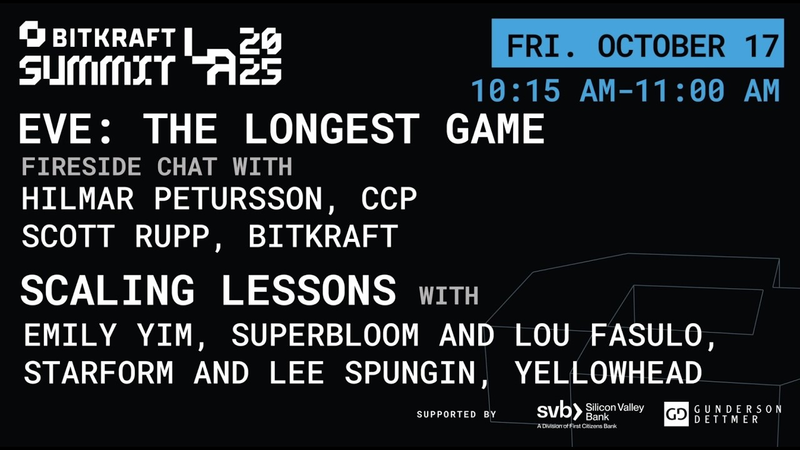
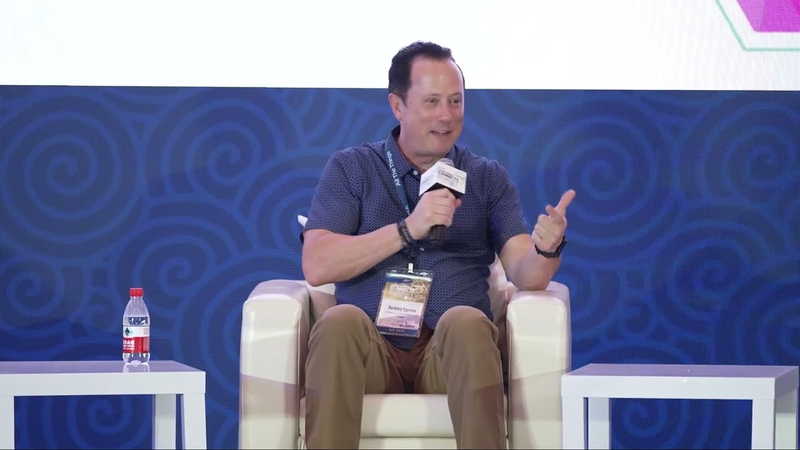
so today's panel is is really uh for us to talk a little bit more about what in the world is happening in referee gaming in Asia um now that bigcraft has spots on the ground in Asia we're spending a lot more time in the region we wanted to share some light on what we are seeing on the ground um and recognization of um who we have in the crowd so possibly portfolio companies who are interested in Asia potentially some investors who are interested in Asia um so the way that we are structuring this panel discussion is um from two uh verticals so first of all I want to talk a little bit more about the demand side which is who exactly are the users in Asia how do you address them um why do they matter uh and then secondly would be about the supply of game studios that are actually coming out of Asia um and hopefully this is going to be a fruitful panel for everyone who wants to learn a bit more about the region um so without further ado let me first just introduce who we
have on the panel I don't want to steal everybody's thunder so I'll just introduce the names and I'll have each of the panelists introduce themselves um so on my left I have tech tech is the founder of G anomaly it's a studio we invested in a couple months back we have David who's the founder of Tatum Miko I think we have been investors in Tatum Miko for a very long time um and they're very near tge the product is nearly final and we're quite excited about what they've been building and Gabby needs no introduction he uh one of the most long-standing uh industry Mavericks in wrey um so maybe Tech you can start with a quick self- introduction hey guys I'm Tech so I oh thank you so much yeah so um I'm Tech so we are a new studio called J Universe Studios we are trying to build an IP layer where we build our own IP and we want to introduce our IP through different variety of games right so it can be um the first installation of games um will be maybe a midcard game the second one maybe something else right so um I think games are great medium to bring people into the IP as
it's interactive and something that people are interested in um so the first game that we are building is going to be an action RPG um please do keep a lookout uh it will be fun hi everyone nice to meet you I Am David I'm the founder of uh Tatsu works and uh we've been the space since 20 sorry not the space we've been building games and games related products since 2015 uh one of our most well-known is tat. G which is used in over 1.5 million Discord servers today uh our latest project is Tatum Miko which is uh live Sim crossed with an RPG game which also has a lot of like social Integrations uh distributed through our platform as well so uh thanks for coming to the panel hi everyone my name is Gabby dieson co-founder of yield Guild games for YG so 21 years in the game industry started out as a game developer got into crypto
in 2017 started yug in 2020 and uh very luckily it uh shortly after that uh like the the wave of crypto gaming with axi happened in 2021 and we we basally just formed ourselves like to to be able to arrive on on top of that Wave A lot has happened since the last three years but now we're aggregating our players into player guilds in web 3 and then help them discover different opportunities where they can play together have fun and uh own their own assets great um so I I think I'll take this conversation in in two two angles um firstly how do the Eastern or or rather the Asian users differ from the Western users that's one um and the second angle is more about how has the perception and the adoption of ref free games changed over the last call it 5 to 10 years right because we have a great variety of Founders who have been in the space for different periods of time Gabby has been along like for a decade now
um David has been building for the last 5 years and then Tech recently came into web3 so uh from let's let's start with like um what's happening over time right uh it's been about four five three years since x infinity um that was like the biggest boom uh in we free gaming started off with a lot of users I think 60% of the users were from Philippines right um so I wanted to get a sense from Gabby right you actively engage with the Philippines Community um through IG and then David you engage with your own community in tatsuo right right so what are you seeing at the front lines in terms of user adoption user perceptions and how has that been changing yeah 2021 was definitely a crazy time for everyone even the axi people tell themselves like the game that they had was rather basic at that time but it kind of Hit the right time in the market where the crypto Primitives were new adding like tokenized assets in games were new and really kind of hit where the market was at then and since then uh the market has been uh has gone down quite a bit we've
also seen that in our player base where a lot fewer people were playing during the bare Market some people stuck around and those that stuck around now that the market is actually growing again now we're seeing them as like the next wave of Guild leaders Community leaders and they haven't just been playing a lot of the part of being part of the Y Community is doing things that are useful to your guild Community some people become project moderators Community managers content creators so they've actually been building skill as a way to be I guess useful and as a way to earn crypto while doing these so uh yeah we're we're starting to see growth once again and I think things are getting a lot more exciting maybe a follow-up question right so it sounds like a a funnel right we have like the users initially coming in and they're now converting into like more uh important contributors in the ecosystem right but are you seeing more people coming through the top of the funnel or the same um so what what we do is that we kind of convert the web two Gamers into
web 3 users by pulling them into like Guild communities and then teaching them like for example like what are what are the interesting things about the game that would require you to interact with the assets right so I don't think that the web two users are coming in unmas like you can't do user acquisition as easily as you do with a pure Web Two game or there are games that you have like Web Two web three funnels where you're in the app store and then a separate part of your game has web 3 functionality um I think those user cohorts are still separate even if you do user acquisition for a mobile game for example and you bring Web Two users in you still have to have that conversion of why they would care about like ownership why would they care about assets like why would they earn this and where's the money coming from so that part is actually still needed okay so I I'm going to pause there because I'm going to ask David the same questions but before we get there uh David maybe you can tell us a little bit more about what you're seeing um with your
community and how their perception because you okay so for for everyone's context um David used to run like a really large discard community that was primarily web 2 and then now he's moving into web 3 how has the perception of web3 amongst his users changed um are they more receptive to web free given you know their their allegiance you know to to tsumiko are you seeing new users come on board uh from Asia yeah so what we've seen actually is actually in 2019 when we entered the web free space we did launch an nft project so for that nft project we did not Target the web free Crow we actually targeted our web to community as we had quite a sizable amount of users at that point in time we identified that okay there was a subset of people within that Community who did understand about web three but within like millions of people you know you only had let's say maybe a thousand right so a very very low conversion rate so from 2019 until out in 2024 what I've seen from our base of
users is that this 1,000 people has actually grown to becoming more much more than 1,000 like I think 20 30,000 you know while that is still a very very small amount I think that is an amount that is uh represents very strong growth you know and I think like recently we went to Tokyo game show you know we showcased our game at the basically largest gaming event in Asia every single year right um I mean I'm sure you've heard of the fact that like when web pre games go through these types of game shows reception might not be so good you know so we were definitely quite worried about something like that but this time around when we went there for days one all the way till four it was open for 4 days uh we basically had 95% turnover rate you know meaning that uh almost 95% of the time our booth was filled with people right and these were people who actually understood that our game had
crypto elements web three elements you know I think you guys might also be thinking like okay maybe it's a Japan thing Japan's like super into web 3 but when we pulled the users when we did the feedback 40% of participants were actually from the West they flew down to Tokyo game show to participate in all these games so what what we're seeing here is definitely a shift you know in previous years there might be not such a strong turnout but I think this year as long as games are providing new novel experiences you know as long as they integrate web free in interesting ways there is going to be interest from the wider audience the general gaming public and do you think that it's a function of you making a kickass game versus it being a sign of the times where people are just well to your point there's a general shift towards increasing uh adoption and maybe Gabby you would be able toine because you work with so many studios uh with Y and you can see how that interest has shifted yeah so now I would say 3 years in
there's definitely a lot more quality content so for example we work closely with a game called parallel so it's a TCG there's a whole free-to-play funnel where you don't need to have any crypto and then there's a crypto funnel where if you buy the NFD cards you can actually start earning tokens and if you're good on the esport side you can actually uh earn a substantial amount of money without paying for anything so uh we've seen there there is some resistance but the resistance is actually from people who who have a reflexive idea of crypto or nfts but haven't tried the game what we've noticed is that if people try the game and the content is good it actually melts away a lot of these uh type yeah all of the yeah all of the prior preconception circum so definitely the the quality of content really matters make a good game show it in a booth with the other games we've seen this with some titles at Gamescom for Tokyo game show like showing the game out there actually is the best thing you can do okay so I think this is a good segue for
me to introduce Tech so for those who don't who do not know I think Tech used to run um a a crypto hedge fund he was a GP of a hedge fund uh and then he decided to pursue his passions and build uh a a game studio so you are the latest entrance amongst the three of us here um what were you seeing on the ground that gave you the conviction and desire to build in this industry granted that you already understand crypto uh and you were very familiar with the market it's very crypto aware kind of person but there must have been something you saw in the market itself that prompted you to say hey I think this is actually the right time to be building something for the market so I think as Gabby said right I think from three years ago until now crypto games itself have changed right like it has evolved from something very simple just a very simple Farm into now you look at games that actually put a lot more effort and thinking into game design to try to make something fun and engaging for people right but I think if you look at the broader um ecosystem right now I think most of the games that exist in this space um unfortunately
it's still not of a good quality and on top of that people tend to play it more like a job rather than play it more for entertainment which is very different from in normal gaming where we played for entertainment right and in that sense people actually are okay to spend money because people are fine with spending money for entertainment rather than spending money to you know work by playing like a job so for me itself the opportunity came when um me being a lifetime gamer myself um I enjoy games a lot but I just looked at this space and I was like okay I think there is an opportunity to create something with great content here I don't think that we are there yet as a space but we are generally gradually moving towards that convergence between um web 2 and web 3 gaming right and I think at a point in time like we shouldn't be even differentiating web 2 and web 3 gaming right it should just be games and whether games are fun or not it shouldn't be oh you are playing a web two game and you are playing a web three game right so I think we are still early in the sense that um people are still figuring things out people are still
figuring how to melt certain elements of um crypto features um into the game what is good to take away from the crypto portion of things what is good to take away from the more centralized portion of things and how to like melt that into a actual um good experience for the users itself right because in the end if you want to create something fun um it's not really about what I want to create right it's about what users want to play it's about what is the user experience do they find it fun and do they find it like something that they want to do you know um in their free time right and what we are doing here it's not like a competition just between web Tre gaming right we are not only competing within gaming itself we are competing with all recreational activity right we are competing about people watching Netflix we are competing about people um going out with their friends for example so it has to be something that it's really worth their time spending so so maybe this is a good segue for for me to talk about how bigcraft thinks about it um so we get the question a lot uh when we speak to let's say potential LPS and sometimes
it's just industry partners for in web too uh about why are we still excited about web free gaming the the booming bus is come and gone um and I always like to reference um this book by carota Perez um so carota Perez is like a very famous Argentinian um Economist and she wrote in this seminal book called technological innovations and financial cycles and in that book she mentioned how it's very predictive whenever there's a major Financial in whenever there's a major technological innovation ation um a bubble always forms and then it pops um and she references many examples so you remember like the realway boom of the United States I can't remember 1700s 1800s and then you have to internet um. com boom and what happens usually is because when people see new technological innovations um they tend to overestimate what technology does in two years but they underestimate what technology does in 10 years and this leads to a lot of capital flowing in um into the crypto ecosystem for example and it causes a lot of like
um mistakes to be made right people thought that crypto was meant to do this and that and then once the bubble has popped people learned a lesson and then real Builders come in and then they figure out oh actually I can do this to solve this problem I can do this to solve that problem and that somewhat fits you know like the Gardner hype cycle that you see a lot like there's a bubble and then the trough of this illusionment and then now like the real people come and build in the right direction I think that's sort of like it's a good synthesis of what we're hearing is that on theg ground people are starting to understand what crypto gaming actually is because it's actually been built in purposeful ways it's not just like you know quote unquote the Ponzi that were built in the previous cycle um and that's why we're seeing increasing reception and adoption by the users and at the same time more and more people coming to build uh in we three gaming Asia uh so great segue into the next question uh which I set up myself is why do you think uh that Asia has been such a hot bit for Innovation why are there more and more Studios that emerging out of Asia um over the last 5 years maybe Tech you can take this since like you are like the you know the most
recent Edition so I think firstly um when we talk about Asia right I think we have to split Asia into many different segments right because Asia itself it's a very big region it's not like um we can combine everything into one right there is southeast Asia which uh as gabino in itself it's um very complicated region by itself given um it's super fragmented um everyone is like localized differently um there is the China crowd which which is um very self-contained as well many many games launch in China itself none of us have ever heard about it but it's you know doing like $500 million in uh Revenue in his first month um recently there is one called dungeon Fighter online um fully domestic in China only uh launch a mobile game published by 10 cent it's $500 million in this first month but nobody actually heard of it I personally didn't hear of it until I was like checking out the charts and I'm like hey what is this um thing going on and I checked it it's really full domestic so I think there's a huge Market out there in Asia and
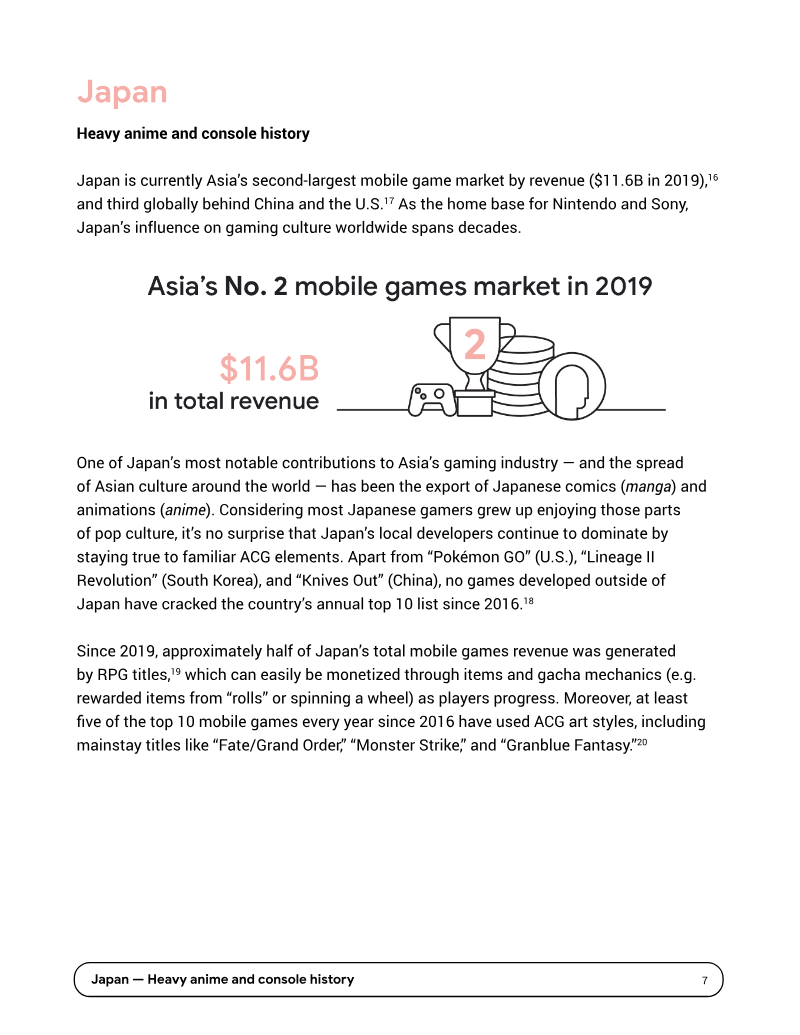
people are starting to realize that um Asia has evolved um as a whole right from a point where people are not able to spend into like actually spending users so if you look at a lot of these games um for example uh gaja games for example right um games like GHIN has made like $6 billion hon Kai star has made a billion dollars and basically there's only four markets that contribute to that right and that it's the US China Japan and Korea that contributes basically 90% of the revenue for these games which means that um obviously I think in Asia there are different segments to Target depending on the different games you're creating maybe in Southeast Asia it's not a game it's not an area where um people would spend so much um in terms of like uh average spend per user so maybe Kaja games are not too popular there but in terms of like places like China people are already very conditioned into spending right and this is something that they have been growing up with given that since from Young um Chinese
internet applications has always been monetizing their users super aggressively um it's kind of like a user Behavior thing and a very normalized uh spending kind of behavior so I think with the growth of these markets and the growth of these audiences um then come Studios finding opportunities that they think that hey you know what um there are a lot of this IP that we can use in China for example that globally nobody has heard before you know maybe we can take some of it to bring it um outside of China or even within China itself um people are looking in to say like hey you know what we have certain expertise um that we have uh gained from working in like game studios um elsewhere but they are not really utilized in China right and then I think that's why we see like in the last 10 years itself the evolution of Chinese games have actually moved on from you know very cheap feeling games to you know very high quality mobile games and now obviously we see them moving towards the actual AAA games and this quality itself are actually matching the Western Studios where 10 years ago um they actually do
not have this capability at all yeah I guess uh to add on to tax Point as well right it's because we see that in Asia it's a very financialized culture I mean not going to talk about you know uh other races but mine Chinese you know we we have a god of money right so testing out all these new monetization strategies uh you know testing out all of these new mechanisms integrating them directly into gameplay to create Innovations is something that's very normal for Asian Studios right and so like players in Asia from a very young age we've become very uh okay with all these financialized Concepts you know pay to win you know a digital asset ownership right even now in web 3 you know and every year Chinese New Year we do some campling with family members and whole bunch so to add on to that I mean taking into account econ iic disparities between
like the demographics demographic in Asia compared to like you know in the Western Hemisphere where things are a bit more Equitable across the different social classes in Asia there is very strong economic disparity like those have really given rise to monetization models like the gacha systems the loot boxes you know and that has like contributed a lot to how Asian Studios approach their games development and uh game mechanics as a whole yeah yeah let me talk about the Philippines specifically cuz uh I know a lot about that topic so if you if you've work in games in the last decade you probably know that the Philippines is was like the soft soft launch capital of the world right so before you take your game Global you launch your game in Philippines first then it goes well maybe you go to Australia Canada and then you you do it uh elsewhere and uh there are several reasons for that one is that Philippines uh is kind of like
westernized in terms of taste and uh everyone speaks English as well so you can check if your app is working properly and uh Philippines are all like always online very willing to try something new so you're always going to get like that initial push of users to to test your app your product or game and that's been true as far as friends 3 20 years ago Facebook all of the social networks have a lot of Filipinos in them and then all of the games from like Clash of Clans to to axi Infinity actually what's different and special about web 3 was that in free to play we have all of these Filipinos playing these games and they were contributing their time effort labor but there was actually no way for them to make money from it right so add like uh very open to financialization very open and online to trying new things and then you add the element where I I can actually earn from it maybe better than what I can get locally so that's how Philippines became
like the web three gamer capital of the world and I think this will only continue if you look at the biggest Philip uh export of Philippines around the world it's labor if you look at your cruise ships around the world 50% of the staff are from the Philippines even here in California there are a lot of people on the service side and they're the ones that are also playing these games and the the the interesting part here is that as these players uh are exposed osed to web 3 games they actually start uh earning crypto owning more of their own assets so one of the surprising things working with games in the last couple of years is that as the time goes by even uh players from the countries that are normally I would say low to no RP they're actually starting to spend money as well there was a game partner we had which is an idle RPG that said Philippines was in the top five of Revenue which is very surprising so yeah so that's the most surp surprising thing is that as time goes by as you start
going web three as you fulfill the promise of ownership the revenue profile of your players actually start to change that's that's that's a great uh uh uh topic to close off that conversation topic um what I was going to say is like I heard a lot about how the studios are more open to monetization design and the people are also more receptive uh of new monetization practices um and that reminds me a bit of what Steven ma said I think for four years ago in an interview so so Steven maah is like the head of like the 10cent gaming uh uh Division and I think he said the westerners the way they build games is they try to invent like new core loops and new ways of like uh enjoying a new game whereas in the East it's very focused on I'm going to design like a new monetization system and I'm going to copy like a western G I'm going to slap my monetization system on top of it and let it run right so in that regard right uh he rightly says that we're pretty poor at making new games but we're very
good at copying games and slapping on monetization system which you can interpret it a few ways uh first I think that positions I think Asia Studios better to do we fre because um you know there's like a very deeply integrated monetization design into the economy and all of that is like what we're good at but at the same time it also means that are we are we not going to see good games count out of Asia this a deliberately provocative take right there like a few like good Founders here so I just want to get your sense on on what Steven said um about about you know the disparity between studios in the east and west U maybe I'll start first so I think there is actually a parallel um between this and the Chinese internet boom right so if you look at the Chinese internet boom um actually when you look at uh they have their own version of like um Spotify they have their own version of Netflix but what they did really well wasn't the creation of this models right like all these models were created in the west what they did was they took these models and they SLP on their monetization models up to a point where you know back then um I was at Goldman
Sachs running IPOs for these companies we have um Western uh guys coming to us and ask asking us hey you know what we need to really learn how these Chinese people do their monetization models because um we have all these users but we are still loss making while our counterpart in China for example is actually already profit making right um so I I think what he says was um very uh uh uh accurate right in terms of like Asian uh in the east side we are pretty good at slapping monetization models but I think that it's only like the first part of it where you know there is always a progression in terms of like the content that we create right so maybe the first rendition will be like okay you know what we just um copy something reskin it and then we SLP our monetization model But as time goes by we start to evolve into two different paths right where um in the East people start to reiterate to create better versions of the game game right um doesn't mean that you know we have uh
there there are going to be uh let's say uh no death in the game itself but the starting point is always low you know the starting point always there is a learning process where people start to slowly ramp up and then they realize hey you know what our monetization model is strong but people don't stay around for long because you know there is no dep to the game and then people start to like fix um all these portions slowly right so I think there is some truth to it but um in the end it's all a learning process um talent doesn't like talent doesn't uh gets created out of nothing right it always gets created out of process it gets created because people try to build something better and better so I I I think it does takes time um I think um on the web Tree Side uh even in terms of like building good games itself we are also up that curve right where um we seeing the quality improved um actually quite drastically from three years ago compared to now I guess to add more on top of that right
uh T brought up a lot of very good points and good examples you know like from my perspective at the end of the day games need to generate Revenue you know they need to generate money like to give an example you know you go to Disneyland and you have to pay $20 for French fries right and people in the west have no problem doing that like you know like in the same way people in the East have no problem paying a lot of money for video games as well you know and I think that Asian games being monetization machines with thin gameplay that's a thing of the past already you know like studios in Asia have already built up a very significant production capacity able to scale quality to the next level right so I mean we've all also seen layoffs in the games industry over the past two years you know I feel that in the current market structure for games to survive there really needs to be deep integration of monetization into very strong gameplay mechanics in order
for the industry to make it yeah yeah one point of you all show here is that uh I think for the Western gamer in general they're very resistant to new business models I remember being in mobile games late 2000s where I you'd go to a conference say oh mobile games are not real games and then a few years later it's like oh free to play games are not real games and then a few years later you're like oh web three games are not real games and now I'm saying telegram games are not real games but uh so there's a lot of innovation happening I think on the Asia side in general there's a lot more acceptance to a lot of experiments some of them might fail some of them might work um but here even e Sports Acceptance in the US took maybe what 15 years and now it's in campuses and now it's accepted that okay Esports is a legit way for me to earn money for a living right so I do think that uh there has to be a game that kind of breaks through that's acceptable to like
Western audiences it might be a game like Off the Grid who knows and then that kind of paves the way to legitimize everything else his history does Rhyme a lot yeah like we keep seeing all this I remember if if any of you were here last year I did this whole uh presentation on like the transition uh of the uh impressions of free to play and if you like Tred to pull like the Google search results of free to play like six seven years ago everything was so negative and then like you go back to like maybe one year ago it's all like okay this is like the new paradigm this is here to stay da D D D um so yeah hopefully that's the same thing that we will see in web free um and maybe one final question before we open the floor for for questions uh given the importance and the rising uh consumption capabilities of the Asian audience what are the best ways to go address this markets right in terms of content in terms of distribution should we go talk to Y talk to to Gabby local Partners uh what are they looking for in
terms of monetization mechanics or content any any any color that we can share with the the audience yeah yeah I'll start so uh community building is different from user acquisition so I think you have to view your uh user acquisition strategy both from top down and bottoms up and I think everyone who comes from freeo play understands top down use your channels whether it's Facebook or Google acquisition and then you run it down your funnels the bottoms up way is a lot lot more messy and manual building a community and realizing that Community is very powerful in web 3 that like especially if you have a token a lot of the strength of your token actually comes from the strength of your community and then that the product is layered on top of that and then you acquire your users on top and you try to convert them into community members right so so doing I would say having a strong user base and strong Community is pretty different from I would say just the typical web to
user acquisition funnel so I I think Gabby has a good point on um distribution but I talk a little bit more on the monetization part right so one question I was asking myself right it's you know why I feel so unhappy spending $60 buying a AAA game on Steam but why do I feel so happy spending $500 on a free-to-play game then I ask myself why and I realized a lot of it actually it's moneti ization um it plays with the psychology of the player itself right I can give example um we see people you know we buy $60 games and then um three months later they release a DLC cost $20 and then as a user I'll be like oh my God this is such a scam they should have given me all the content and now I have to pay $20 more for extra content so that was the mindset right um and then I was playing all these freet to-play games um you know they let you pull gaja few dollars per pool and then you know by the time you pull um 70 pools right you
are 20 away from this thing called a PT pool so normally they structure it where if you pull the Kaa 90 times they will give you a complimentary one that gives you the thing that you want to pull for right so the maximum amount is 90 so you pull 70 and then you'll be like okay so now I am short of 20 right I got that 70 pulls for free so I have two choices I can either save this for the next season where I can guarantee myself a pool for the next season and be happy or I can top up 20 pools and get the current season and then at that point in time as a player I'll be like oh thank you Developers for giving me 70 now I just have to pay for 20 pools and now I can get this limited item so I actually feel happy spending the money instead right so I think a lot of things is about how you structure the monetization as well I think um there should be a lot of things that we can learn from um games out there I think Li games actually did a very good um way of monetizing their users right like like people actually do feel um sometimes happy sometimes people
feel competitive in terms of like wanting to spend money and after spending money they don't feel like they're angry you know they feel satisfied okay uh I think we're almost running out of time uh we have 5 minutes left so I'm just going to open up the panel uh open up the floor for questions if anyone has any questions what's opportunity Foria I think it depends on what angle you looking at on AI there are a couple of attempts for like using AI agents in games the ones I see are the ones mixed with web 3 um I do think that there is also openness it but I haven't seen uh like an execution that's kind of at the Polish stage yet uh there's a portfolio company of ours called Cipher uh and Cipher has this uh Mantra that is we work in the day AI works at night so they've actually built up their own uh this engine um train on their own data that spits out like content very rapidly
and in a world where UA is becoming increasingly challenged economics are really difficult so I think being able to create a lot of art uh using AI um has has been one of like the biggest uh value drivers for the company gentl oh I think trans media just lowers UA cost just as it does anywhere like for example in in Southeast Asia Ragnarok as an IP is very powerful so you're seeing a Resurgence of like MMOs that were popular maybe 15 20 years ago and being uh yeah used in new games uh I I'm not sure that the breakout hit
will come from licensed property because it's very hard to to have licensed property with like a lot of business level uh business uh innovation in the uh in the business model at the same time there's usually a lot of restrictions that come with using those Brands so like if I have to go and ask the legal of a brand I'm licensing every time I need to do something new in crypto like it's going to be hard to to pull that off certainly true with with something like a so probably if I have a game that's working already with my own IP that's the only time I'll I'll use license IP so I think um there is one thing that um is also very interesting right because um in Asia itself especially like 15 years ago you know you have very popular games um like Ragnarok online itself it's all PC games right so one wave that came by was actually the making all these games into mobile games right so um they were starting to put on
all these additional monetization engines and launching the mobile version which actually did exceptionally well um for Ragnarok itself the first mobile that came out was in 2018 if I'm not wrong by a Chinese company called synto so this company basically at a monetization model on top of the classic Ragnarok online game made it mobile and the entire company actually went on IPO just based off one game because it printed so much money for them and obviously from then on until now um that IP itself has been licensed out to um tensent as well to do um rnar rock online first love as well which was hugely popular and I think we have been seeing this um with maple story as well for the mobile version right so I think there is a wave of bringing o IPS but these are like very strong IPS that um we were playing when we were young and when we were poor and then now that entire group of people have basically evolved into um young spending adults right I think it's entirely the same thes of like how Pokemon cards and Yu-Gi-Oh cards suddenly became really
expensive because it's a element of nostalgia that um when back when young you know we' be tearing up this like um booster packs with our pocket money but then now you know we have um spending power we can like start collecting cards that we actually wanted in our past right any other questions yeah we are almost out of time uh I think we have only just begun to scratch the top the tip of the iceberg for Asia gaming so if you have any questions please reach out to Gabby David Tech um on Hover and thank you for joining our panel thank you
Auto-generated captions from YouTube — names and numbers may be misheard.
Key insights
Distilling the key insights…
Ask AI about this video
Cite this video
Citation
Generating citation…















Comments