1 free read left. Create a free account for unlimited reading + AI research.
Create free accountArticle GameMakers
1 free read left. Create a free account for unlimited reading + AI research.
Create free accountArticleGameMakers
Major players like Epic Games are trapped within their flagship titles. The dream of a unified metaverse has devolved into isolated platforms.
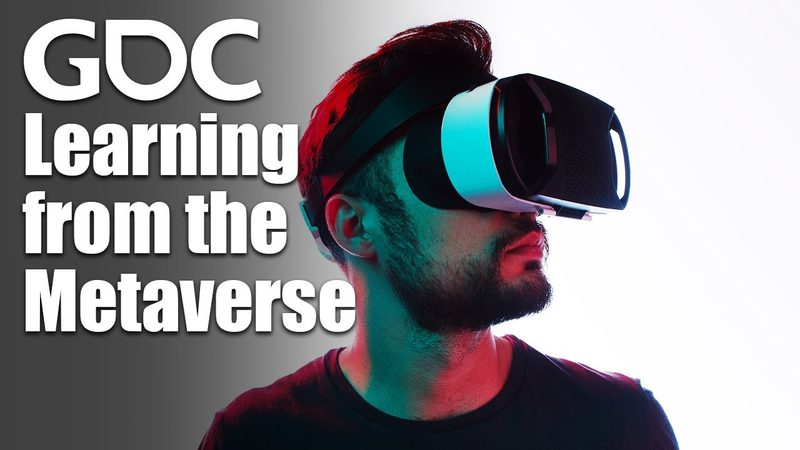
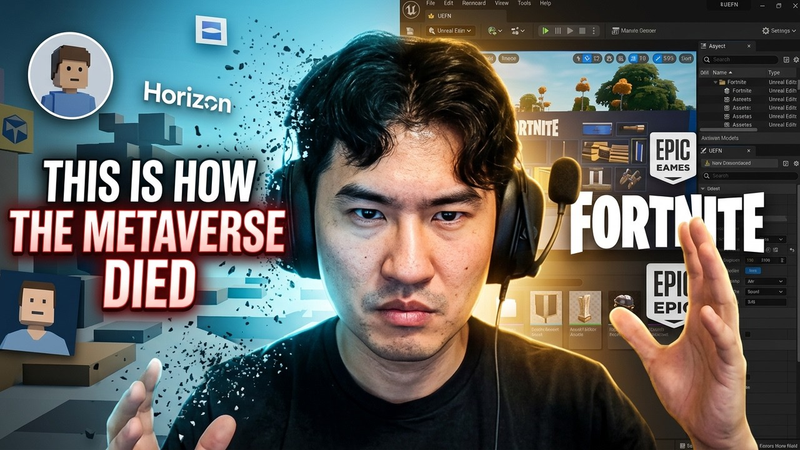
The metaverse, once envisioned as a sprawling, interconnected network of virtual worlds, has effectively failed to materialize. Instead of creating expansive social hubs, major industry players like Epic Games have found themselves trapped within the confines of their own flagship titles. The core thesis posits that these platforms are hindered by a fundamental tension: their massive, established player bases are conditioned to engage with specific, dominant game modes, such as the battle royale format, rather than exploring a diverse ecosystem of user-generated content. Consequently, the dream of a unified metaverse has devolved into a collection of isolated, stagnant platforms.
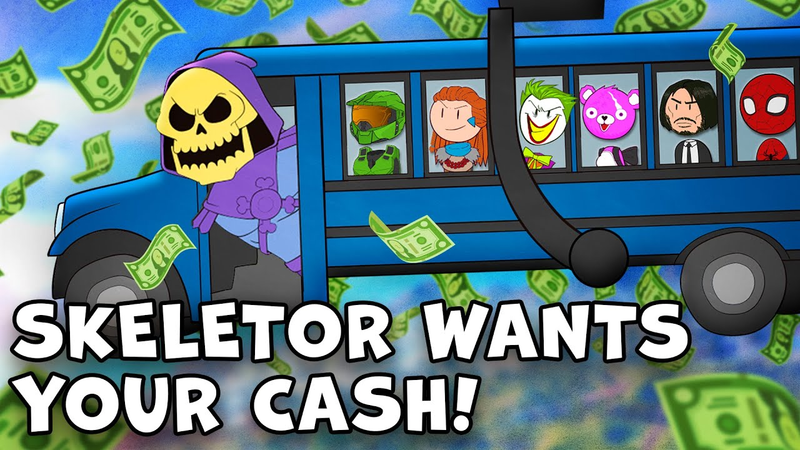
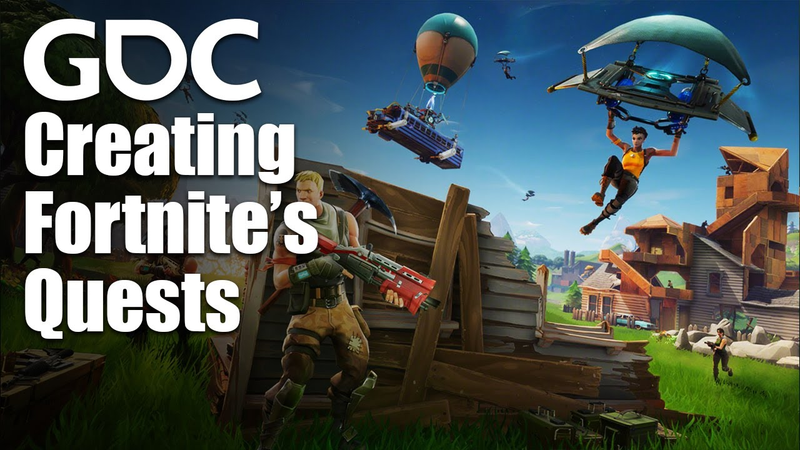
Epic Games’ Unreal Editor for Fortnite (UEFN) serves as a primary case study for this stagnation. While the platform provides tools for creators, its economic model inadvertently incentivizes low-effort, repetitive content—often characterized as idle tycoons—over high-quality innovation. Because the platform lacks the organic, bazaar-like discovery culture found in competitors like Roblox, third-party developers struggle to gain traction. The audience remains tethered to the anchor game, rendering the platform’s broader ambitions largely invisible to the average user.
Ultimately, the industry faces a crisis of curation in an era increasingly saturated by AI-generated content. For independent developers, the sheer size of a platform’s audience is insufficient if that audience refuses to engage with new experiences. Success now requires moving beyond the "infinite slop" of derivative games and establishing a clear identity. Epic Games must now decide whether to pivot toward a standalone platform model or accept that its current ecosystem functions best as a shooter-adjacent experience rather than a true metaverse. Without a fundamental shift in user behavior and economic incentives, the metaverse remains a conceptual relic rather than a viable commercial reality.
GameMakers · 2026

GameMakers · 2026
GameMakers · 2026
GameMakers · 2026
GameMakers · 2026
GameMakers · 2026
GameMakers · 2026
GameMakers · 2026
GameMakers · 2026
GameMakers · 2026
GameMakers · 2026
GameMakers · 2026
Deconstructor of Fun · 2026