ArticleGameMakers
The AI ROI Is Here: Your Organization Is Throttling It
28 Aug 20261 pages~16 min full read
The paradox of AI return on investment in the gaming industry stems not from technological limitations, but from organizational and human factors that throttle potential gains. While individual developers and small, highly incentivized teams demonstrate that AI can dramatically increase output, broader organizational adoption often fails to realize these benefits. The core thesis posits that productivity gains are currently being stifled by a lack of necessary skills, a defensive attachment to legacy workflows, and misaligned incentives within corporate structures.
The analysis identifies a significant skill gap, estimating that the vast majority of users lack the proficiency to move AI-generated prototypes to production-quality software. Effective AI utilization requires specific competencies, including the ability to subtract unnecessary features, exercise discernment to catch model errors, implement rigorous adversarial testing, and move beyond naive prompting toward agentic orchestration. Furthermore, many median-level engineers resist these new workflows, whereas non-engineers—such as product managers and artists—often show higher output because they lack a vested interest in traditional, slower development processes.
Incentive structures also play a critical role, as salaried employees are rarely motivated to maximize output beyond expected benchmarks. To capture the true value of AI, organizations must shift their approach by measuring adoption and retained value rather than simple commit counts. The recommended strategy involves identifying high-agency operators with strong technical foundations and granting them the autonomy to solve bounded problems. Ultimately, because AI provides immense development magnitude without inherent direction, the competitive advantage for studios will shift toward those who can effectively identify what is worth building, rather than merely focusing on the volume of production.

GameMakers · 2026
GameMakers · 2026
GameMakers · 2026
GameMakers · 2026

GameMakers · 2026
GameMakers · 2026

GameMakers · 2026

GameMakers · 2026
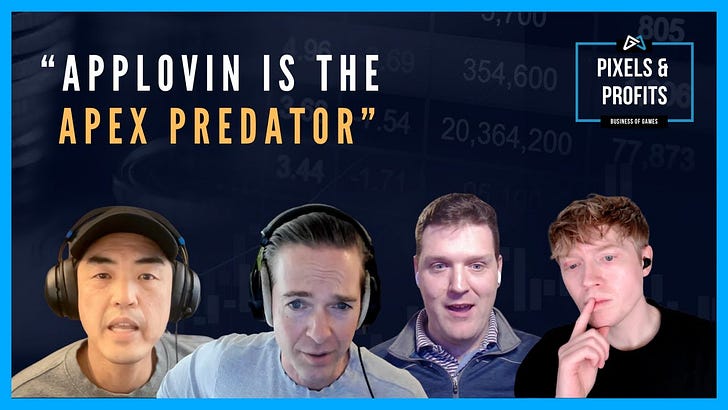
GameMakers · 2025
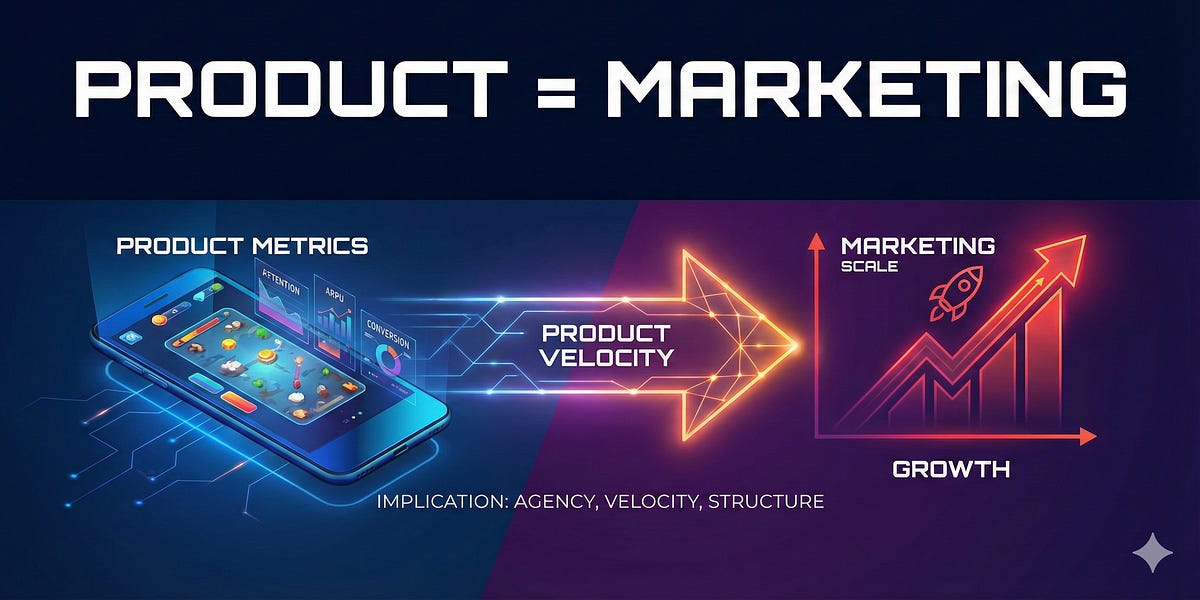
GameMakers · 2025

GameMakers · 2025
GameMakers · 2025
Google Cloud · 2025
Game Developers Conference · 2025
Informa · 2024
Drake Star Partners · 2024

Perforce · 2024
Modern Times Group

InvestGame
Poki · 2026
Sensor Tower · 2026
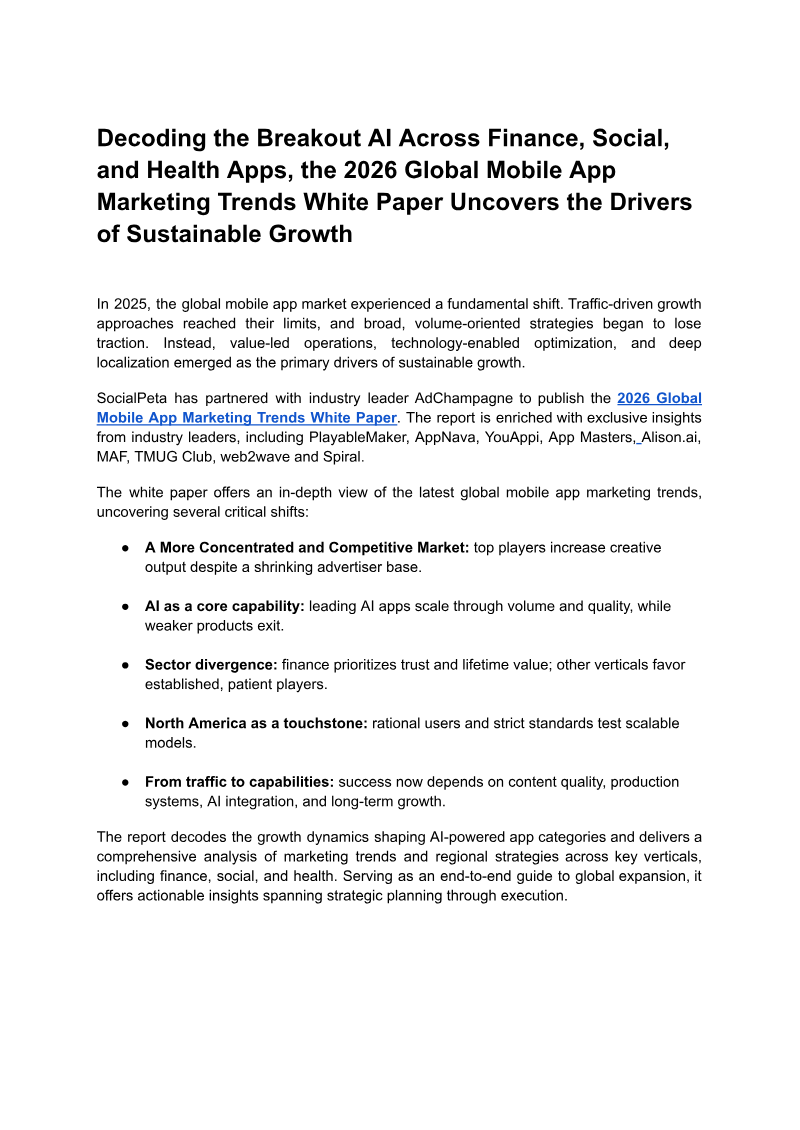
SocialPeta · 2026
GDC · 2026
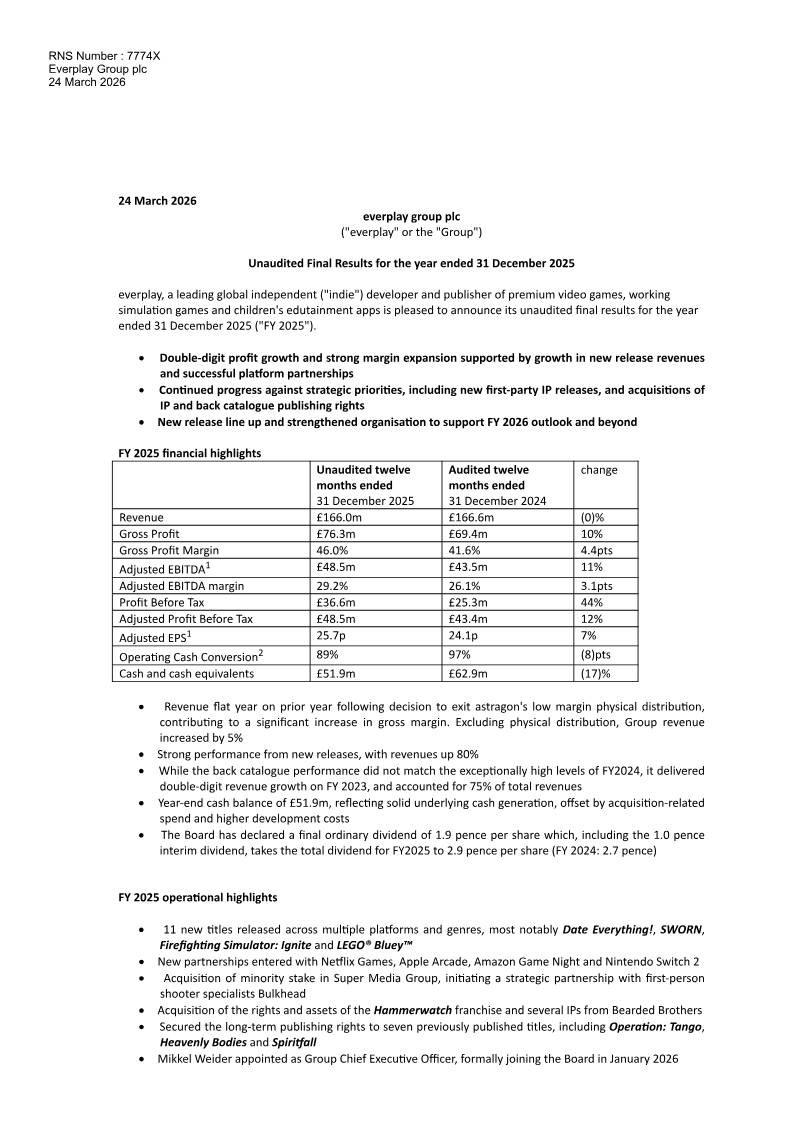
Everplay Group · 2026