
The recent closure of several Bethesda-affiliated studios, including Arkane Austin and Tango Gameworks, signals a significant shift in Microsoft’s long-term strategy for the Xbox ecosystem. While these moves follow disappointing Q3 financials—marked by flat non-Activision content revenue and a 30% drop in hardware sales—the underlying cause is a pivot in how the company values its first-party portfolio. The aggressive acquisition spree of the late 2010s was designed to fuel Game Pass growth, but that momentum has slowed as the service reaches a saturation point among core Xbox fans.
In this maturing market, the metrics for success have shifted from prestige and critical acclaim toward long-term player retention and cross-platform monetization. Studios producing "one-and-done" single-player experiences or high-cost prestige titles are increasingly viewed as liabilities compared to "retention-first" hits like Sea of Thieves or Grounded. This suggests a future where Xbox focuses on a few massive, multi-platform franchises while licensing third-party content for Game Pass more cost-effectively than owning the development houses themselves.
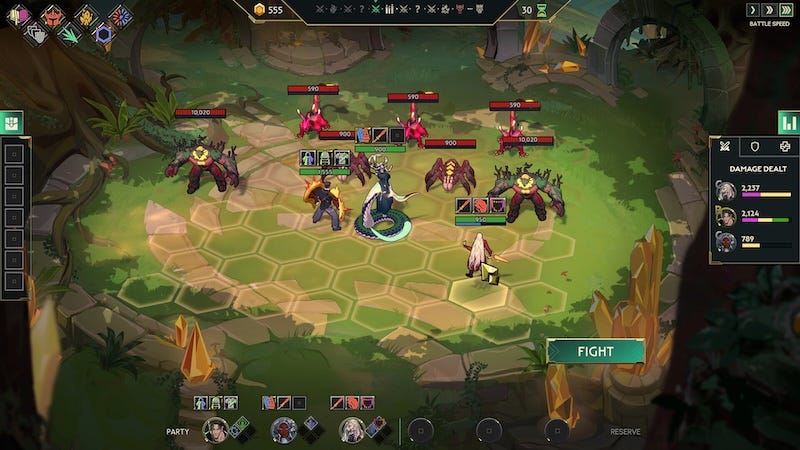
Beyond the corporate landscape, the industry continues to see success through creative genre-blending, as evidenced by the performance of Minishoot Adventures. Despite a modest launch of 28,000 wishlists, the title achieved a rare post-launch surge in concurrent users and a high sales-to-wishlist ratio. Data indicates that high-quality execution and accessibility—such as low refund rates and high median playtimes—can drive significant organic growth even for small two-person teams.
Broader industry trends show Nintendo approaching the end of the Switch lifecycle with 141 million units sold and a digital sales ratio that has finally surpassed 50%. Meanwhile, Steam data analysis reveals that the actual developer payout after refunds, chargebacks, and taxes typically averages around 58% of gross sales, rather than the nominal 70% revenue share often cited. These data points reflect a tightening global market where both platform holders and independent developers must adapt to shifting consumer habits and platform economics.
GameDiscoverCo · 2026

GameDiscoverCo · 2026
GameDiscoverCo · 2026

GameDiscoverCo · 2026

GameDiscoverCo · 2026
GameDiscoverCo · 2026

GameDiscoverCo · 2026

GameDiscoverCo · 2026
GameDiscoverCo · 2026
GameDiscoverCo · 2026
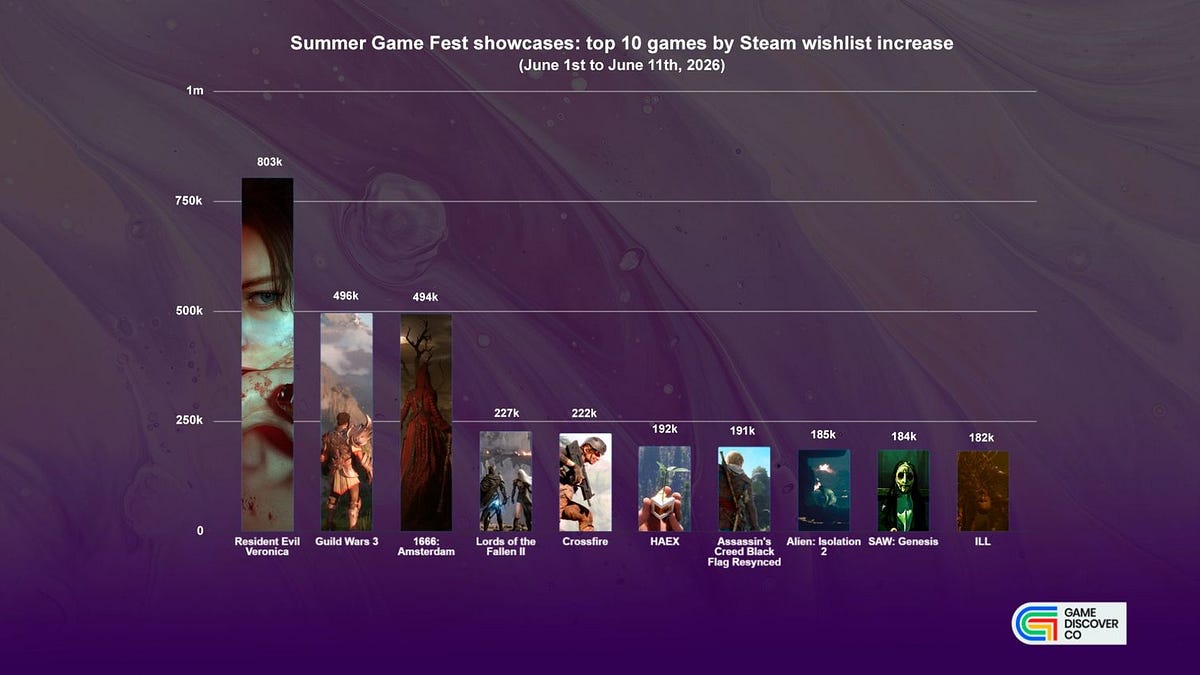
GameDiscoverCo · 2026
GameDiscoverCo · 2026
Newzoo · 2026
Modern Times Group · 2026

Nintendo · 2025
DDM · 2024

Sony Group · 2024
Newzoo · 2022
Bandai Namco · 2021
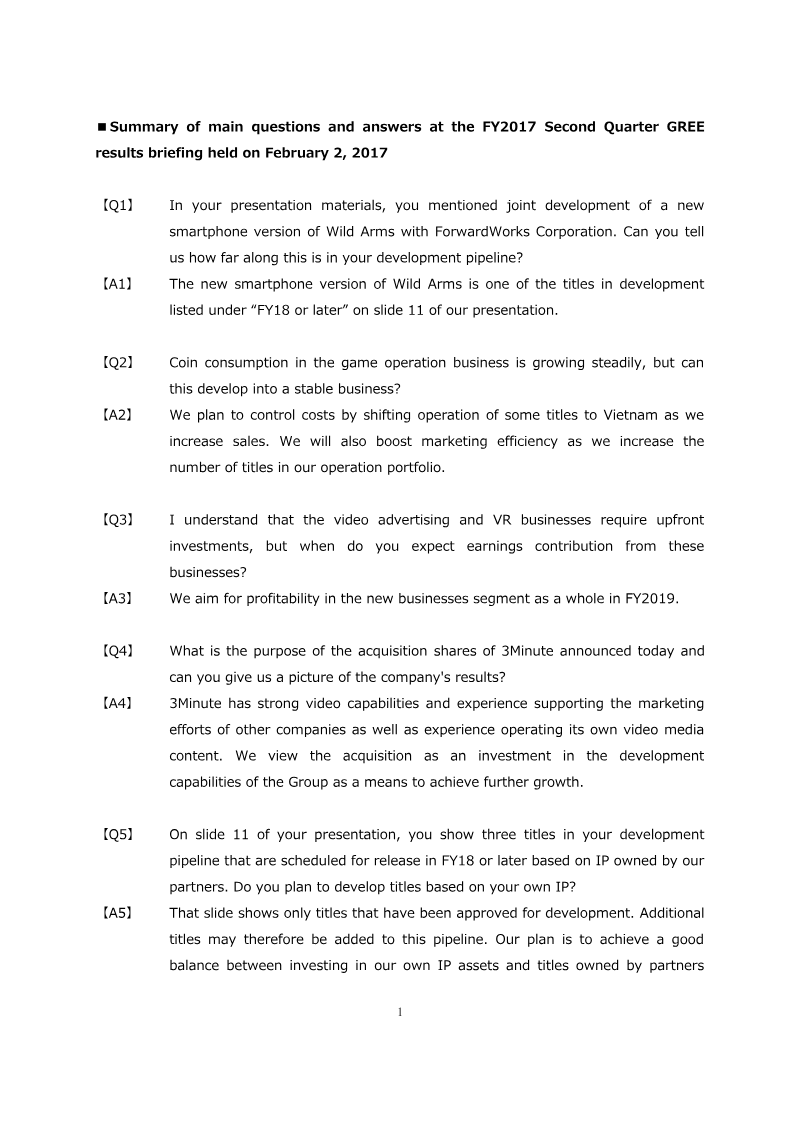
GREE · 2017
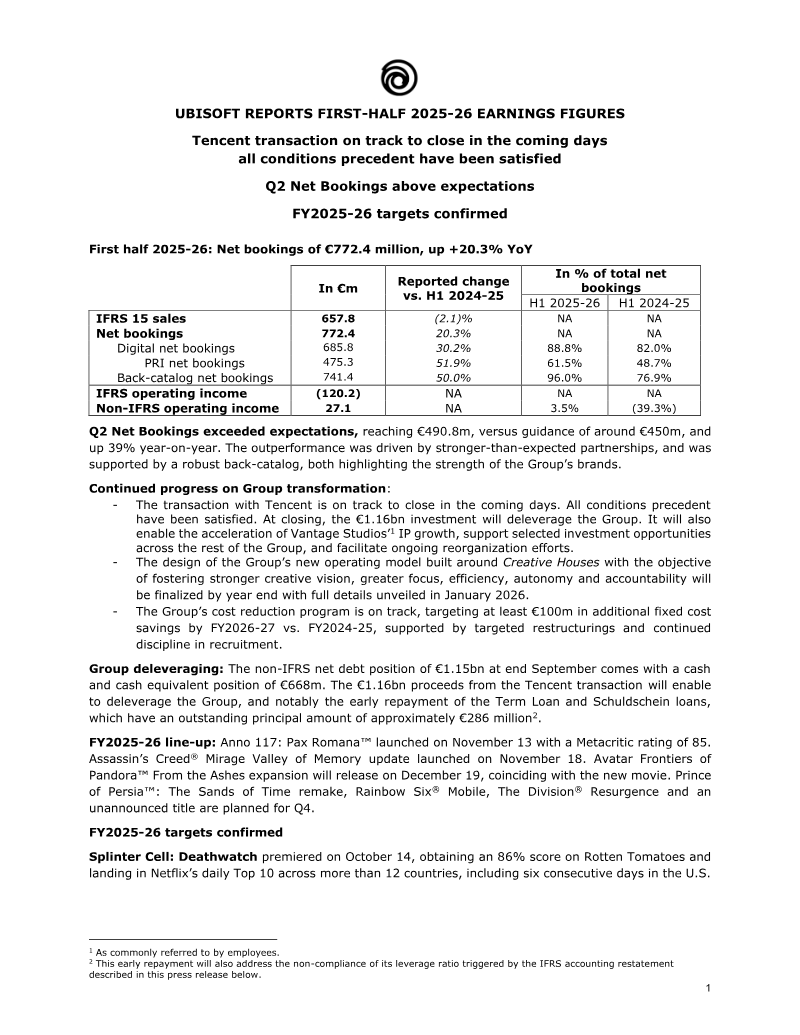
Ubisoft

InvestGame
Frontier Developments
Ubisoft · 2026