Sony’s PlayStation strategy centers on a transition from a traditional hardware-centric model to an integrated ecosystem focused on high-value intellectual property and recurring service revenue. Analysis of long-term financial data reveals that while previous console generations, such as the PlayStation 3, suffered from high manufacturing losses, the PlayStation 5 reached a hardware break-even point much earlier in its lifecycle. This financial stability allows Sony to position itself as a "Goldilocks" platform, balancing the idiosyncratic, internal focus of Nintendo with the aggressive, value-destructive disruption of Microsoft’s Xbox Game Pass.
The strategic thesis emphasizes brand differentiation through high-quality first-party titles and the expansion of PlayStation Plus. Data indicates a significant shift in consumer behavior, with free-to-play titles accounting for over 25% of total PlayStation spend in fiscal year 2020. To remain competitive against Microsoft’s subscription-heavy model, Sony is leveraging its internal IP across multiple media, including PC, mobile, and film, aiming to create an emotional resonance that drives organic audience amplification.
Geographically, the scope focuses on the global console market with specific comparisons between Japanese and U.S. corporate philosophies. The findings are based on Sony’s 2021 Investor Relations presentation, supplemented by third-party market data from sources like Steam250 and SparkToro. Key conclusions suggest that Sony’s success depends on its ability to maintain premium $70 software sales while simultaneously growing its subscription and free-to-play revenue streams to fund future content acquisition and development.

GameDiscoverCo · 2026

GameDiscoverCo · 2026
GameDiscoverCo · 2026

GameDiscoverCo · 2026

GameDiscoverCo · 2026
GameDiscoverCo · 2026

GameDiscoverCo · 2026

GameDiscoverCo · 2026
GameDiscoverCo · 2026
GameDiscoverCo · 2026
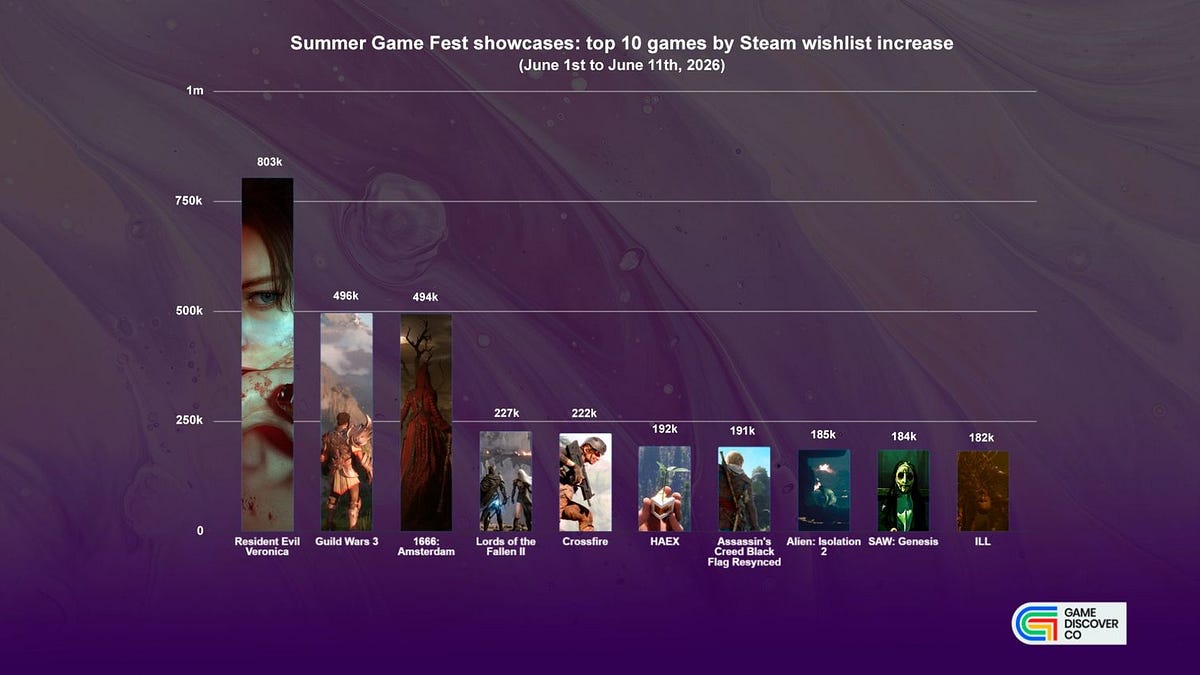
GameDiscoverCo · 2026
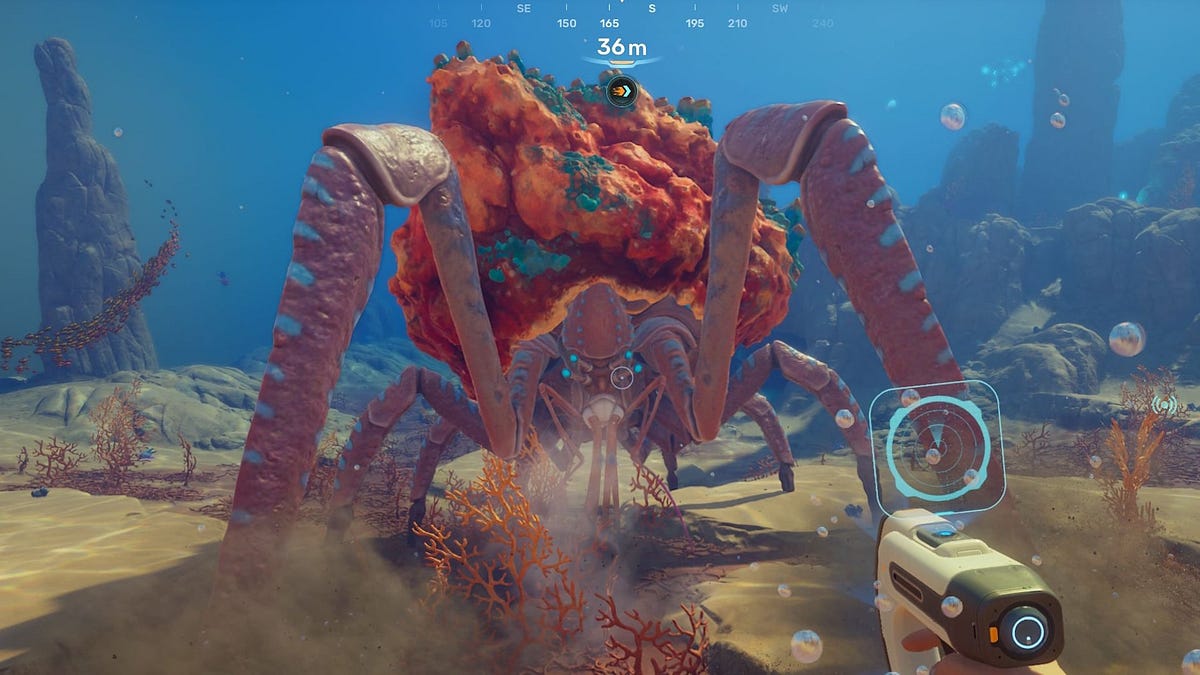
GameDiscoverCo · 2026

Almedia · 2026
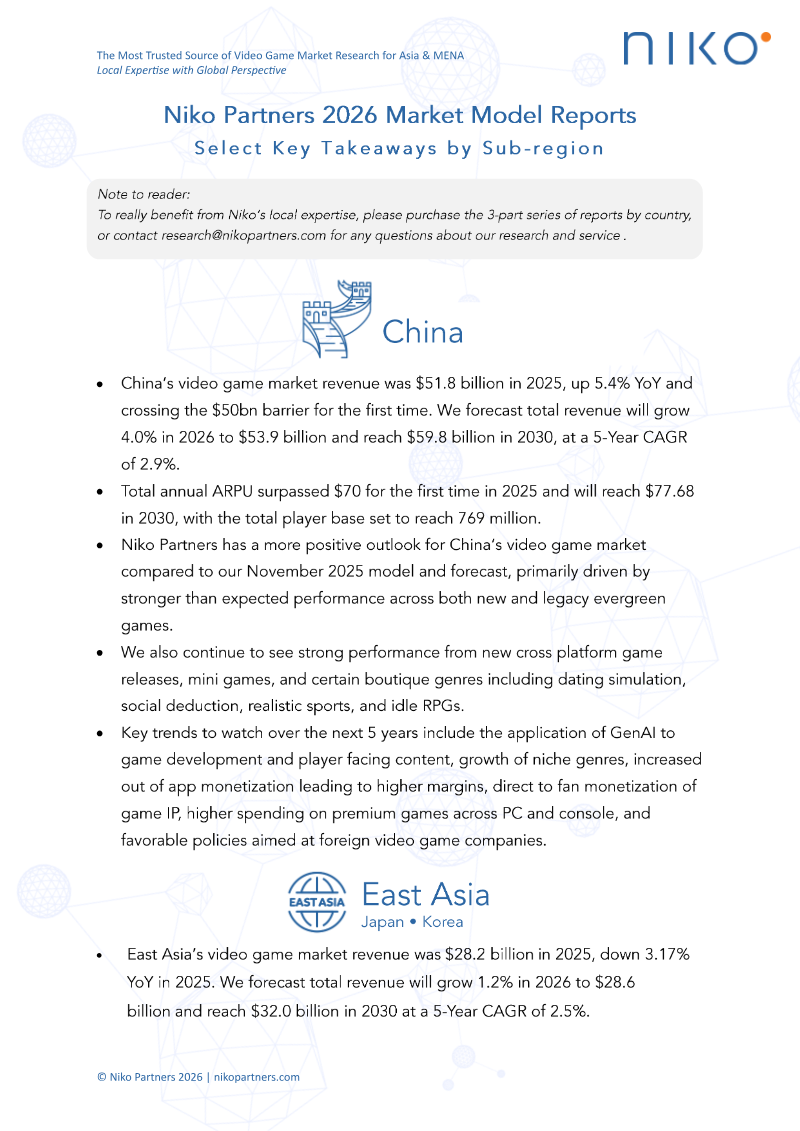
Niko Partners · 2026
Gamesight · 2026

Sensor Tower · 2026

Sensor Tower · 2026
AppLovin · 2026

Sensor Tower · 2026

Mintegral · 2026

Sensor Tower · 2026

Newzoo · 2026
Modern Times Group · 2026
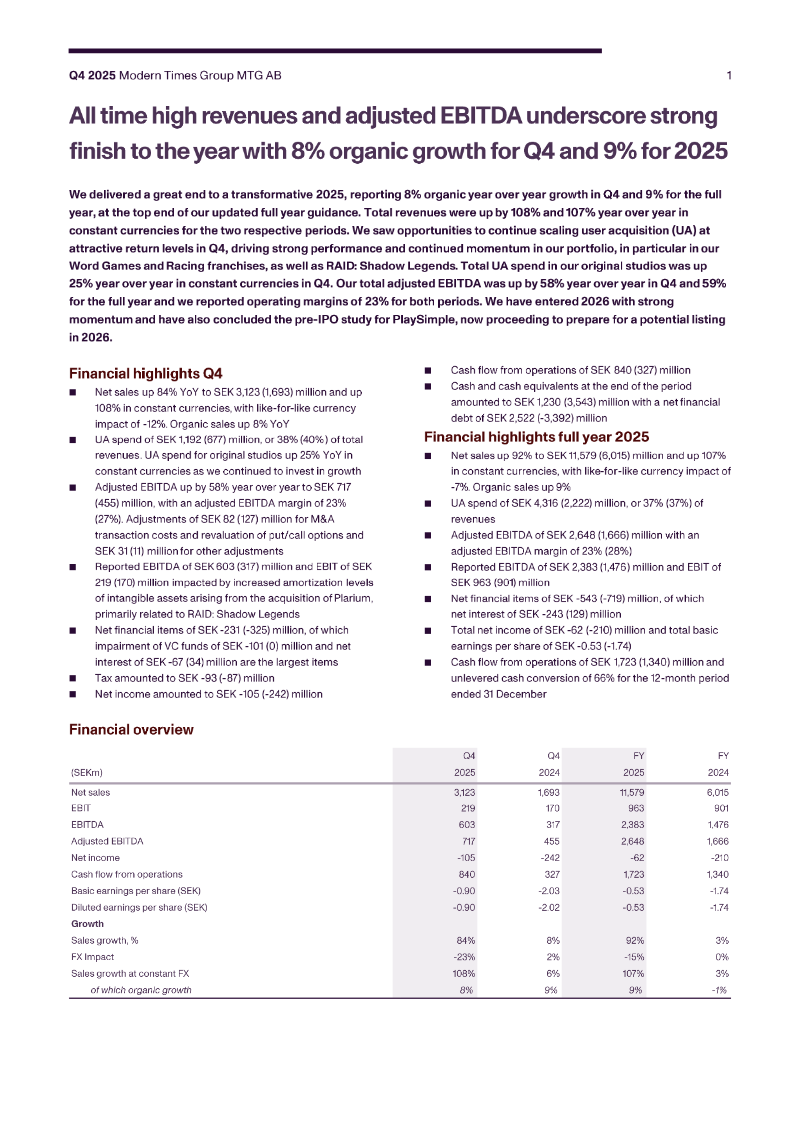
Modern Times Group · 2026