
This analysis explores the relationship between pre-order volume and launch day performance metrics on Steam, specifically focusing on how high pre-release engagement can skew traditional sales estimation models. By examining the launch of Paradox Interactive’s Age of Wonders 4, which sold 250,000 units in its first week despite concurrent user (CCU) counts that suggested a much higher trajectory, the findings suggest that heavy pre-order activity front-loads player activity. This creates a "splash" effect where launch day CCU is disproportionately high compared to total week-one sales.
The data indicates that for games with hardcore fanbases and significant pre-order incentives, the multiplier for estimating week-one sales should be adjusted downward to 7x–10x of peak CCU. In contrast, "normal" launches without heavy pre-order bias typically follow a 20x–40x multiplier. This revised methodology accounts for the fact that automated notifications and pre-release purchases consolidate a large portion of the player base into the initial launch window, inflating the perceived immediate success relative to long-term conversion.
The scope of the analysis covers global PC and console trends for May 2023, with a primary focus on Steam, PlayStation, Xbox, and the Epic Games Store. Beyond the core thesis on pre-orders, the findings highlight the successful Steam debuts of Darkest Dungeon II and Voidtrain, while noting that legacy titles like Hogwarts Legacy continue to dominate console charts due to staggered releases on older hardware. The methodology relies on a combination of public sales announcements, SteamDB concurrent player data, and proprietary "Hype" scores derived from Steam follower counts and wishlist velocity.
GameDiscoverCo · 2026

GameDiscoverCo · 2026
GameDiscoverCo · 2026

GameDiscoverCo · 2026

GameDiscoverCo · 2026
GameDiscoverCo · 2026

GameDiscoverCo · 2026

GameDiscoverCo · 2026
GameDiscoverCo · 2026

GameDiscoverCo · 2026
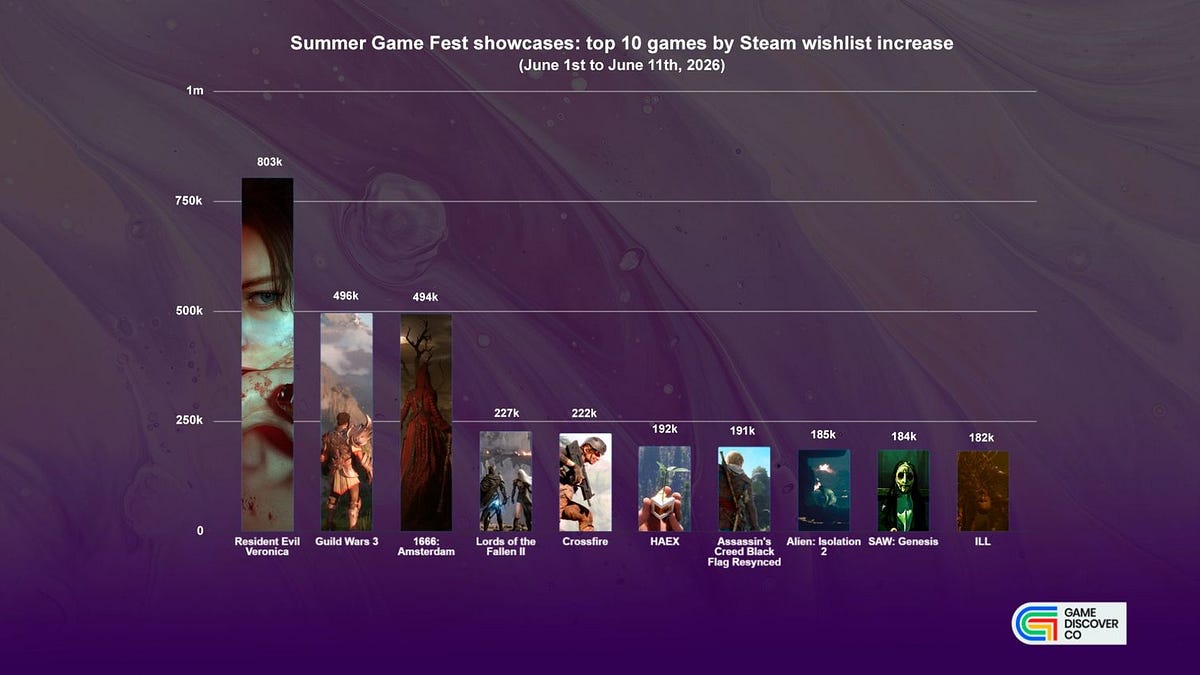
GameDiscoverCo · 2026
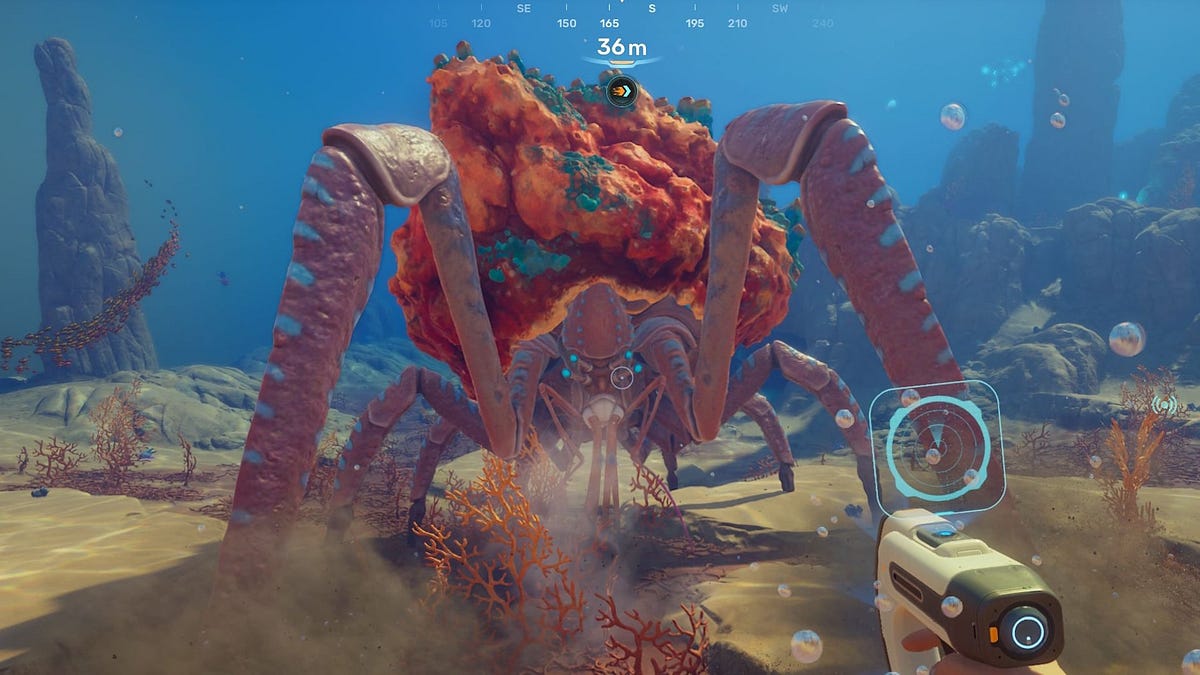
GameDiscoverCo · 2026

GameAnalytics · 2026

Newzoo · 2026
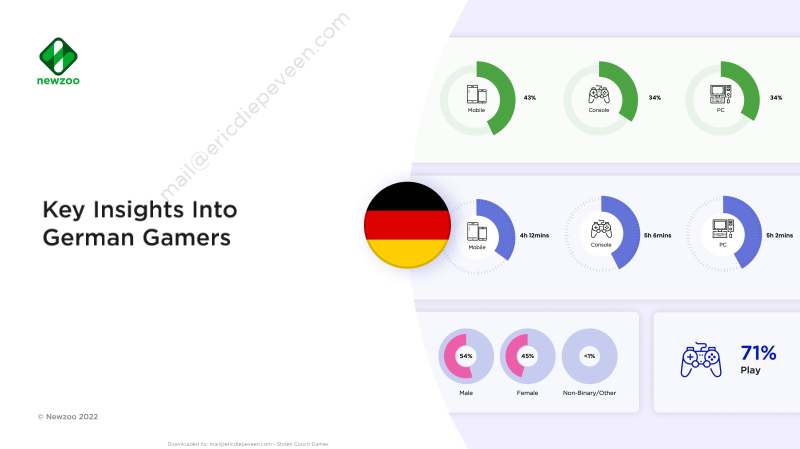
Newzoo · 2022

Ubisoft · 2026

Niko Partners · 2026
Bryter · 2026

Poki · 2026

Sensor Tower · 2026

Anzu · 2026
Newzoo · 2026
Aream & Co · 2026

Epyllion · 2026