ArticleGameDiscoverCo
Is the Latest Game Subscription 'Moral Panic' Justified?
17 Jan 2024~10 min full read
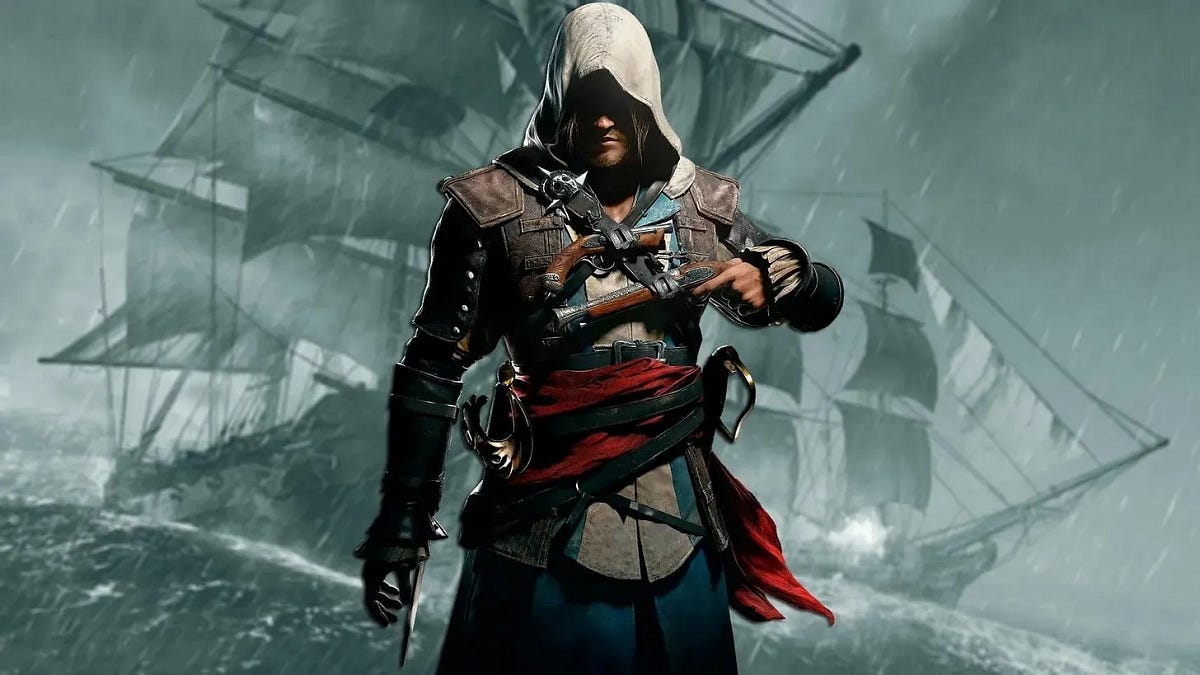
The rise of game subscription services has sparked a debate regarding the future of game ownership and creative independence. While executives from major publishers like Ubisoft suggest that consumers must become comfortable with not owning their games, others in the industry, such as Larian Studios’ Swen Vincke, warn that a dominant subscription model could stifle idealism. The concern is that platform gatekeepers might prioritize cost-benefit analyses over creative risks, potentially making it harder for high-quality, "pay-once" content to reach the market.
Market data from Circana suggests that fears of a total subscription takeover may be premature. Subscription spending currently accounts for only 10% of total video game content spending in the United States, and growth in the sector has largely flattened. Rather than cannibalizing traditional sales, these services often act as additive discovery tools, particularly for multiplayer titles seeking scale or first-party projects that require a "sinkhole" for development costs. The PC market remains especially resistant to this shift, as players there lack a historical precedent for monthly access fees and maintain a strong preference for permanent digital ownership via platforms like Steam.
The industry currently maintains a vibrant "direct-to-market" safety valve through three primary segments: deep Games-as-a-Service ecosystems, self-funded viral indie hits, and a core consumer base dedicated to building permanent catalogs. While subscriptions are disrupting the "mid-tier" market and influencing how large-scale titles are positioned, they are unlikely to become the dominant industry model in the near term. Instead, the market is evolving into a complex balance where subscriptions coexist with traditional retail and service-based models, though the pressure on large, single-purchase titles continues to mount.
GameDiscoverCo · 2026
GameDiscoverCo · 2026
GameDiscoverCo · 2026
GameDiscoverCo · 2026
GameDiscoverCo · 2026
GameDiscoverCo · 2026
GameDiscoverCo · 2026
GameDiscoverCo · 2026
GameDiscoverCo · 2026
GameDiscoverCo · 2026
GameDiscoverCo · 2026
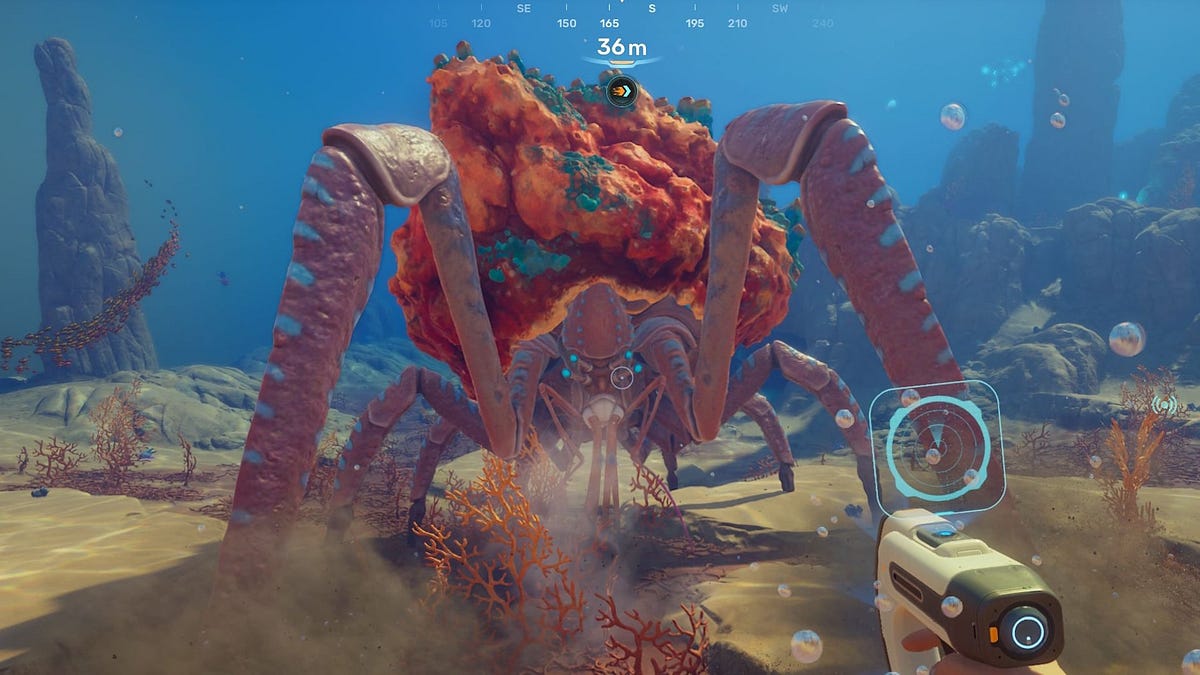
GameDiscoverCo · 2026

Newzoo · 2026
Paradox Interactive · 2024
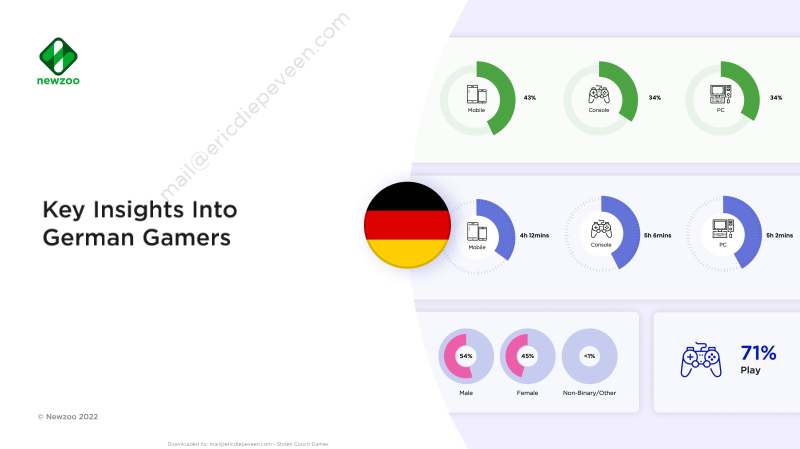
Newzoo · 2022
Ubisoft · 2026

Almedia · 2026

GameAnalytics · 2026
Gamesight · 2026

Sensor Tower · 2026

Sensor Tower · 2026

AppLovin · 2026

Sensor Tower · 2026
Modern Times Group · 2026