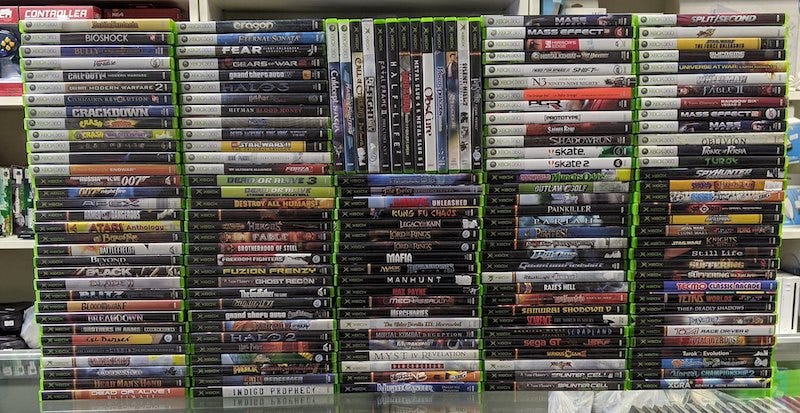
This analysis examines the phenomenon of "backloggery" in the PC gaming market, specifically quantifying the gap between game purchases and actual playtime. The primary thesis suggests that digital distribution, deep discounting, and subscription-like bundles have created a market where a significant portion of consumer libraries remains untouched. By comparing survey data with hard telemetry, the findings indicate that players often underestimate the size of their own unplayed backlogs.
Data from a survey of over 2,000 gamers by Ultra initially suggested that 24% of digital PC libraries have never been played. However, technical data pulled from hundreds of thousands of public Steam profiles via GamingAnalytics.info reveals a more pronounced trend: on average, 32.7% of games in a Steam library are unplayed, while the median player has not played 51.5% of their collection. This discrepancy is attributed to high-volume purchasing during seasonal sales and the "subscription-like" nature of bundles where users only engage with a fraction of the acquired content.
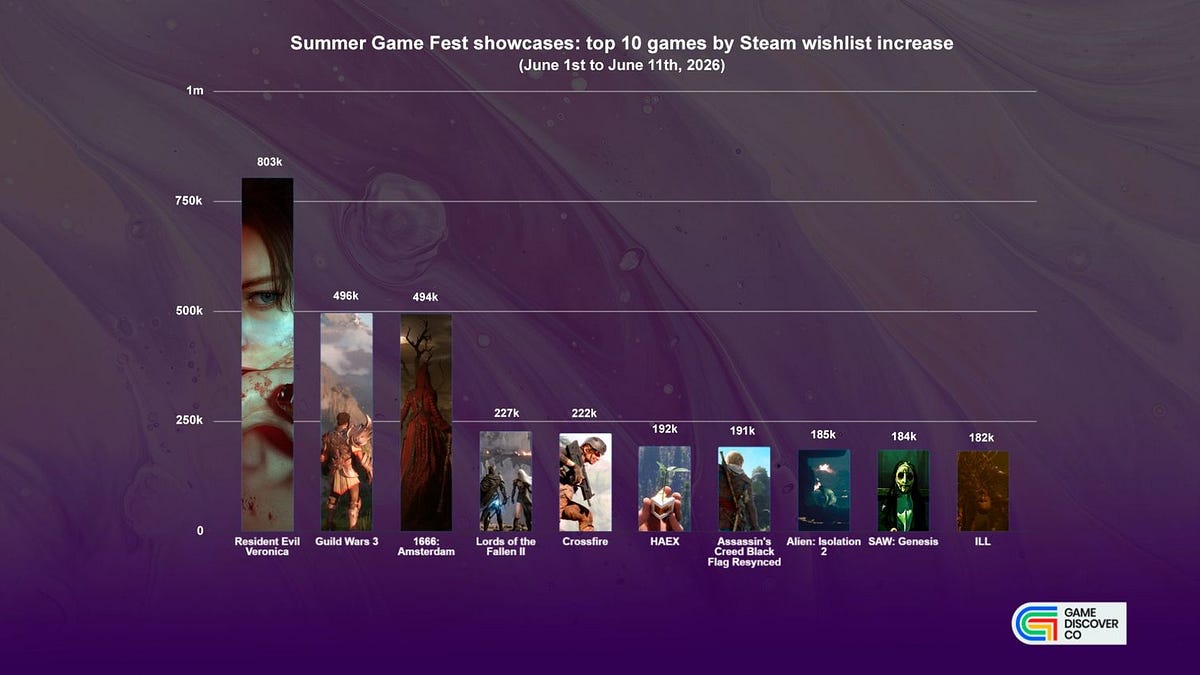
The scope of the research focuses on the global PC gaming market, specifically the Steam platform, during the early 2020s. The analysis also incorporates broader industry trends, noting that the market is becoming increasingly "top-heavy." Academic research from the UCL School of Management supports this, finding that as platforms mature, discovery becomes harder for new IP while "hit" games capture a larger share of the audience. Recent Steam data reinforces this conclusion, showing that while a few breakout original titles like Palworld achieve massive success, the vast majority of new releases struggle to reach significant revenue milestones compared to established sequels and franchises.
GameDiscoverCo · 2026
GameDiscoverCo · 2026
GameDiscoverCo · 2026

GameDiscoverCo · 2026

GameDiscoverCo · 2026
GameDiscoverCo · 2026
GameDiscoverCo · 2026

GameDiscoverCo · 2026
GameDiscoverCo · 2026
GameDiscoverCo · 2026
GameDiscoverCo · 2026
GameDiscoverCo · 2026

GameAnalytics · 2026
Newzoo · 2026
Newzoo · 2022
Ubisoft · 2026

Niko Partners · 2026
Bryter · 2026
Poki · 2026

Sensor Tower · 2026
Anzu · 2026
Newzoo · 2026
Aream & Co · 2026
Epyllion · 2026