This analysis examines the impact of localization on game discovery and revenue, primarily through a case study of the title Academia: School Simulator. The central thesis posits that while localization is not a guaranteed success, it serves as a vital long-term strategy for accessing global markets on platforms like Steam, where non-English speaking populations increasingly expect native language support. By analyzing six months of post-localization data, the study explores how developers can move beyond "gut feel" to use wishlist data and regional market trends to inform their translation investments.
The data reveals significant variance in return on investment across different regions. Thai localization emerged as the most successful experiment, yielding a 331% increase in revenue compared to the six months prior to the update. Conversely, languages like Turkish and Polish saw modest gains of 8%, while others, such as Italian and Brazilian Portuguese, initially showed revenue declines that narrowed over time. A critical finding highlights the importance of platform infrastructure; the Indonesian localization underperformed with a 34% decline, largely because Steam does not allow users to filter for "Bahasa Indonesia," rendering the localization invisible to the platform's discovery algorithm.
The scope of the analysis extends to broader industry trends in 2021, including the diminishing utility of Metacritic for "Games as a Service" (GaaS) and sandbox titles. It notes that many top-selling games now thrive with minimal critical reviews, creating a disconnect between traditional industry prestige and actual commercial success. Methodologically, the report relies on Steam back-end sales data, wishlist tracking, and market observations from GameDiscoverCo and Squeaky Wheel. It concludes that localization is most effective when implemented at launch to leverage Steam’s initial visibility boost, though post-launch efforts can still stabilize and grow a game's long-tail revenue.
GameDiscoverCo · 2026

GameDiscoverCo · 2026
GameDiscoverCo · 2026

GameDiscoverCo · 2026

GameDiscoverCo · 2026
GameDiscoverCo · 2026
GameDiscoverCo · 2026

GameDiscoverCo · 2026
GameDiscoverCo · 2026
GameDiscoverCo · 2026
GameDiscoverCo · 2026
GameDiscoverCo · 2026

Almedia · 2026
Niko Partners · 2026
Gamesight · 2026

Sensor Tower · 2026

Sensor Tower · 2026

AppLovin · 2026

Sensor Tower · 2026

Mintegral · 2026

Sensor Tower · 2026
Newzoo · 2026

Modern Times Group · 2026
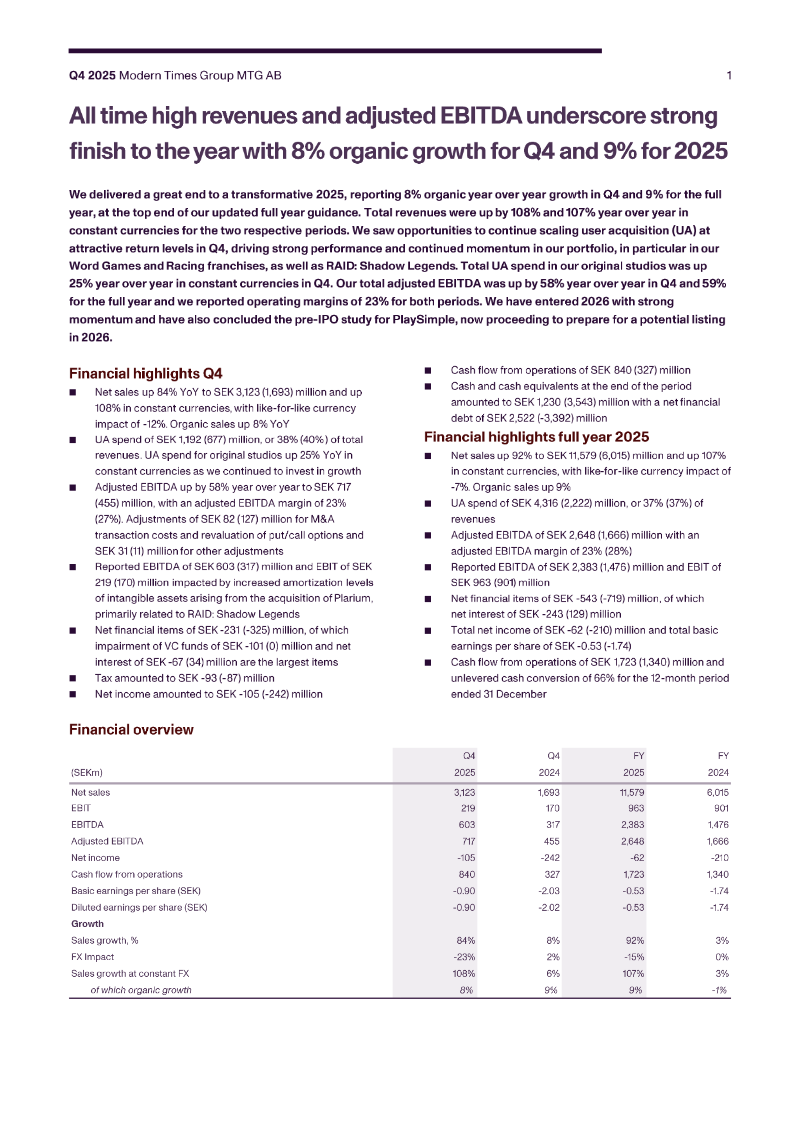
Modern Times Group · 2026