1 free read left. Create a free account for unlimited reading + AI research.
Create free accountWhitepaper Ludic Language Pedagogy
1 free read left. Create a free account for unlimited reading + AI research.
Create free accountWhitepaperLudic Language Pedagogy
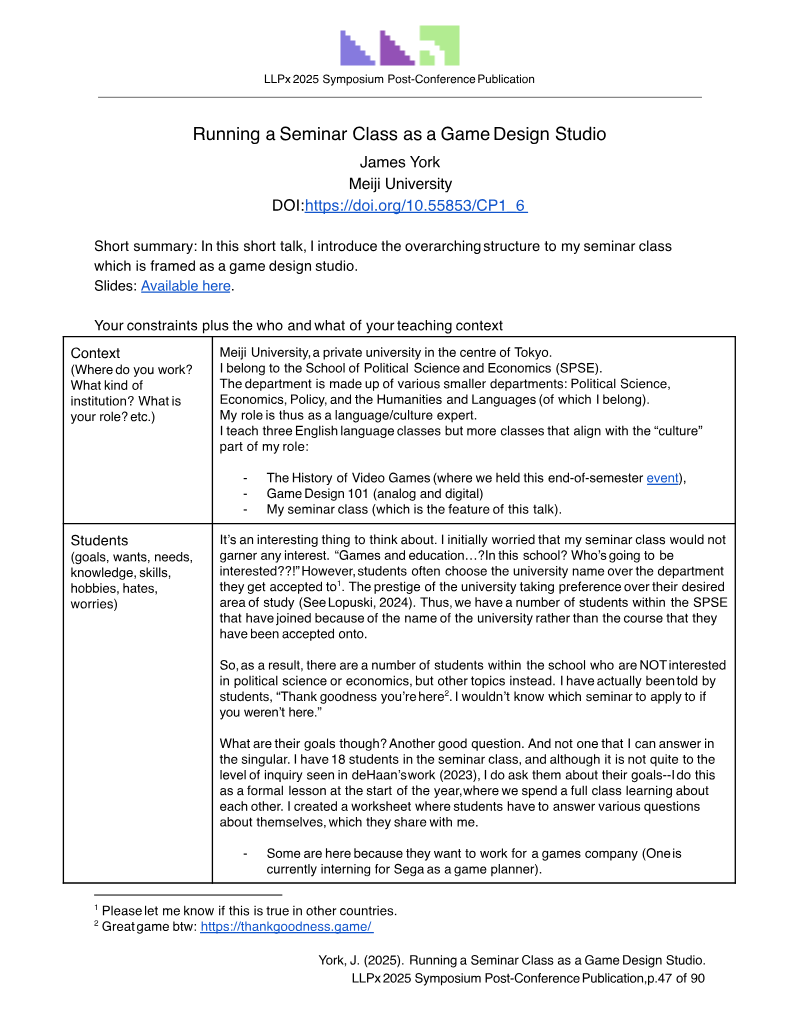
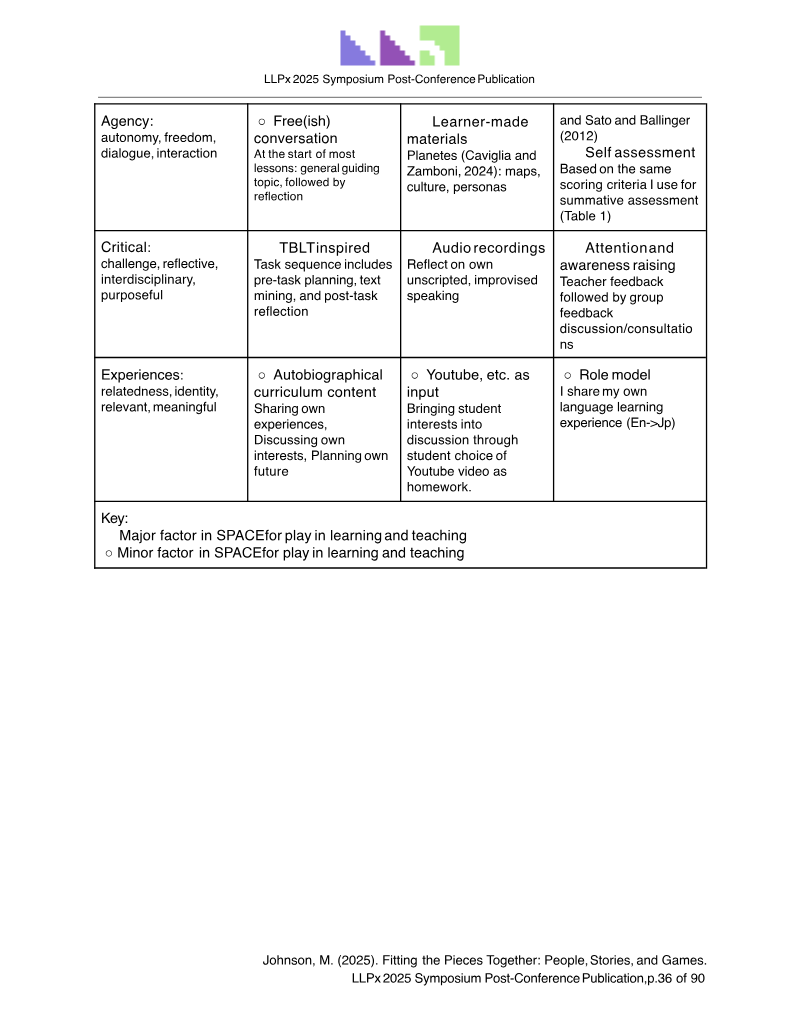
The Game Terakoya curriculum establishes a pedagogical framework for university-level language instruction by integrating board game mechanics with structured academic analysis. By utilizing titles such as Diplomacy and Concentration, the program aims to bridge the gap between immersive gameplay and formal intellectual inquiry. The primary thesis posits that when students engage in guided debriefing, collaborative project-based learning, and iterative research, they can effectively translate game experiences into sophisticated linguistic and social analysis. This approach shifts the classroom dynamic from passive consumption to active participation, fostering both critical thinking and creative output.
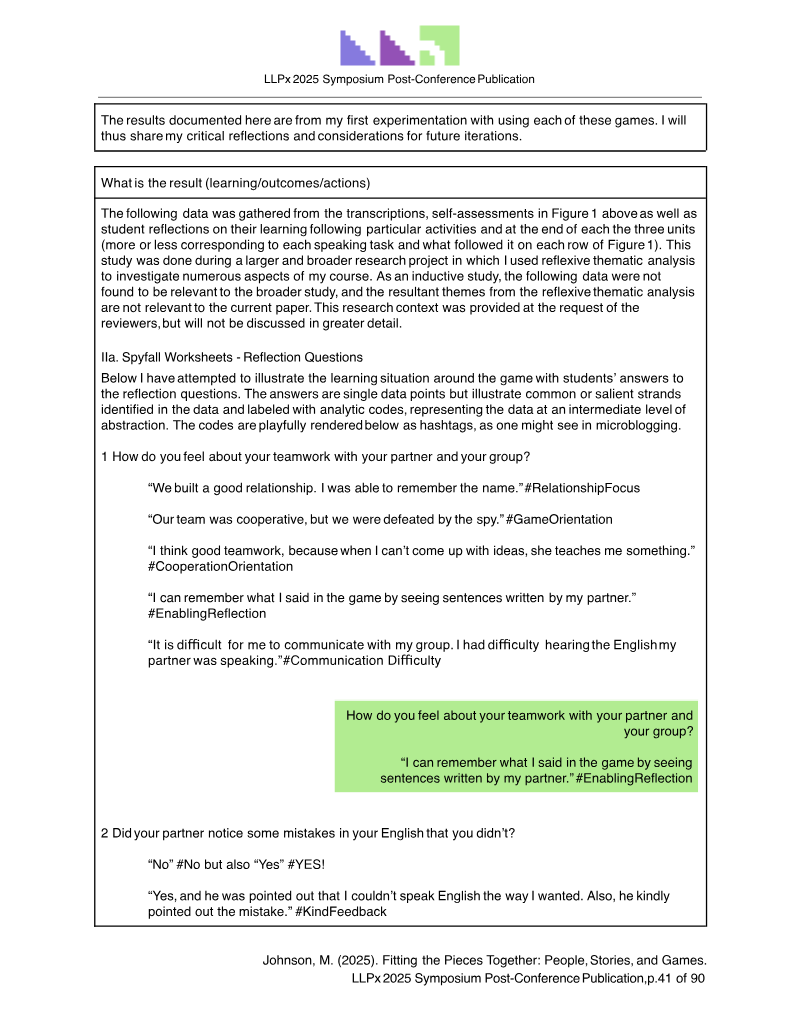
The curriculum demonstrates that student engagement remains consistently high when gameplay is paired with rigorous scaffolding, such as structured worksheets and clear grading rubrics. Participants successfully conducted comparative analyses between game mechanics and historical contexts, produced strategy guides, and developed game modifications. However, the findings indicate that students often struggle to provide sufficient evidence for their arguments, necessitating consistent teacher mediation. Furthermore, the workload associated with these projects requires careful management to ensure that academic depth is not sacrificed for creative breadth.
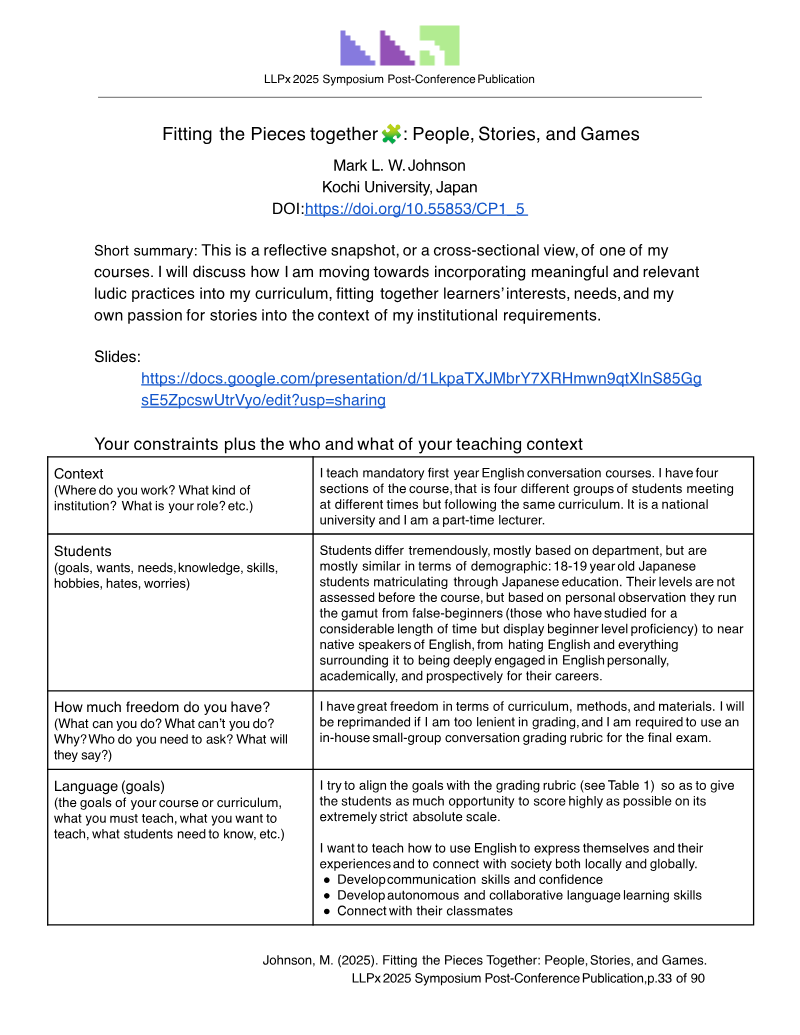
Geographically situated within a university setting, this pedagogical model emphasizes the importance of small group dynamics and digital collaboration tools to facilitate effective learning. The study concludes that the success of game-based instruction relies on a delicate balance between providing goal-oriented guidance and allowing for student autonomy. Future iterations of this curriculum prioritize formative feedback loops and refined group structures to enhance the quality of student-produced work. Ultimately, the integration of game-based learning serves as a viable method for promoting active, participatory education, provided that instructors remain deeply involved in the transition from play to academic reflection.
Ludic Language Pedagogy · 2026
Ludic Language Pedagogy · 2026
Ludic Language Pedagogy · 2026
Ludic Language Pedagogy · 2026
Ludic Language Pedagogy · 2026
Ludic Language Pedagogy · 2026
Ludic Language Pedagogy · 2026
Ludic Language Pedagogy · 2026
Ludic Language Pedagogy · 2026
Ludic Language Pedagogy · 2026
Ludic Language Pedagogy · 2026



Ludic Language Pedagogy · 2026
Ludic Language Pedagogy · 2025