
The gaming industry is currently undergoing a significant transition in revenue models, moving away from traditional platform-controlled ecosystems toward direct-to-consumer monetization and ad-supported services. This shift is driven by the need to offset rising development and marketing costs while navigating regulatory challenges that have weakened the dominance of major platform holders. Gaming currently commands 13 percent of consumer time but receives only 4 percent of total advertising expenditure, signaling a substantial opportunity for publishers to integrate ad-based revenue streams.
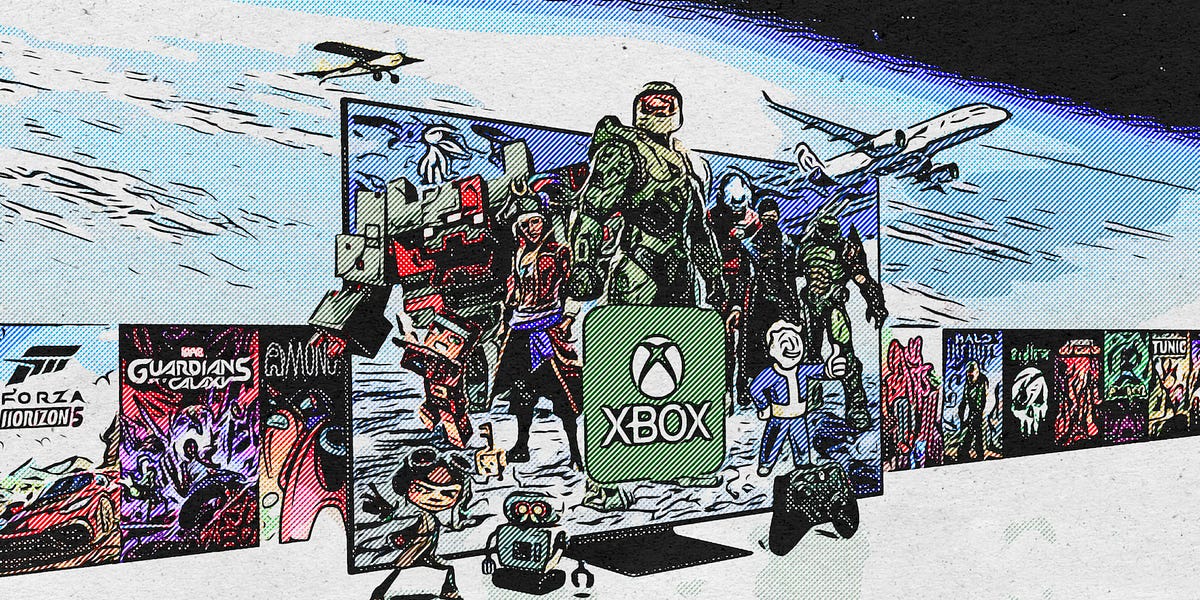
Microsoft’s Xbox Game Pass serves as a primary case study for this evolution. The service has struggled to achieve consistent, organic growth, with signups increasingly tied to high-visibility content releases rather than the inherent value of the subscription model. To address the structural imbalance where heavy users consume disproportionate resources, Microsoft has implemented a multi-tier pricing strategy, including a $30-per-month Ultimate tier. This segmentation aims to align pricing with actual usage patterns, effectively moving the service toward a more sustainable, profitability-focused business model.
Research indicates that this transition is necessary for long-term viability. Studies suggest that while a one-size-fits-all subscription can negatively impact consumer surplus, a multi-tier approach improves overall player value. Furthermore, empirical analysis of the U.S. console market shows that subscription services have not cannibalized traditional sales; instead, they have bolstered console revenue and improved the quality of the available software catalog. Consequently, Microsoft is de-emphasizing its console-centric strategy, pivoting toward a decentralized, data-infrastructure-led model that prioritizes accessibility across multiple hardware platforms. This shift represents a broader industry move to establish sustainable, recurring revenue streams that can compete with established entertainment sectors.

SuperJoost · 2026
SuperJoost · 2026

SuperJoost · 2026
SuperJoost · 2026

SuperJoost · 2026
SuperJoost · 2026
SuperJoost · 2026
SuperJoost · 2026

SuperJoost · 2026

SuperJoost · 2026
SuperJoost · 2026
SuperJoost · 2026
Xsolla · 2023

Almedia · 2026
Gamesight · 2026
Sensor Tower · 2026

Sensor Tower · 2026

AppLovin · 2026

Sensor Tower · 2026

Newzoo · 2026
Modern Times Group · 2026

InvestGame · 2026
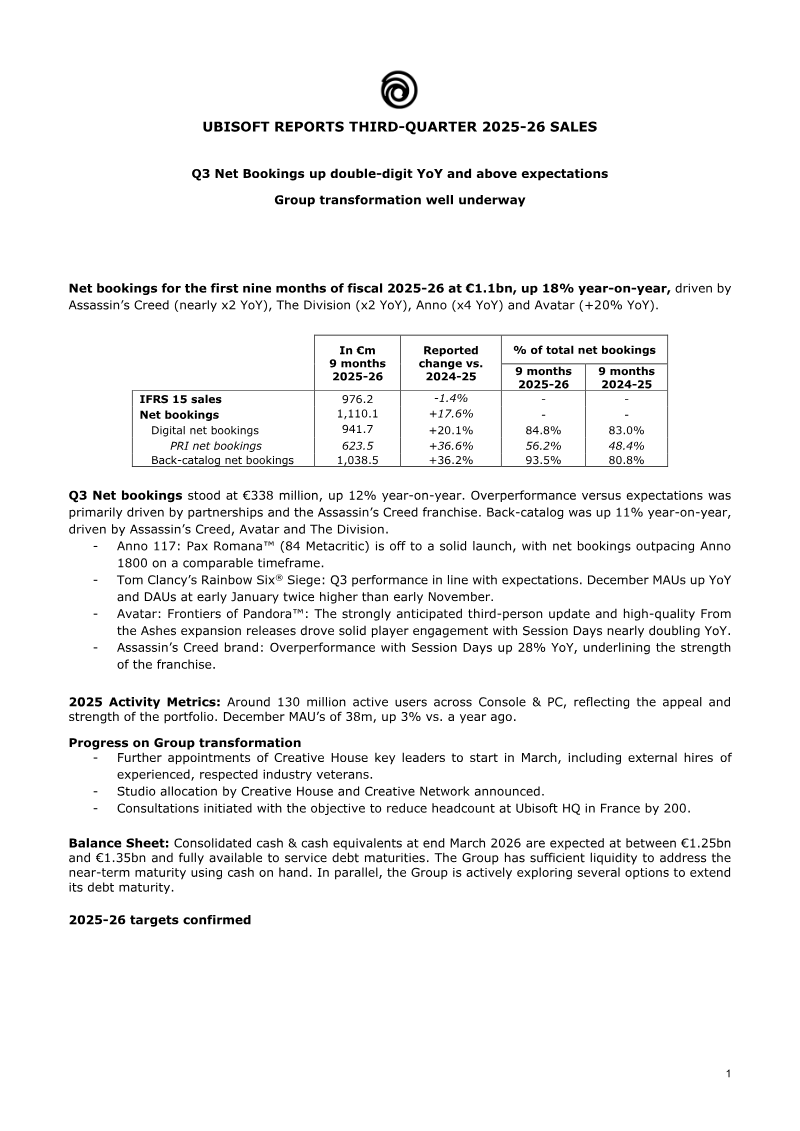
Ubisoft · 2026
AppMagic · 2026