ArticleGame Production Alchemist
Only 14 of 213 Producer Job Postings Are for Beginners
17 Aug 20261 pages~8 min full read
Key insights
5 slides
Key number
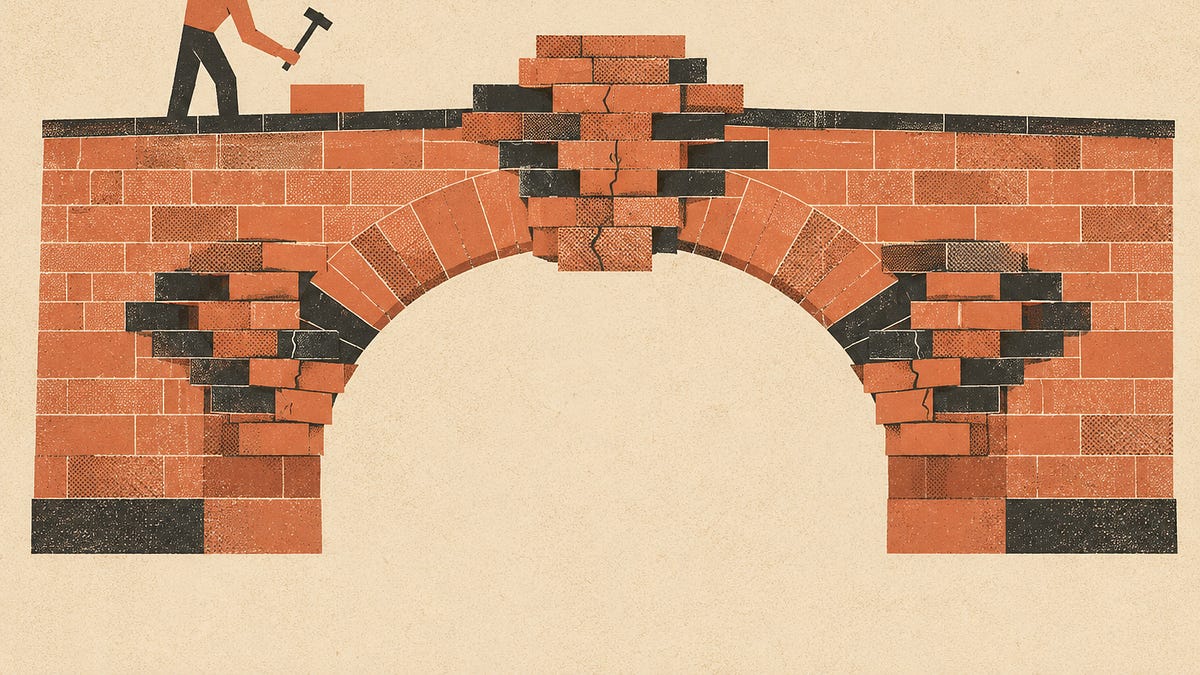
Entry-level producer roles are nearly absent from public job postings.
Only 14 out of 213 analyzed game producer job postings are for entry-level positions.
7%
Share of entry-level producer job postings.
- Entry-level postings
- 14
- Total postings analyzed
- 213
Not a quality issue
The lack of entry-level postings is not due to poor job description quality.
The average length of entry-level postings is comparable to senior roles. Both entry-level and senior roles average between 16 and 19 requirement bullets.
Career progression
The industry has a highly disciplined, linear career progression for producers.
Experience requirements increase by approximately 1.5 years for each seniority rung.
It's like climbing a ladder where each step is consistently 1.5 years of experience higher than the last.
1.5 years
Approximate increase in experience for each seniority rung.
- Associate level
- 3.4 years
- Executive level
- 12.1 years
Standardized roles
The industry has established a standardized hierarchy for producer titles.
This hierarchy remains stable across 14 different specialisms and various studio sizes.
Hidden pathways
Entry-level hiring for producers likely relies on internal channels.
The near-total absence of public entry-level postings suggests reliance on internal promotions, referrals, and internship pipelines.
It's like a members-only club where you need an introduction to get in, rather than buying a ticket at the door.
Internal Focus. The near-total absence of public entry-level postings suggests that hiring for these roles relies heavily on internal promotions, referrals, and internship pipelines rather than open market recruitment.
1 / 5
Ask AI about this report