ArticleGame Production Alchemist
Production 101: 8 Legal Documents Every Game Producer Should Know
7 Aug 20261 pages~15 min full read
Key insights
7 slides
Bridging the gap
Producers must master project scope, milestone payments, and change processes.
Producers are responsible for aligning creative ambitions with commercial obligations.
Key responsibility. Producers must bridge the gap between creative ambitions and commercial obligations by mastering the project's scope, milestone payment structures, and formal change request processes.
Payment structures
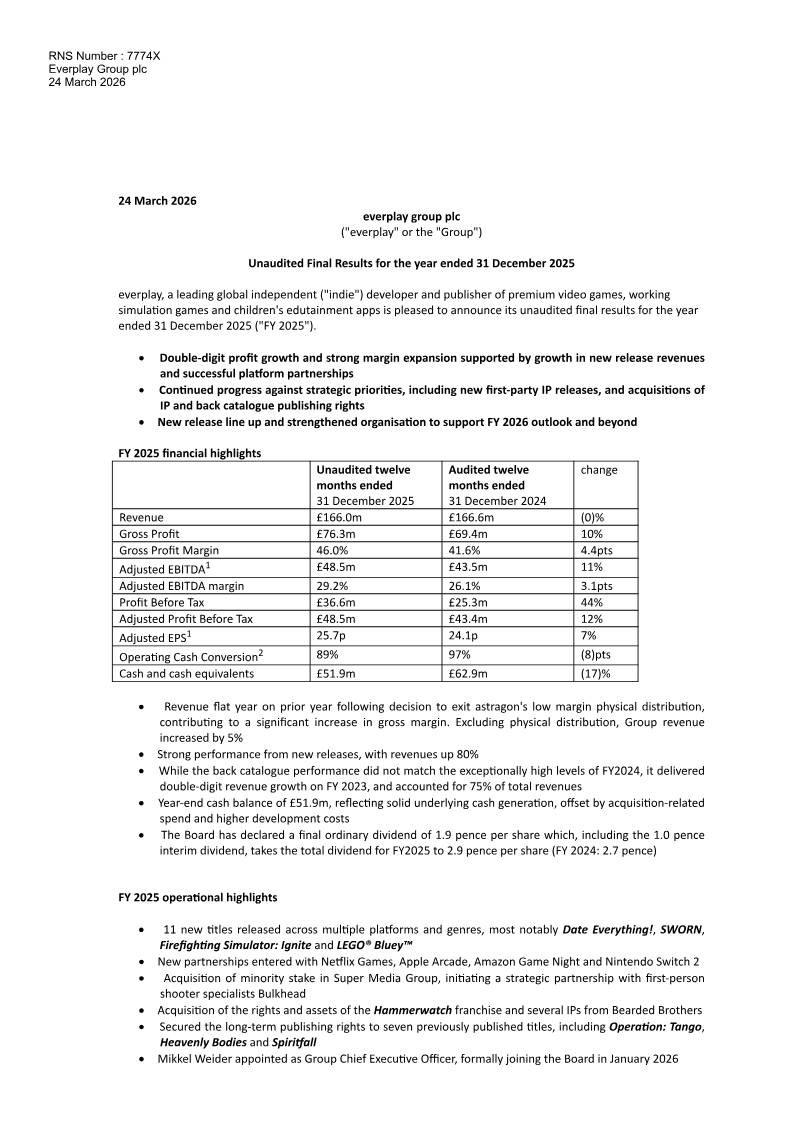
Fixed-price contracts require strict scope control to maintain margins.
Time-and-materials agreements necessitate transparent reporting of hours and costs.
Key agreements
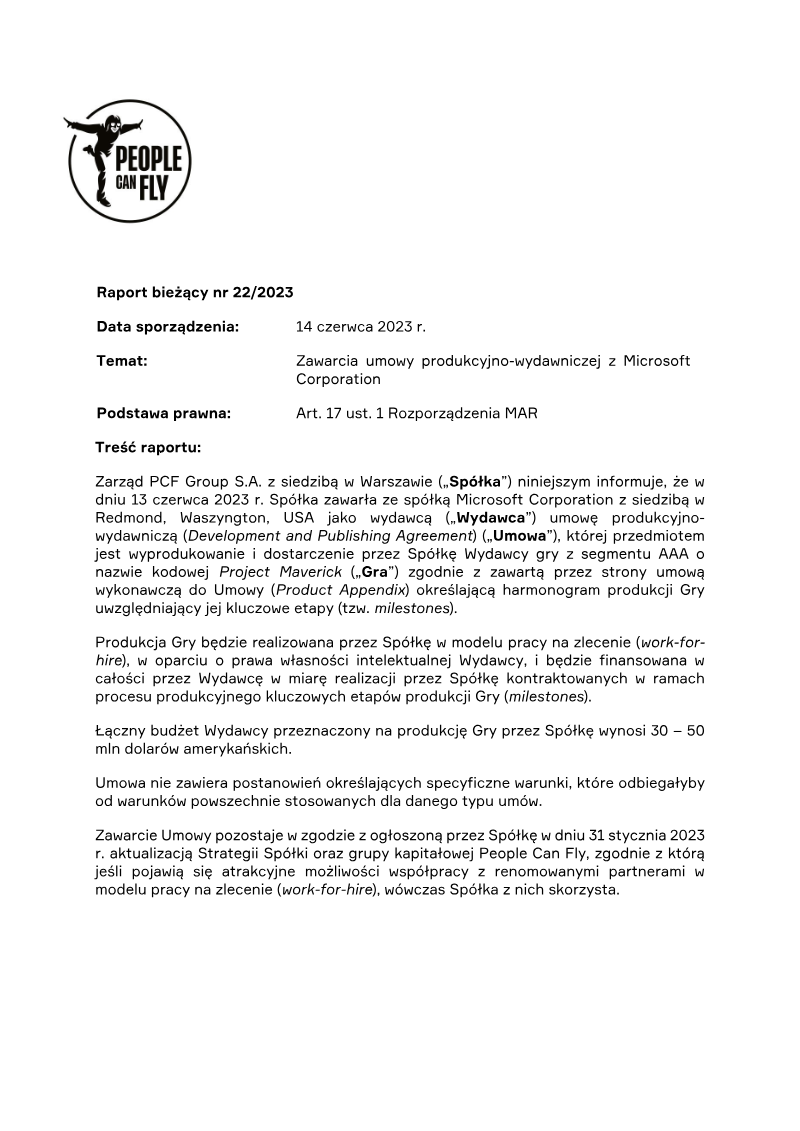
Work-for-hire agreements define project success through specific milestone acceptance criteria.
These criteria often require more than just a functional build to trigger payment. Producers must understand these specific requirements.
Publishing terms
Publishing agreements dictate revenue share, IP ownership, and milestone-based funding.
Producers must understand the specific delivery events that trigger cash flow.
IP licensing
Licensing agreements for third-party IP require accounting for scope-of-use restrictions.
External approval rights can impact production schedules.
Access to information
Producers should request redacted versions of contracts when full access is restricted.
These redacted versions should focus on scope, milestones, IP ownership, and termination terms.
Information access. When full contracts are restricted due to sensitive commercial data, producers should request redacted versions focusing on scope, milestones, IP ownership, and termination terms.
Long-term partnerships
Master agreements establish overarching terms for long-term partnerships.
Individual Statements of Work (SOWs) then define project-specific deliverables and timelines.
1 / 7
Ask AI about this report