VideoDeconstructor of Fun
FOMO Capital: Klang Games & The Power of Storytelling in Fundraising
17 Jun 202478 min video
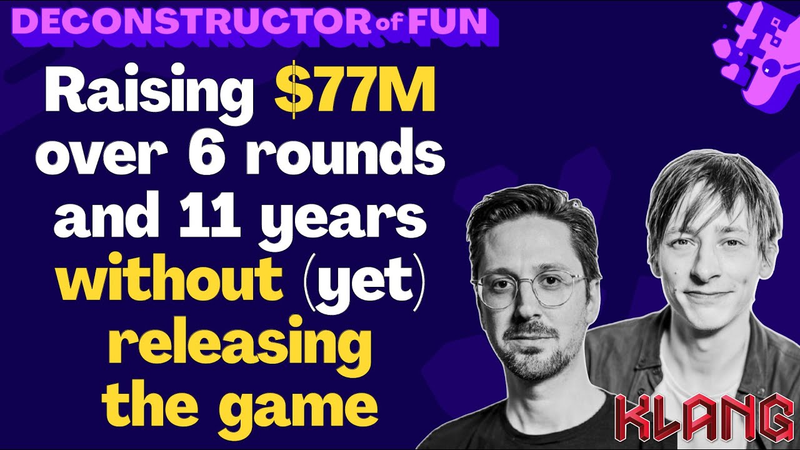
Hey folks, and welcome to the Deconstructor of Fun podcast. I'm your host, Mishka Katkoff, and in this episode I'm joined by the co-founders of Klang Games out of Berlin. Now, this is a very interesting company because over the last 11 years since 2013, Klang Games has raised $77 million through six funding rounds from reputable investors like Supercell, LVP, Northzone, Makers Fund, and you name it. What makes this really interesting is not only the fund raise or the uh the amount of rounds that they've done, but the fact that they haven't shipped the game they have been raising again. So, they don't have any scalable objective data to show that they're heading in the right direction. And despite all of this, despite the time, despite the amount of rounds, despite not being live, they're somehow able to raise consecutive rounds of tens of millions year after year. Now, fundraising, if you didn't know it, fundraising is unfair. No matter what
venture capital say, it is ultimately subjective. Founders' charisma plays a huge role. Storytelling is crucial, and without ability to sell, your ability to raise an outsized funding is nearly impossible. Now, in this episode, we got Klang co-founders talking about their journey thus far, and me really trying to figure out how are how the hell are they able to to get funded for their never-ending story. So, I want to say huge thanks for the for the co-founders, Mr. Mundi Vondi and Oddur Magnússon, for coming on the podcast. I wish their game nothing but the best when it eventually comes out. Uh and uh I want to give a trigger warning for all the founders that are struggling to raise funding despite doing every little thing the venture capitalists want them to do, answering all the requests, showing promising early KPIs. This is the type of podcast that made me
rate you because it talks about the power of storytelling and the power of dreaming big and the effect of that communication has on on venture capitalists. So, I hope you enjoy the podcast. I hope you learn something new. I know I did. And if you like this, subscribe to the podcast and get our newsletter because in our newsletter every week you'll hear all about all the all the latest podcast episodes and and the the write-ups you can find from our from our blog. So, newsletter sign up below in the subscription box. And I hope you enjoy this episode. This podcast is brought to you by AppsFlyer. In today's digital world, understanding your app's journey from discovery to download is more than just insightful. It's essential. Enter AppsFlyer, the leader in mobile attribution and marketing analytics that allows you to measure the full potential of your marketing efforts, making every
ad dollar work smarter. With AppsFlyer, that's your new reality. Dive deep into data-driven insights that reveal exactly where your users come from and how they interact with your app. AppsFlyer, where app's potential meets performance. Mounir and Arthur, welcome to the podcast. Hi. Hi. Thanks for having us. So, can Mounir can maybe you start by introducing yourself and like what have you done previous to Klang and what are you doing at Klang? Um yeah, so I come from a bit of a different background than the other two. Uh I used to um yeah, be kind of an artist and a fashion designer. I used to do films, short films. All of which um yeah, I did quite seriously for many years. I think, you know, up until starting Klang when I've just felt kind of burned out from having had my hands in way too many kind of different creative avenues. Um
And yeah, running a fashion brand all at the same time. Um So, gaming had had always been a fashion uh like a not not a fashion a a fascination and and um something that I always dreamed about doing. I I did a lot of kind of riddles and stuff like that in my youth and in my work as well. Um I worked actually on a riddle book now for almost 20 years and uh that is actually done with the other third co-founder, Einar, uh who is not with us here today. But so, I think you know, for me like games have always just been the kind of accumulation of all of these different creative fields where you know, you get the the movie magic and the audio and music and and design and and and you know, whatever else uh you can think of really combined into one kind of product and I think for most of my
career, I had been working on a lot of kind of really short-term um products and and the and they kind of like come and go as as as the wind. And um it just didn't feel like a you know, something that was really deeply meaningful and and like when you're in fashion, I think that can also start to really dawn on you that like the purpose and meaning behind what you're doing is just not So deep enough. So, do I understand correctly like before Klang, a game studio uh that you started 11 years ago, uh you didn't have any gaming experience? Yes. Okay. But That's a that's a that's a big step up. That's a big step up. Yeah, for sure. And I mean, but for many years before starting Klang, uh I got to know, of course, Oddur and Ivar and so we did a lot of talking through and you know, I did a lot of research into it. So, that was that was at least some mitigation to that. And in many ways, um
I wanted to bring a, you know, a fresh perspective towards the towards the industry and like use some of my experience in other creative fields maybe to to to inspire and and and be guided by that, but um of course, I think in many ways it was the naivety not just my naivety, but I think also the other founders as well of us just kind of wanting to build the ultimate game um and kind of heading into that a bit blindfolded and just saying, "We're going to We're going to do it." to Oddur, uh so 11 years ago when when you were starting this company, like what made you put a a fashion designer as a CEO? And you're So, what is your background and what led to this decision? I A sense of adventure. Definitely. I I I I think um so, before
that like my career since my since my 20s had been in kind of software engineering, building kind of large-scale back-end systems uh outside of gaming. And then I I joined CCP Games uh there and spent about eight years there. And that's where I got my taste of of gaming and a fascination of kind of online communities and virtual worlds and kind of being in the crosshairs of like really interesting software development and like this this emergence of of of virtual worlds that was happening there. It was a great breeding ground and from there I kind of wanted to take that trajectory even further. So, I worked a lot with Ivar, who is the co-founder who's not here. But, as a game designer, and that's how the three of us as Matt and started talking about what we what what could be a hypothetical, you know, next amazing chapter in in such an adventure, right? And what would be an amazing adventure? Uh
And yeah, and you kind of have like that 7 8-year itch somewhere, and you want to do something new. And we kind of just decided to say, um you know, [ __ ] it, and let's just let's just give it a go, you know? And let's, you know, let's relocate. We we were young and, you know, naive and stupid and and and, you know, that's how adventures get made, you know? They're a combination of of, you know, foolishness and bravery. And that's kind of was the beginning beginning of all of this, right? So, how can we make how can we create an amazing adventure? And it's been an amazing adventure, and it still continues to be. You put in a fashion designer as a CEO of a startup company that makes software that that is a crazy decision, but if we look at the stats, if we look at the stats of what the and really consider what what is a startup CEO have to do? And I think Monte, you'd you'd agree that the startup CEO's role is to raise money. And It's a big part of it. And and though it's it's a it's a crucial part of it because without money, there's no company. And Monte, you've been you've
been doing you've been doing excellent job. So, during the last 11 years, the first round was in 2015 maybe, or did you raise something in 2013? We we, you know, of course, we started with money from my grandfather actually, who was the first money in, and then he basically kind of helped us get just our our kind of presence here in Berlin set up, and and, you know, carried out the three of us for like I think the first, yeah, year or two almost. Um And then, yeah, we did Yeah, we were basically running out of that money, and we it's barely managed to raise from a German lawyer couple here that I met at dinner in in some gallery here in Berlin. And um Uh they gave us kind of Yeah, I think it was 200,000 and that kind of carried us for another year. Um and during that time we had already like kind of started um very luckily the the first person we actually pitched to was
David Helgason who's the was then the CEO of of Unity. I remember me and Ottar going there um on like a snowy night. I think it was the night before Christmas. No, it was it was It was the 1st of January and everybody was the Everybody was incredibly in the state that people are in on on 1st of January. So it was a It was not the most kind of enthusiastic pitch that we have given. And he of course turned us down. Um but I had I was good friends with his um brothers. Actually, his one of his brother was in the fashion industry and and that's how, you know, I begged him for an intro. And uh he was running He was the other Icelandic kind of fashion designer. Of course he was. He's now gone into uh biotech actually and we meet now in tech conferences just like, how did this happen? Um but um Uh his other brother Ari actually became
friends with uh David Gardner who is uh one of the partners at London Venture Partners and me and Ari also used to uh be friends here from Iceland and go out together and we're the same age and um so he asked me one day if I would be interested in intro to LVP. And that was actually the fund that at the time was kind of, you know, very early in being a you know, be gaming focused only uh on gaming and gaming ecosystem fund and something that you know we had dreamt about getting an intro to and uh you know we we finally got the meeting and I think we may have performed one of the worst pitches in history to them it was so embarrassing that I like I will talk about it sometimes in in private and people are just like laughing Why not why not there's only there's
only three of us here you can you can tell us Well it it it includes a person that you know ended up suing us and and like so it it it's a bit of a I don't know if it's a public can be in the public domain but I'll tell you it private at the bar someday Okay mental note Um but that didn't really get us a funding from LP they they that just kind of gave them a whiff of like who we were and they they kind of looked at us with squinted eyes for like a year until we had landed a publishing deal with with Tilting Point uh that carried us again just propelling us between from paycheck to paycheck and then they decided to come in following that as as reruns uh our first game that we were working on then to kind of prove that we could get a game from A to Z like out the door
pub like launched with comes with a lot of like caveats that we had no no idea about um going into this Yeah so see see it was see this is not our first project we made a project before where we kind of you know got it you know dipped our toes into the into this madness so to say and that was a great learning experience Step into the future of game monetization with Xsolla Xsolla empowers developers and publishers to market, sell, connect, and optimize their games globally. From payment solution to a full suite of tools designed to grow your games revenue while fostering a loyal player base. Xsolla is your games gateway to worldwide success. With Xsolla, the world is your playground. Visit xsolla.com today and find all the solutions that will help you to power your games into success everywhere. Yeah, I mean um and we actually got got it like featured and everything by the
Apple App Store. We got almost 700 uh thousand users in the first weeks. Um I think in the first week. And like um by all means, you know, and and I think it had some of the underbelly of like, you know, some of the mobile hits at the time. Like it's your it was highly social. It was very like uh network and competitive. Um and during the time like the mobile network was still a bit iffy, so we had come up with this whole asynchronous platformer uh uh technique that like allowed us to to basically record and stream other runners fighting against you during matches. And it was completely without lag and and so I think, you know, it it kind of sparked the interest finally of of MVP, especially after Otter who uh was sent to GDC um without any any budget at all, without budget for a taxi. He had to stay on a couch at a friend's house and and like walk on the side of the road to to the Zynga office where he
pitched to the VP of Zynga and like and he just saw the game and he sent an email to David Gardner finally um saying that um you know, Rerunners was was the, you know, greatest thing ever and and like and David Gardner said, "Well, I've never seen such a positive email uh from him before, so we're in." Um and that carried us uh through the launch of Rerunners. Um you know, the Rerunners launch was pretty successful by all means, but it came at, you know, I think the week after Mario Run came out, which was the biggest like Nintendo coming to mobile. And I think it was also the summer of like Clash Royale launching, which was another just major um so I did did feel we got heavily kind of overshadowed uh by those uh mega launches and uh we we also just hadn't really been focused on monetization, so our monetization was just not going to cover our burn. Um and yeah, we just
kind of basically were were now on a train like heading off the cliff's edge and um we had to scale down the studio and just like go back to our basics and and really think again like how do we how do we now go back into survival mode here? Um and uh um I think we, you know, we knew why we had come together. We had come together to build Seed and we we thought we we just got to give it a shot now and try to um raise on the back of that because that is truly what, you know, people actually get excited about about uh cuz that had this vision that was such a moon shot and I think for for VCs finding those types of moon shots is is hard. Um so I think that was that's really been, I think, the rocket fuel for us in in terms of fund raising. But it was not without bumps in the road. So let me let me go through Yeah. Sorry about that. I'm just going to summarize a little bit. So, 2013 you start the
company with your grandfather's money. Then you meet a lawyer at the bar when you're running money is running out. The lawyer gives you another 200K. And then um then eventually you get out with a publishing deal with Tilting Point for um Rerunners. And then that game comes out, Does likes it, and you get the investment from LVP after the game ships, right? Um and then um that game doesn't do too well. And that's that's 2013 to 2013. Now, over this time, what I'm talking about your funding is because Klang has raised 77 million in six funding rounds. That's a lot for one runner game uh that kind of died after launch. The I don't know how you want to spin it in any ways, but this is this is amazing that you've been able to raise so much money, and I'm very curious of like not perhaps the early stages because what you're describing is exactly what everybody goes through. The the difficulties of bootstrapping,
uh the paycheck to paycheck, the not paying yourself, the the living on the couches because you don't have a budget. That's a uh fortunately or unfortunately the difficult phases of of of any company. What most companies don't go through is raise tens of millions of dollars and not shipping anything in between, and not even having a prior success to to lean on and saying like, "Look, we did this. That's why we can do something bigger." So, talk to me how you're able to pitch to companies like Supercell, Northzone, Makers Fund, like all of that companies, but but um investors like that uh to give you these subsequent rounds, especially when I when I think about your cap table. It must be uh challenging if not scary after after six rounds already with lawyer with German lawyers and grandfathers. Okay. So, Well, my grandfather I actually did actually in the in our series A, I think. Oh, he he's a So, he's the only one who's made like millions of Klangs.
Okay. So, Uh so, he's a happy man. So, he's a he's he's testament to everything to you, so that's understandable. So, he So, so grandfather has a positive ROI from Klang, but um but like The only one so far. but like what in between? So you you kind of you put this game out, it dies. 2016, it dies. All right, fine. It's a runner game, it was published by Tilting Point. Forget about that. Now you put in like Like what are you like what everybody's trying to listen to and like what is he saying, doing, and acting? Like how do you pitch like like Mounir and like to to come in and then what are the magic words because you're saying you're a horrible at pitching. You get lost foods when you really try to Like like talk to me about that. I'm interested in the $20 raises in the in in $40 that you've raised afterwards. Like those type of rounds. And I And I I think I I wanted to bring up that example just to exactly give light to that, you know, we didn't just
kind of fall into the the pot of gold or anything like that. We did drag ourselves through the same [ __ ] everybody else has to drag that through. So if you're out there and you're dragging yourself through the [ __ ] there is a light potentially at the end of the tunnel. Not like that. Not like this. I mean there there was like a like a moment where we decide we had we had to decide what to do, right? Are we going to continue? Are we going to go chasing? Are we going to go chase this this dream and make a real big, you know, run run at it after after we sunset our first game and and and we didn't want all of that to be for nothing. We had done that. We had kind of built up a little, you know, crew and a studio. We had built up a some some, you know, network. We had built up some experience and like hey, let's just go at it. And and I think like it's it's a it's a lot of money over a lot of rounds and I think you can read something into that because it's not it's not like we did one big
fundraise. So and we've been working on it for a long time and we started prototyping and raising on back on on the back of actually building stuff. Mhm. Uh actually showing things, having having tests uh that actually prove they can kind of, you know, going from there. But, Mundi can elaborate more kind of on like the the individual rounds, but the overarching thing was like we built and we raised, we built and we raised, then we raised. Mhm. Yeah, yeah. Well, it's it's always been a step of like, you know, de-risking a bit more, um showing that we can actually like I think the pits is so wildly uh ambitious that like um I think the execution materialized as the main risk factor, I think. And so uh as as as we've been able to prove out some of the core tech uh that is capable of delivering pieces of the ultimate seed vision, which is uh you know, to be clear like the most detailed simulation
of of humanity ever attempted um or human society. And uh or I don't know if it's There's probably been a attempt, but like uh yeah, as a game we we just came closer and closer, and then I think uh people started to realize that, you know, we were in many just in many ways always at the right time uh at the right place. And like as the industry has evolved and as the kind of eye of Sauron of of the games industry moves around like kind of hype and and the hype cycles, uh we've of course just been very much at the center of of a lot of those discussions. And I think it it has so many, you know, things that come from uh just the early vision uh we were right about or like at least right uh about being the future of like games. And we still believe that
today, and we are still on a mission to prove that. Um and so I think that is is credit, I think, a lot to just EVE Online having, you know, really been a a you know, groundbreaking product in in so many ways when it comes to kind of larger-scale communities working together in these, you know, incredibly vast networks. Um That is just something that I think that experience from both EVE and that has been absolutely invaluable next to my, uh, you know, very creative salesmanship skills, uh, in in backing that vision. And Yeah, so so going from like also the first prototype round with with actually David Helgason, uh, did turn come around, and he did invest in that first prototype round. And not just him, but we got Joey Ito and and Reid Hoffman to do the the kind of the prototype
funding. And they were, of course, uh, huge names and still are today. And um That's thanks to Lawrence Lessig, who I who I met in Iceland, another lawyer, uh, but a but a just an absolutely legendary one. Uh, he is, of course, famous for for, you know, being, uh, one of the founders of the Creative Commons and and you know, wrote uh, Law of the Code and many books that, uh, predicted a lot of the kind of privacy issues we're seeing today. Uh, and it's just been an absolute, uh, godsend, uh, and and a dear friend of ours, of course, uh, having having now worked with us deeply in in integrating political systems and and and such designs into Seed, which, uh, are now finally starting to see the light of day. And and just keep on surprising us what the players are are doing with them. What do you mean about play which players? Like the game is not live. Right? Well, we are running play tests, secret
play tests with hundreds of people building societies together. And we're just you know, just starting to reveal some of that as we speak and we'll be revealing more of that this summer. So, you're kind of actually one of the first uh press engagements we're Press? I thought what? Our podcast PR like public Yeah. Whatever you want to call it. I guess I guess that's I'll take it. I'll take it. Yeah, we're we're talking about things in in public. We've been quite secretive about what we've we have done. Yeah. This podcast is brought to you by data.ai. Now, you're asking didn't they get acquired by Sensor Tower? They did and that's awesome. Here's why. Whether you loved using data.ai or Sensor Tower, the combined company will offer customers even stronger and more detailed insights on the full digital customer journey. Exciting times lie ahead as Sensor Tower data.ai join forces. Go to data.ai or sensortower.com
and get on board with undeniably the best data partner in the business. Now, back to the episode. I guess I guess there's also something right? We've always had an incredibly ambitious vision, right? We had this this this thing which after a lot of contemplation of like hey, what are games going to be in like you know, 15 years, you know, 15 30 years. And obviously that was just unfeasible to execute on what that was, right? Having these, you know, virtual worlds, multiplayer games, you know, community driven, people are living their lives online. A lot of those things were there and and and you know, people just told us, you know, that's absolutely impossible, right? You you cannot run like an AI driven game like this at at scale, but like a lot of the things that we held believed at that time and still believe, actually, you
know, came came true, right? People moving their identities and lives more online. Yes, there was a distorted version of that prophecy with the metaverses. Like, no, we did not move into metaverses, but we still live a big part of our lives online, whether it's social networks and um or any other kind of like virtual worlds, they can take many forms. So, a lot of those things that we actually believed to be true as a part of this this grand vision that we had. Like, as as time has moved on, we've actually moved closer and closer to that, and that just kind of just reinforced the belief that we are on to something with that. Uh alongside the fact that we've been building more and more things to actually prove it out as as well. So, I think like the combination of like a grand vision and then a strategy and the world moving along with it. Can you Can you give an example of of this? So, so you guys go and you pitch something, and then how do you show that you're able to do even fraction of what you're pitching? Like, what is that type
of a when you you talk about like you say something and you do something where you show you can go to that direction? Yeah, I mean, we've we've built multiple prototypes along the way, both technical and game design prototypes along the way where we actually take some hypothesis, and and we we kind of prove it out by building by building that out, you know, and showing it to the people in like this is the thing. It's not the final thing, but it is a like a whiff of the thing that's that's about to come. For example, uh running How do you How do you create a world where you have a lot of creatures that exist in that world, and they exist there copersistently? Like, that's kind of one of the core elements of it. Like, how do you build technology that's going to do that? 10 years ago, uh just like the the compute cost of of that was was unfeasible, but we realized okay, compute is going to go down. Like these things are going to become easier easier, so we can actually build build with that trajectory in mind. Uh, that's like one of the one of the
cases. I mean, we have built multiple gameplay um prototypes as well. Uh, we we've we've we've taken the game in different directions, of course. Like it's a creative process, right? We we've had to figure it out. I'm not saying that the grand vision just turned out to be true like some grand prophecy, but it has been like the North Star, right? And we we've had we've lost sight of that North Star and we've had to recalibrate ourselves back onto that North Star along the way, right? It's been a really squiggly line. It's not uh uh along the way. Well, I have a question regarding that. So, when as you go in and you you say you have this methodical approach where you clearly clearly it is successful because when I look at the funding rounds, the latest one was in 2022 and that was 40 million. And before that, it was 20 million. So, before that, it was nine. And before that, it was five. So, so and and you know, how many of those investors have been follow-on investors? Like like just asking in in the sense of a question like do they all follow on? Because I see the
uh you know, the lists here. I I think it's I mean, just to talk about the process a bit um in relation to that, I think, you know, after we had the um you know, successfully done the the prototype funding that was about 900k uh with with the three like Joi Ito, Reid Hoffman, and and David Helgason. Um you know, we were all of a sudden in a much better position. And we had already started working with the company called Improbable at the time. Um and you know, we were really putting trying to put uh actually listen just listen to your previous episode about back-end tech and we had the same um we had the same aspiration there that, you know, let's let's be really good at focusing on the gameplay and let's um, use a back-end service to to work with and and integrate deeply into the product. Somebody who, you know, has the funding for that and they they certainly um, you know, raised a even bigger round
than we had ever. Yeah. yeah, let's not even talk about that. That's another That's a podcast on itself. Yeah, I mean, but what they did, I think they did um, what they did is that they raised awareness around the ability of like back-end tech um, in games being on the precipice. Like that there were there was there are solutions there that can drastically scale up uh, the experience of what we have today and um, and I think in many ways for us that has always been the uh, silver lining. It's like how do you make a game? You know, how do you make the multi-million player playground? You know, how does that look? How does that work? You know, because most games and MMOs, if you think about World of Warcraft, has kind of a theme park set up. Uh, but if everybody goes into the same theme park, you know, you'll have a million people in the in every line to every ride. And so
so it's really, you know, it had to be user-generated content that would kind of fill the world because as as we all know, like just procedurally generating like an endless uh, horizon uh, doesn't really uh, give you anything. But deep, meaningful, player-created content has just is just always the um, the kind of holy grail uh, of of game design. And we've seen games like Minecraft, um, Roblox and and even and Eve as well, uh, you know, really built on top of that type of of of philosophy. And so for us it was really looking at those games and thinking, "What if, you know, you can have user-generated content plus, um, you know, this crazy scale?" And, you know, if we look at user-generated content in, you know, games like Minecraft who have sometimes run servers 4,000 players plus, um, it still has this hollowness to it, right? And like the the the towns, uh, or whatever the players build in in these metaverse products ends up being
like kind of these this sculpture garden in a in a wasteland where nobody lives or is. And you wander around these these endless empty hollow streets and and houses, right? And that was exactly the opposite of what you might expect from like a social network. And why social networks, we believe, have had this explosive growth is really because of the vibrancy and this incon- like there is no difference in whether you are on or offline, right? So, you have, um, you have this persistence and then everybody's there. And this was what simulation really unlocked for us. And that's what everybody understood. I think everybody got like, "Okay, that's true. And that's incredible if you could do that. But, you know, you would have to run, you know, tens of thousands of AI-simulated characters that are as smart as The Sims, uh, or even smarter cuz they need to navigate across town and they going to have a, you know, coffee on the way and have, you know, do small talk with a barista. And like the the we're doing it
at at that level of detail. And of course, would mean that every house would be furnished and you could open every fridge and find what's inside, uh, and see how old old it is, right? Like the level of detail is is at that at what is at that attempt, right? Because if you have a thousand people building a town together, of course, you can expect that level of detail. And the the content that the players bring to the table is just, um, always much deeper than than even the the the game developer could ever do because they also bring themselves into it as a part of the content. I'm no longer just dealing with an NPC, I'm dealing with a real human. And that is really so much deeper and so much more meaningful. And so, you know, but running this AI I I think, you know, running the Sims AI getting that, you know, to run at scale took many years and and and a lot of iterations. And And also like we need we had to rethink the whole vision over and over again. Or like, what's the approach that we can take here to to get to a place where,
you know, hundreds of people can, you know, be collaborating together building a building a city. And And of course, like politics and, you know, economy and business management and all kinds of things have to play a part in that for that to emerge. Um and and of course, it's very exciting to see that's just starting to happen now. But, you know, it was you know, every step of this uh path towards getting there has been, you know, just show me that you can do a little bit of it. And then like we could do uh the next round, right? And so, when we had proven out the prototype running on the Improbable back end, they had just raised like 500 million. Uh we were like one of the main projects on the platform. And Herman Narula goes and has a TED Talk and says, you know, my favorite project over here is is Seed. And so, it was it was, you know, again like the right you know, the the industry was kind of getting really hyped about that. So, when we see so looking, you know, where do I deploy my my funding, of course,
you know, games that uh had this type of potential uh became And this was really at the beginning of all of the metaverse hype cycle, right? People were starting to realize like we are now maybe hitting a phase where all of a sudden, you know, these types of very connected games uh are feasibly uh much easier, more scalable, and I can run, uh uh, much more cost-efficiently. And the the cloud services are, you know, consistently competing and driving the price down. And and so the the opportunity space just kind of kept on opening up there, leading to, of course, you know, Facebook turning its uh, name to Meta and like, um, peak And all of this cryptocurrencies. You got Animoca investing into you as well because you're building on you're most likely came in and said, "Hey, we can do currency inside of this. It's going to be a metaverse with its own currency."
So Meta So Animoca Well, I I I was very careful to Yeah, I mean, I was very careful to not, um, you know, just, you know, I I want to very much differentiate us. I I I did a lot of just work to differentiate us from these metaverse projects because, uh, they are so hollow, in fact, and they were they were doing everything wrong. They were doing everything that we had designed around. Uh, you know, the that everything that is a part of our philosophy, uh, and why those projects don't work is like, that's the cool thing what we are doing. And like, so it was obvious, uh, that yeah, that Facebook Horizon was But you've gotten your current investors to do follow-on rounds. So they've continued to invest with each round. Yeah, because I think, um, as, you know, both as we have managed to prove out more and more of our core tech and be able to I you know, I cried when Otter finally managed to simulate like
the first like our Otter and Reiner, like who's who was, uh, the only, I think, was the oldest employees from all the way back when we were doing reruns, uh, uh, to together with Otter's brother, actually, who's our audio director. Um, but uh, Reiner, finally, we managed to simulate 150 characters on screen where we had been struggling because for longest time just the way that like the utility based AI that you'll find in The Sims which we were of course heavily inspired by uh just doesn't really scale. It's just a really uh diff- difficult because it kind of like every character pings the environment and looks at every detail. Every plant will say, "I need watering." Every fridge will tell you what it has inside and can offer what services to you. A bed can tells you it can offer you 10 points in sleeping and uh and so the the characters have to do all these mad calculations and and kind of comparing all of those actions. What is the best thing to do for me right now? And every second they're they're
running these calculations. And so um at the beginning they scan the entire world always getting every object to ping back. And so just getting and that's how The Sims work because that's why it's like in a house. And I think um you know, the The Sims 3 did a lot of interesting stuff with kind of like simulation lotting, but we can't get away with any of that because every character is a part of a player player's family. And so we are we consistently simulate them 24/7 at you know, at a huge world map where they can walk across the terrain. And um so when I saw the the first time like 150 characters without the whole thing coming down crashing was a was a moment I shed some tears, I think even. And uh uh And of course, you know, fast forward to when we were raising the 40 million round, that was really on the back of that was during the metaverse year and we had we we had a prototype or video
showing uh you know, 50,000 of these characters uh simulated in a in a small town. And like crowds like that have just not been in games before. Uh we're still of course, you know, uh far from like having that in our live project uh like that type of scale, but like just that glimpse with a game mode that makes sense for the scale most importantly like as as most game modes don't get necessarily better with additional users and so that is this this this kind of diminishing return on scale that you'll find in any you know typical multiplayer game like Fortnite is not going to like the match is not going to become better with a thousand players fighting against you right? That's just going to be more hectic and chaotic and more fun. But Munted like this is not how the world normally works in in for for a company. So if you ask any other company they're struggling they're trying to show whatever KPIs they can find to show
traction to warrant the next round to be in the market to showcase that they can actually do it. There are some companies that are have such a reliable founders from big companies and so many shipped games that they can perhaps even go to series A which is the round where you raise the larger round you raised 9 million I believe in series A no five. I know nine. I think that yeah nine yeah the series A was yeah. That can happen to some of the founders that have just a really you know solid backgrounds they shown that they're moving forwards, but most of the companies needs very very good metrics at that point. But you've gone all the way to round C with with investments and and I would kind of like analyze this in a way that you have such an absurd vision somebody that nobody else is is even talking about that it really stands out and I think it's really important for a lot of founders to
understand because most of the pitches that you'd see as an investor are boring as [ __ ] Like people are are just unable like most of the founders which is just a fact. I was one of them. Unable to see big things. And if you ask them like, can you imagine something big? They're like, well, if I merge this genre to that genre. It's like, okay, back to the line. Like most people don't have that sort of a insanity. They don't have it because because they're constrained by the fact that they know how to build games. And they've done that before. Yeah, yeah, yeah. That's a huge part. Yeah. you come in with like out out of the woodwork, just a cool guy with a cool story with a chunk of change from a grandfather in Berlin with an Icelandic accent. And you're able to to to continuously pitch. And then I understand that. It's it's it's very different. Uh you have very cool investors like Hoffman. Is that a Reed Hoff LinkedIn or like right?
Yeah. Yeah. LinkedIn founder. Like those type of characters that you put in your cap table and somehow by just being so different, you're able to succeed. And this is not a knock on you in any way. This is actually a I'm I'm giving a compliment. And I just want people listening to this who are mad at you because how the [ __ ] can Monty just walk around, not know and just talk mad [ __ ] and raise tens of millions when these guys are from the same town, uh breaking their ass to to raise even a couple of million on existing projects that are, you know, good. Yeah, I know. I I I see that. And I and I do think that in in a lot of ways um like you're right. Like that a lot of these pitches are very constrained with the mindset of like games and what they're good at and what they can reliably uh count on being a good business. And I think, you know, we went into this with greater aspiration of like simulating humanity. And um you
know, I had this purpose behind everything that had guided us and made, I think, uh our our, you know, our case a lot more exciting and attractive. It could be something more than a game. And uh and again, like I I think that's what VCs are looking for. They are not looking for the for moonshots. Moonshots, exactly. And they're they're far and few between and um you know, I think everybody realized that there was some magic to to Eve and and and if like 99% of people wouldn't drop out before they finish the tutorial in Eve, like that would be a really big game. Like a much, much bigger game. And so moving that needle is just a very convincing case. Uh if you can do it. And so I think as we were able to then slowly prove out that we we could do it and we are doing it, uh you know, VCs just got more and more comfortable with with giving us bigger and bigger change as as this would
um potentially just be a new genre. Um and we would dominate it if if we if we could pull it off. Are you building still on Improbable? No. Um no. Oh, that was a short-lived marriage. Is Improbable building Improbable? That's another question. They are building Yeah, they are building something else, but they Yeah, I got to let you talk about this other, but um you know, we learned a lot during all our you know, say what you will about them, but they were I [ __ ] moonshot as well. And so we were moonshot built on top of a moonshot in many ways. Yes. Um and we've had to we we've been on a bleeding edge of of kind of what is possible in the realm of computer game backends now for forever. And uh yeah, I guess Audrey, you can maybe describe it a little bit, like the problem of that and Yeah, I mean, we we partnered with Improbable quite quite early on both in our story and in their story. And uh
had a great relationship with them uh I and we built our prototypes on top of them and they allowed us to build the prototypes. We would probably would not have built them if we had to like build all of the the the magic that they brought to the table. But, there is a moment where uh you you have to go bespoke. Uh and also, you know, you you don't want to be building a moonshot on top of a moonshot. And, you know, we just reached that moment and so, you know, then we kind of took things in-house and kind of found found ways to to work with that, but we we're not building on the Spatial OS product anymore. That That's Improbable product. Um I encourage everybody to listen actually to your uh the the the back-end jungle episode. Uh it it actually outlines this quite well, right? Because in in that the the they outline the case of when you need to go in-house, right? It's when you're building a game, you know, like an MMORPG. Yeah. Where you have all the game logic server-side. And that's like our game is the ultimate of that, right? It runs
fully server-side. It runs 24/7. So, uh there was just a moment where like that argument held so true for us that we needed to take things in-house to take it to the to the next step. And and so And yeah, go Can can we move like forward to talk about a little bit of game development? So, so yeah, so you raised all of this and and as of late like uh what's her uh you have a new co-CEO, Henrique? Isabelle. Isabelle. Isabelle Henrique. Yeah. Isabelle. joined. So, Yeah. So, clearly like at some point it seems like she joins as COO and co-CEO. There's some some uh some questions of of your uh ability to deliver on this lofty dream because it has been taking for such a long time. So, they're putting in more operational people uh and and not only uh dreamers and visionaries, uh which is also a a really important. I'm not saying this in in any condescending way. I'm saying that those are vital for any type of a startup. Um Oh, absolutely. And I And I mean, she's
absolutely revolutionized our our production and like uh so, she's brought in exactly what you say, like Professionalism. The a lot of professionalism. And I And I do think in many ways though, it was also the right time uh for somebody like her to step in as I think we had to be um in that very uncomfortable pivoting search uh up until that point. I think when she joins, we had kind of just realized that, you know, the first version of Seed was a much more s- survival-focused uh approach because we thought, you know, if the conditions are basically to survive, so people just have to build more and more complex systems as they try to scale up their communities. And while that I think still remains true, like going from like a Rim- RimWorld almost setup to like SimCity, uh you know, that that path in between um requires just such incredible player
uh discipline. They need to They would have to you know, we were doing tests back then with 30 play people and just to have that run proficiently required um you know, militaristic discipline in terms of like who's going to take care of the farming at what hours of the day, like who How can we have, you know, the medical bay working constantly around the clock? And And it was a fun uh fun thing, but it was just so hardcore and we realized we'd kind of just fallen into um what we always swore not to, which was, you know, we're making the MMOs the MMO genre more accessible. And like, I think every gamer wants to be an MMO player somewhere in their heart, but they just don't have the time to spend 4 hours a day to be so involved in it. Um and so uh I think that's when we, you know that was one of the hardest decisions we ever had to make was like let's move away from the survival genre for now. We can
get back there maybe later but how do we get to the city the big crowds the the the main core of the vision the scale and everything from the get-go and like have a city and have you start in something that is more relatable to you as a person like relatability has been in you know the kind of one of the pillars pillars and uh nobody relates to actually survival in the woods like you actually relate to getting a job and and furnishing your first little flat and going on a date in a in a restaurant like And talk talking about like game development and having like a such a big vision right? I think we can now kind of share the story. We had we have a big vision and and as aspiration as a society simulator it's not a game right? We talk about it being a virtual world. We don't know what to call it. We called it many things ourselves. And then we start developing it. And because if you have something that's so aspirational and you're building towards it you can sometimes lose sight of what you're
building and maybe lose confidence in what you're building and then you start making compromises on that thing. And we and before we know it we had just been on a slippery slope of kind of like these compromises and I remember one moment when we sat down and we were like what the [ __ ] there's a there's like a game over screen and a high score in our society simulator. That was actually what we didn't plan on building but we built it because that was what we felt needed it felt it we felt it needed more of these things at the time to kind of grab to give us some kind of certainty of what you know what this thing was building and and that was a a watershed moment for us when we were like no we we we have a vision here that's not this and we actually need to take you know a step back and realign ourselves with that vision. And we did that. Uh, that was before Isabel joined. So, she joined kind of right after that moment. Yeah, see how this really like and see Yeah, cuz we had basically always been showing off like these three core loops.
That was the kind of the also how the users were supposed to be broken into these three different categories. So, we have the kind of the Sims caretaker-like player uh that likes to do those types of things like just dating and furnishing the flat and designing their house and and you know, focused on career path for their individual seedlings. Um, and then we have the entrepreneur kind of loop which is you're building a business. It's uh it has some kind of inspiration from like deeper simulation games. Um, um, like uh whatever like Prison Architect even or or Theme Hospital or some of those types of simulation games that have a business element involved in it. But, the characters from the family loop would be the customers and the clients and the you know, officers and the employees of those businesses, right? And so, we're going to basically try to build these two core loops that that varies complement very much each other because on the one hand the business players are
going to create the restaurants and the hospitals and and the stage in which the family drama relationship act takes place inside of and and the entrepreneur players are going to do that to a higher quality than a developer would do it, right? And so, you know, merging these two things was was the key. And then like we were looking at basically having a government layer that would then help regulate and expand the society. But, what Isabel saw there was, you know, what if we break the entire company into those types of pillars? So, we have we then went into an exercise where we basically structured the whole company around like the caretaking, you know, loop uh was one team. And then there was the business and and kind of entrepreneurial team uh on the other side and then the government team um and uh I think actually in the end the government team and the business team merged and I mean it it hasn't been as clean, but like, you know, taking that type of approach where, you know, the the company was really structured around
this one product uh was something that I think I always thought was a pretty cool uh initiative when she joined, but also just, you know, she's brought in amazing people and just been um you know, helped us really elevate the organization to to the level, you know, that we need to be now towards, you know, heading for for, you know, finishing this thing, getting it out the door. And and when did she join at the uh at the 20 20 or 40 million round 20 million round, right? 2019? Um she joined um basically as as we are closing the 40 million round. So, she actually joined joined a bit before the the official close happened um which was the summer of 22, I want to say. And and how did you find her? Was that did did did it come through investors or like how were you able to basically talk somebody into who's rational uh game developer We had been looking for I mean I you know, we had been looking for somebody
like her for yeah, since almost at least for the last like 6 years. I mean, we had gone through some people that just we didn't really uh align with or or find the right uh kind of tone with and uh we I had interviewed, I don't know how many hundred candidates at the end um but yeah, it was something uh I felt as soon as I met her which was this, you know, profound understanding of the vision. She was kind of struggling a little bit inside Maxis at the time trying to add more multiplayer to The Sims and so she was having a lot of fights, I think, with uh the executives there and and like um I think all stuff that they're building today, but like see see I think they had the same kind of potential as what Seed offered, and so once she saw that, she was like, "Here Here we go." And she moved from the US to Berlin? No, she was in Madrid then uh
uh at Maxis there um Maxis in Madrid? Oh, it's EA. Yeah. Yeah. EA uh That it was the kind of the live ops, I think, team or something like that for Maxis was there. Um but then yeah, she she she came and joined us, and uh yeah, I mean, just immediately started kicking ass, really, and uh Okay. been great, and and yeah, that's that's been like the rest of the team? Like how how do you keep the team motivated and and chugging along? Because like you're asking people to spend 10 years on the development of a game that may or may never come out or may come out and just die this the next day. It's a it's a long time. It's a it's a huge chunk of somebody's career on on a very, very risky project. Like how do you keep motivated? I mean, we I think at every stage of the way we did not think it was going to be as as hard and long. So, I mean, in in many ways, the reality distortion that
you need to kind of keep active. It just feels like, you know, we we always feel really close to finishing and the release like at any given time interval. Um but yeah, sorry, Arthur, you you can probably shed some light on this. Yeah, but I also think like we're working on building something that's, you know, we plan on being meaningful in your career. And for if you want to work on something meaningful, it's going to take effort. And if you want to break new ground, it's going to take experimentation, and experimentation takes time. So, uh one of the things is that I keep coming back to is hey, if we want to do something that's going to leave a leave a mark and we're going to be able to look back on and be be proud of, it's going to take some amount of time. It's not going to be an 18-month, you know, uh production uh where we just like make a prototype, you know, okay, move it to production, you know, move it out uh and and move on to the next one.
So, it is like an R&D project. It is a moonshot project and they those just they do take time. Like, nobody nobody just walks into a thing like that. The story behind it is always a story of hey, this is this takes a lot of effort, this takes a lot of experimentation, this takes a lot of moments of hey, this thing that I'm trying out just didn't work out and we we have to take a step back. And taking a step back hurts, but it's a part of the overall journey. And Yeah. So, I think that's how you keep working on the same thing because you know you don't want to make another thing that doesn't have any, you know, meaning or doesn't have any significance in the grand scheme of things. If you want to be, you know, an old person saying hey, yeah, I worked on that, it's going to take a long time. It's going to take effort and it's going to take courage. Yeah. Yeah, I and I think, you know, exactly like, you know, I was saying earlier, like I think I worked on so many cool small projects before I went into gaming and
they've all been forgotten and uh that just feels and they didn't really have any significant impact on anything really. And so, I I think what what Seed promises is like maybe something that isn't just a game, but actually something we could learn from. We will learn about society and corruption and some of the most difficult problems and existential problems we face as a species. And I think that guiding light um is really helpful when you when you go look at you know what you're working on day by day you know reminding oneself of that. But but it's a but but but Monday like it's it gets very difficult if you've been so long in development that this story carries on for the first year, two, three. At the year six when you coming in like hey, do you know what could happen? It's like dude, like what are you talking about? But then again, you're raising all these rounds so that that probably helps with it. I'm I'm
just I'm just very curious of this dynamic because in any other company like let's say you would be a normal like you'll be working at EA and you'll be making the next MOBA. You love MOBAs. This is the best MOBA that has been ever been done. It's such a cool twist on everything. But if you're seven years in and it's still not shipped that's not that's not an easy proposition. Yeah, I mean the concept also kept growing, right? Like we I think at the at the at the beginning we were you know trying to find like really simple kind of emergence hacks. Like how do we get the players to really just you throw them a bunch of Legos and they go and build this hugely dynamic crazy complex thing that blows our minds, right? That was kind of the initial approach and then as as we progressed we realized we needed more and more systems and more and more tools for them to to self-organize and to self-police and regulate them and um
And so I think it was also us you know along the way just even getting more and more excited by the possibilities and seeing it come to life every step of the way, you know, when we managed to kind of crack you know, some scaling tech or like see the AI come to life and start to working um like you know, those were magical moments that propelled us forward and I think, you know, on the back of those big um bigger kind of achievements, we we were able to fundraise and those moments also help, you know, really motivate us and and keep us going. Um and of course, you know, we spent and I spent a lot of time um you know, just doing motivational, you know, and uh and and and such talks inside the company to keep Yeah, to keep it all Yeah. and external selling. Yes, of course. And I think, you know, I I because I come from, you know, design and uh I was also doing graphic design and branding a lot before going into gaming.
I I I put a much bigger emphasis on, you know, things being uh of a certain quality and and high standards when it comes to those materials. And like you are not working at some boring accountants firm where you just see spreadsheets in all hands meetings, right? You're a part of the I think uh you know, internal Kumbaya and and war crying that you need to do should be visual and exciting and I have no shame in spending lots of time on on those types of material. And as if you will see one of my pitch decks I I please send me. I want to see the $40 million pitch deck. Yeah, exactly. You'll realize it's it's like I've also been just training that uh act for now, you know, close to a decade when I did that round and like reiterating and rehearsing the story and training it and training it on Oddvar and Ivar, who are my harshest judges, who have no filter when it comes to shooting me down. And that's the that
those are the hard people to pitch to. Like And by the time, you know, you've done it enough times and you've kind of uh like the this voice inside your head that I always recommend to the people that I've now try to help with their pitches is that you know, if your story isn't convincing enough that if you were the one holding the money or the checkbook and it was your own money that you wouldn't want to spend it on your own thing. Like you have to get there and then when you start to be that convinced, you start to be more and more convincing. Mhm. And so a part of this is that you know, when you walk into a room and you are you are so convinced your self of what you are selling uh that it really changes the dynamic. And then I go from, you know, which I think a lot of founders do is to be kind of asking, you know, which shows desperation and not just kind of telling and saying,
you know, if you get this, you know, you get to be along in this exciting journey. Yeah. And like it has to be that dynamic. It cannot be that you are uh you know, following up desperate and selling Sell to yourself first. Sell to your close ones get the message really clear. Not not just acting it, but believing in what you're saying. Uh that is that is really important. The the the fact that you said that many founders come in and kind of like are sheepishly almost asking for stuff. Uh and and changing their pitch, whatever whatever you say I will change. That's like VCs don't want to be your operators. You need to be the operator. They're investor. Yeah. And it needs to be you need to you need to not make up that belief, right? Because we're not making them that like that that needs to be people pick up on like this ingenuity uh in that as well, right? So like you need to have a vision that's just so strong that you believe in it so strongly yourself that other people
would come along for the ride. Yes. Uh and for that, you need that strong vision. You know [ __ ] I had a I had got in my mind. Um I lost it. I lost my question. Coming back to the point of also like working on a project for long. Like the magic moments are when when we do play sessions or play tests, you know. And when when we get surprised by what people do in the game. Like when we see the thing come alive because it's it's it's hard being on this kind of desert walk towards an oasis which is like, you know, give me some external validation. You know, that's the oasis that you're that's marching towards. But when you finally get to it, it is like a breath of fresh air into the team and it kind of reinvigorates everything. And then that's that's an important part for sure. The Now the question came back to me. So I I was once at a pitch of a very sort of a legendary not sort of a truly legendary game creator. And at that time the streak was not so
good already. Not quite a quite a many losses. Quite a many L's since the big hits of the early 2000s. And though the pitch was incredibly convincing and you're almost like this could be true. At that point we were kind of you know, as the person left and we were discussing the pitch, we were like, "Nah, it's not going to work. It's going to be just like the person's previous ones where it's the high selling idea but it has no tangible elements. Like it's not tied to what is reality of today at all. Like the monetization systems, the retention systems, socials, like all the basics are not there. It's only this magnificent idea and an absolutely stunning demo. How do you get over that? Because again, you've been working on this so long. Um I'm sure you're going to be able to raise another $60 million round. But at some point like these investors have to be thinking like, "Wait a minute. Like if this is not shipping right now, then it doesn't matter how
hard you believe in it." And whatever the you know, however Mundi is is good at at Mundi is good at pitching. It the the reality is going to overrule the vision. Are you kind of like afraid of that point or like is that driving you forward to to launch it because you have to raise another fund because you have to you have marketing. I I think we were certainly more afraid of it in the past because we we hadn't, you know, we were still struggling to get, you know, like I said, like 150 characters working and and like computer was way too expensive. Like there was you know, there was so much risk and then of course like the sleepless nights were like now that we see the game working with, you know, multiple hundred people and like we're starting to see the emergent you know, player created content come to life and it immediately starts to s- surprise us in all the right ways. Um I think it's clear that Seed will launch
and it will be of significance. You know, to what degree still remains to be seen. Will it be a glorious social experiment or the biggest game in the world? We don't know yet. Um But it will launch and I think we can all we will be looking back for the rest of our lives knowing that you know, this was you know, an incredible adventure and and and a piece of of content that the world will uh enjoy. Um I think uh you know, that that's the truly like fruits of the labor part that is starting now to grow inside us and so at least for myself, I'm a sleeping a lot sounder just knowing also how many great people like Isabel and all the other directors we've now brought in having those people at the helm just trusting that they're really doing a great job and um so I think some of the, you know
pieces of that question allude to this deep you know founder paranoia that you know should be hunting you for the most biggest part of the journey, but I I think it's fairly safe to say we are starting to see like past that paranoid state. Well, I definitely hope after after a decade you can't live in paranoia for such a long time. I think uh you know, to kind of summarize this this is a uh this is a very important conversations because um it's it's very easy to dismiss somebody's ability to create and talk about visions and sell their vision and then think bigger. Um a lot of and and that is truly what is required to get those big funding rounds. Like that was that it's it's it's crucial. As well as you being in most of the conferences, I see you everywhere. Uh you don't see me, I see you.
But uh you're you're everywhere. You're going to places. Um you're out there. You're you're pitching and and you're very diligent in your pitching work. Just like you said, you pitched to your co-founders, really try to get it in and and it's not just self-belief. It's it's it's a common uh vision building. Now, And actually like it goes so deep to even say I would even say that it helps us sometimes guide It's a line. and set the direction for the whole company. And as as yeah, as you go through the motion of like you know, what are we really about? You know, what is that that we're selling here? You every time you do that you iterate and you you get more uh yeah, aligned about where we're we're going as a business. Exactly. Exactly. And that way you're not pulling two different directions. All the founders know exactly what the company is about. Uh it's not a new direction that one team came out with. It's it's a direction that you guys came up with because you were pitching that together. So, the these are really valuable stages. And and uh I wanted to I wanted to just
you know, I I know I joke a lot. I don't I don't dismiss you're one of the best fundraisers in the business. Um Thank you. You know, so you have other weaknesses, but fundraising is not one of those. So let's be honest. So So it's really important to to learn from that and and and cuz people really want to look at others weaknesses like your operational weaknesses or your your inability or not being not having worked in games business before like they tend to look at the people's weaknesses rather than the strengths and you truly have unique strengths and that is that is why you've been able to raise 77 million dollars today. So um I think I'm like everybody I'm not going to even ask when this game ships. I think we're past that. Let's just Let's just hope that that it comes out we would ship anything? No, I'm not going to even ask when to play and then so forth. We'll We'll get it when we get it. Um but it's a It's actually like as far as like MMOs in development, it's not you know, it's not so abnormal like, you know, those
development lines for MMOs especially like very ambitious MMOs tend to be very very long. So I think Yeah. Uh you know, us trying to do an AI simulation MMO, uh you know, we we when we started we were five I think in the company, you know, and we've now grown beyond a hundred. So it's also been that like years we were we remained at five and then we added I think we added two employees the first year, right? So it's not just the journey of you know, having raised 77 like we still have the majority of our investment on our bank account to carry us through launch and and beyond that because we don't even want a kind of launch that is a you know, pump and and dump thing. We We want a stable steady launch into the deep future like you are doing funding. You will need to raise another fund in order to scale again. Like so you better be preparing that that pitch
deck real quick. that like yeah. I also think like just reflecting back on the story like you could see companies that would go off and make a big fund raise and then the then go blow it all on like a two-year production, you know? But they leave no room for iteration or discovery. So it's just like that one bet, right? Like that's this this one thing and we're going to blow all of the funding on that one shot shot at the goal. We've been taking shots at the goal. We've been taking like thousands of shots at the goal over this period over this period of time and that's why it's taking long because we've been you know mastering that that kick, you know? And so we've been using it for iteration and for discovery and making mistakes and learning from mistakes. So we've been using it wisely in in that sense instead of just saying like hey, I'm going to raise 100 million. I'm going to blow it in 18 months. Yeah, everybody gets paid hundreds of thousands. Yeah, we we see those companies. I think I I would even go further and say if in fact we were handed the 70
whatever million at the start, we would have absolutely [ __ ] it up for sure. Yeah. So you had you had to work for for every penny. Uh Absolutely and I think that's been the the healthy thing for us is the gradual growth in both scale uh you know, on the company and funding side as we kind of draw closer and go through the R&D phases which have to be with kind of small nimble teams, you know, if we would have started hiring too many people in those brittle times like that would have been an absolute disaster. It was still really hard that was a probably you know, those years were really hard but thank god we were you know, small during those phases and I and I always look when I look to in the other direction at products like you know that that meta or Amazon or building with much larger budgets. I also think like a lot of the mistakes that come from those types of products is that you know, putting the pedal to the metal
before you've really found your true like total addressable market and and yeah and or like yeah yeah exactly or just finding the right kind of core of the of the product that can scale like that just is so time-consuming and it takes so many iterations and you know, you can burn all the cash on it you want but you know, it doesn't mean it's going to go any faster and so the more complicated and more ambitious the product is of course the more cycles of iteration you have to go through to to kind of really hit that. um All right gentlemen, I think we've covered everything till date. I'm happy to discuss more when when the game comes out and and Mundi, I think you should Mundi you should consider that are doing master classes on pitching. Uh I think there's there's much more than than the than than you can uh say by just looking from afar. I think you've you've really mastered that that one and it's it's a very important skill to have in a startup life. So
um I want to thank you both really for for coming in and and having this little bit more real conversation than than any press agents you will will do with you. So uh Samantha Arthur best of luck for real and and very impressive work till date especially with the with the fundraising. I can't speak about game development because I haven't seen the game so I have to only say that I promise you it's it's even more impressive than the the It has to be it has to be with these with these with these funds. the But um And then I think it has always been this like a little bit like you know, who is this wacky Mundi and like why would I give him money and then he's like oh [ __ ] he actually has real people behind him doing awesome [ __ ] That's the moment I think. When the rubber hits the road. All right gentlemen, thank you so much for coming and people can find Clan Games link in the description and everywhere and connect with Mounir. He'll be at any event that you are at.
Not true. No, he will be because he's raising for he was raising for the scaling round. Always be raising. Yeah, you can't you can't you can't scale a game with like 20 million dollars these days. So welcome to the next hundred million dollar round. So on that note, thank you everybody for listening and I'll do it and Mounir, thank you so much for for being the guest. Ciao. Ciao ciao.
Auto-generated captions from YouTube — names and numbers may be misheard.
Klang Games demonstrates that securing substantial venture capital in the gaming industry often relies more on the power of a compelling, long-term vision than on immediate, scalable key performance indicators. By raising $77 million over 11 years without a flagship title, the studio illustrates how founders can leverage charisma and narrative-driven storytelling to attract high-profile investors. This approach highlights the subjective nature of early-stage funding, where the ability to articulate a "moonshot" project—in this case, a complex, AI-driven social simulation—serves as a primary driver for capital acquisition.
The studio’s strategy centers on de-risking ambitious technical goals through iterative development. Rather than pursuing a traditional "theme park" MMO, the team focused on building core technology capable of simulating 50,000 AI characters, effectively aligning their narrative with evolving industry trends. By treating the fundraising process as a tool for internal alignment and discovery, the leadership successfully scaled the organization from five employees to over a hundred. This methodical growth allowed the studio to maintain operational stability while navigating the extended research and development cycles required for such a high-concept virtual world.
Ultimately, the success of this model rests on the transition from survival-focused prototyping to a structured, pillar-based development framework. By bringing in experienced leadership to manage organizational restructuring and prioritizing lean growth during R&D, the studio avoided the common pitfalls of over-scaling before achieving product-market fit. This trajectory underscores a critical industry lesson: for projects of significant ambition, credibility is built through a combination of a proven team, a clear iterative development strategy, and the persistent communication of a transformative, long-term vision.

Deconstructor of Fun · 2026

Deconstructor of Fun · 2026

Deconstructor of Fun · 2026

Deconstructor of Fun · 2026

Deconstructor of Fun · 2026

Deconstructor of Fun · 2026

Deconstructor of Fun · 2026

Deconstructor of Fun · 2026

Deconstructor of Fun · 2026

Deconstructor of Fun · 2026

Deconstructor of Fun · 2026

Deconstructor of Fun · 2026

The Game Business · 2026

The Game Business · 2026

The Game Business · 2025

Deconstructor of Fun · 2025
Deconstructor of Fun · 2025
Deconstructor of Fun · 2025

Deconstructor of Fun · 2025
Deconstructor of Fun · 2025
AEVI · 2025
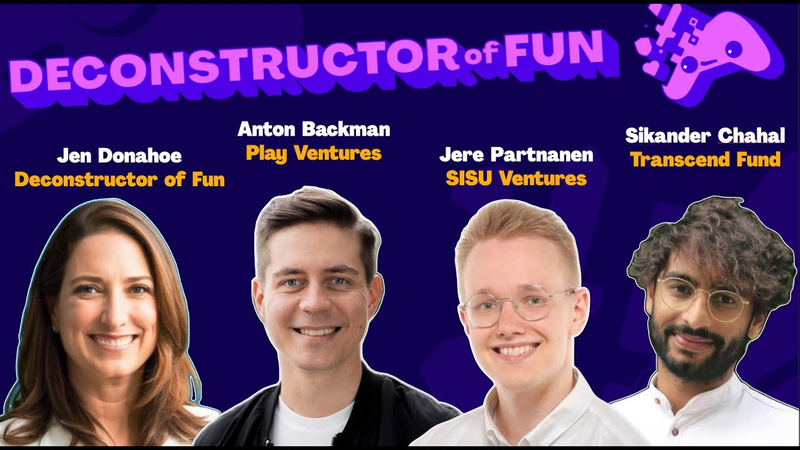
Deconstructor of Fun · 2024
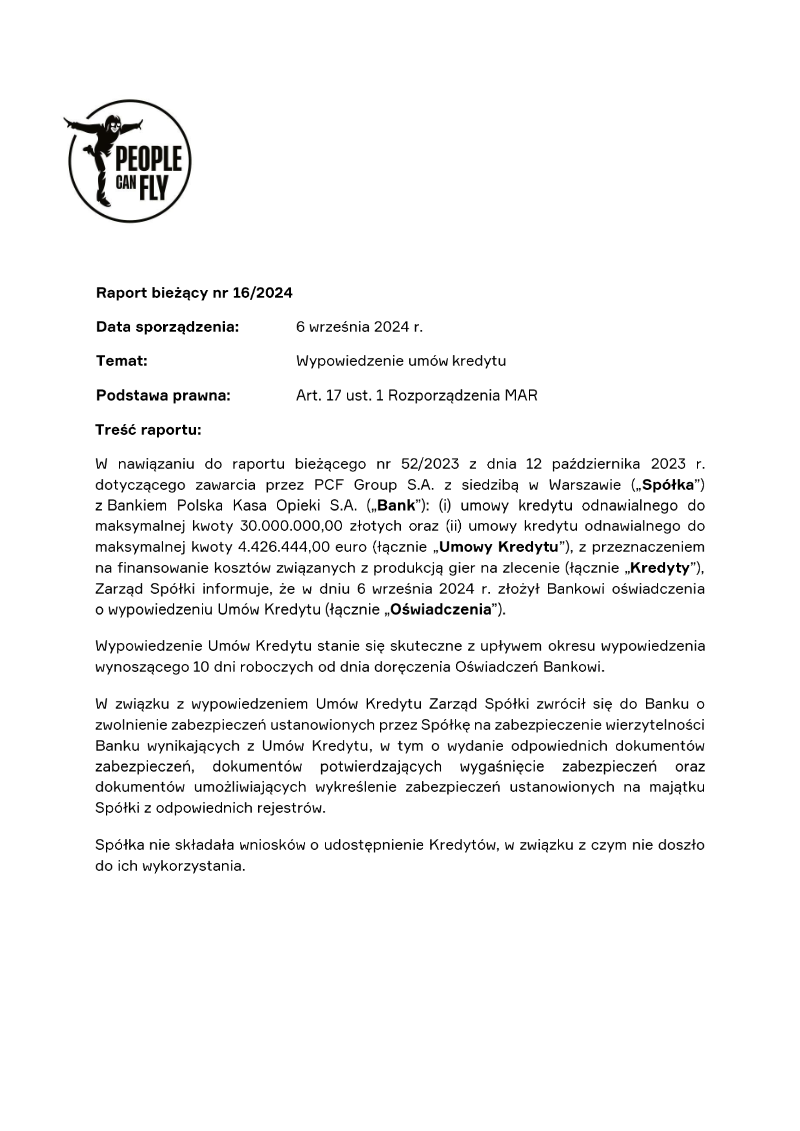
PCF Group · 2024

Deconstructor of Fun · 2024
Comments