1 free read left. Create a free account for unlimited reading + AI research.
Create free account
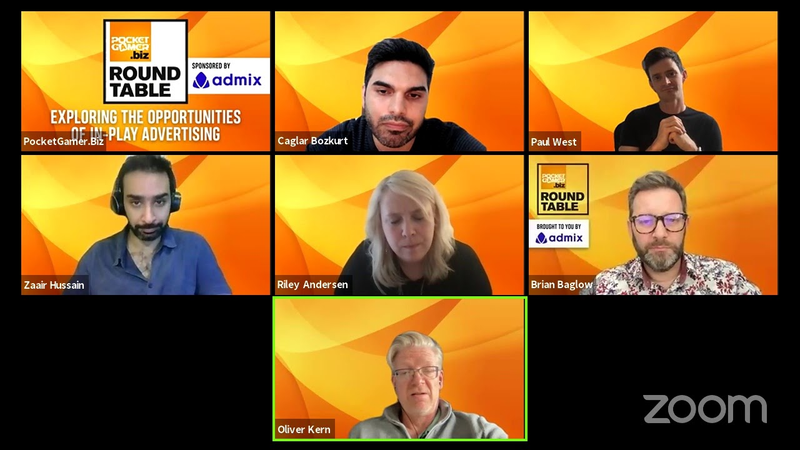
Exploring The Opportunities of In-Play Advertising - PG.Biz Roundtable
Key insights
6 takeaways- 01The primary barrier to scaling in-play advertising is the current lack of standardized measurement frameworks, which prevents risk-averse media agencies from shifting budgets into gaming.
- 02While rewarded video currently generates higher eCPMs, in-play advertising serves as a vital complementary revenue stream that protects player retention by avoiding gameplay interruptions.
- 03Developers should adopt a hybrid monetization strategy that combines programmatic demand with bespoke brand partnerships to ensure long-term sustainability.
- 04In-play advertising provides a non-disruptive revenue stream by embedding brand content directly into game environments, such as billboards or signage, rather than relying on interstitial or rewarded video formats.
- 05Successful integration requires developers to maintain strict control over ad content to ensure it aligns with the game's aesthetic and target demographic.
- 06Gaming is increasingly viewed as a primary destination for reaching Gen Z and Gen Alpha audiences, who are becoming difficult to capture through traditional legacy media channels.
Ask AI about this video
Transcript
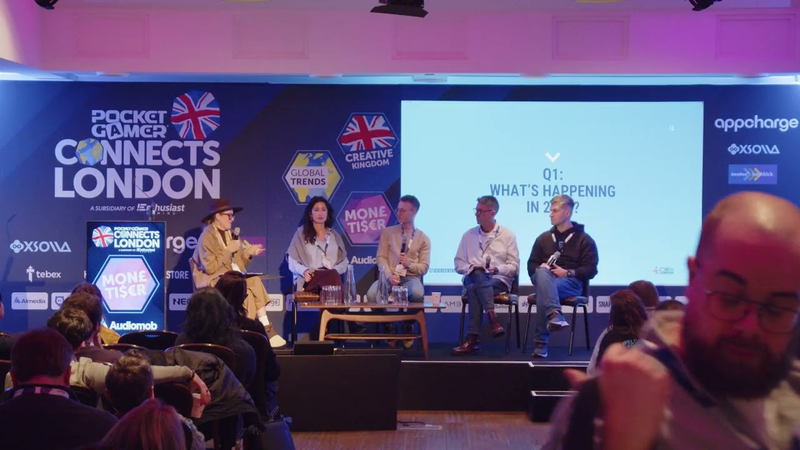
good afternoon just a moment just a moment and we should be good to go good afternoon world hello internet this is steel media you are tuned into the pocket gamer dr biz round table exploring the opportunities of in-play advertising uh which is being brought to you this afternoon by our friends at admix thank you very much for joining us we have a full and fun packed hour with a truly expert panel representing a really broad range of roles skills and experience and this afternoon we're going to be looking at one of the hot topics
in the world of mobile games at the moment which is in-game in play advertising so in a moment i'm going to ask our panel to introduce themselves tell you a little bit more about themselves but uh before we do that one tiny bit of housekeeping a formal thank you to admix for sponsoring this roundtable today and we are thrilled and delighted to let you know that you will also be able to meet admix team at pocket gamer connects digital 7 on july the 12th to the 16th and as a special thank you for joining us this afternoon and not going out in the sunshine to play we are offering you all a 20 discount on the event uh you will be able to find the link for that in the chat window now and we'll send it out by email following the round table just in case you miss it so we look forward to seeing you at pgcd seven or pocket gamer connects if you will now on with show first of all i would like to ask our panel to introduce themselves and we'll kick off with mr west paul can
you tell us who you are uh what you do and a little bit more about admix if you would please remember to unmute always a good trick uh hi everyone lovely to well be on this panel and great to see everyone who's diving into listen my name is paul west and i'm vp partnerships at admix which means i am the lucky person who gets to work with the biggest best and brightest game developers in the world to use our product which is an in-play ad monetization solution so we have infrastructure that allows game developers to monetize surface areas whether it be billboards or walls or vehicles or any surface within the game connecting the brands to the game developers and helping them generate revenue so i'm really excited about this roundtable today there's some awesome brains on this panel and yeah share what we've learned from admix and kind of explore the
category even further which is obviously booming at the moment so great to be here ryan thanks for having me thank you very much indeed paul riley can we come to you next please yes so i am riley and i'm the ceo for mommy games and we made hyper casual moba games we were founded in 2019 and um yeah since then of course we make a ton of games uh in january we scaled our first game like really big and we made it uh first on the us charts we also raised our first seat round and today we make way more games so i'm very used to implementing a ton of ads both interstitial and rewarded and i am just excited to hear more about the other types of uh inside of the games fantastic riley thank you very much and i think we're going to be picking your brains quite heavily this afternoon uh hello can we hear from you next please sure uh hi all i'm tyler uh i run the
marketing here at source studios uh we are a mid-sized mobile gaming studio based in istanbul and focuses specifically on developing and publishing midcore genre games specifically racing simulators we own the pretty popular ultimate simulator series which has five titles right now and we are also you know working on the new titles in the background and uh i think that's all like my mother always says always keep it short and tidy so i i leave this stage to you fantastic we're going to get on very well nothing should get in the way of my lovely shirt uh thank you hello and uh can we hear from you please absolutely and ryan let me just turn off saying nothing is going to get in the way for a lovely shirt now i had to do something with the great orange background you did and and you managed let me let
me just say and i think i speak for everyone uh my name is iris and i'm a business developer from mini clip we're one of the largest publishers in the world why and here as a business developers well we end up talking a lot to a lot of developers all of whom have their own challenges and whether it's ads or iaps in this case mostly at the mobile revolution in gaming has been an amazing thing and what it's done is it's trained everyone in the world or nearly everyone in the world to expect great games for free so there's always this um this talk of war or this balancing act of how do you create amazing content um and get paid free you know because you've got to keep the lights on in a way that doesn't bother consumers and i think we've been finding that bonus ever since i want to say 2011 onwards so yeah that's me fantastic thank you and last but not least mr cairn oliver
hi everyone my name is oliver curran i'm chief commercial officer at uh lockwood publishing we run well develop and publish a huge virtual world called avakin life and i basically look after like the commercial aspects of the game uh partnerships with brands advertising opportunities sponsorships uh all these kind of lovely things that's me wonderful thank you very much indeed oliver okay thank you all um i think we're going to dive straight into it and i think because i know we have uh quite a lot of developers in the audience and there's a really broad kind of understanding of advertising out there depending on the background sort of the point in the life cycle of the development studios so can we start with a few definitions i mean what's the current state of play when it comes to advertising in mobile games
and paul let's come to you first it are we still in the world of interstitial is in-game sorry in-game or in play advertising kind of growing where are we right now yeah i think it's fair to say that there's still category kings of ad formats in rewarded video whether the well rewarded video or interstitial video i think most developers would argue it's pretty kicking still um i was fortunate enough to ride the the rocket ship that was ad colony back in 2014 seeing that coming into into the market and just empower new game genres which you know we could touch on hyper casual i know everybody i will be interested to talk about that um really kind of shifting the industry to that sense and creating a whole new category so i think um that's fair to say that reward of video is there but what we've seen and we conducted a survey with pocket game at the end of last year which showed that the next exciting format is in play so it really is on the on the tip of kind of adoption i would say and accelerating with growth
even this year we've seen significant adoption from major studios uh go from testing to fully life and just to clarify what the difference is and what in play actually is is in play is natural to your environment of the game so for example typically the easy examples are racetracks where you have ads hoardings down the side of the track or you know city exploration and so you're driving down the street and you can see a billboard or or a big jumbotron or piccadilly circus screens um but what we're finding is that talented developers are finding more ways to use this format in in you know in new executions which is pretty exciting for us and opens up the bucket even more so yeah i think the current state of play is is ready for a bit a bit of disruption uh that's why i joined admix um because i see it as the next wave and you know with market forces ios 14 and those things present that's uh it's kind of ready to to uh to explore those opportunities so i think those that's how i see it and at
least one of the feedback we've had is raw video institutional video still very reliable and you know non-cannibalizing formats twin play in play is that little extra bump which could you know could help drive marginal gains over time fantastic thank you very much indeed riley i see you nodding along there so as as the hyper casual queen on the on the table how have you found in game versus the the interstitial or rewarded video well i think overall i think it as a developer it's every time there's a new form of revenue stream i mean by default that is super interesting um i agree very much with paul of course interstitial and rewarded videos still in we do see like a development where for example the rewarded videos you kind of try to like the execution to make it more fun lately we've seen instead of just pressing and adds where you can double the coins you made in one level you can maybe um it would be like a little tap timing game
where there's a little border that goes over here and over so maybe i get four times the amount of coins uh i made if i press here and two times i'll press here so kind of like making it more playful to have the ad um so that's a definite direction i see it's going in also we see interstitial now between the levels instead of only at the end of levels but i think all of it caters to what paul is saying like rethinking how you can implement the ads when paul started speaking i was thinking straight away about some of the more maybe female i ended games uh like with makeup where you're doing a different like face overs and stuff there it could be super amazing to have like an advertisement for specific mascara or a specific like a product you really need so i think at least in hyper casual there's a great opportunity scene so many of these games are like beam based and so i think it's very interesting to see how one could leverage more that that makes
a great deal of sense and anxiety i mean you touched on this when in your introduction in terms of of monetization in terms of how studios are um you know rewarding themselves for the number of games played i mean miniclip obviously has a huge legacy when it comes to online gaming has the studio embraced you know in play ads are you kind of trying to find a balance between the two how are you how are you finding this new form of advertising like we're in the very initial stages of kind of find out about it but uh you know i've got a good feeling about it i think there's a re because i mean you know you just heard riley and i think there's a reason why our games oh sorry the games industry on mobile has consumers who are more engaged a with the product and b mind the ads less than any other kind of mobile app it's because developers like riley spend so much time
thinking about how to make it kind of crucial for the not just uncrucible for the consumer for the player but how to actually make them fun and engaging and to me in-game plays i mean it's sponsoring that and it's perfect something we know has worked in other mediums which is product placement every audience is different but i think by and large the mobile gaming audience uh is one where as long as you're not you know um bombarding them um you know if it's not a banner ad or whatever they're open to it so it's something we're very much in the phase of exploring but we're interested in fantastic thank you and and hello i mean this this new form this the in play ads kind of really lends itself to the games that sir studios are doing you mentioned racing games obviously you've got you know to replicate the real world you have a lot of uh in play advertising space are you guys making use of this yeah
exactly i mean uh maybe like different to the hyper casual genre or any other type of you know games uh the games we have pretty well suited to this format la and like you said like uh as the like simulator games we are going after the realistic feel to provide that to this user basically and you know when you look at uh look at out in the real world uh when you are kind of imagining yourself driving around the city around the roads and the missing part is those like builders that you see along along the way and like believe it or not it's it's it was the other way around for us like we reached out to the market basically to find this type of product if it wasn't there we we were planning to just make it
ourselves you know coded into our games on our own but thankfully you know there were already pretty good solutions like admix and you know that's why it i think it took like a week for us to decide to go forward with this type of you know in play ads and after going live what via realized is that since we have huge maps and and like i said compared to the other games we have open world games where the we give the freedom to the user so that they can you know explore around the city we have like airport sections off-road sections port sections and we pretty much you know uh took the advantage of that and i i i wouldn't be like exaggerating i guess if i were to say we bombarded
those places with ad placements because like you said the more we added the more you know it got to that realistic feeling and it it generated more you know revenue for us so it was a win-win you know scenario and uh according to the data we haven't seen any like retention drops or like session length you know dull down nothing like that because as far as i have experienced those type of things when you have the interstitial or rewarded like the traditional ads what i like to call them right now because i believe that you know in-game is the next generation for mobile and i i think it's it's it i don't know it took a pretty long time for it to be you know reached to this stage because we are actually pretty familiar this with this concept from like other
platforms like fifa like formula ones right you saw those ads like nba 2ks you sold them all in those games but the push for mobile you know reached later on anyways so uh like uh we checked the data and we didn't see any changes but if you were to let's say increase the number of you know interstitials or rewarded ads because you have basically let's you know take the hyper casual i am sure riley you know pretty well knows about this as well you have around like six to eight minutes of session lengths like pretty good hyper casual games have that number and the lower you can go like without like disrupting your retention levels and session lengths it's like around 30
seconds every 30 seconds you can create another opportunity so you have a limited you know number of ads that you can like provide that you can supply so if you you know go lower that or if you like increase the number of ad opportunities you will see the you know retention drop so how it goes you imagine like a graph like x and y axis right and you have your arp tau it it's a logarithmic curve it goes like this and you have your retention it's an inverse logarithmic curve it goes like this and that way you calculate your ltv basically and you try to find the optimal number like impression per dau and you know the more you increase the number of ads that are
shown to the user the article yeah it goes up but the retention you know goes down so you reach that optimal number like pretty not exactly at the same place but pretty close to where those two logarithmic curves crosses but you don't have this limitation within in-game as wow you know it's i think we could just uh go for a cup of tea and you can you can do the rest of the session by yourself that was brilliant thank you so much that that was wonderful thank you why we like working with shana because he's switched on in terms of and helps us learn even more about the product so uh well this is it it's all fantastic context it's all really valuable context and and oliver finally you know lockwood are working kind of the cutting edge of the metaverse so you guys are recreating a virtual world in a lot of ways so is this an area of interest to you presumably so but yeah absolutely
i mean um yeah as as paul mentioned earlier i mean the kings of the castle still rewarded videos for sure and interstitials and you know the the the challenge there is that they basically take the players out of the actual game experience right and that's why it hurts also retention as kagler was saying um so you know in uh native kind of ad placements for sure are are are great for that um um i mean it comes with its own challenges around technology around kind of contextual targeting and all these kind of things because obviously you know as an as an advertiser also you know you it was always easy because everything was performance based but you know in in you know suddenly it's not anymore and you're still supposedly paying a game developer like us uh a lot of money right so then it's always the question like okay what is
the value and that's i think where in why it's also maybe taken so long because you know everybody was happy over the last decade to say like you know what it doesn't matter as long as somebody clicks everything is going to be good right so to say um but that is obviously changing quite a bit um especially on mobile and at some point maybe also even on the web who knows once cookies go away there um but yeah i think there are still lots of challenges ahead but is it the is it there an interesting medium for us absolutely um i mean we've been tackling it a bit more around like sponsorship opportunities and these kind of things like maybe a fifa would do etc and not so much with like okay let's just um you know open a window for some some uh some kind of ads um but yeah i think that's that's definitely also a very valid way yeah
thank you and i mean just in terms of context that was that was incredibly valuable and so i kind of want to follow up with with and to pick up on a a point that several of you made which is you know how do these games monetize i think many people are familiar with the uh the interest issue the rewarded ad you know people watching ads they click through there is revenue there with within game it seems a slightly more slightly less tangible let's see so is it is it kind of similar to product placement is it the the amount of time on screen how is this measured is there is there a standards that's being being used um you know i i guess paul let's let's ask you first and then hello i can see you're itching so we'll come to you next because i find it very interesting how they how is the conversion and how uh like the ecpms are they done lower since they're more native or yeah yeah yeah this is my ballpark absolutely
can share some learnings what we found here so um absolutely naturally because of the the non-intrusive nature of this format you know it's um it's something that a user can interact with or bypass um not necessarily a clickable placement as we touched on which obviously drives performance marketing where is where interstitial rewarded video is still king um that's that's the main difference so we typically we definitely see lower cpms um than rewarded video interstitial but i think it's quite hard to compare those two together because obviously they deliver very different experiences for the consumer but also very different experiences for the advertiser and that's the kind of the balance i've always got in my mind and when i'm talking about both sides of the coin so in regards to to cpm's there's so i speak for admix um we have kind of two main channels of advertiser one that plugs into like the programmatic open marketplace where we have always on advertisers that can bid in you know bid for the
inventory and compete and drive the cpm up and then of course we have our own sales team direct a little bit how oliver was speaking of sponsorships where we go into the agencies with you know the biggest brands in the world and convince them that in place is where to be uh you know we used to have a saying ad colony which i might steal now which is you know mobile gaming is the new prime time it's where the eyeballs are to reach the the number of eyeballs at a super bowl you could probably do an african life today like it's uh it's impressive so um yeah those are the two main main streams of how how we monetize for the developers you know in cpms um they can really range based on the the volume of direct deals that come in the sponsorships versus the open market to cut the corners i would say open marketplace typically in tier one markets you're looking like between one to two dollars um but then for kind of sponsorship deals or direct deals i mean we've seen them be double digits um the difference is they come in waves
um they're not always on like programmatic so it's quite a nice balance because you have a solid revenue stream of always on but lower cpm and then you have these waterfall-winning higher campaigns that come in and just kind of really accelerate the revenue um partners work with us in in both ways so that's a bit of context for for the monetization if that helps answer the question i think it does shall i was gonna shadow had some knowledge bombs like i could see him like lining up yes absolutely please sir if you would enlighten us sure thing uh you you mentioned like is there a standard i i think there's a standard paul correct me if i'm wrong but it's iab right there is this agency which sets the standards for for these type of you know in in-game ads and there's pretty strict standards where you know where and like impression how an impression is counted like there's certain time limits like i don't know like two
seconds five seconds it needs to be visible to the user's view that kind of stuff it it needs to be not blocked so there are standards that's the first thing and the second part is like the regarding the you know easy pms basically like paul said uh it's just you can place as far as i have experienced in play as between like interstitials and banners and this is such a product if of course you know if your game is suited for it or if you are so creative that you can you know find a way to implement this type of thing but ours was already you know they were already pretty well suited so we didn't need to think that much and be creative with it so and we were not using any banners it it was a strategic decision because i don't know like it
takes you out of the game it takes you out of the experience you know wherever you know how subtle you try to implement banners it's just there always there and like paul said there's the always on like programmatic demand which actually on average you know lowers the ecpm basically but sometimes and i must say pretty frequently you get these direct deals and but from what i've experienced regarding the traditional ads regarding banners it goes like that as well like you have always on from certain ad networks but the ecpms are pretty low like 30 cents 40 cents sometimes you get you know over like a dollar ecpms but those comes and goes it's never always on for example like vangual
has this type of business model that i know of they you know gather the games inside the company like you know games with pretty high daus and they pitch those to the brands and then you know they get the deals and once the marketing campaign starts you see the you know revenue rolling but it's just you know for a month or two or three it's never always on then it goes down again and you wait for the next campaign basically so if you were to you know like trade uh banners within in-game ads for your app you get the advantage of you know getting rid of the banner so you are increasing the you know ux basically and i really think since we have never used banners i i cannot you know make a comment on it but logically i
think it would increase the session lengths like getting rid of the banners i think it would increase the session length although you know that also depends on the perception of the user for example user if a user is opening up a hyper-casual game they basically expect like really high number of ads like banners and that type of stuff right that's why like zaire said they don't mind it because they are expecting to see such a thing but our games are simulator games like when we try to increase even a little bit the number of ads that we show we get pretty bad comments because users do not want to see them our users do not want to see them so trading banners within in-game as i think it would be you know
first wouldn't affect the revenue that you generate in total i think it would even increase it i believe because we have seen like 33 up to 33 percent like uplift in some tier 1 countries using like in-game ads and plus you you would you know like uh improve the ux basically fantastic again what a great answer and and thank you um and so you know we've looked at this from the the user point of view i'm going to come to the the the other three panelists and ask you for your input as well uh zyre you know do you want to pick up on either of the comments yeah actually one of something i was going to say at this point is it i think he's right it depends a lot on the genre of game and this happens to be a great example because people who like simulator games want to be immersed in that simulation right that's why they're playing those games and uh i think remember and i don't even know this was on pc or
whatever it was a simulator driving game and there are many such games um kind of they don't have any deals going and certainly they didn't at that time who along the road they have billboards of either actual brands or made-up brands simply because that increased rather than took away from that feeling of being immersed in the simulation so you know there is they're not all exposed to what paul was saying i think people underestimate and uh i mean not us i guess but certainly people from maybe um ad agencies brands digital media buying agencies which are you know they're still evolving they're still keeping pace we have to remember gaming was this thing for hardcore gamers for 20 odd years and then it became something for everyone right it's only in the last 10 years that the industry absolutely exploded it's now in every pocket in the
world right that's the billboard the billboard is in every pocket in the world and i'm only slightly exaggerating when i say every because i think we're up to three point something billion gamers right now and most of them are mobile gamers yeah a lot of people in decision making um positions in sort of traditional media buying agencies even digital by media buying agencies are massively underestimating the kind of eyeballs and the kind of engagement that already exists with exactly the kinds of audience usually a little on the younger side that they want to reach out to so you know i'd be you know here i'll i'll actually throw this question back and kind of like i people and i don't know if anyone agrees that a lot of this has to do with educating decision makers across the board who are not from our industry as brands and physical media buying agencies because right now they don't know what they're looking at
see that that's a great point and i want to come back to that in in just a second so we'll stick a pin in that um oliver i'd like to come to you because obviously when it comes to simulation you know you guys are not necessarily simulating but creating an alternate version so yeah exactly but it is it is definitely also in that in that sense like a real world simulation so it's also quite natural for us to kind of have either some billboard somewhere or like a tv screen with something on there or these kind of things right so it's it's quite natural um to kind of have those kind of placements and we also would do that with kind of some of our in-house brands as was described already by by as i um so you know it's it's it's kind of a an obvious thing to kind of make it as immersive as as as possible i think that the big challenge for kind of brands to kind of get in in that besides like this aspect i think they're waking up to that um
that that's where the eyeballs are but i think you know at the end of the day for a media agency you need to make it really really easy right and and um you know it it has been very easy for them to buy media right if it's if it's uh if it's performance based they were able to go to google and and facebook etc spend millions of dollars on some campaigns and then would be able to kind of based on clicks kind of do their reporting on tv basically the tv industry has done a fantastic job with giving people feedback on like okay you're buying tv on this channel that's the context that's the audience that you're kind of tapping into you know and then nielsen and some other companies were kind of building big panels and you know as a big big buyer you were able to kind of basically look at like reach and frequency across you know your your media etc
and that's something that in you know if if they're buying through like admix or some some other um company into some games it's almost like buying blind right they don't exactly know where their kind of weather ads will appear yes to a degree obviously um you know an ad network will provide some visibility there but it's only to a degree so i think you know if we want this to be a real opportunity i think for a kind of advertisers then we also need to kind of think carefully what kind of information do we need to provide them that they can actually easily easily buy right um and that's where kind of they're on all real good standards and it's all like a little bit kind of gray and i think that's that's that's going to be yeah that's i my belief is that that's why it's taken so long for you know companies like admix and others to kind of really
kind of get to something there obviously now the changes which kind of uh you know around privacy etc from ios and then later on from google will kind of accelerate that i would hope because suddenly context matters um but i think there is still a lot of work that needs to be done also from us to kind of make this easier for advertisers again another great point and i am going to come back to that in terms of the value to brands and ipa owners but but riley and last but not least would you have anything you'd like to add in general i think it sounds very interesting everything and and like we i think a great point is i think kagler also made it but that as a developer it's not about replacing the interstitial rewarded it's that in-game f can be a add-on to your you know it to to the amount of ads like to your whole marketing strategy right um that you can
have them as well i think for us if we should use it actively we would have to uh like assess each game separately whether like would they fit in here would it enhance the experience but in general i think it sounds uh very interesting um and i'm i have a quick follow-up question for you for me riley which is so do you have games i mean is this a one-size-fits-all solution or do you have to be quite careful with this you know is it either or you either have interstitial or in-game can you mix the two how are you finding you know making that kind of informed decision from my perspective yeah i would definitely do a mix uh for sure uh i think as uh kaka said actually we're doing it right now like calculating exactly where to put the interstitial so people churn the least like exactly the graph you talked about that's like a sweet spot where you make the most money and you make uh the most enjoyable experience i would
say and i think the in-game s could fit in very well in between so i think in hypercash you would see it more as per game some games have a natural arena for example that would have natural spacing for in-game advertisement i would probably also use my creativity as i say many of these hyper cache games so theme based so for example we made a baby game at some point there's like a whole baby book there it could be several places right where different in-game advertisement fitted for the target audience could be placed i think if i should place them in and i'm sure admix probably has a solution for that something similar some kind of like sparing like knowledge sharing of which target audience works with which yeah games and products target audience i think maybe a question i would have for paul at some point would be like what works best like the the free tool where you can just pick different in-game advertisement or is it more the tailored solution where you join up with
a brand i think the second one where you kind of join up with a brand is something at least we have thought about ourselves in in our studio uh too i think it's very interesting excellent and mr west you've been put on the spot yeah i love it thank you very good question so in terms of which works best um well two things i would advise definitely mixing this and as part of the administration stack and everyone was nodding but just to clarify that even us who are promoting gameplay like this is an additional benefit to a new layer of revenue and anyone can do a bad ad integration even with rewarded video right as long as you're you know your product and your consumer as well which you of course will do then you'll do a good integration and benefit from the revenue in regards to which method works best i mean it's it's it's an open funnel of revenue versus you know the premium campaign so um the key thing that most of our partners ask us is can we control the ad content that's coming in so one of the
myths i'd like to bust is you know if you're plugging into the open marketplace how much control do you have on the ads and it refers back to the question earlier that actually shawna answered for me which is the iab approved standards of you know these are the ad buckets that we will accept into your product and that won't and most of our developers you know um have young people who play their games so they like you would with unity with vongo et cetera you choose the categories that suit your player base um those are those are key to control what's going in but as long as you're comfortable with you know the ads that are coming in which are obviously all uh premium ads then i would personally test both um you know and measure it for yourself um the advertisers bid differently on different products as we touched on different games based on contextual targeting and the rest of it but also the scale of the products as well um so that can be a you know and where the users are whether it's all in the us naturally versus other markets so the best thing to do is kind of switch on and see for yourself and if it you know if the players react positively
and it's extra revenue it's kind of a win-win um from our perspectives and that's why it's been more and more popular as we go is there any genres you have experienced that works better like someone mentioned racing games for example or yeah i would say the games that have um been least popular rather than that work better we've seen like across the board been performed pretty strong one of the challenges we have and this is an advertising challenge in gaming full stop is violence and shooting uh specifically so you know most advertisers most advertisers don't typically want to associate violence with their premium brand um so just as a you know inoculate resistance there if people on on the court do have a shooting game typically you want some form of age gating which you can pass to admix or the provider you choose to say this is a violent product 18 plus potentially or 21 plus depending on where you are um and then that the network can use that information then to even sell that
inventory better for for yourself as a developer so whether it's maybe they're open to different types of campaigns such as alcohol for example then which would drive obviously a lot higher cpm so it's very someone said it earlier i think it might have been amazing like it's very it can be quite boutique depending on the product you have um which actually gives it more creativity and more freedom then to you know to explore so yeah um that's a long answer to a short question sorry riley no that that's fantastic and it kind of it brings me to one of my next points because only today uh on pocketgamer we wrote a piece about a very successful mobile game across um asia and kind of the the eastern hemisphere in which we have a very well-known footballer cristiano ronaldo kind of being a product placement you know a playable character or a character within the game and and that's clearly a sort of a battle royale so yeah they're i guess it's very much on a case-by-case basis [Music] yeah um i would answer that you know
though i'd say there's genres that fit this product really really well um and we've talked about some of those there are products that actually we're seeing such creativity of getting them getting this for example hidden object games i don't think you'd expect this format to be in there but we're seeing success with some partners in that genre um that hasn't been done before i think the biggest challenge would be kind of like you know your match three casual games um i think that finding a natural fit that feels good for the player and and you know for the advertiser can be challenging there but those are the really the only categories that we've struggled in i mean hyper casual is the one that's exploding at the moment because impressions precession is a massive kpi for these studios and naturally like we touched on we don't take the eyeballs away from the game um so they're just kind of ambient therefore you can actually put more impressions alongside the experience rather than going watch this video for 30 seconds so um yeah it's uh i'm that's what i'm quite excited about actually in terms of the next kind of couple of quarters or years what
new creative solutions are we going to see by developers using our products because i'm also thinking you remember they said in finland is a company called future play and it's a couple of years ago but when the rewarded ads came out they kind of made a whole idle game where they incorporated the the ad inside of the core mechanic so it's a little like game design nerdy but the thing is like when you when there is a game there's a loop you keep going around you keep doing the same thing over and over again of course you add more challenges so it becomes more like interesting to play the loop but what they did they kind of put the app as part of the loop and i'm just thinking that could be super interesting to see some different examples of games where one use the in-game advertisement like as part of the call loop somehow yeah i think anything that is a bit like a 3d type of game i i think you know i may offer some kind of placement you know if if you're running with some
red figures around the the space and there are some buildings etc it's quite easy to imagine you know there are some billboards there and it doesn't feel completely out of out of place right um so i i think there are definitely also a hyper-casual sure lots of things where it's just you know a natural kind of extension so to say um and it's you know as as has been said it's like you know um complementary to the the the interrupting kind of ads right so i think that's that's that's that's great yeah see that's interesting so we've kind of we've touched quite a lot on the user journey and the user experience and the benefit to them and we're kind of starting to look at it at the developer and and the benefit to them and i want to kind of flip that and look at the brands i mean paul you mentioned that uh and actually several of you have mentioned that there's a difference between the programmatic the stuff that kind of comes through on inventory and then there's sort of the more bespoke deal is this opening up new opportunities for
brands are they taking this seriously and starting to look for specific titles genres or audiences you know maybe even regional where they can get that direct connection is this is this really where the next big wave of marketing advertising is going to be seen is that one for me for the whole panel but let's start with you paul i'll go really quick um yeah i i definitely think that's happening i mean certain market forces have helped that happen you know the shift to gaming everyone knows the explosion the game is going through right now and it continues to rocket the value of the of the industry et cetera and i think you know the brands are really open to creative executions as well um so you know what we think of in play right now could be very different to what we see in 12 months someone touched on product placement earlier that's a really exciting idea that hasn't really entered into games at scale yet i know that it has been done but brad next is quite excited about potentially being the
infrastructure to help power that but brands are very much open to that uh kind of idea in addition to their essentially you know more always-on activity of in play and you know when we think about the agencies that we work with you know one of their kpis and one of their big wins is is winning awards um you know for their client and this is what a great way to do it to do something that you know is very emerging top of mind and whether it's branding a vehicle in a game or whether it's branding you know a power up in a game which obviously makes it work for 2d um i think we're going to be seeing a lot of that over the next couple of quarters um and that's only going to become a more positive attributed experience for a consumer that will kind of self-enrich um the economy so yeah i won't speak for too long but that and i think that's what's quite interesting from the brand's perspective that they can shout about you know and for the agencies to shout about for the brands which is a big part of this dynamic of course of course thank you paul and and to to the other four panelists i mean you guys are making games have you been
approached or are you looking for kind of brand partners how are you how are you finding this the response to this new opportunity feel free to jump in quickly yes of course so we did make a game at some point where you full clothes like a lot of different clothes um and and we were thinking that because the retention was like almost there but like when you're at 38 day one and you need 40 and like it will not go with the publisher or like one cent above the limit and we were thinking that could be cool to do together with a partner but for us as a small developer the struggle of figuring out how to actually approach someone like h m or primark like these giant brains it's like it was to be honest not within our skill set and we think we would lose a lot of focus on doing that um but i think it's very interesting uh yeah i think there's a lot of natural
connections between brains and especially games moba games and from my experience i mean brands will go where people are right they need customers and indeed if you want to target the youth like that's where they are all the time of course of course exactly it's like i mean i i think the big brands have definitely realized like gen z and jen alpha is just not in front of the tv it's not on facebook either so you know they're definitely struggling to kind of get in front of that audience and they've also realized that it's not done with just like some pictures or something like that it needs much much different approach to actually really kind of get to get them behind a brand so yeah i mean we we definitely get like quite frequently requests uh to do something uh what can we do um you know because we're obviously we are kind of real world simulation you know fashion is big uh cosmetics
all these kind of things so yeah we do get quite a lot of uh interest there for sure and we're you know it just means we we're picky yeah bill of course and that's no bad thing no bad thing desire uh you know given your your kind of cataloguing portfolio it's how are miniclip finding this well like i said we're um right now we're just interested in exploring the space i think we most people in the game industry right now are more aware whether it's through direct deals or anything else and they're more aware of the kind of potential here then some of the brands are i think oliver might be right some of the bigger brands might be catching on and interestingly i mean i would have thought they'd make for strange bedfellows but fashion and gaming are probably like uh they're actually connected better than most other types of brands and this goes back to you know not just mobile games it goes back to i don't 14 or 13 i think
um and moving forward from there you've had a collaboration with uh riot and you know i don't want to say the wrong brand name but you know high-end think that was louis vuitton right was it it was it was i didn't want to say the wrong one and reveal my lack of fashion sense but but yes oliver came to the rescue i think right now uh and oliver is also right about another thing he said earlier to go with the point of educating brands and also uh i think we're in the position where we need to make it very subtle for them riley mentioned we need to that brands will go with the people are and that's correct but there's a you know there's like caveats that they'll go where they know the people they'll go where they know people are spending why some of these brands and these digital media buying agencies can be quite fed in their way they're they can be conservative in the way they approach things they've been set up to do business a certain way
for a long time and it's not that they don't see i mean you know that they don't see know over three billion gamers in the world they just they want to know what their money will be getting them right and that's on us to make clear and that's on us to be like you know how many people from what demographics are going to be how many times an hour are they going to be driving by this virtual billboard if that's what it is so all of this needs to be broken down um for the brands and i think there it's on us as an industry and as individuals like developers and publishers to do that because every game again is different it has different demographics i believe um african life uh has sort of a higher percentage of female players than most games most simulation games go uh for example there but a media agency wants to know it exactly right they're not happy with like yeah okay we're going to reach something like x percent right they want to know it exactly
fair enough so we need to kind of find also standards how we can kind of report that i would argue that a lot of games don't really even know exactly what kind of demographics they have i mean we've done extensive research you guys probably for your titles as well as well right um but you know for uh you know for the normal kind of uh or for a lot of game developers they're just like yeah whatever people that play my game that's great i think it's going to be probably 50 50 or whatever right um or depending on what kind of game it is but you know somebody who buys wants to know quite exactly what they're buying into that's why on tv they had like these expensive panels and all that kind of stuff right yeah actually i'm not sure if i i think part of it is that obviously we want to provide the best data we can and we want to provide it in the most easily digestible form we can i would say it's also a matter of them getting used to what the massive medium games are for example you mentioned the nielsen ratings the nielsen ratings are
based on a relatively low sample size and while their sampling methodology has become quite sophisticated over time so the sample size whereas we can you know not track every user who comes in in a lot of ways the data that comes from game is more games is more accurate because it's measuring everyone uh as opposed to relying on some data i believe nielsen had a couple of you know reworks over time sure i have to try and account for that so i don't think they know exactly what they're buying there either i don't think they know uh if there was exactly a thousand and one yeah i don't think they know if there was a thousand one people who drove by a billboard on the road or uh 950 on any given day they make estimations all the time they're just not used to making them for games i think this is this is a great point and i would like to dive into that if we had a little more time but hello i want to come to you and give you a chance to kind of answer the last question and then we've got a couple of
quick questions from the audience sure i mean uh i want to quickly say i i i agree with you there i i'm coming from the brand side actually you know before joining the gaming industry so i know at least a little let's just put it that way uh how the brand manages you know mind works and uh oliver is right and desire is right also like oh oliver is right in the sense that people are aware of the you know transformation the digital basically i mean there is a saying if you can't figure out how something works always follow the money so if you look at the like mobile spend data it was around like 276 billion i believe like last year and it's expected to be like 341 billion at the end of this year and like last year it accounted for 73 percent
of all the digital me ad spent and 42 percent of total media had spent and it's projected to be around like 52 of all total media had spent by 2024. so the numbers are there everyone is aware of that and like zaire said uh on the brand side on the traditional marketing channels you don't know you don't exactly know anything basically like they said like nielsen tv ratings yeah it got sophisticated but they are using i believe it's called like portable people meters that they have which has quite a low sample size so it's these like small uh black boxes which takes the audio of what's playing and you know figures out what you are playing but you have like i believe like the last number was around
111 like million tv households in us but the the number of those devices in the households i think it's around like 1 million 2 million something like that they always extrapolate that data the reason they are hesitant to go for the mobile or gaming channel for advertising it is just first the generational difference the decision makers are still from another generation yeah that that needs to change and the second one the reason they are still going for the tv and the other traditional media channels because they are pretty useful they know what they are getting but they it's like the first time always you are has it and first time you know before first time you are going to do something you are always hesitant you don't know the exact like rate of return you know
that's interesting yeah but they are they know how much they spend you know on tv let's say how much they would get but they don't know that you know despite the like the data clears and i i guarantee you like the gaming on the gaming like channel you can provide much more detailed data even with the you know latest like att changes basically uh compared to the traditional channels so i think it will just take a little time for that to change wonderful wonderful i am going to stop you there because we are rapidly running out of time so two very quick questions from the audience the first one uh for you mr west is ad rad makes ads a wheel let me try that again are admix ads available in all markets yes correct perfect thank you very much and what a fast answer wonderful um the second one is a little more in depth which asks about
ai and how that's affecting advertising i don't think we really have time to address it um and then one from uh from dan which is do you think the message is conveyed by the players better the same or worse in game compared to before or after the level you know so is in-game better than the interstitial very quickly yeah we're delivering an advertiser message i think there's creative executions to deliver effectively on both for a consumer i would say definitely better for an experience because it's not intrusive and you know it's part it doesn't take you out of the uh the gameplay uh loop at all fantastic fantastic and one very quick question because we have sadly run out of time so for up for all of the panel it's one key takeaway that you would like to leave the audience with what what happens next what should our audience be looking out for when it comes to in-play ads and uh riley can we hear from you first search after one mood i think uh my take
away would be creative ways creative ways of implementing both within moba games but also when i'm hearing cactus talk about brains now that's not my background i come from a game industry background but like won't the big brands lose once someone disturbs the market and figures out how this really works and then it's just way more effective so i think in general maybe my takeaway would be like to be aware of what will happen on the market and be more creative than your competitors wonderful thank you riley oliver yeah i think it is you know paul mentioned that it is always about like creative execution you know it it needs to kind of fit into your product um you shouldn't try to kind of just put something in into it just for the sake of it um you know if if it doesn't feel natural then there is no way i mean i know somebody in qa was asking like about audio ads again you know it's it's also complementary um
yeah if you have a game where audio you have to switch on audio to kind of uh play this well yeah then maybe audio ads is a better way um but if you have something that is a bit more 3d yeah then then maybe like in in play ads are really really cool and they enrich the experience so it i think it really comes down to down to that and it is meant to be complementary it doesn't have to take away kind of rewarded videos or interstitials or whatever else you have it's like additional money really perfect perfect eh desire yeah the collaboration between brands and gaming is going to happen no matter what it's saying to be the first one but eventually i mean that's where the eyeballs are that's where the engagement is it's an absolute inevitability right and again i would agree with oliver that um i personally i think in play uh is
a good medium to place your bets on whether it's in play or some other medium it's absolutely nothing right so i think that we 100 can expect to see more of how fast it happens probably pretty fast um but what open is what are going to be the first like 100 amazing deals where suddenly you know afterwards i think a lot of people are getting replaced from their positions in digital media buying agencies because they didn't think of it first perfect thank you sir hello i mean like uh i i agree with the whole over there it's it all comes down to the integration i think as well like it it's it's about your game like it it doesn't even you know uh like you shouldn't even differentiate between generals that much because like like blockchain based games it just it's about your game you need to test
everything it's it's not just for this one in game ads either like everything you need to just test test and see the results yourself i have many friends you know in the gaming industry i never take like you know like of course we talk we talk a lot but i never take their solution and apply it directly to my product because it doesn't work that way so you need to you know test this figure that out yourself and you know make the decision whether it's it's it works for you or not wonderful there is no one-size-fits-all perfect and finally paul can we leave the last word to you i would just um you know um i think oliver and everyone else said the same thing like there's an education piece that still needs to happen on the brand side even on the game developer side as well you know um in play is an old idea but the new
technology that powers it is kind of meaning that it can accelerate so this is um something that's quite exciting and that's a big part of what admix is trying to do is is share what we're we're finding out um and the curves are great so if anyone has any more questions so visit admix play and just check out the case studies we're very much about you know showing what happens to retention and sharing what happens to art dao and those kind of things um so yeah um if you have any questions of course come directly wonderful well ladies and gentlemen thank you so much uh i think it's been an absolutely fascinating hour we could have gone on for at least another two but i will spare you that um because it's a lovely uh tuesday evening and so i would like to thank you all hilar zayer riley paul oliver thank you very much indeed ladies and gentlemen people in the audience we really appreciate your time and if you've enjoyed this afternoon please don't forget that after this roundtable in association with admix you can join us at poker gate pocket gamer connects digital number seven
uh where we'll be covering similar topics and much much more and there is that 20 discounts that you can find in the chat window and we'll be sharing with you so it only leaves me to say people folks thank you again it's been an absolute pleasure and i look forward to catching up with you again at some point soon so thank you very much indeed and goodbye thanks guys talk to you soon thank you
Summary
In-play advertising represents a strategic evolution in mobile game monetization, shifting away from disruptive interstitial and rewarded video formats toward immersive, context-aware brand integrations. By embedding advertisements directly into the virtual environment—such as billboards, signage, or product placements—developers can generate incremental revenue without compromising the core gameplay loop or player retention. This approach is particularly effective in genres like racing simulators, where brand presence enhances realism and contributes to a more authentic user experience.
While traditional rewarded video remains a dominant revenue driver due to higher eCPMs, in-play advertising serves as a vital complementary stream. The primary challenge to widespread adoption lies in the current lack of standardized reporting and measurement frameworks. Traditional media agencies, often risk-averse, require consistent data metrics—such as those established by the IAB—to justify shifting budgets toward gaming environments. Educating these agencies on the value of reaching Gen Z and Gen Alpha audiences, who are increasingly difficult to capture through legacy media, is essential for scaling this sector.
Success in this space depends on a balanced strategy that prioritizes creative, high-quality integrations over intrusive volume. Developers are encouraged to maintain strict control over ad content to ensure it aligns with their specific demographics and game aesthetics. By combining programmatic demand with bespoke brand partnerships, studios can create sustainable, long-term revenue models. As brands increasingly view gaming as a primary destination for consumer engagement, the industry is poised for growth, provided that developers continue to prioritize player immersion and rigorous testing of ad formats tailored to their unique game mechanics.














Comments