1 free read left. Create a free account for unlimited reading + AI research.
Create free accountArticle Loading... The Journal of the Canadian Game Studies Association
1 free read left. Create a free account for unlimited reading + AI research.
Create free accountArticleLoading... The Journal of the Canadian Game Studies Association
Distilling the key insights…
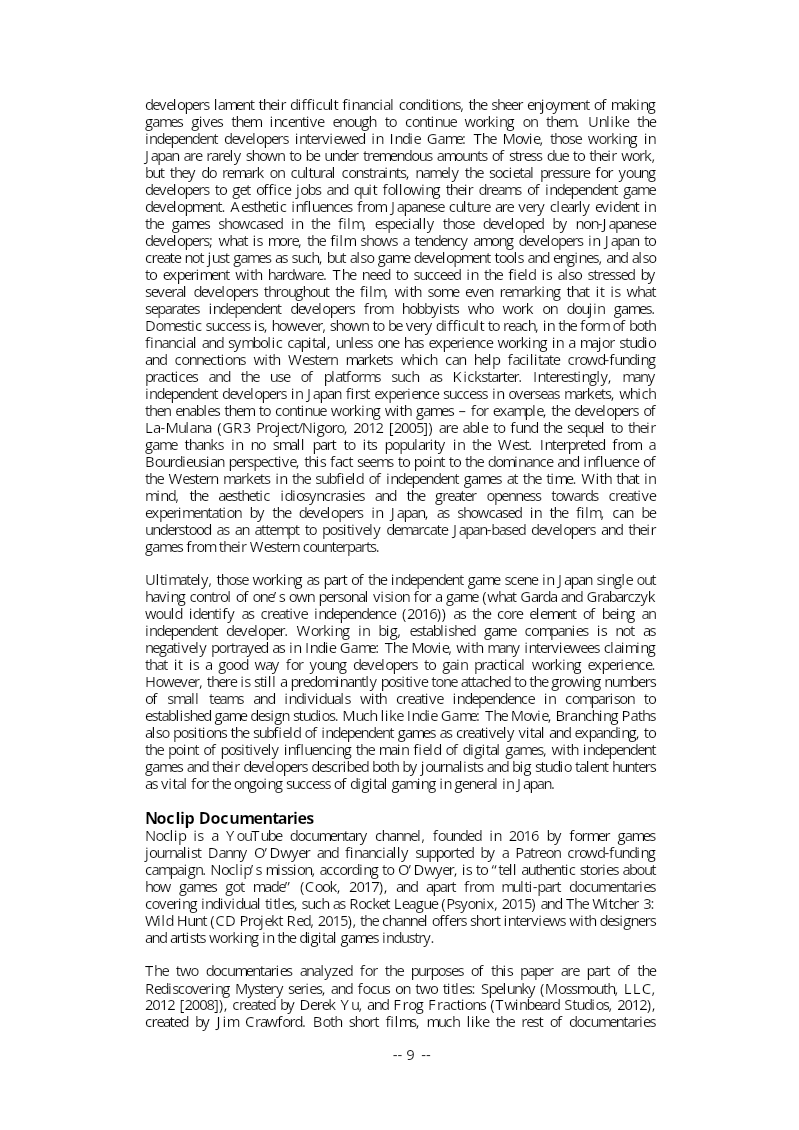
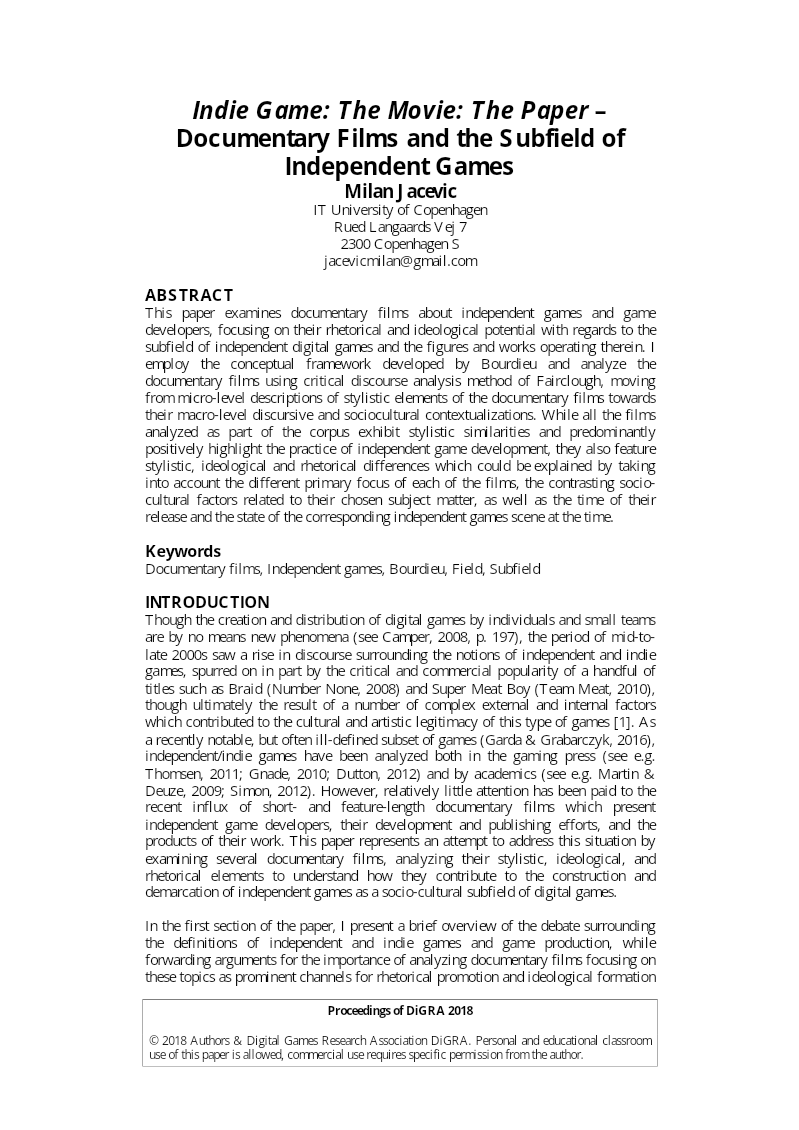
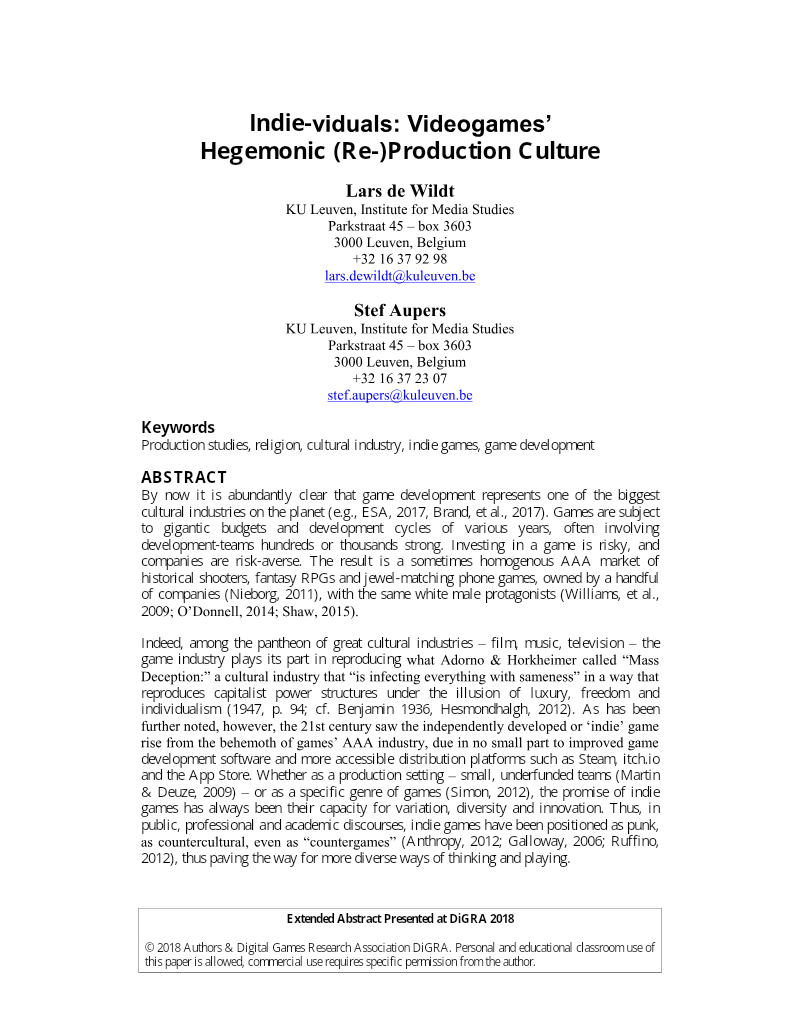
The independent game movement functions as a critical counterpoint to the profit-driven mandates of the AAA industry, prioritizing creative autonomy and anti-authoritarian production methods over commercial scalability. Originally rooted in economic dissent, the term indie once signified a deliberate rejection of corporate structures, characterized by alternative distribution channels and self-determined working conditions. However, the contemporary landscape reveals a significant semantic shift, as the label has transitioned from a marker of political and economic independence to a mere stylistic aesthetic. This evolution reflects a broader process of mainstream co-optation, where the visual and thematic hallmarks of independent games are absorbed by major publishers, effectively obscuring the underlying production realities that once defined the movement.
As the industry has expanded globally throughout the digital era, the commodification of indie aesthetics has diluted the term’s original intent. By applying the indie label to projects regardless of their corporate backing, the mainstream sector has rendered the politics of production invisible. This shift forces developers to adopt new strategies, such as personal branding and crowdfunding, to preserve their creative agency and bypass traditional power structures. While this dilution threatens the movement's core identity as a conscious alternative to the status quo, it has simultaneously facilitated the integration of more innovative, personal, and experimental design principles into the broader gaming ecosystem.
Ultimately, the indie movement has fundamentally altered the industry’s trajectory, even as its anti-establishment identity undergoes a period of profound transformation. While the original goal of total independence from corporate power faces constant pressure from market forces, the movement’s influence remains a vital catalyst for change. By leveraging platforms that allow for direct engagement with audiences, developers continue to challenge the mainstream status quo, ensuring that the spirit of independent creation persists, albeit in a more complex and evolving relationship with the commercial gaming landscape.
Loading... The Journal of the Canadian Game Studies Association · 2018
Loading... The Journal of the Canadian Game Studies Association · 2018

Loading... The Journal of the Canadian Game Studies Association · 2017
Loading... The Journal of the Canadian Game Studies Association · 2017
Loading... The Journal of the Canadian Game Studies Association · 2017
Loading... The Journal of the Canadian Game Studies Association · 2017
Loading... The Journal of the Canadian Game Studies Association · 2017
Loading... The Journal of the Canadian Game Studies Association · 2017
Loading... The Journal of the Canadian Game Studies Association · 2017
Loading... The Journal of the Canadian Game Studies Association · 2017
Loading... The Journal of the Canadian Game Studies Association · 2016
Loading... The Journal of the Canadian Game Studies Association · 2016
DiGRA · 2023