1 free read left. Create a free account for unlimited reading + AI research.
Create free accountWhitepaper International Game Developers’ Association
1 free read left. Create a free account for unlimited reading + AI research.
Create free accountWhitepaperInternational Game Developers’ Association
The report argues that without action, the field's heritage will disappear within a few decades. It frames games as cultural artifacts, works of emerging art, and historical records.
Digital games are at risk of irretrievable loss, and the authors argue that preserving them requires a sustained partnership between the games industry and academic and archival institutions. Their central thesis is that the field's heritage, spanning playable software, development materials, and the design and artistic knowledge behind them, will disappear within a few decades unless action is taken. They frame games as simultaneously cultural artifacts, works of emerging art, and historical records, and they argue that preservation must extend well beyond the software itself to include design documents, source code, correspondence, and marketing materials.
The most pressing threat identified is media decay, often called bit rot, which affects magnetic media, EPROMs, optical discs, and battery-dependent storage. Many games from the 1980s and 1990s are already in jeopardy, compounded by the obsolescence of both file formats and the hardware needed to run them. Evidence cited includes reported coating deterioration in Blu-ray discs, laser rot in Dreamcast discs, and Library of Congress research on the longevity of CDs, which underscores that even supposedly durable formats are unreliable over time.
Beyond physical decay, the authors identify structural obstacles. Digital rights management, copyright law that restricts migration and emulation, and digital distribution dependent on company servers all impede preservation, as do the short lifespans of many studios. These barriers, they contend, cannot be overcome by libraries and archives acting alone, given their limited expertise and funding and the complexities of rights and distribution practices.
The document's conclusion is that stakeholders hold complementary strengths, so the weaknesses of one can be offset by the capabilities of another. Industry support, legal exemptions for archival work, and collaboration among industry, archives, and academia are presented as essential. The scope spans the history of digital games across multiple platform generations, with particular urgency for titles from the 1980s and 1990s.
Interactive Audio Special Interest Group · 2026
International Game Developers’ Association · 2026
International Game Developers' Association · 2024
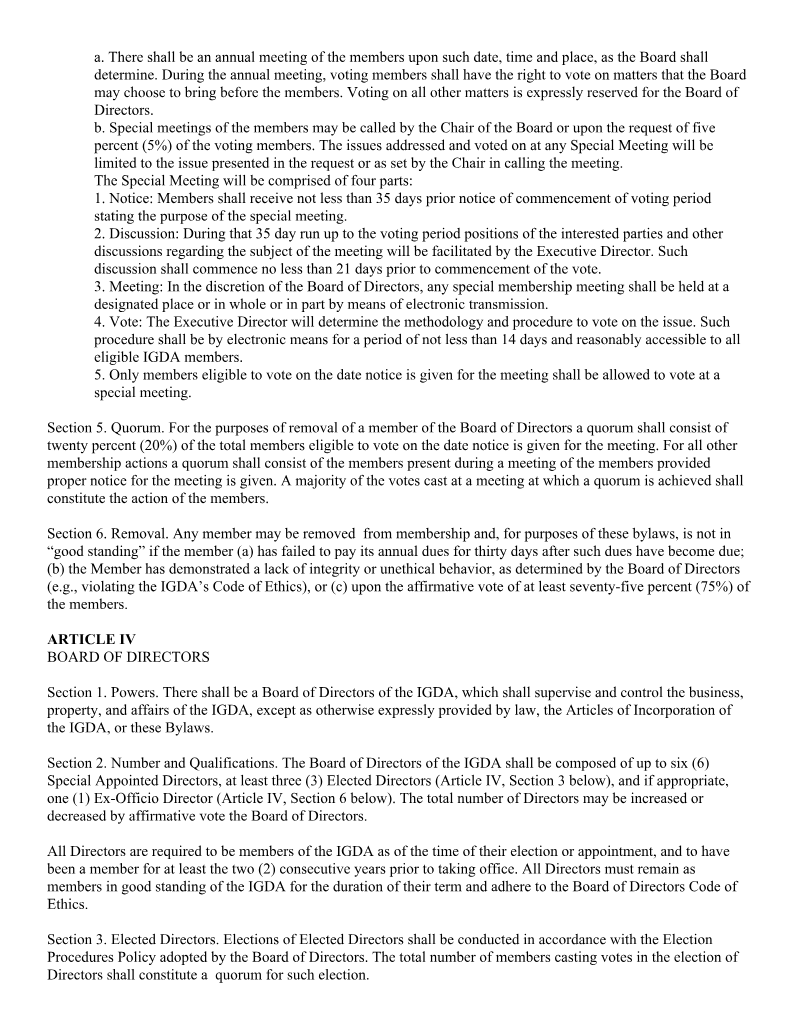
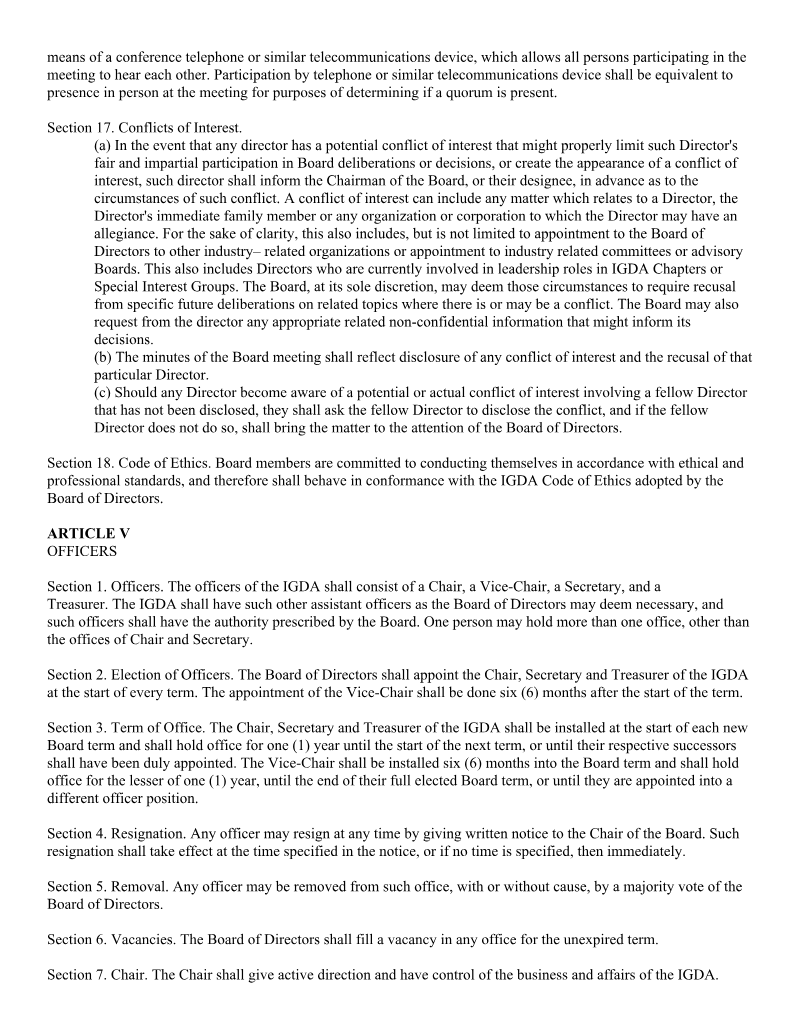
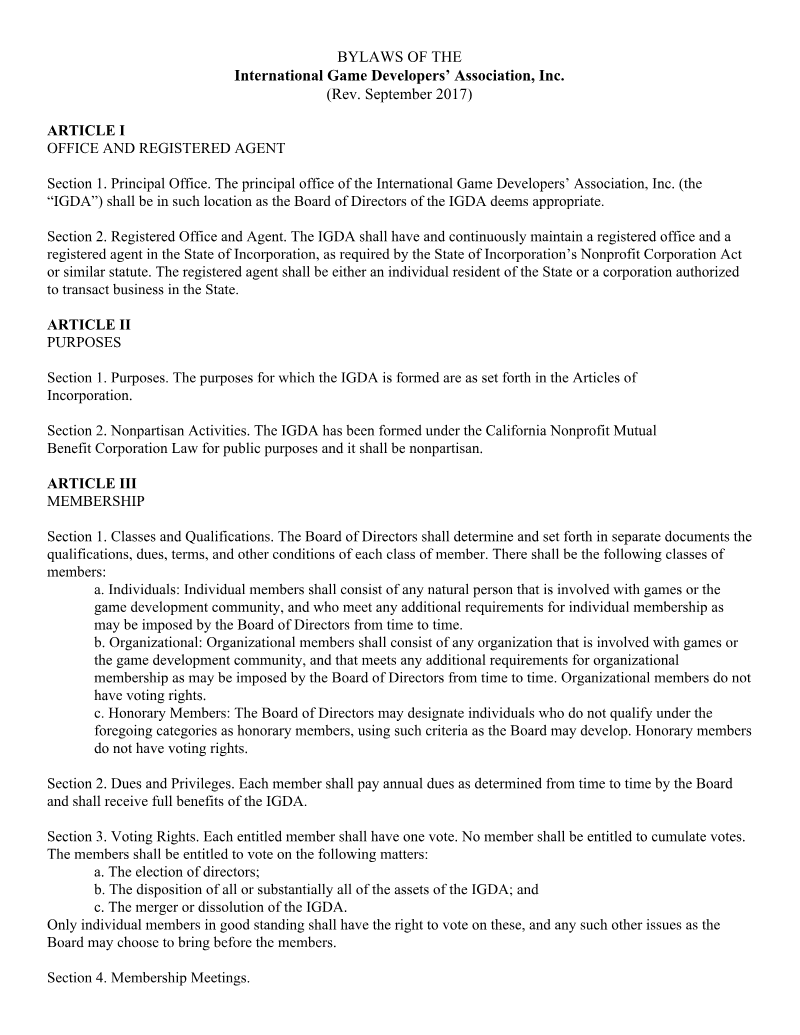
International Game Developers’ Association · 2023
International Game Developers’ Association · 2023
International Game Developers’ Association · 2022
International Game Developers’ Association · 2022

International Game Developers’ Association · 2021
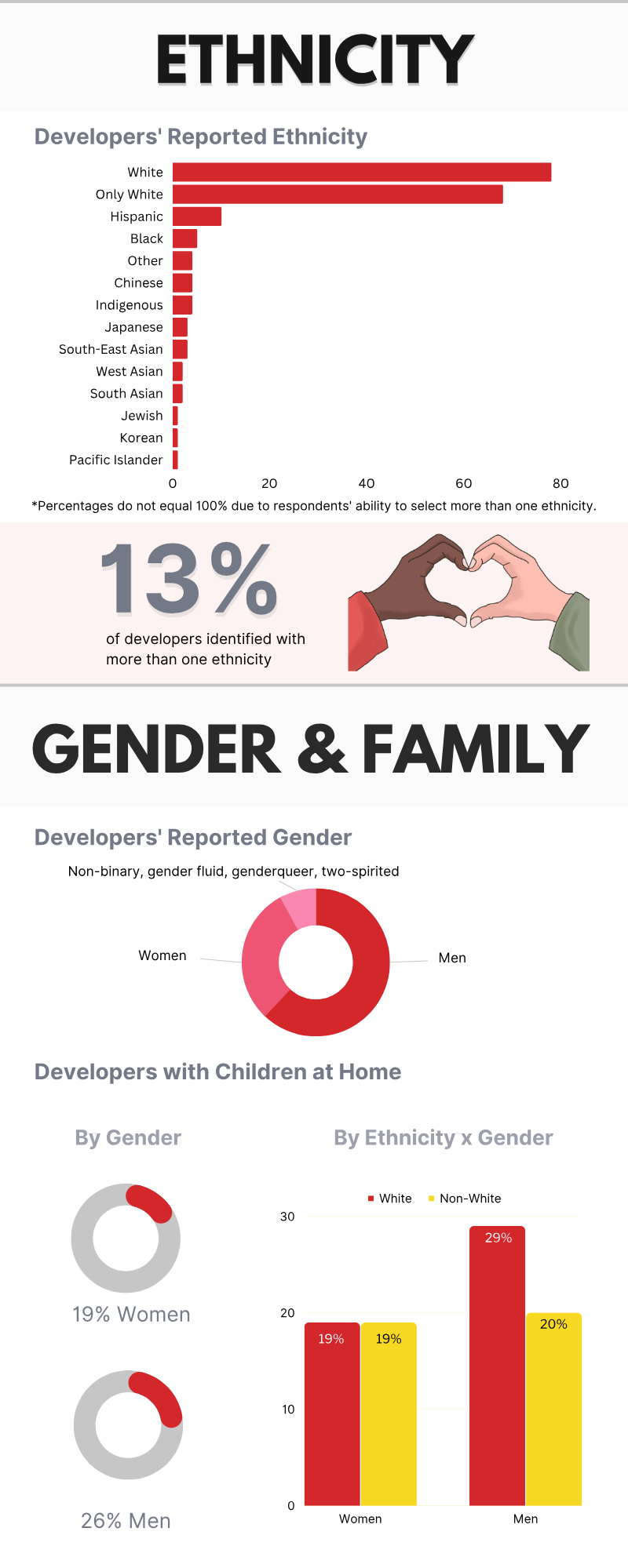
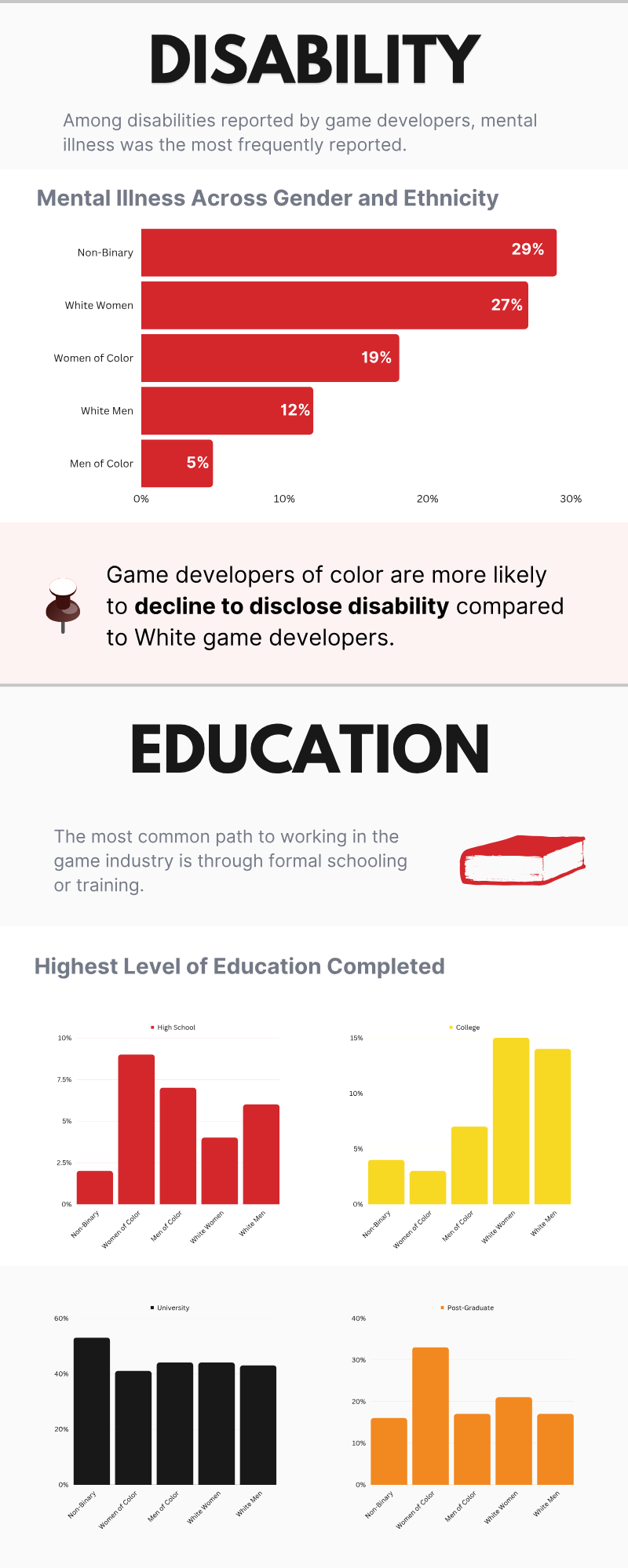
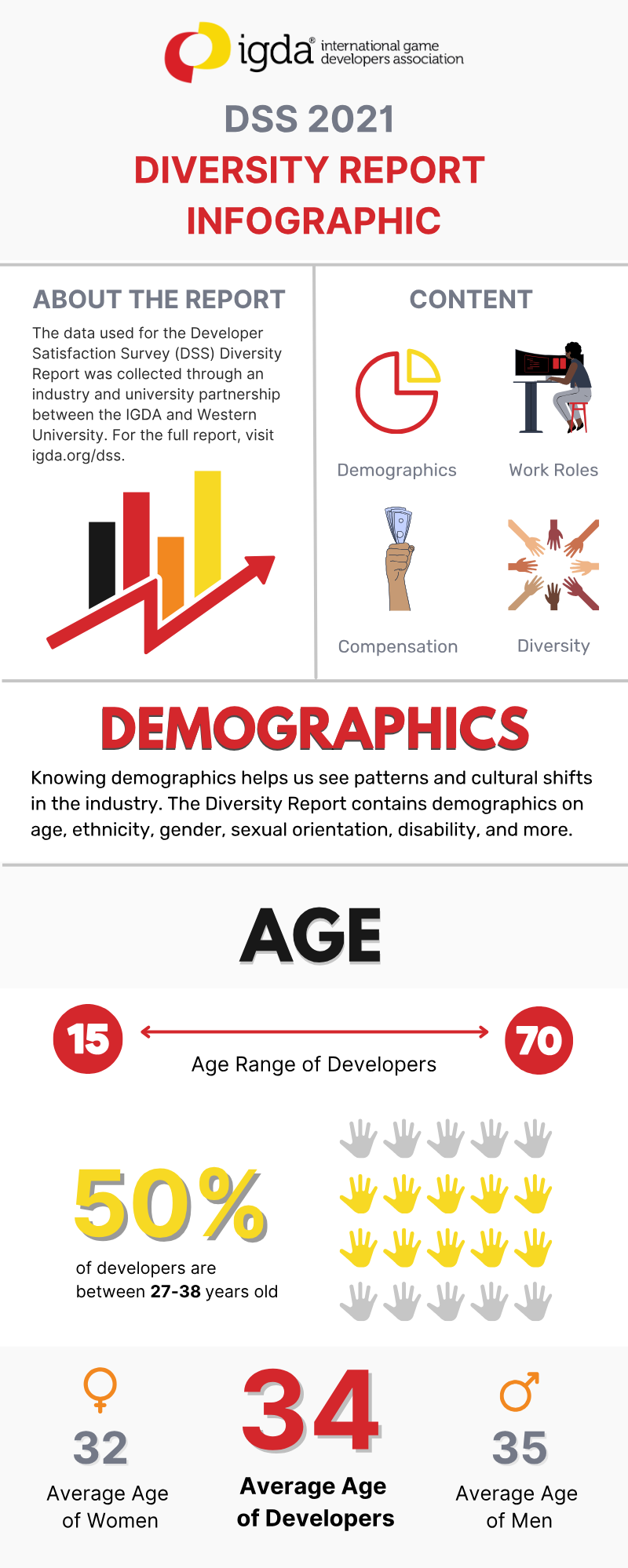
International Game Developers’ Association · 2021
International Game Developers’ Association · 2020


International Game Developers’ Association · 2020


International Game Developers’ Association · 2016
DiGRA · 2023