IFIP International Conference on Entertainment Computing (ICEC)
IFIP TC14 conference on entertainment computing and games, published in Springer LNCS. Older volumes (2002–2012) are free to read on SpringerLink.
Documents

Augmented Adventures: Using Different Perspectives to Design Novel Tabletop Game Experiences
This research explores the design space of integrating Augmented Reality (AR) into tabletop gaming to move beyond simple digital overlays and create meaningful, novel gameplay mechanics.

Through Troubled Waters: A Narrative Game for Anger Regulation
Through Troubled Waters serves as a specialized narrative-based serious game engineered to enhance emotional intelligence by teaching users to recognize, label, and experiment with four distinct anger-regulation strategies.

Linkages Between Gameplay Preferences and Fondness for Game Music
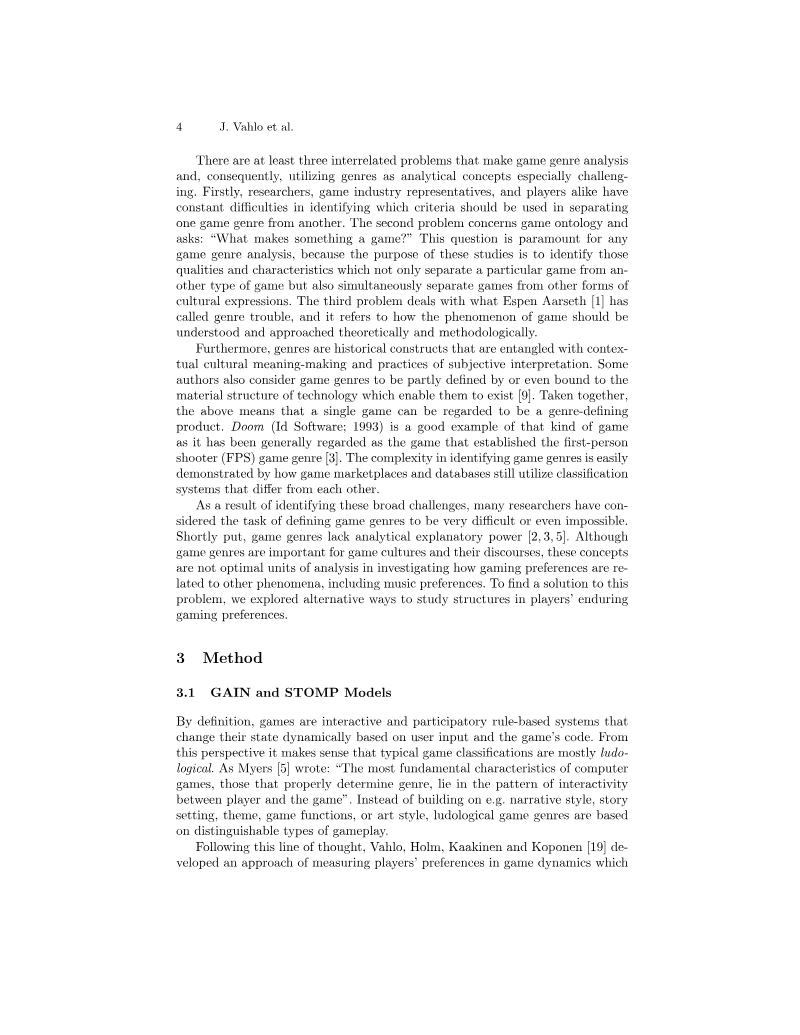
Game music functions as a distinct and independent category of musical preference, deeply embedded in the specific experiential practices of players rather than serving as a mere byproduct of general gaming habits.
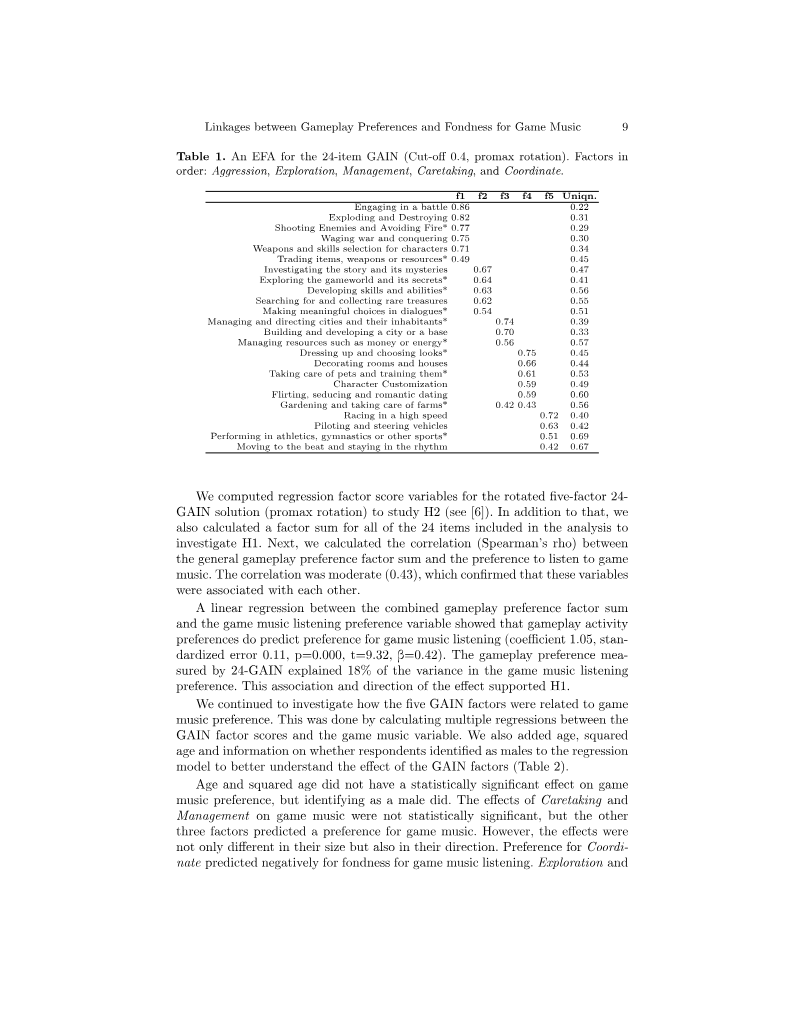
- Aggressive and exploratory gameplay styles are the primary drivers of a player’s fondness for game music.
- Coordinate-based gameplay shows a negative correlation with musical interest, indicating that not all gaming habits contribute equally to audio appreciation.
- Game music functions as an independent category of musical preference, rather than a byproduct of general gaming activity.

The Gilmorehill Mystery: A Location-based Game for Campus Exploration
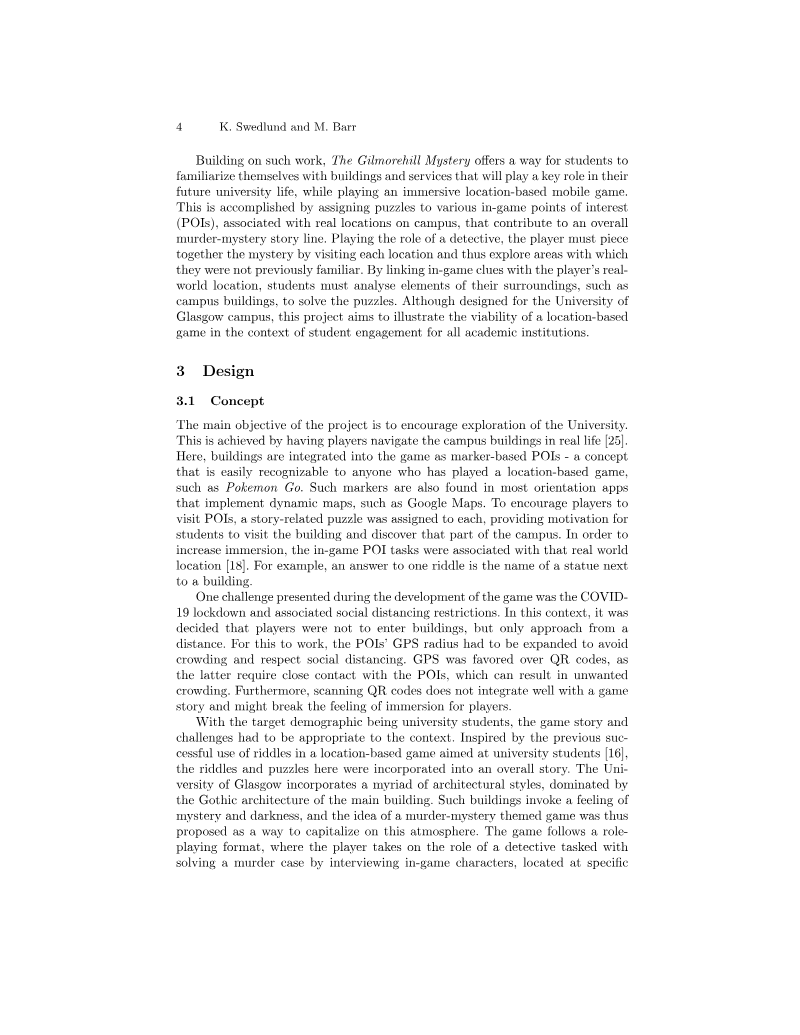
The Gilmorehill Mystery serves as a strategic intervention designed to facilitate the integration of new students into the University of Glasgow campus.
- The Gilmorehill Mystery is a location-based mobile game designed to increase student engagement and campus exploration by utilizing Augmented Reality (AR) to guide users through points of interest (POIs) via a murder-mystery narrative.
- The game utilizes a 'pyramid puzzle' structure where players collect map fragments by solving location-specific riddles, encouraging free-roaming exploration of the University of Glasgow's 150+ buildings.
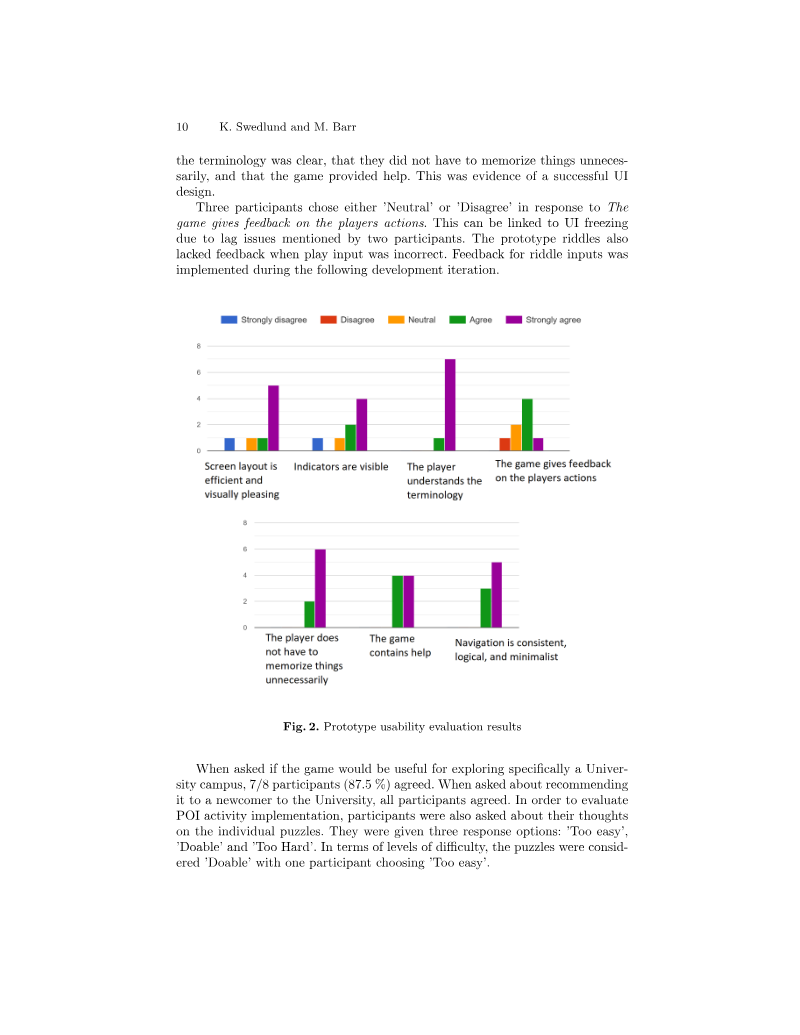
- Evaluation of the full game showed that 75% of participants 'Strongly Agreed' that the story was well-integrated with gameplay, and all participants agreed the game successfully integrated with the physical environment.
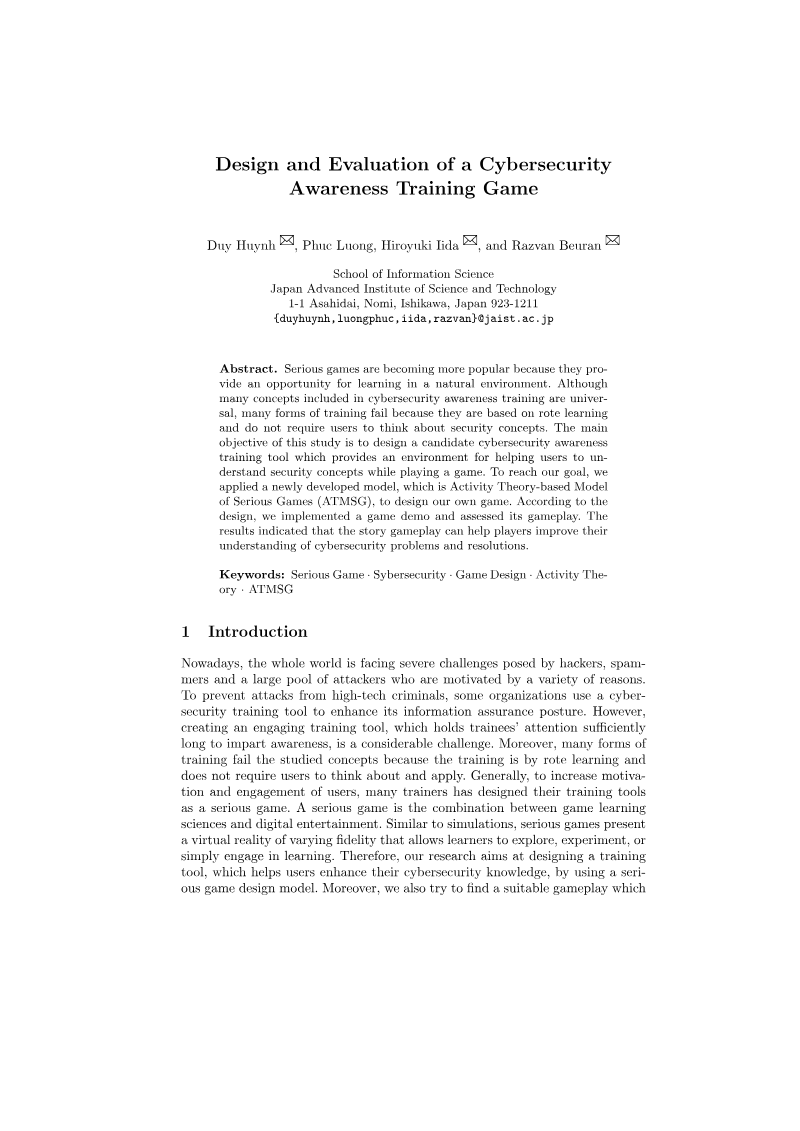


Design and Evaluation of a Cybersecurity Awareness Training Game
This study explores the design and evaluation of a serious game intended to improve cybersecurity awareness among university students.
- The serious game achieved an average score of 8.4 out of 10 for situational understanding and 7.6 for overall cybersecurity knowledge improvement among university students.
- The ATMSG (Activity Theory-based Model of Serious Games) framework successfully aligned educational objectives with game mechanics to teach complex security scenarios like phishing and public information safety.
- Beginner-level participants reported higher satisfaction with the game, finding the visual novel format both novel and accessible for learning cybersecurity concepts.


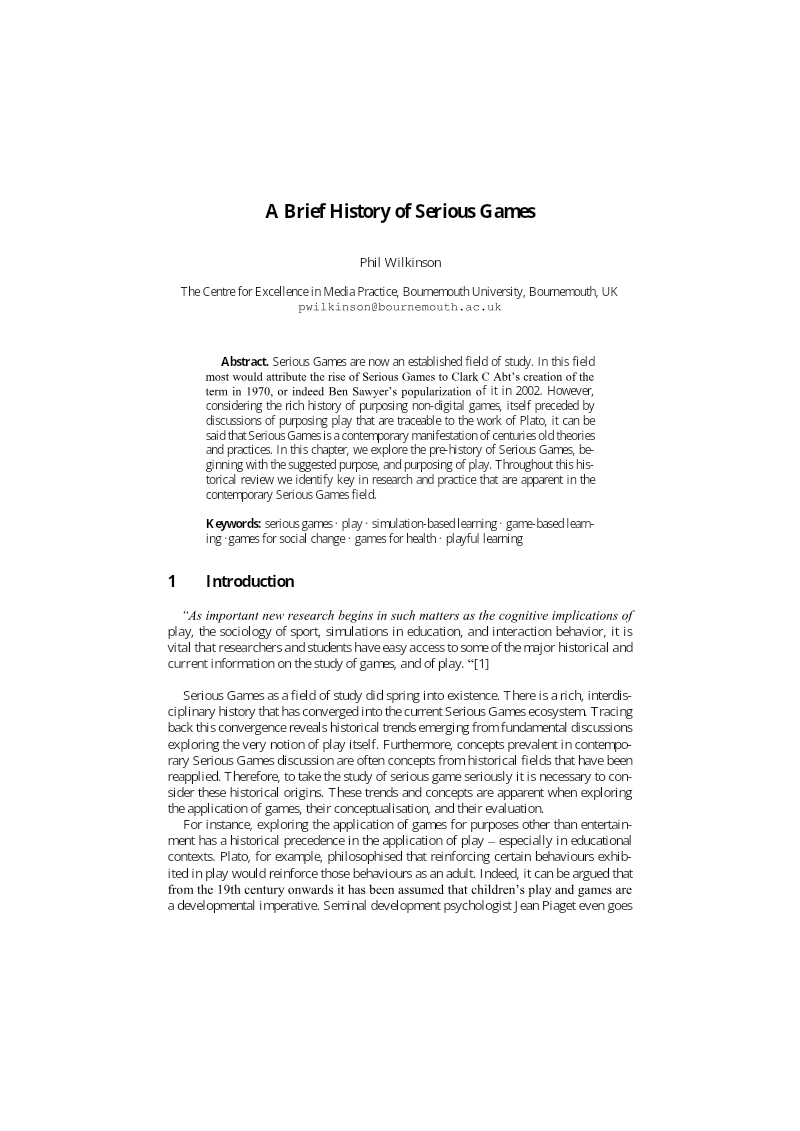
A Brief History of Serious Games
Serious games represent a contemporary evolution of centuries-old theories regarding the utility of play, rather than a modern invention.
- Serious games are not a modern invention but a contemporary application of historical theories on play, with foundational concepts dating back to Plato.
- The field transitioned from early analog simulations to a formalized academic discipline following Clark Abt’s 1970 codification of rule-based, experiential learning.
- The industry underwent significant diversification after 2002, expanding its reach from military and corporate training into healthcare, advertising, and social activism.
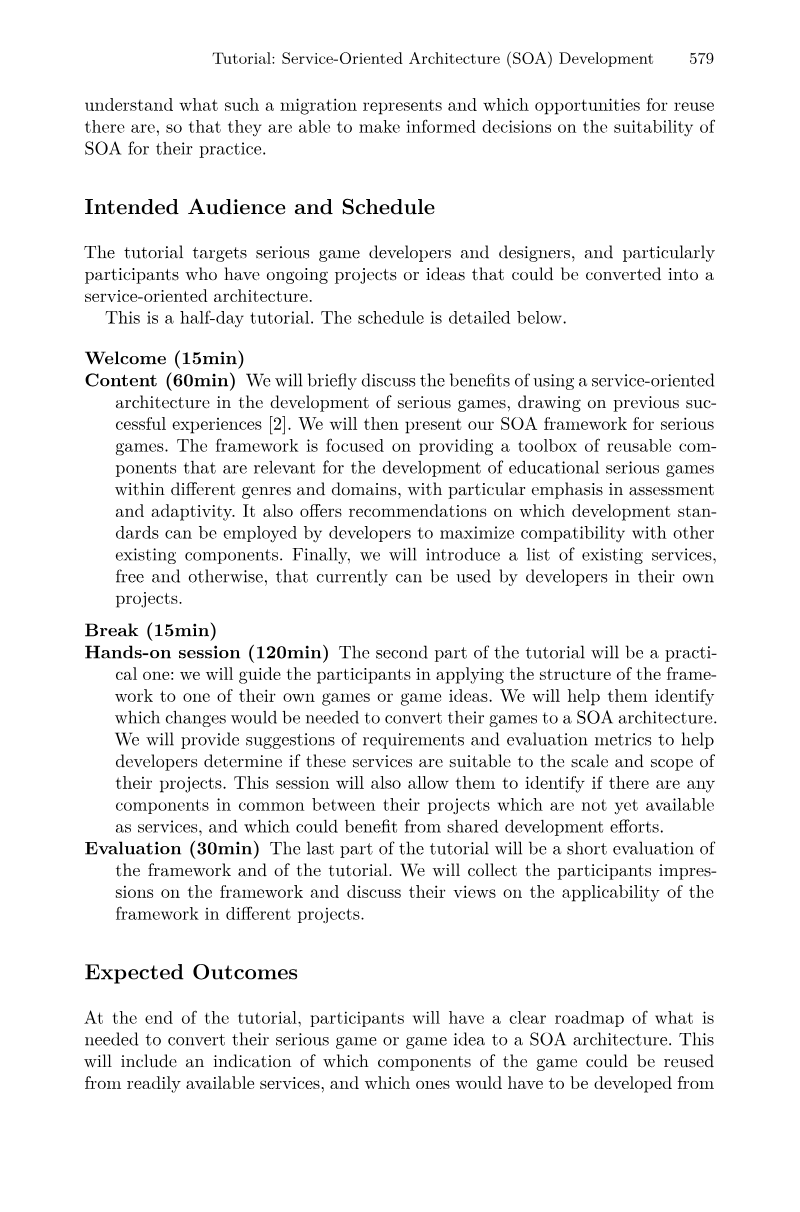
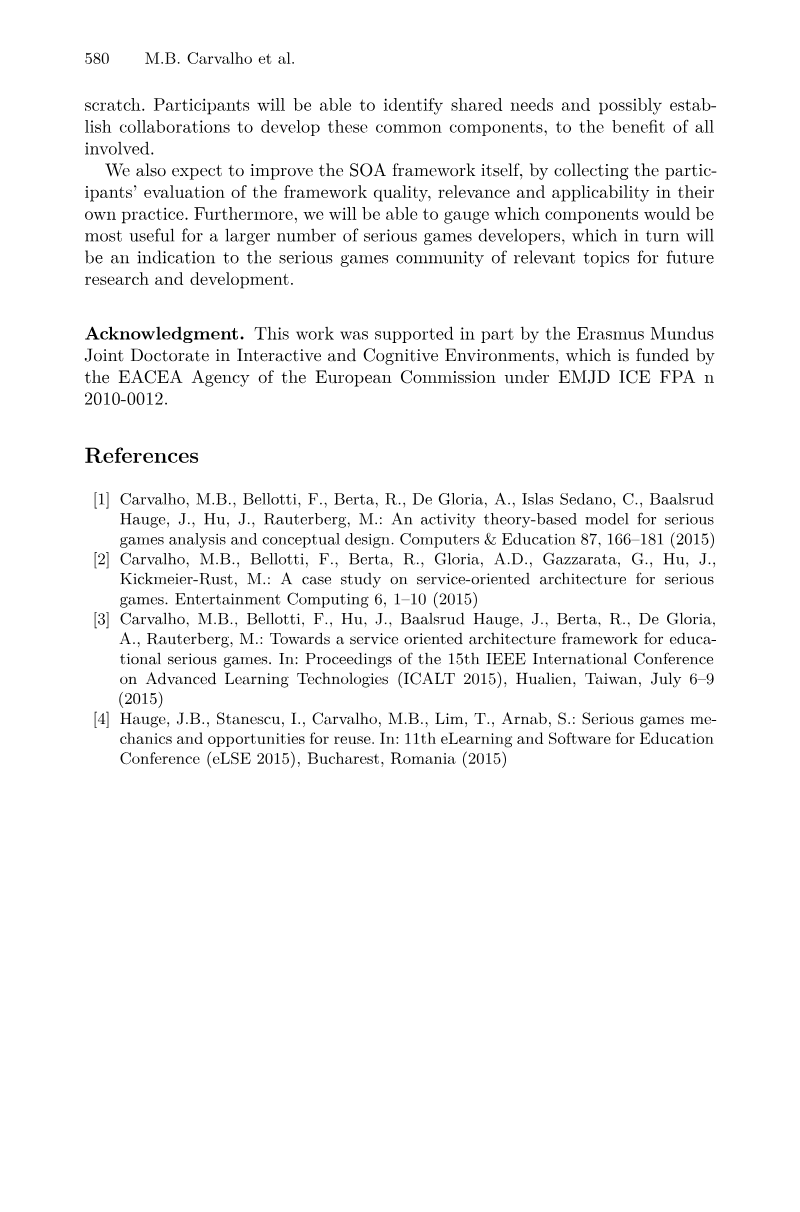
Tutorial: Service-Oriented Architecture (SOA) Development for Serious Games
Serious games are frequently developed as bespoke, one-off products, resulting in high production costs, lengthy development cycles, and limited component reusability.
- Adopting a Service-Oriented Architecture (SOA) addresses the industry-wide inefficiencies of bespoke, one-off serious game development by prioritizing modularity and component reusability.
- The SOA framework utilizes the Activity Theory-based Model for Serious Games to provide a standardized, structured approach to game design and development.
- Developers can reduce redundant production efforts by integrating existing service toolboxes, specifically those focused on assessment and adaptivity features.
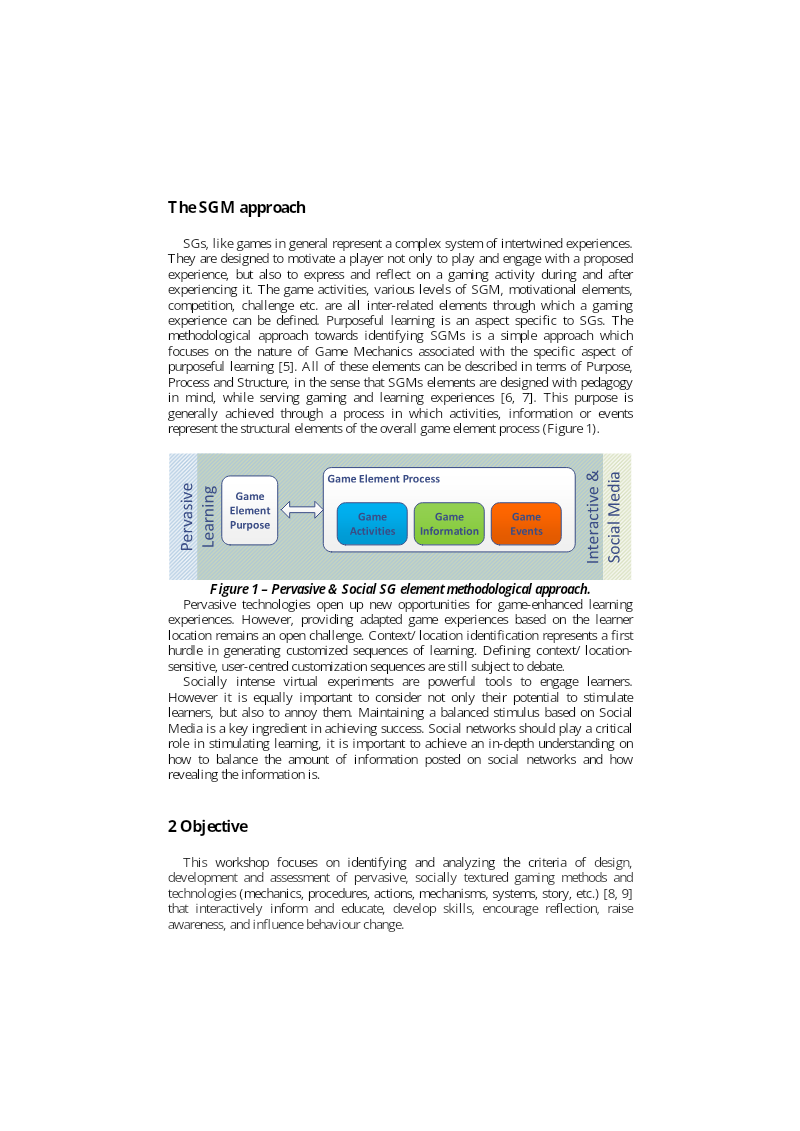
Game Mechanics Supporting Pervasive Learning and Experience: Games, Serious Games, and Interactive & Social Media
The primary objective of this research initiative is to define and analyze the mechanisms required to integrate pervasive gameplay with educational and reflective learning outcomes.
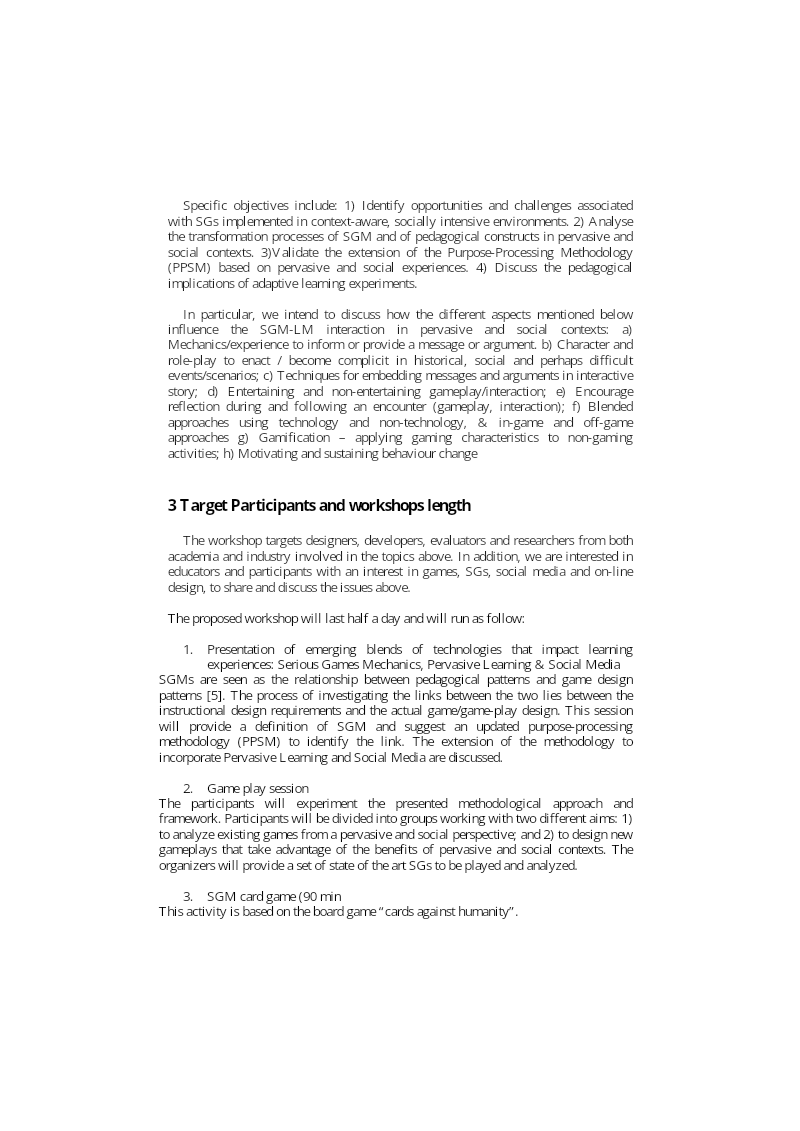
- The Purpose-Processing Model provides a structured framework to map Serious Game Mechanics (SGM) onto pedagogical patterns, bridging the gap between instructional design and technical implementation.
- Successful pervasive learning requires balancing information delivery with the social context to prevent learner fatigue and maintain engagement.
- Integrating context-aware and location-sensitive learning sequences remains a primary technical challenge in the development of effective serious games.
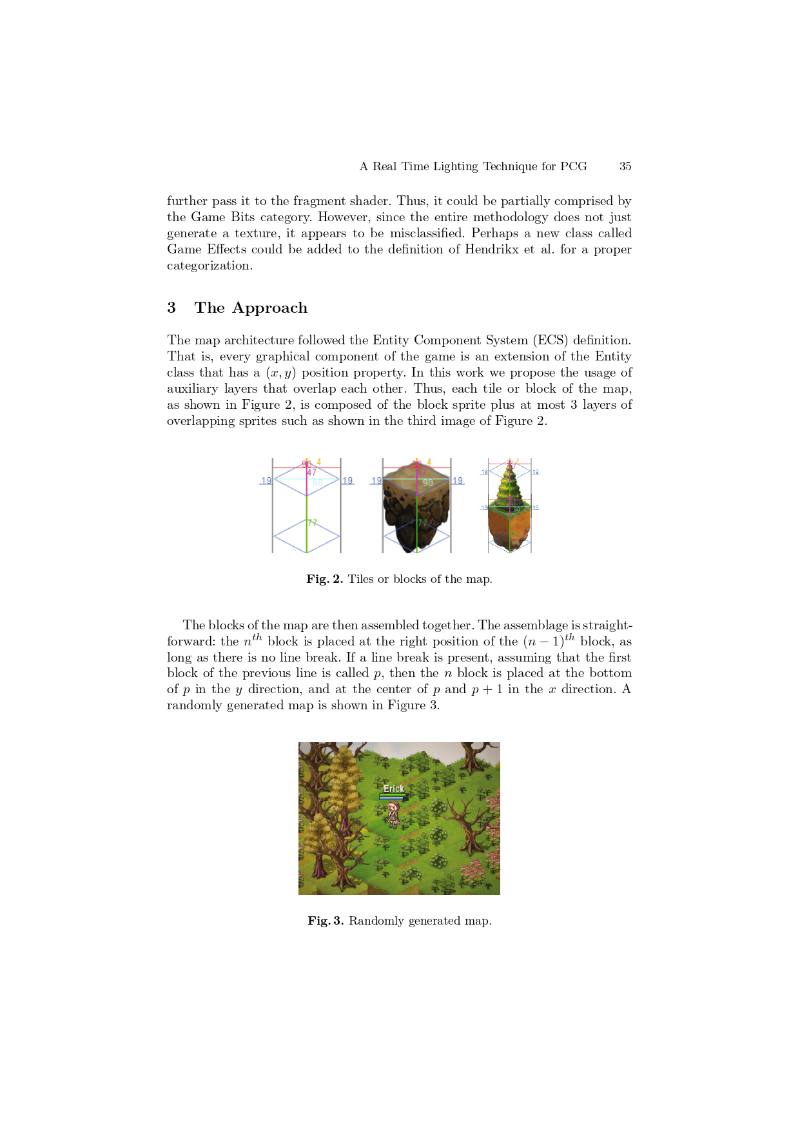
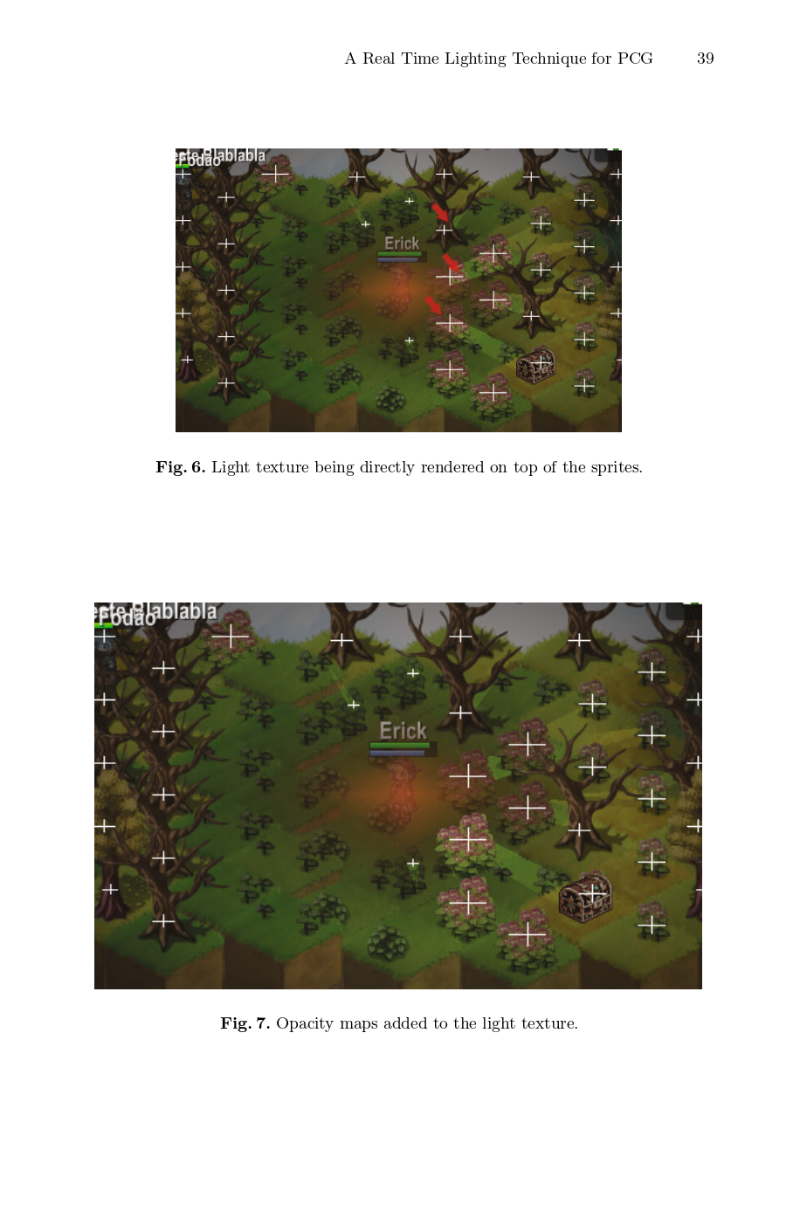
A Real Time Lighting Technique for Procedurally Generated 2D Isometric Game Terrains
This research introduces an automated, real-time lighting technique designed for procedurally generated 2D isometric game environments.
- A new real-time lighting technique enables 3D-like illumination in 2D isometric games by estimating sprite geometry and using opacity maps, eliminating the need for manual 3D modeling.
- The system utilizes a coupled CPU-GPU architecture, employing an adapted Bresenham’s Line Algorithm for ray tracing and a fragment shader with box-blur for rendering.
- Performance testing identifies CPU processing and CPU-GPU communication as the primary system bottlenecks, rather than GPU rendering power.



Evolutionary Changes of Pokemon Game: A Case Study with Focus on Catching Pokemon
The Pokémon franchise maintains long-term player engagement by iteratively refining its core catching mechanics to align with established mathematical models of game balance.
Do you work at IFIP International Conference on Entertainment Computing (ICEC)? Get a free report of how these documents are read and cited here.