1 free read left. Create a free account for unlimited reading + AI research.
Create free accountWhitepaper University of Vienna
1 free read left. Create a free account for unlimited reading + AI research.
Create free accountWhitepaperUniversity of Vienna
The mobile health (mHealth) sector currently suffers from high fragmentation, as numerous independent applications operate as isolated solutions without standardized gamification metrics or clinical validation. This lack of coordination forces users to rely on multiple, often incompatible, applications to achieve health goals. To address these challenges, a unified, user-centered framework is proposed to facilitate cooperation between health professionals and independent game developers. By providing a secure, sandbox-based environment for third-party applications, the framework aims to bridge the gap between clinical intervention requirements and iterative app design.
The proposed architecture centers on a Client Application that serves as a trusted, sandbox-independent interface for users. Key components include a Virtual Individual Model, which aggregates historic user data and environmental context, and an Inference Module that translates clinical guidelines into actionable treatment requests. By utilizing a standardized Gamification API, the framework enables a system-wide reward scheme that ensures motivational metrics are comparable across different applications. This modular approach allows for dynamic, personalized interventions that adapt to specific user characteristics, such as gamer types and behavioral preferences, while simultaneously addressing critical privacy and data security concerns.
Developed under the European Union’s Seventh Framework Programme, this initiative seeks to move beyond static health applications toward responsive, data-driven systems. By formalizing the translation of medical treatments into gamified interventions, the framework provides a scalable structure for integrating professional health expertise into the mobile app ecosystem. While the model is designed to be generalizable across various eHealth domains, future implementation will require further refinement of specific intervention categories and long-term empirical testing to validate the efficacy of its dynamic, context-aware app-selection algorithms.
GAMEHEARTS · 2026
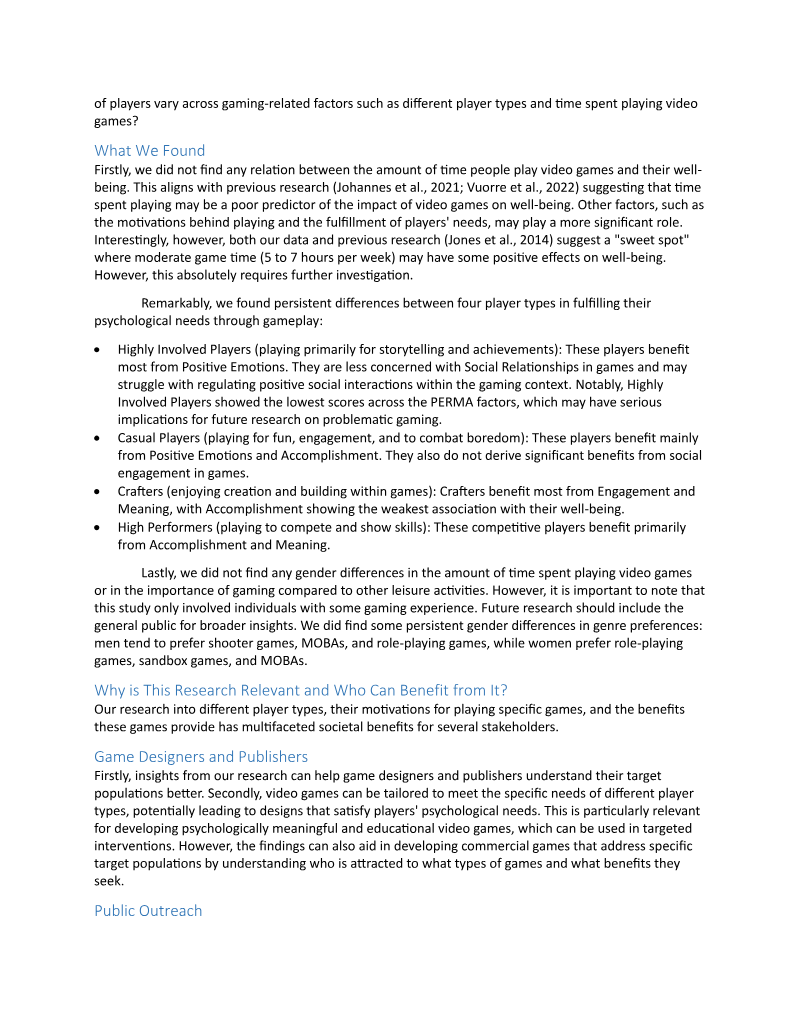
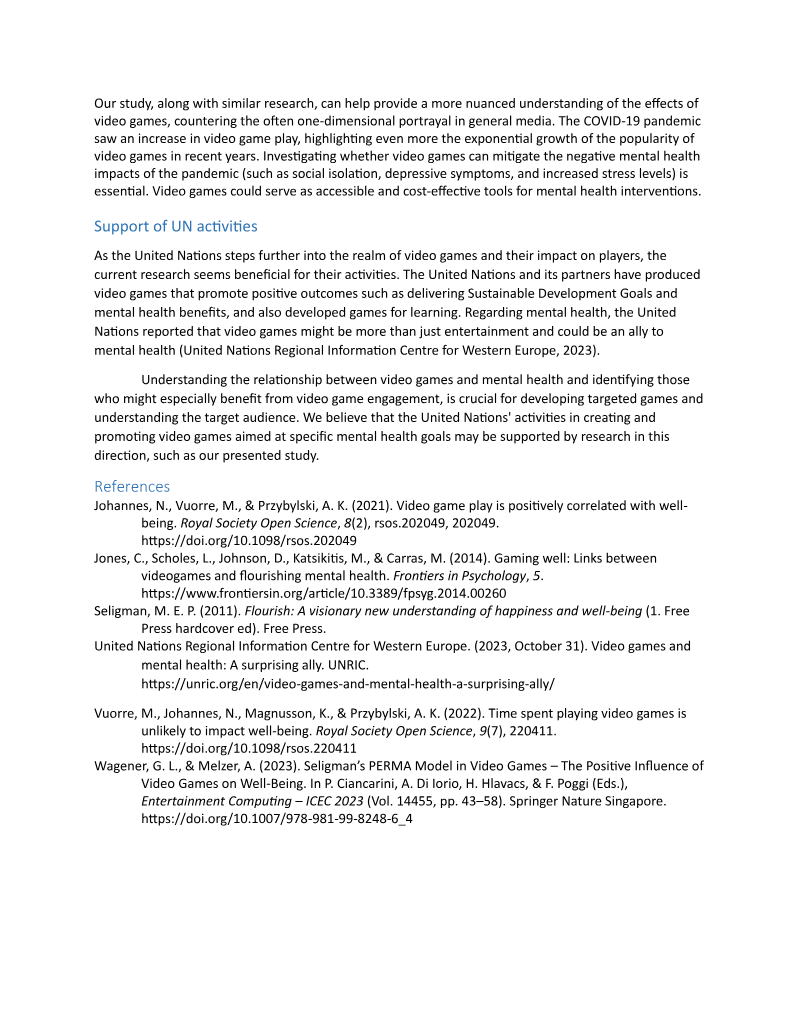
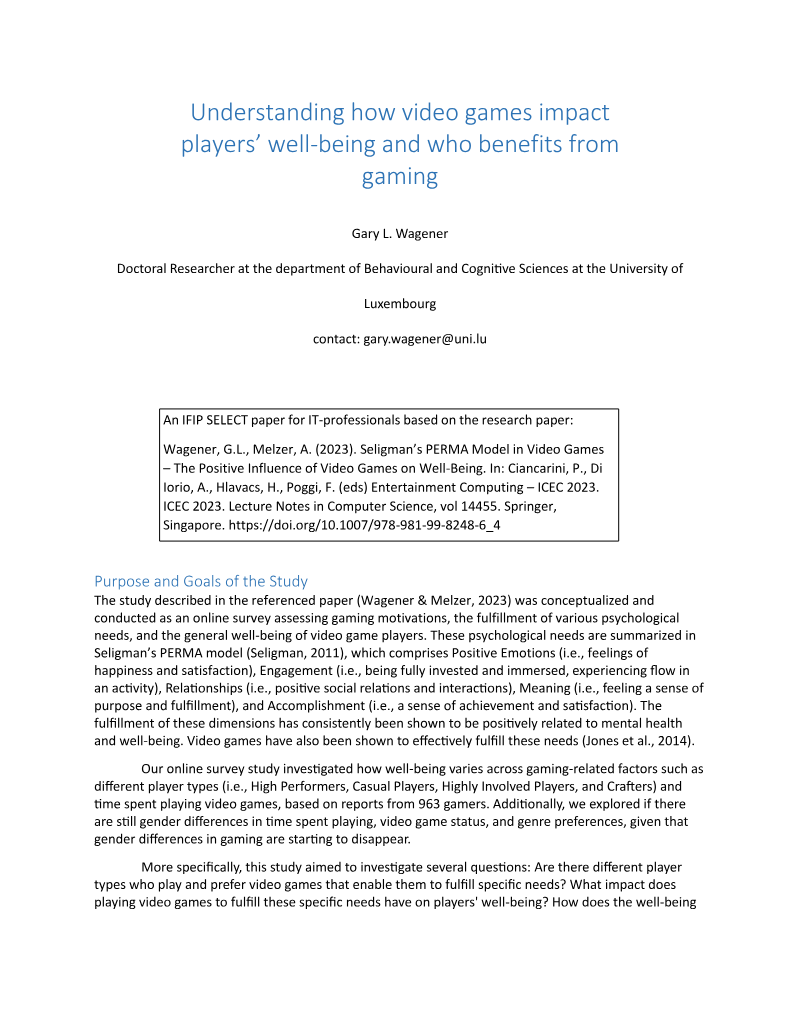
IFIP International Conference on Entertainment Computing (ICEC) · 2023
Springer · 2023
Ludwig Boltzmann Society · 2022
IFIP International Conference on Entertainment Computing (ICEC) · 2022
IFIP International Conference on Entertainment Computing (ICEC) · 2021
University of Glasgow · 2021
IFIP International Conference on Entertainment Computing (ICEC) · 2019
IFIP International Conference on Entertainment Computing (ICEC) · 2018
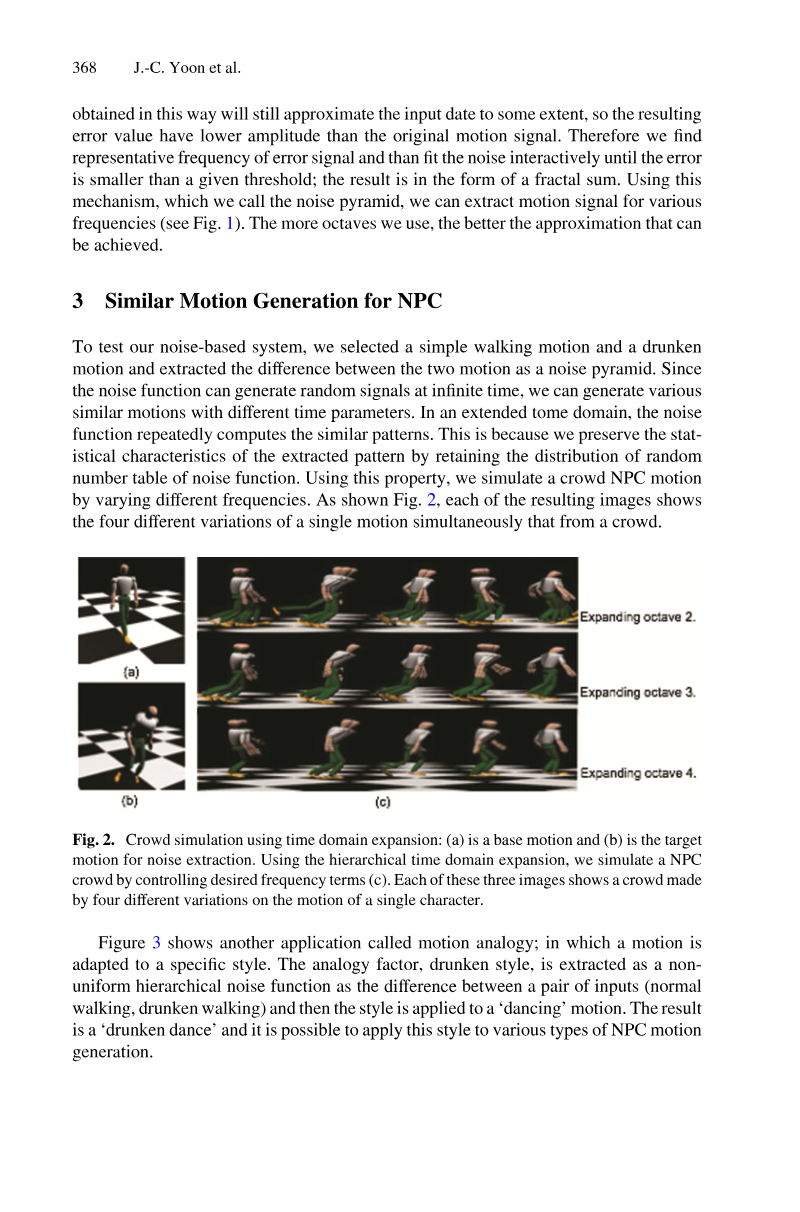
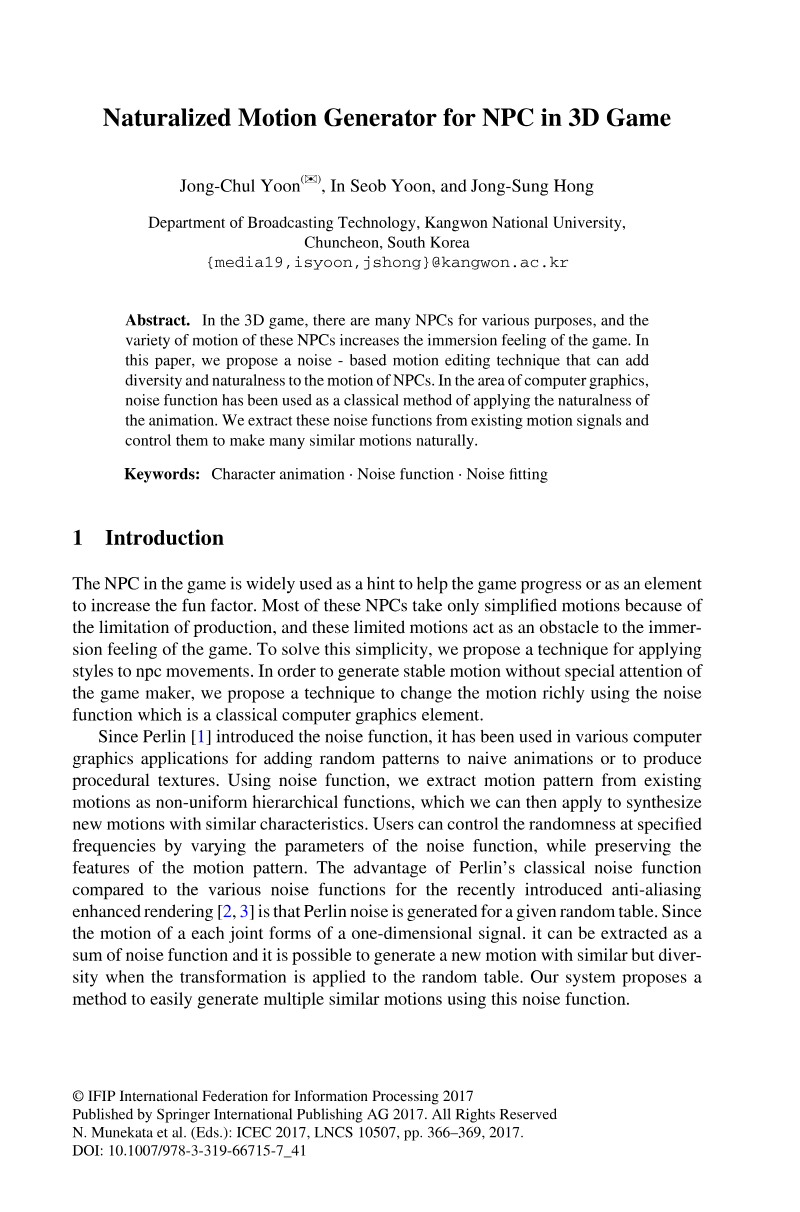
IFIP International Conference on Entertainment Computing (ICEC) · 2017
IFIP International Conference on Entertainment Computing (ICEC) · 2017
IFIP International Conference on Entertainment Computing (ICEC) · 2016
Technical University of Darmstadt · 2019