Games and companies in this document
Connections
Each row is a game or company this document names, each column a document, oldest first. A mark means that document names it. Select a row to see those documents.
More from IFIP International Conference on Entertainment Computing (ICEC)
View all
Whitepaper
Augmented Adventures: Using Different Perspectives to Design Novel Tabletop Game Experiences
Springer · 2023

Whitepaper
Through Troubled Waters: A Narrative Game for Anger Regulation
IFIP International Conference on Entertainment Computing (ICEC) · 2022
Whitepaper
Linkages Between Gameplay Preferences and Fondness for Game Music
IFIP International Conference on Entertainment Computing (ICEC) · 2021

Whitepaper
The Gilmorehill Mystery: A Location-based Game for Campus Exploration
University of Glasgow · 2021
Whitepaper
Design and Evaluation of a Cybersecurity Awareness Training Game
IFIP International Conference on Entertainment Computing (ICEC) · 2017

Whitepaper
Tutorial: Service-Oriented Architecture (SOA) Development for Serious Games
IFIP International Conference on Entertainment Computing (ICEC) · 2015
Whitepaper
Game Mechanics Supporting Pervasive Learning and Experience: Games, Serious Games, and Interactive & Social Media
IFIP International Conference on Entertainment Computing (ICEC) · 2015
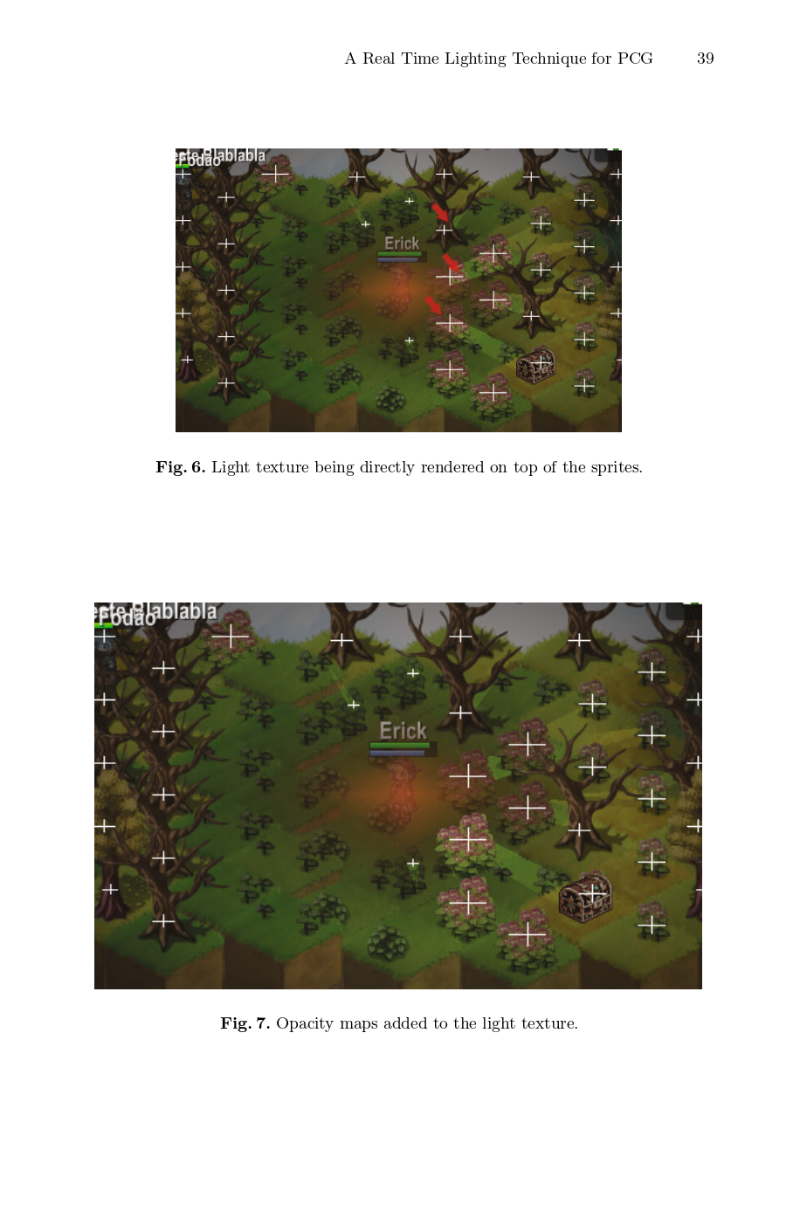
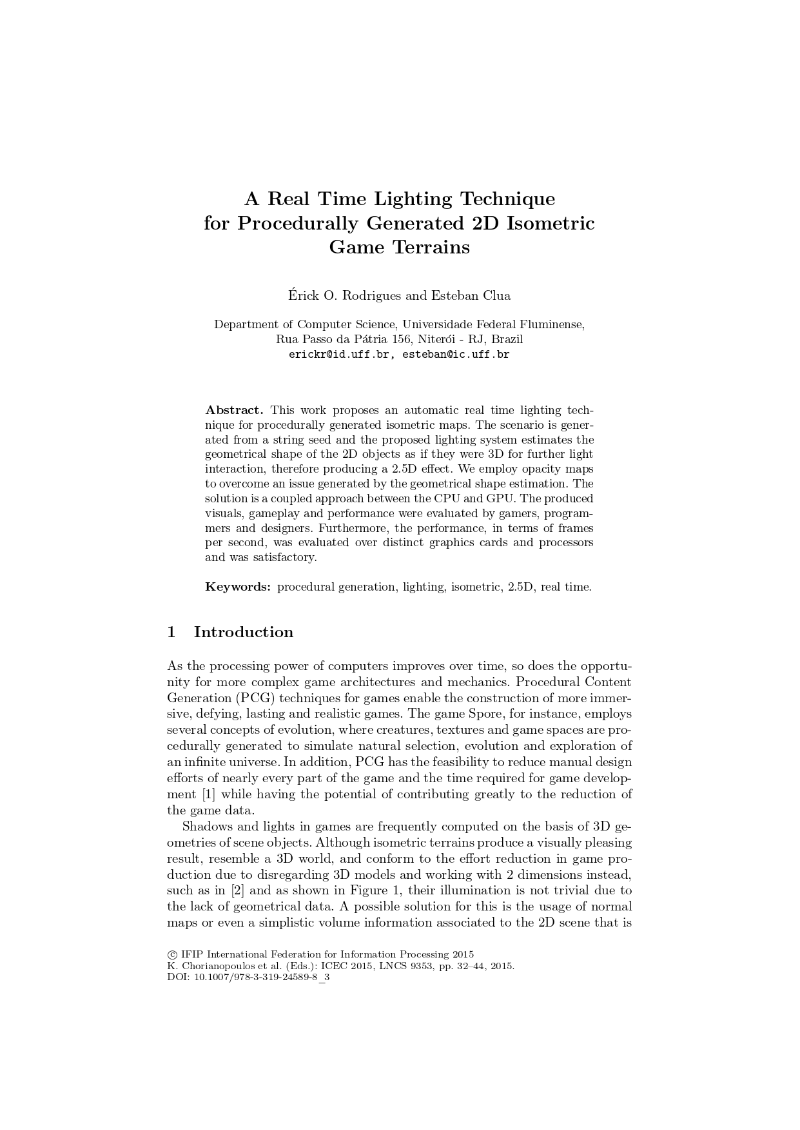
Whitepaper
A Real Time Lighting Technique for Procedurally Generated 2D Isometric Game Terrains
IFIP International Conference on Entertainment Computing (ICEC) · 2015
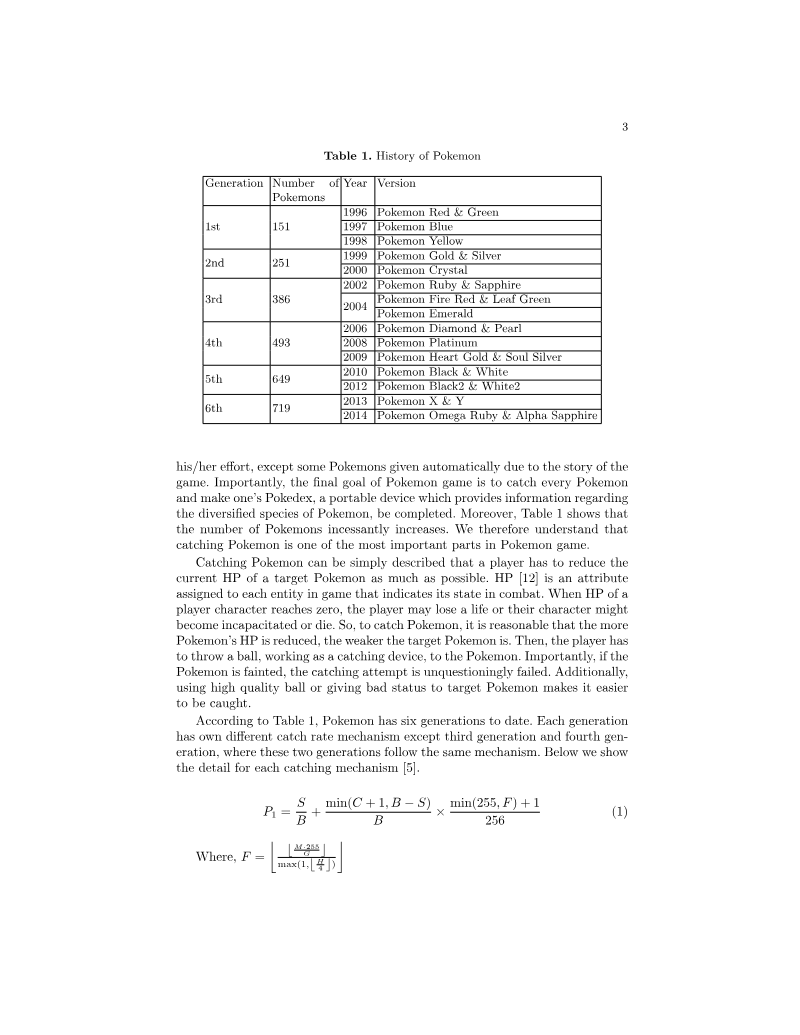
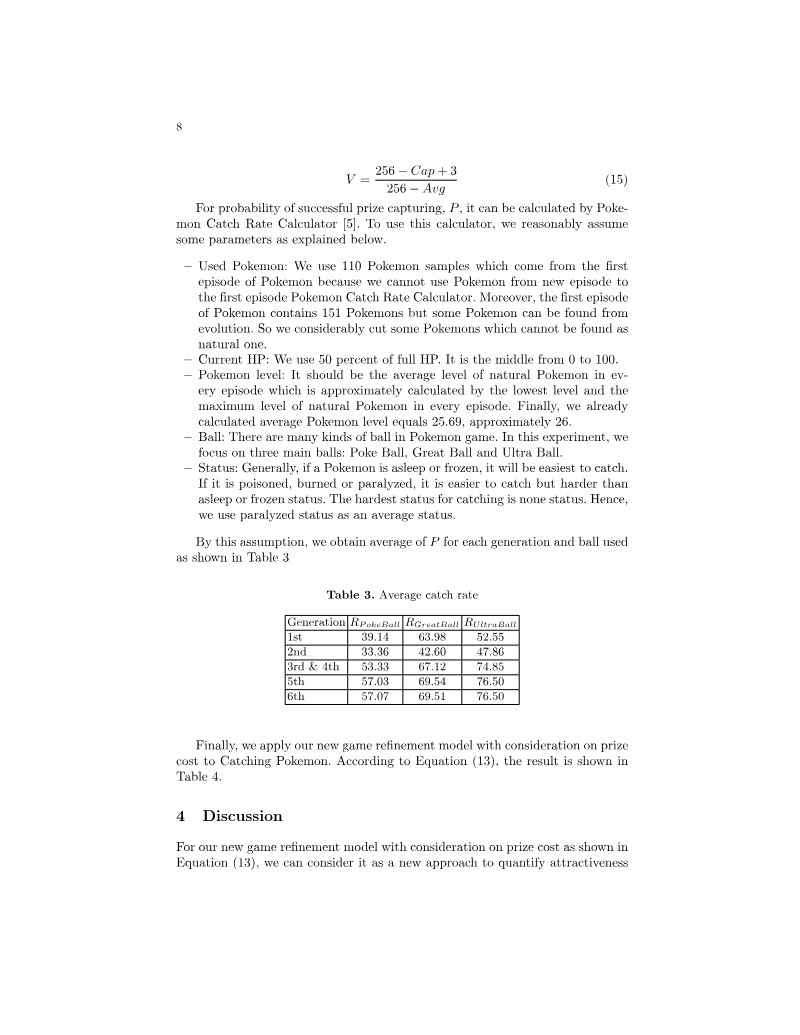
Whitepaper
Evolutionary Changes of Pokemon Game: A Case Study with Focus on Catching Pokemon
Springer · 2015