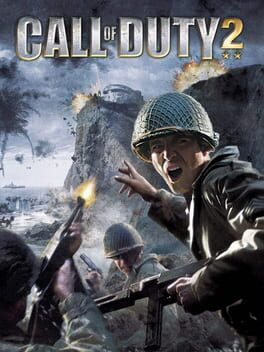
Call of Duty 2
GameBy Infinity Ward · Released Oct 2005
"Call of Duty 2" is a first-person shooter developed by Infinity Ward and published by Activision, serving as the highly acclaimed sequel to the original "Call of Duty." Released in 2005, the game immerses players in the gripping and chaotic battles of World War II across various theaters of war.
Connections
Each row is a game or company named alongside Call of Duty 2, each column a document, oldest first. A mark means that document names it. Select a row to see those documents.
About the game
- Released
- Oct 2005
- Developer
- Infinity Ward
- Publisher
- Activision
- Genres
- Shooter
- Platforms
- PC (Microsoft Windows), Mac, Xbox 360
Game data from IGDB.com
Documents about Call of Duty 2
Call of Duty 2 vs 2 Mode | Games ReCAP Episode 024
The introduction of a 2v2 mode in Call of Duty: Modern Warfare represents a strategic pivot toward high-intensity, skill-based combat designed to counter the growing fatigue associated with the battle royale genre.
- The Call of Duty franchise should transition from an annual release model to a persistent, unified games-as-a-service platform to prevent user base fragmentation and mitigate development burnout.
- The introduction of a 2v2 mode in Modern Warfare serves as a strategic pivot toward high-intensity, skill-based combat to counter player fatigue with slower, loot-heavy battle royale mechanics.
- Future shooter development must shift away from simple survival and scavenging toward objective-based, tactical gameplay that integrates real-time strategy elements and complex team dynamics.
Human, All Too Non-Human: Coop AI and the Conversation of Action
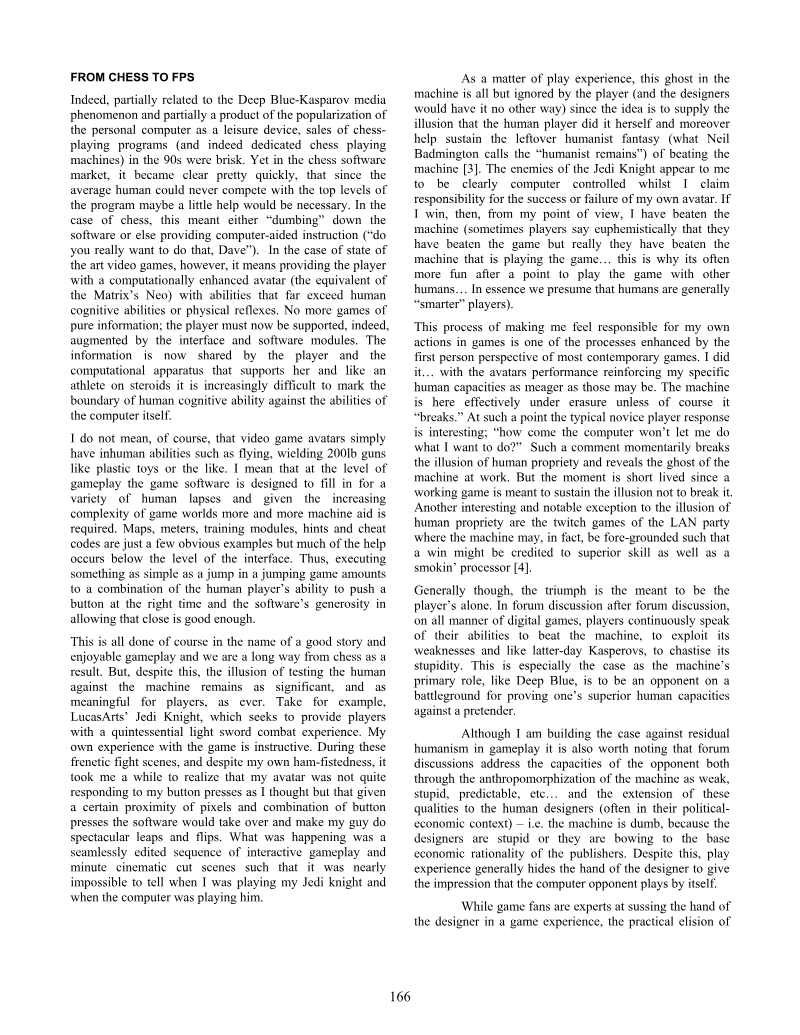
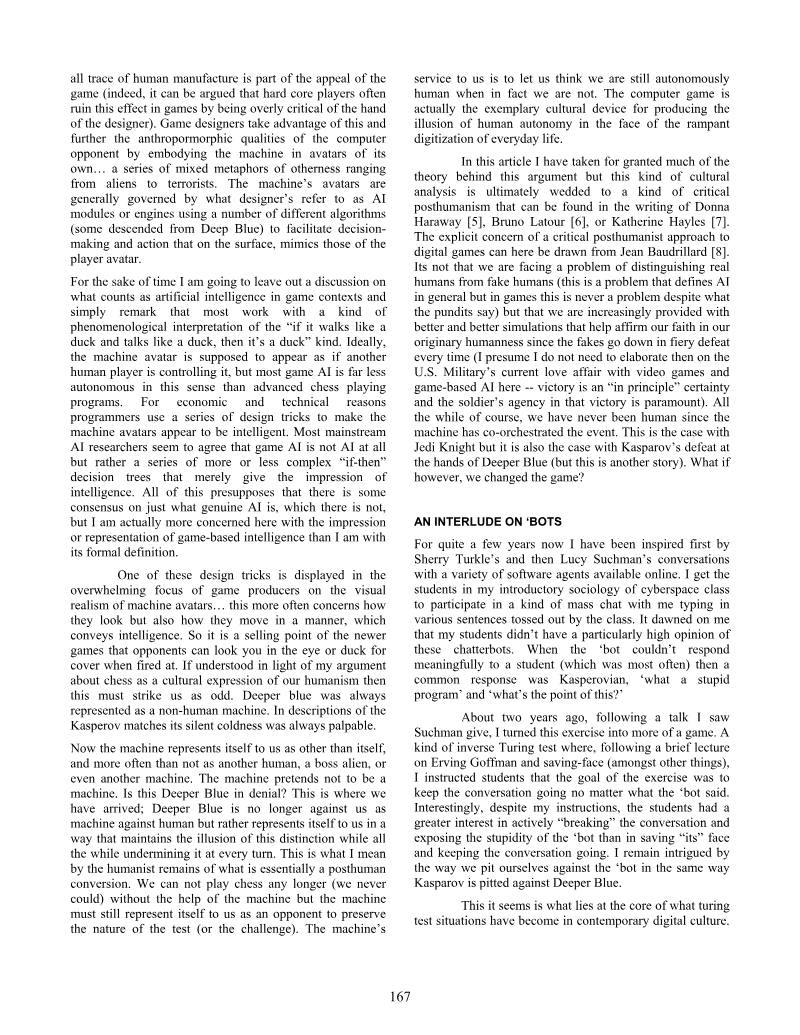
Bart Simon's paper examines how cooperative artificial intelligence in contemporary digital games, particularly Activision's Call of Duty 2, reshapes the relationship between players and machines compared with the competitive human-versus-computer framing established by chess and the 1997 Deep Blue–Kasparov match.
- Simon argues that single-player games often preserve a "humanist remains" by hiding machine labor behind an illusion of individual human mastery, whereas cooperative AI foregrounds a "conversation of actions" in which players must continually track and adapt to non-human comrades.
- The paper frames cooperative AI as a move toward critical posthumanism, drawing on Haraway, Latour, Hayles, and Baudrillard, and uses Mori's uncanny valley to describe the unsettling yet productive tension it creates.
- Simon contends that cooperative AI opens exploratory space that competitive, Turing-style AI (exemplified by chess and the 1997 Deep Blue–Kasparov match) has largely closed off.