1 free read left. Create a free account for unlimited reading + AI research.
Create free accountWhitepaper European Conference on Games Based Learning (ECGBL)
1 free read left. Create a free account for unlimited reading + AI research.
Create free accountWhitepaperEuropean Conference on Games Based Learning (ECGBL)
The study responds to a noted research gap, since empathy-focused game design for young children has limited empirical grounding.
This study examines the design challenges of building virtual reality games intended to foster empathy in young children aged six to nine. The authors developed a VR Empathy Game prototype built around a Russian fairy tale, in which players interact with four characters representing basic emotions (fear, anger, happiness, and sadness) and are implicitly prompted to perform prosocial actions such as hugging. The central concern is the difficulty children may have in distinguishing extrinsic game goals, such as completing the quest, from intrinsic learning goals, such as recognizing and responding to characters' feelings. The work responds to a noted gap in research, since empathy-focused game design for young children has few established frameworks and limited empirical grounding.
The study uses an interpretive qualitative case study methodology with 15 children, selected through purposeful sampling to include a range of empathy and social skill levels. Data came from pre- and post-surveys, observations, interviews, and empathy scale assessments, analyzed through thematic coding with reported inter-rater agreement of 77 percent. The paper focuses on one representative case, a seven-year-old boy whose empathy score was low, and who is described as representing a group of four participants. He completed the game in roughly thirty minutes, yet showed little evidence of recognizing characters' emotions, treating them primarily as sources of clues rather than as social partners. The authors argue this reflects a misalignment between extrinsic and intrinsic goals rather than a usability problem, as navigation and controls posed no notable difficulty.
The authors conclude that intrinsic learning goals should be central to empathy games and that extrinsic goals must be structured to guide children toward them. They recommend additional scaffolding for low-empathy children, including reflective questions and reminders to engage with characters, and suggest follow-up research on gender-differentiated narratives. Because the findings rest on a small, single-case analysis with a non-generalizable sample, they are best understood as exploratory design lessons rather than established effects.



European Conference on Games Based Learning (ECGBL) · 2026



European Conference on Games Based Learning (ECGBL) · 2026



European Conference on Games Based Learning (ECGBL) · 2026



European Conference on Games Based Learning (ECGBL) · 2026



European Conference on Games Based Learning (ECGBL) · 2026



European Conference on Games Based Learning (ECGBL) · 2026



European Conference on Games Based Learning (ECGBL) · 2026



European Conference on Games Based Learning (ECGBL) · 2026



European Conference on Games Based Learning (ECGBL) · 2026



European Conference on Games Based Learning (ECGBL) · 2026



European Conference on Games Based Learning (ECGBL) · 2026



European Conference on Games Based Learning (ECGBL) · 2026
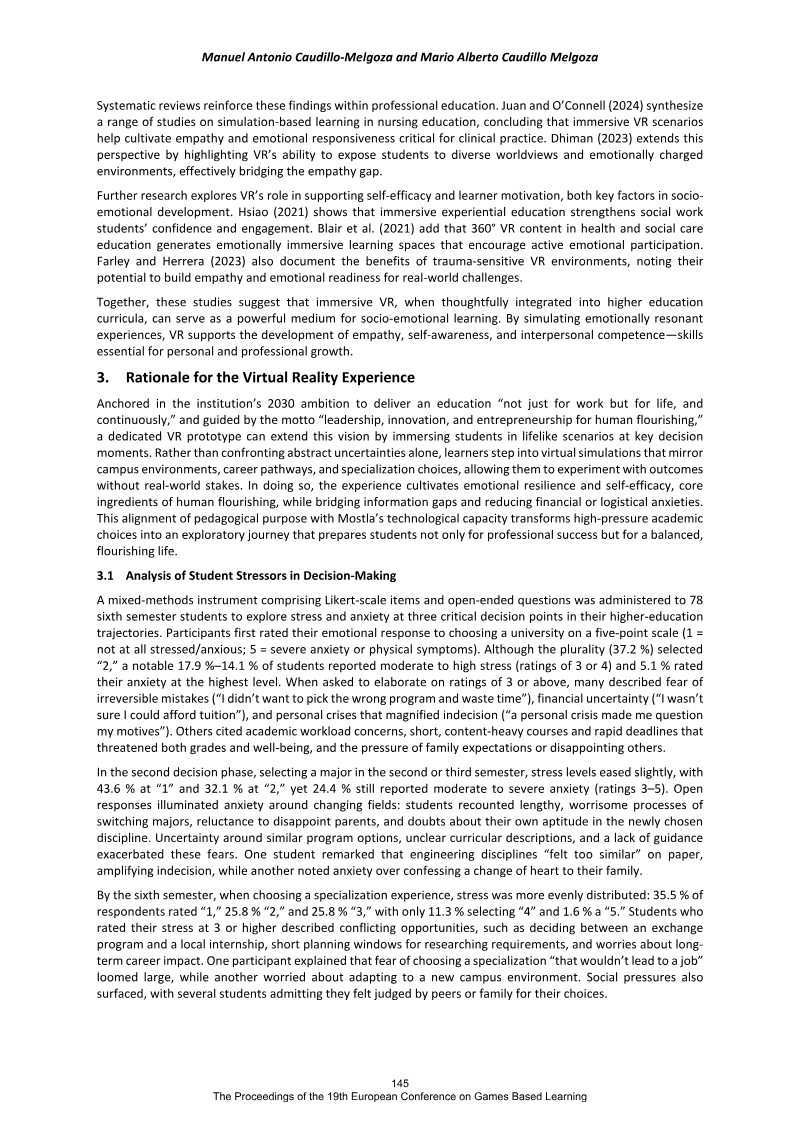
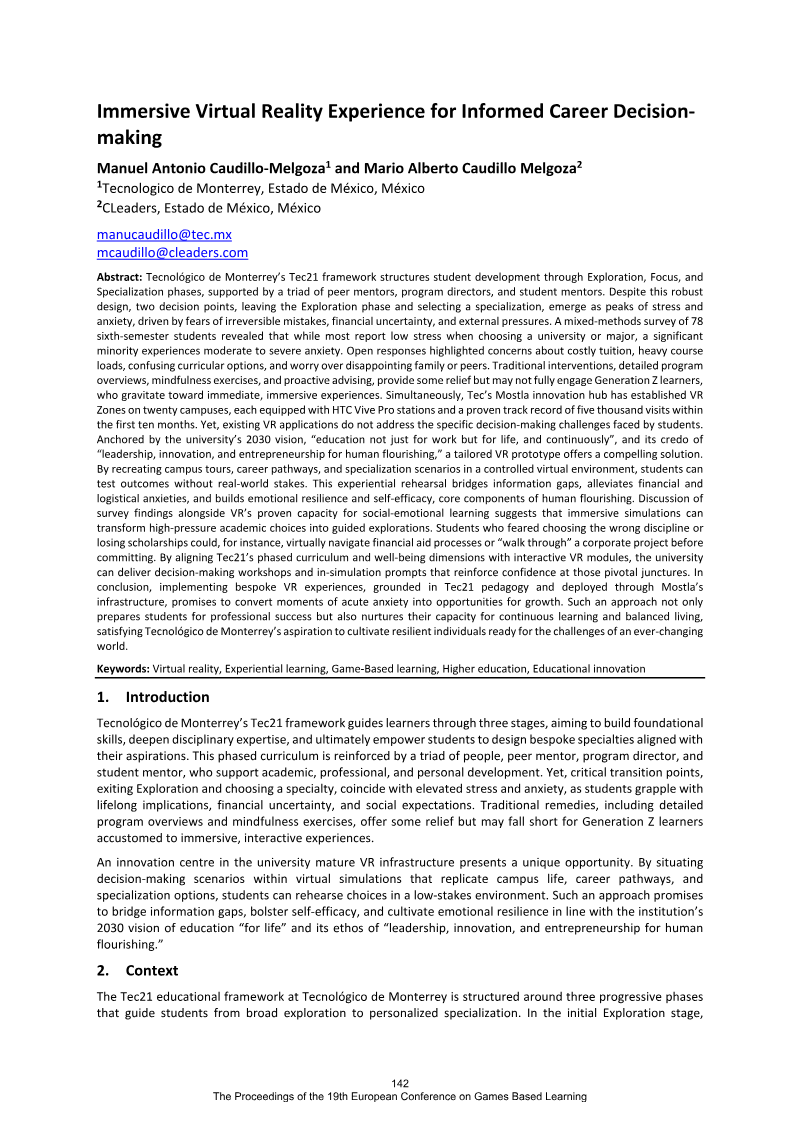
European Conference on Games Based Learning (ECGBL) · 2025
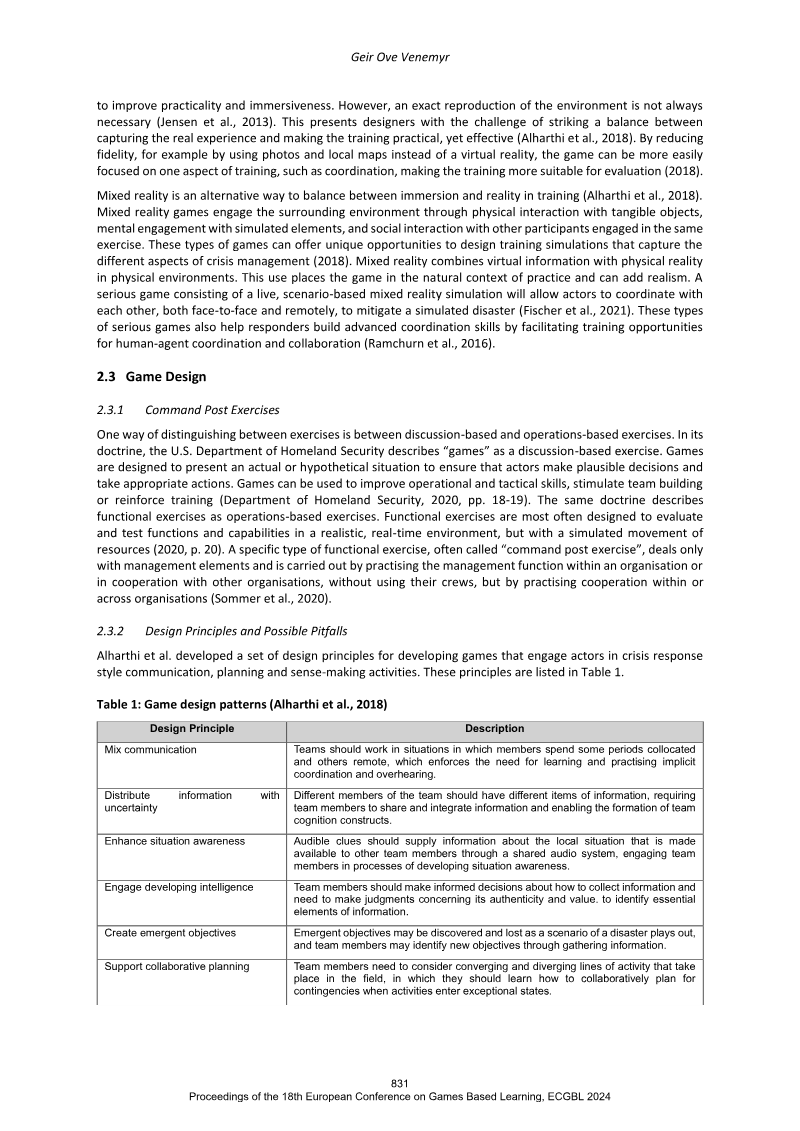
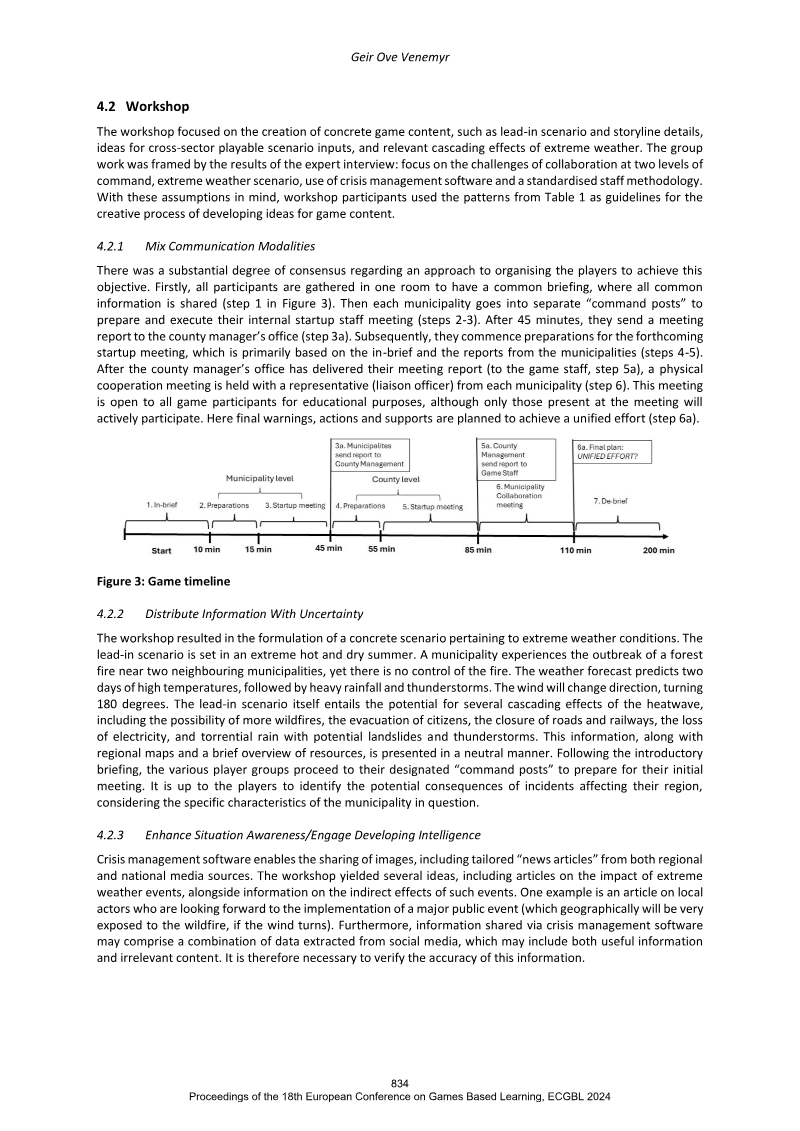
European Conference on Games Based Learning (ECGBL) · 2024
European Conference on Games Based Learning (ECGBL) · 2024