1 free read left. Create a free account for unlimited reading + AI research.
Create free accountWhitepaper European Conference on Games Based Learning (ECGBL)
1 free read left. Create a free account for unlimited reading + AI research.
Create free accountWhitepaperEuropean Conference on Games Based Learning (ECGBL)
The work is motivated by the emotional and behavioural difficulties commonly associated with adolescence.
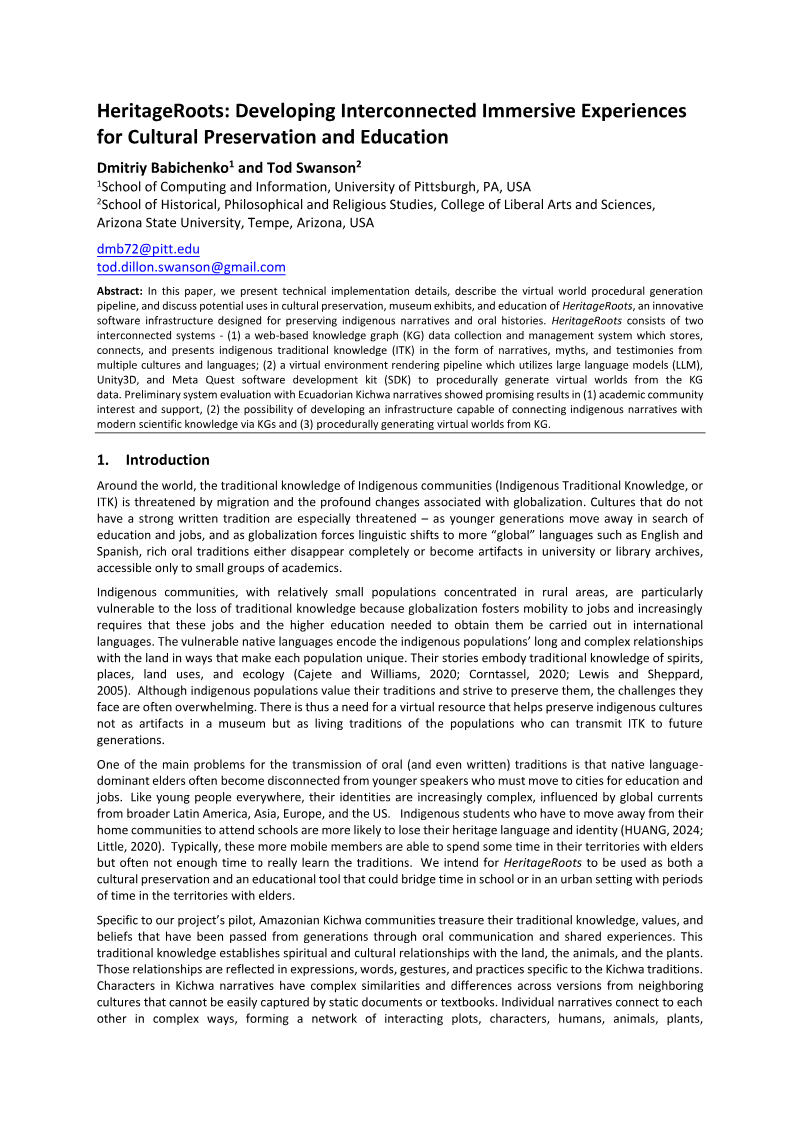
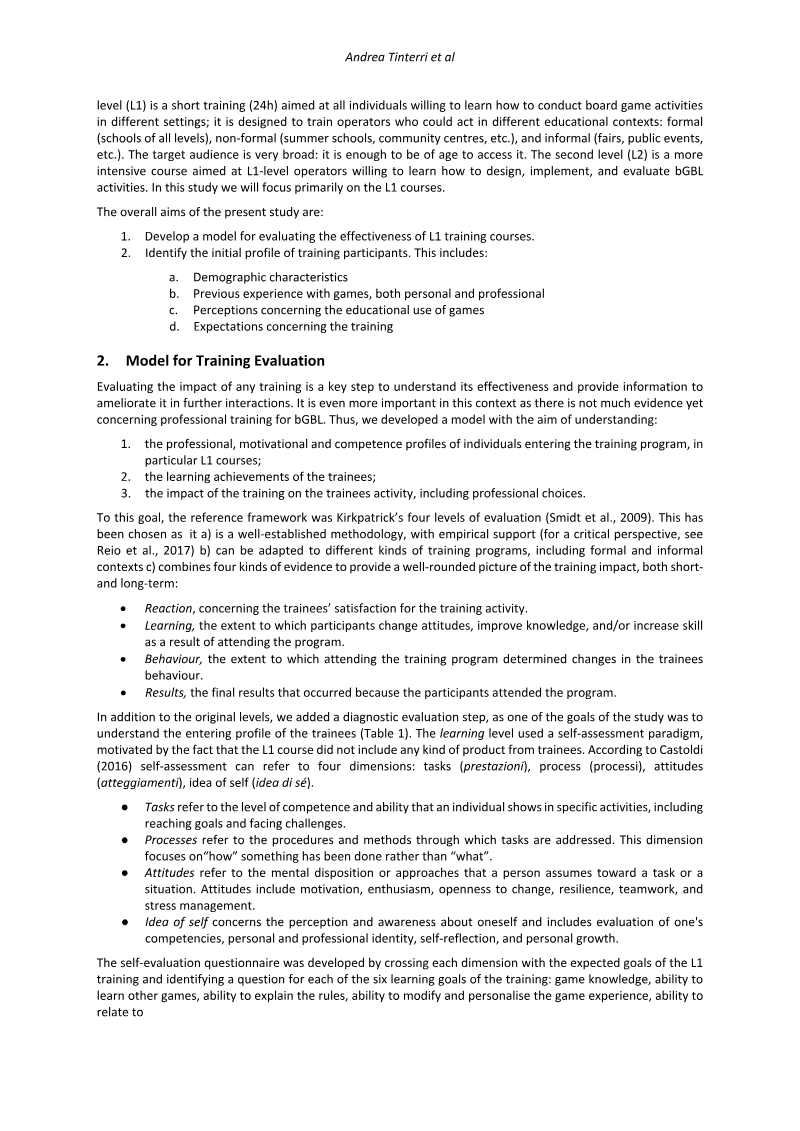
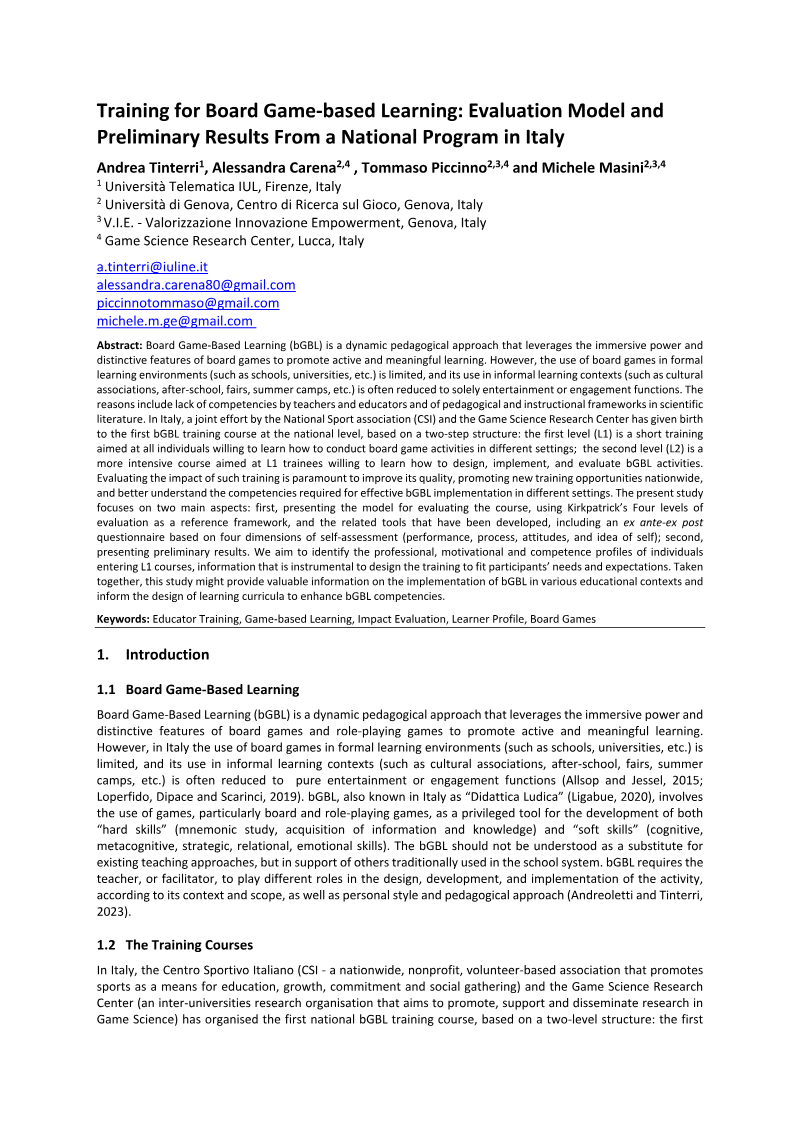
"Alice, Beyond Reality" presents the design and development of an immersive virtual reality serious game whose core interaction runs through real-time biofeedback, aimed at helping young adults aged 15 to 20 learn to recognize and voluntarily regulate their physiological responses, particularly heart rate. The work is motivated by the emotional and behavioural difficulties commonly associated with adolescence and by the growing evidence that breathing-based self-regulation, gamification, and immersive VR can each support mental health and learning. The game draws on the Alice in Wonderland narrative, in which players must rescue characters transformed into cards by the Queen of Hearts, guided by the White Rabbit through a tutorial and four levels whose mechanics respond to the player's heart rate.
The design was built on a published methodology for immersive VR serious games and grounded in Flow Theory and Reinforcement Theory. Development used Blender, Photoshop, and Unreal Engine, targeting the Meta Quest 3 with hand-tracking, and an Empatica E4 wristband supplying heart rate derived from blood volume pressure at 64 Hz. A custom C# intermediary connects the sensor to the engine, and a dynamic baseline calibrated during the tutorial determines whether percentage-based goals are met. Gamification elements include collectible character cards as scoring, progressive difficulty, varied challenges, and a final progress summary. The authors state that usability validation has not yet been conducted; they outline a planned three-group study comparing real biofeedback, placebo biofeedback, and breathing-technique instruction among university freshmen.
Each row is a game or company this document names, each column a document, oldest first. A mark means that document names it. Select a row to see those documents.
European Conference on Games Based Learning (ECGBL) · 2024
European Conference on Games Based Learning (ECGBL) · 2024
European Conference on Games Based Learning (ECGBL) · 2024
European Conference on Games Based Learning (ECGBL) · 2024
European Conference on Games Based Learning (ECGBL) · 2024
European Conference on Games Based Learning (ECGBL) · 2024
European Conference on Games Based Learning (ECGBL) · 2024
European Conference on Games Based Learning (ECGBL) · 2024
European Conference on Games Based Learning (ECGBL) · 2024
European Conference on Games Based Learning (ECGBL) · 2024
European Conference on Games Based Learning (ECGBL) · 2024
European Conference on Games Based Learning (ECGBL) · 2024
European Conference on Games Based Learning (ECGBL) · 2024