1 free read left. Create a free account for unlimited reading + AI research.
Create free accountArticle The Esports Advocate
1 free read left. Create a free account for unlimited reading + AI research.
Create free accountArticleThe Esports Advocate
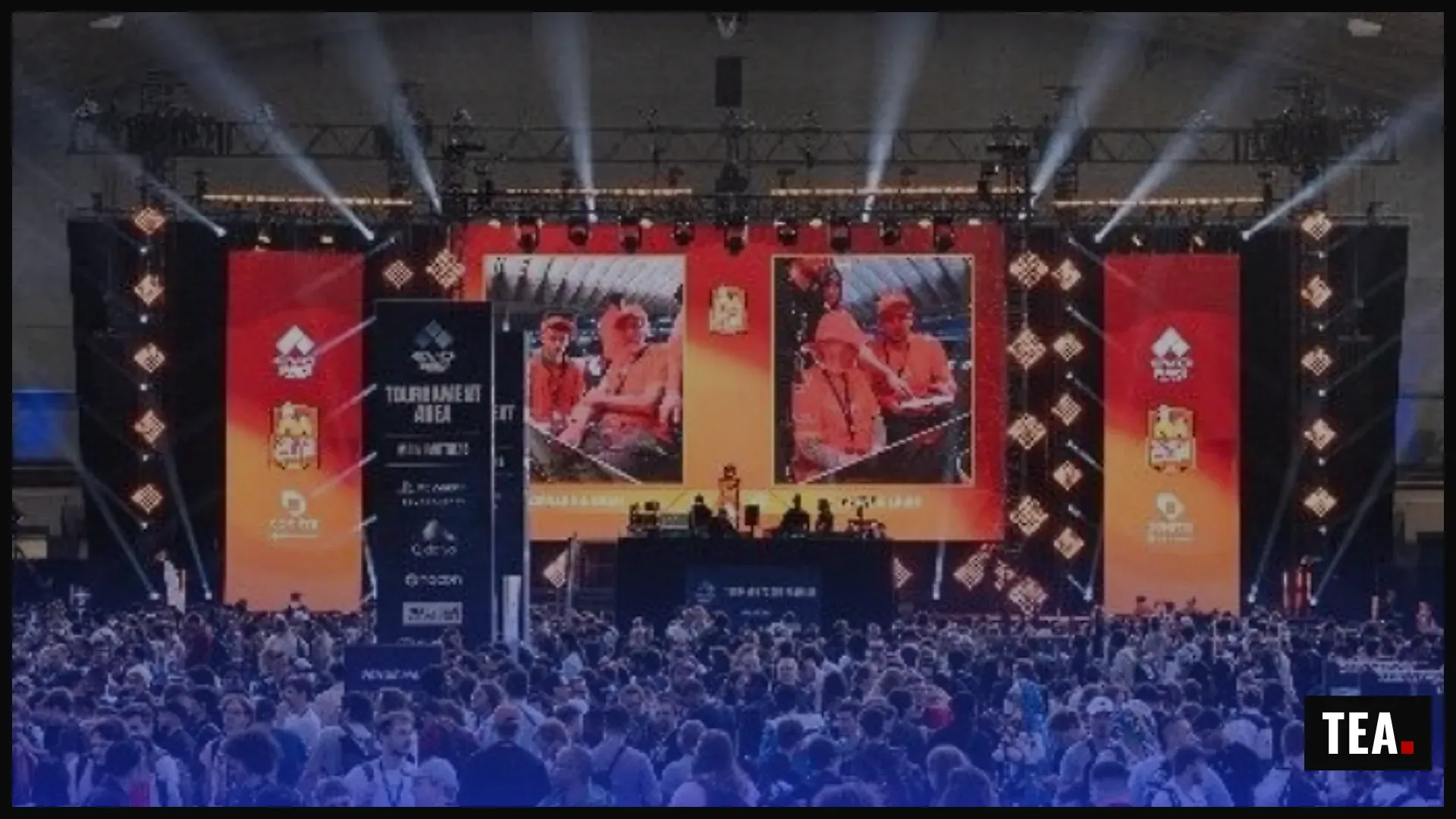
Capcom is implementing a restrictive pay-per-view model for its major competitive events, specifically the Capcom Cup 12 and the Street Fighter League World Championship. By requiring viewers to pay for access to the main competition, the publisher aims to generate direct revenue from its esports broadcasts. This strategy includes strict guidelines that prohibit unauthorized clipping and restrict the use of tournament footage by content creators until more than a week after the event concludes.
The tournament, scheduled for March 11–14, 2026, in Japan, features a $1 million USD prize pool. English-language access to the broadcast is priced at ¥900 JPY, or approximately $5.71 USD. While the publisher allows co-streaming for certain publicly available segments, the core competitive matches are gated behind this paywall. These measures have sparked significant frustration among the fan base, as the community faces limited access to the grand finale of the global competitive circuit.
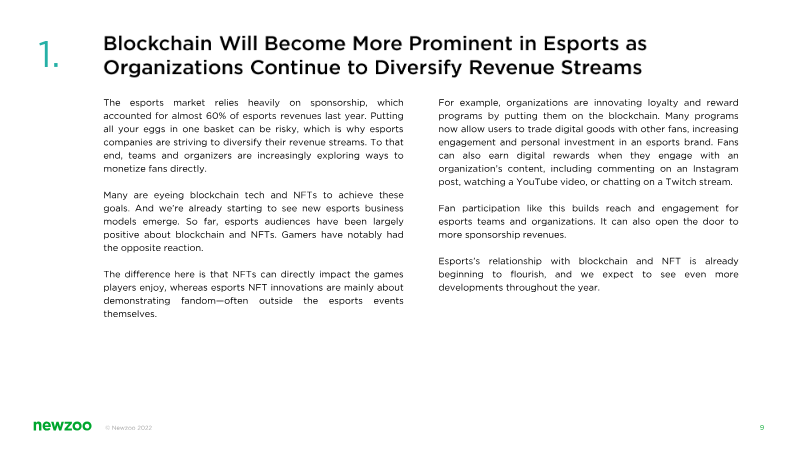
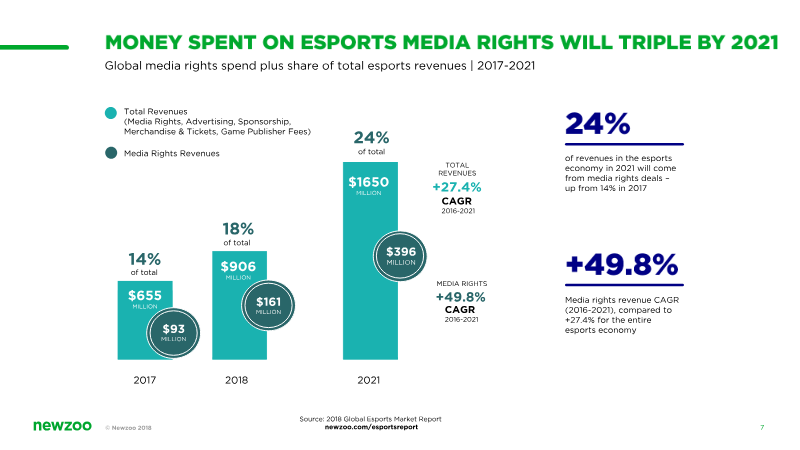
This shift highlights the ongoing industry-wide struggle to establish sustainable monetization models for esports. Historically, attempts to monetize broadcasts—such as high-profile exclusivity deals—have faced challenges regarding long-term viability. It remains uncertain whether this localized, pay-per-view approach will provide a reliable revenue stream for Capcom or if it will alienate the broader, international Street Fighter audience. The move represents a high-stakes effort to transition away from traditional free-to-watch broadcast models in favor of direct consumer monetization.
The games and companies this document names on the inner ring, other documents about them on the outer one. Select a cover to see it up close and open it in a new tab; drag to move, pinch or Ctrl + scroll to zoom.
The Esports Advocate · 2026
The Esports Advocate · 2026
The Esports Advocate · 2026
The Esports Advocate · 2026
The Esports Advocate · 2026

The Esports Advocate · 2026
The Esports Advocate · 2026

The Esports Advocate · 2026

The Esports Advocate · 2026

The Esports Advocate · 2026
The Esports Advocate · 2026
The Esports Advocate · 2026