ArticleThe Esports Advocate
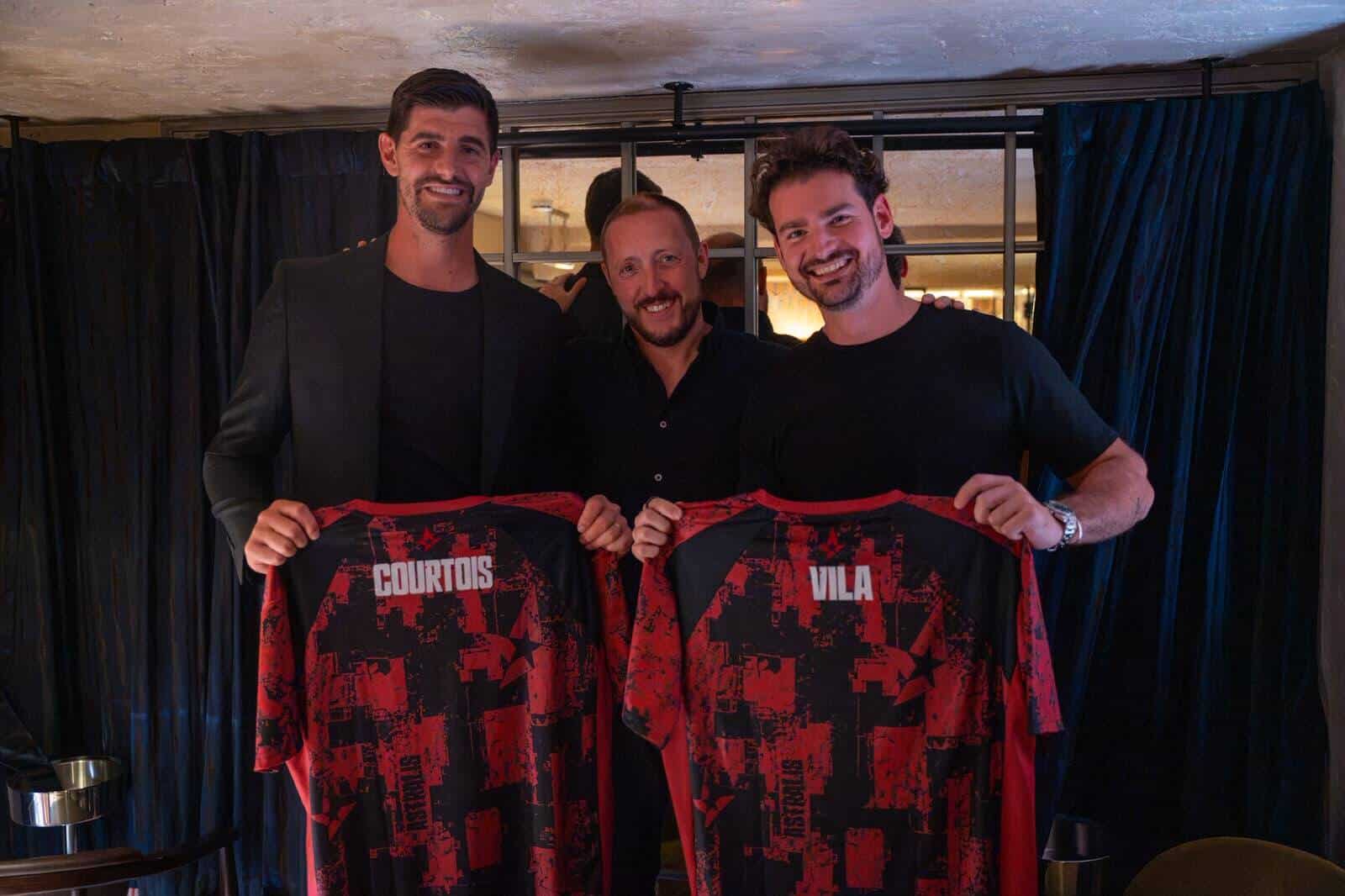
Courtois Invests in Astralis Owner Weeks After Auditor Flagged Going-Concern Doubts
1 Oct 20261 pages~7 min full read
Key insights
5 slides
The Situation
Astralis' parent company faced significant financial instability in 2025.
Auditors flagged material uncertainties regarding Fusion Esports Group's ability to continue as a going concern.
DKK 19.1 million
Astralis' net loss in 2025.
- USD equivalent
- $2.9 million
Operational Hurdles
Astralis also experienced operational losses and delayed wage payments.
The company recorded an operating loss in 2025 and admitted to delays in paying staff wages.
DKK 9.6 million
Astralis' operating loss in 2025.
- USD equivalent
- $1.5 million
New Capital
Thibaut Courtois and Gonzalo Vila invested in Fusion Esports Group.
The investment was made through their firm NXTPLAY.
Valuation Increase
Fusion Esports Group secured approximately $484,000 in new capital.
This capital raise occurred in late September 2026. It represented a valuation nearly four times higher than previous capital raises earlier in the year.
$484,000
New capital raised by Fusion Esports Group.
- DKK equivalent
- DKK 3.2 million
Ongoing Reliance
Fusion Esports Group relies on external capital and potential loans for operations.
The company's ability to maintain operations is contingent on these external funding sources. This includes potential loans from Denmark’s state-owned investment fund, EIFO.
Like a car running on borrowed fuel, the company needs continuous external input to keep moving.
1 / 5
Ask AI about this report