ArticleThe Esports Advocate
Brazil’s Betting Ban: Impact on Counter-Strike
7 Oct 20261 pages~8 min full read
Key insights
6 slides
New Regulation
Brazil has implemented a comprehensive ban on fixed-odds betting.
Provisional Measure 1,394, effective October 6, 2026, prohibits the operation, advertising, and sponsorship of fixed-odds betting. Licensed operators must cease activities and remove all betting-related branding.
Key Change. Brazil has banned fixed-odds betting operations and sponsorships.
Financial Impact
The government is canceling all federal betting licenses without compensation.
Operators will not receive refunds for the R$30 million ($5.8 million USD) license fees they previously paid.
Esports Disruption
The ban significantly threatens Brazilian Counter-Strike 2.
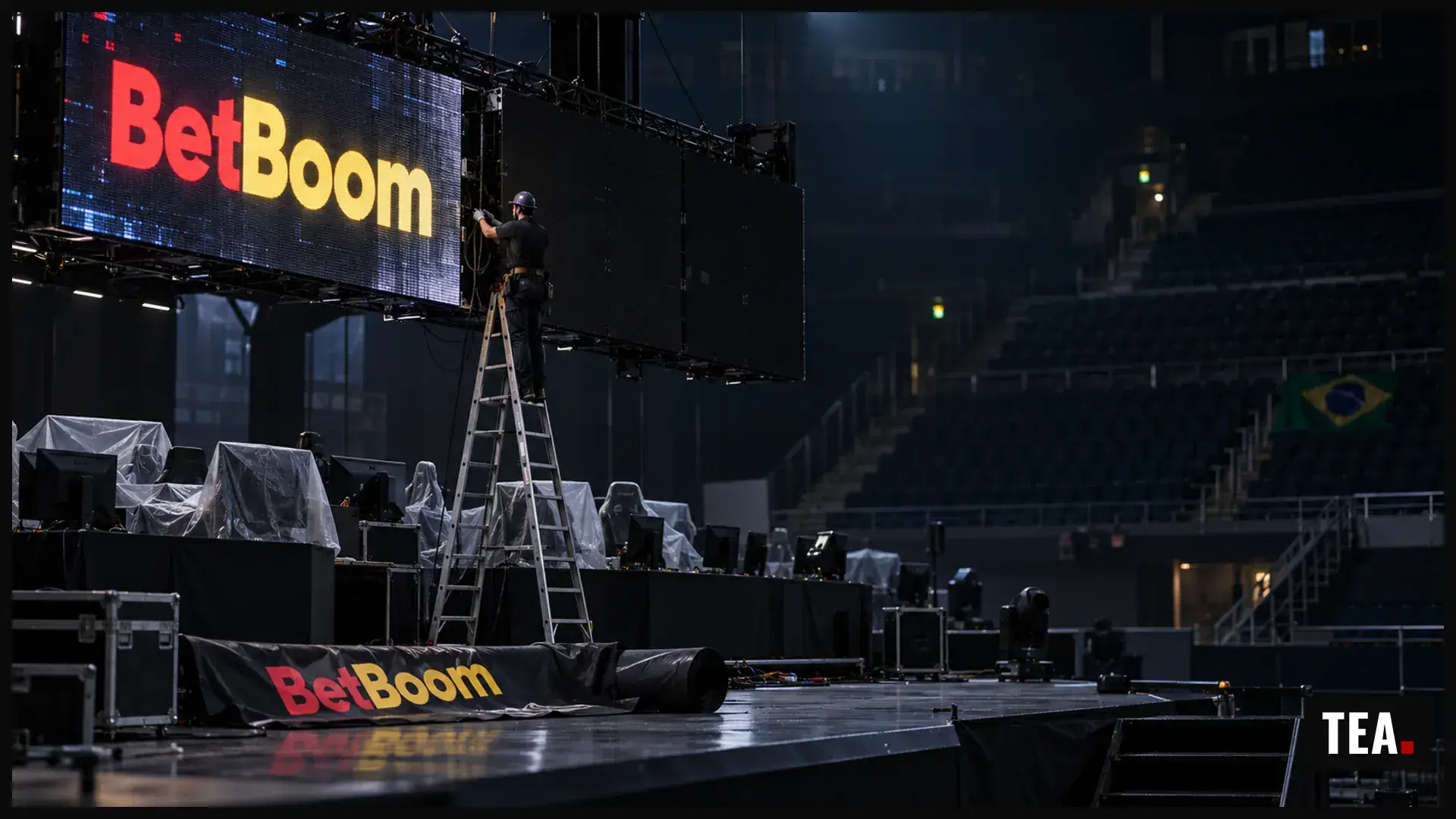
BetBoom, a major partner for top-tier regional competitions, holds broadcast rights or sponsorship deals. This includes partnerships with BLAST, PGL, and ESL FACEIT Group.
Threat to Esports. The betting ban poses a significant threat to Brazilian Counter-Strike 2.
Platform Liability
Internet platforms face fines for promoting betting aimed at Brazilians.
Fines can reach up to 10% of their Brazilian revenue. The maximum penalty is R$50 million ($9.6 million USD) per infraction.
Platform Risk. Platforms face significant fines for failing to prevent betting promotions targeting Brazilians.
Political Volatility
The permanence of the ban remains uncertain due to political factors.
The measure requires congressional approval by early 2027 to become permanent. A presidential runoff election is scheduled for October 25, 2026.
Like a temporary speed limit, this ban could be changed or removed depending on future decisions.
Proposed Amendments
Lawmakers have proposed numerous amendments to the measure.
At least 26 amendments have been proposed, including potential carve-outs for sports betting. There are also proposals for temporary allowances for passive brand displays.
1 / 6
Ask AI about this report