Key insights
6 slides
Market Growth
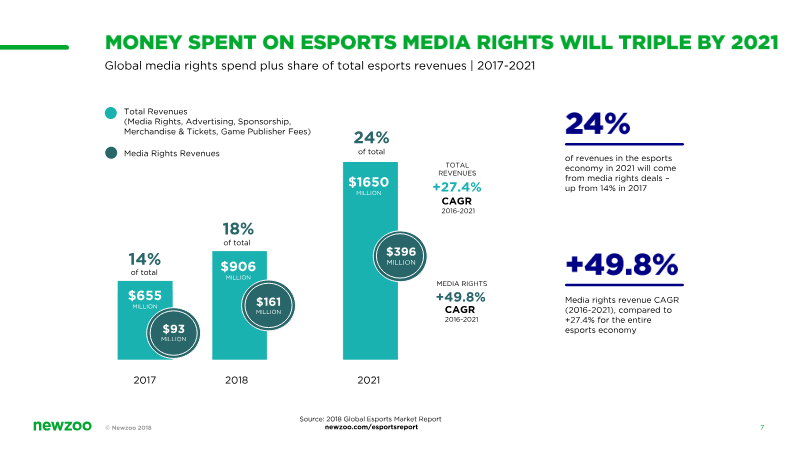
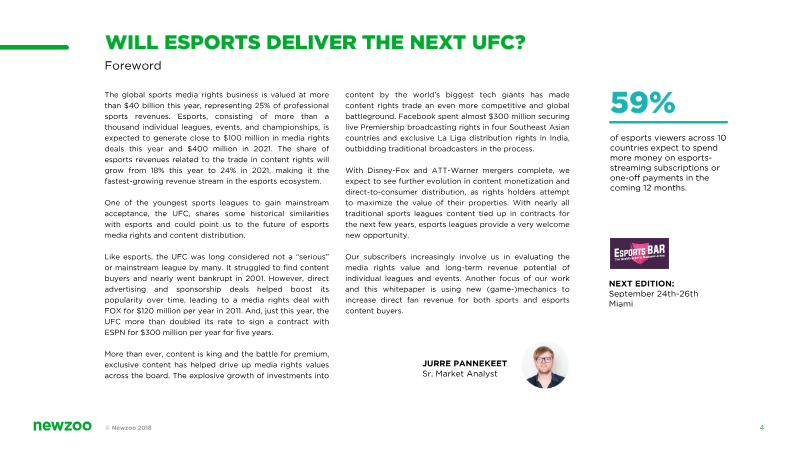
Esports media rights revenue is projected to quadruple by 2021.
The market value is expected to rise from nearly $100 million to $400 million in the same period. This growth positions media rights as the fastest-growing revenue stream.
Regional Leadership
North America leads the global esports media rights market.
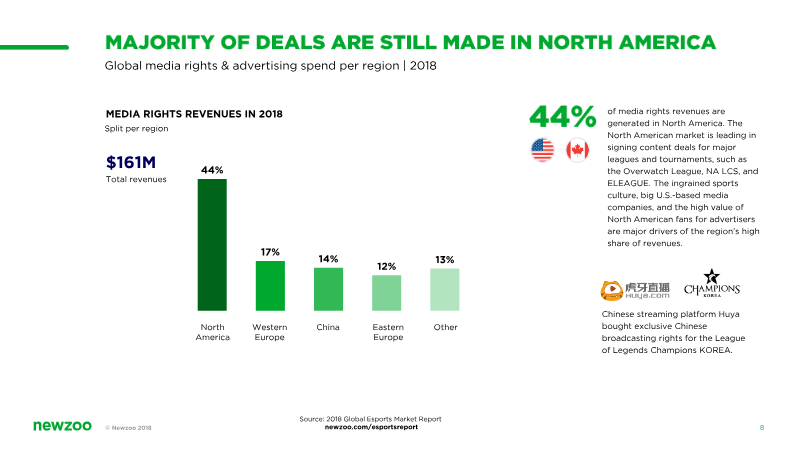
North America accounts for 44% of media rights revenues. This is due to its established sports culture and the presence of major media conglomerates.
Business Models
The esports industry is adopting traditional sports business models.
Models like those used by the UFC are increasingly being implemented.
Like a young athlete learning from seasoned pros, esports is adopting proven strategies from traditional sports.
Model Adoption. The industry is increasingly adopting traditional sports business models to maximize the value of esports properties.
Audience Behavior
Esports audiences are largely platform-agnostic.
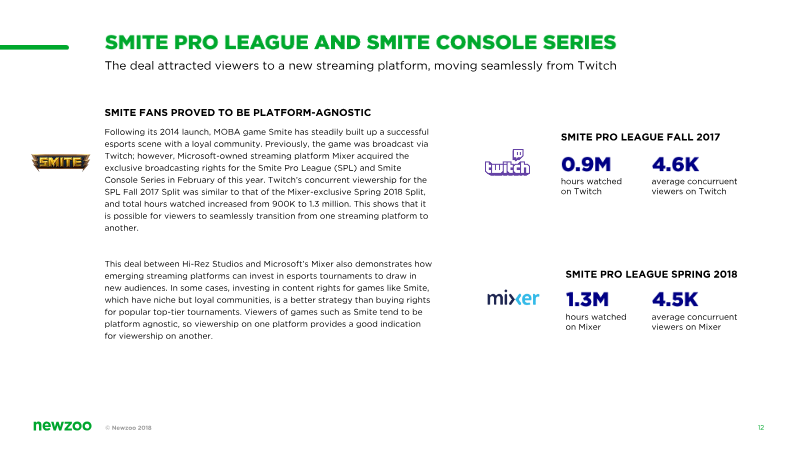
Leagues like the Smite Pro League successfully migrated to platforms such as Mixer.
Audience Flexibility. Esports audiences demonstrate platform-agnostic behavior, as evidenced by successful league migrations.
Monetization Shifts
Monetization is shifting towards direct-to-consumer models.
The Overwatch League’s All-Access Pass exemplifies this trend. It offers premium features like ad-free viewing and exclusive camera angles.
It's like a VIP pass for a concert, offering a better experience for a direct payment.

Engagement Strategies
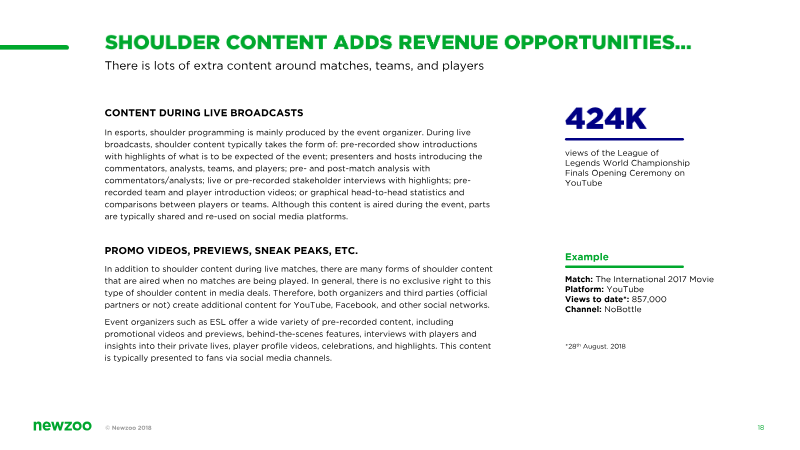
Rights holders are expanding inventory and engagement through shoulder programming.
This includes pre-match analysis and player interviews. It helps maintain audience interest during off-peak hours.
1 / 6
Ask AI about this report